Getting kids excited about healthy eating doesn’t have to be a daily battle. With the right approach, mealtime can transform from a source of stress into an opportunity for connection, creativity, and fun that the whole family looks forward to.

Children who participate in meal planning and preparation are more likely to try new foods and develop healthier eating habits that last a lifetime. The key is making the process engaging, age-appropriate, and genuinely enjoyable for everyone involved.
Why Kid Involvement in Meal Planning Matters 🍎
When children have a voice in what ends up on their plates, they develop a sense of ownership over their food choices. This psychological investment transforms them from passive eaters into active participants in their nutrition journey. Research consistently shows that kids who help plan and prepare meals consume more fruits and vegetables and are more willing to experiment with unfamiliar foods.
Beyond the nutritional benefits, involving children in meal planning teaches valuable life skills including budgeting, organization, time management, and basic cooking techniques. These lessons extend far beyond the kitchen, building confidence and independence that serves them well into adulthood.
The family bonding that happens during meal planning and preparation creates lasting memories and traditions. These shared experiences around food help establish positive relationships with eating that counteract the processed food culture many children are exposed to daily.
Starting With Age-Appropriate Involvement 👶
The secret to successful kid involvement is matching tasks to developmental abilities. Toddlers can help wash vegetables, tear lettuce, or arrange items on a plate. Preschoolers can stir ingredients, count items, and help set the table with supervision.
Elementary-aged children can read simple recipes, measure ingredients, help with grocery lists, and begin learning basic knife skills with appropriate tools. Tweens and teens can handle more complex cooking techniques, plan entire meals independently, and even manage portions of the grocery shopping.
Starting early establishes the expectation that everyone contributes to family meals. Even the smallest tasks give young children a sense of accomplishment and belonging in the kitchen routine.
Creating a Family Meal Planning System That Works ✨
Consistency is crucial for making meal planning a sustainable habit rather than an occasional activity. Designate a specific day and time each week for family meal planning sessions. Many families find Sunday afternoons or evenings work well, giving everyone time to contribute ideas before the busy week begins.
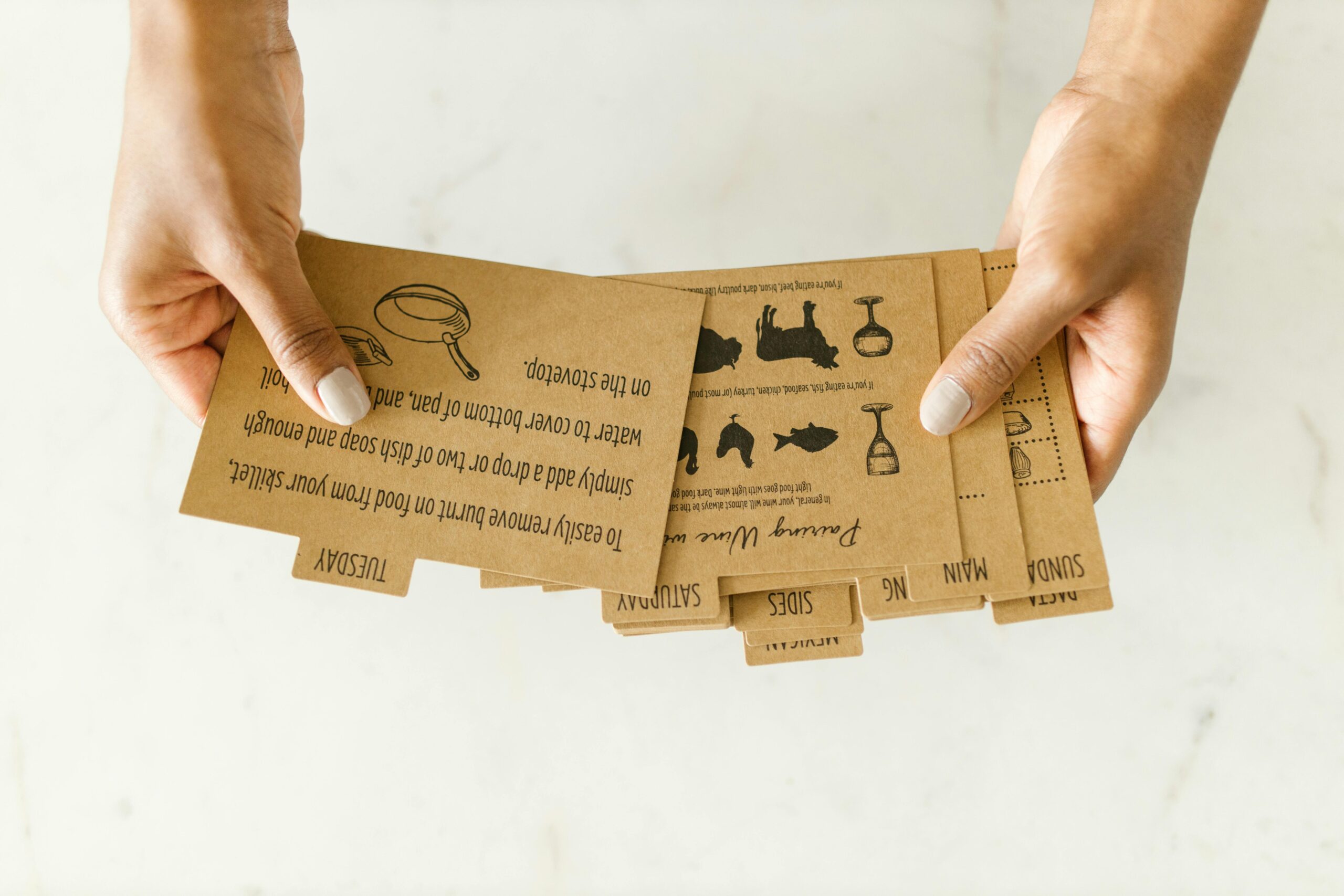
Create a visual meal planning board or chart that lives in a central location where everyone can see it. This might be a whiteboard in the kitchen, a bulletin board in the dining area, or even a shared digital calendar if your family prefers technology-based solutions.
Give each family member specific responsibilities in the planning process. One child might be in charge of checking the pantry inventory, another might research new recipe ideas, while a third handles creating the grocery list from the decided meals.
Building Your Weekly Planning Routine
Begin your planning session by reviewing the week ahead. Check calendars for activities, sports practices, or appointments that might affect meal timing or complexity. This prevents the frustration of planning elaborate meals on nights when everyone needs to eat quickly.
Let each family member choose one meal during the week. This ensures everyone gets their favorites and creates buy-in from all participants. Set some basic ground rules about nutritional balance to prevent a week of pizza and chicken nuggets.
Theme nights can simplify decision-making while keeping things interesting. Taco Tuesday, Meatless Monday, Stir-Fry Friday, or Breakfast-for-Dinner Thursday gives structure while still allowing creativity within each theme.
Making Grocery Shopping an Educational Adventure 🛒
Transform grocery shopping from a chore into a learning opportunity by involving kids in the process. Even if you prefer shopping without children most of the time, bringing them occasionally teaches important lessons about food sourcing, budgeting, and nutritional decision-making.
Create game-like challenges during shopping trips. Can your child find five different green vegetables? How many foods can they identify that start with the letter ‘B’? Can they spot three new fruits they’ve never tried before?
Teach children to read nutrition labels by comparing similar products. Which cereal has less sugar? Which bread has more fiber? These comparison exercises develop critical thinking skills while building nutritional literacy.
Budget-Friendly Shopping With Kids
Give older children a specific budget for choosing ingredients for their assigned meal. This teaches money management while encouraging them to think creatively about maximizing value. They’ll learn that simple whole ingredients often cost less than processed convenience foods.
Discuss seasonal produce and how buying fruits and vegetables at peak season saves money while providing better flavor. Point out how frozen vegetables offer nutritional value similar to fresh at a lower price point, making healthy eating accessible regardless of budget.
Let children help clip coupons or search for digital deals for items on your list. This turns savings into a treasure hunt that kids genuinely enjoy while teaching them about smart consumerism.
Kitchen Setup for Little Helpers 👨🍳
Creating a kid-friendly kitchen environment encourages independence and reduces frustration. Designate lower cabinets or drawers for items children use regularly like their dishes, snack containers, or cooking tools. This accessibility allows them to help set the table or prepare simple snacks without constant adult assistance.
Invest in child-sized tools that actually work rather than toy versions. Kid-safe knives with appropriate serration, small cutting boards, sturdy step stools, and child-sized aprons make children feel like legitimate cooking partners rather than just observers.
Organize ingredients at kid-accessible heights where appropriate. Having healthy snacks like fruits, vegetables, and whole grain crackers within reach encourages good choices throughout the day.
Creative Ways to Make Meal Prep Fun 🎨
Food art transforms ordinary meals into creative projects. Let children arrange vegetables into funny faces, create rainbow fruit kabobs, or design colorful salad bowls. The visual appeal makes healthy foods more enticing while allowing self-expression.
Build-your-own meal bars turn dinner into an interactive experience. Taco bars, pasta stations, salad buffets, or sandwich creation centers let each person customize their meal to their preferences while ensuring everyone eats something they enjoy.
Music makes everything more enjoyable, including meal preparation. Create a family cooking playlist with upbeat songs that everyone likes. Dancing while chopping vegetables or stirring pots turns kitchen work into family fun time.
Educational Meal Prep Games
Turn cooking into learning opportunities with simple games. Count ingredients together for math practice. Discuss where different foods come from for geography lessons. Talk about how cooking creates chemical changes for basic science education.
Create cooking challenges inspired by popular cooking shows. Give children mystery ingredients to incorporate into a dish, set time limits for specific tasks, or have them recreate restaurant favorites using healthier ingredients.
Story-based cooking engages imaginative children. Prepare foods from favorite books or create meals inspired by characters they love. This literary connection makes healthy eating part of a larger narrative that captures their interest.
Introducing New Foods Successfully 🥦
The key to expanding children’s palates is repeated exposure without pressure. Research shows kids may need to see a new food 10-15 times before accepting it. Keep offering new items alongside familiar favorites without forcing anyone to eat anything.
Make trying new foods a scientific experiment. Rate foods on scales for sweetness, crunchiness, or color. Keep a food diary documenting reactions to different items. This removes judgment and makes exploration feel like an adventure.
Grow vegetables together if space allows. Children who watch food grow from seed to harvest are significantly more likely to eat those vegetables. Even apartment dwellers can grow herbs, tomatoes, or lettuce in containers on a sunny windowsill.
The One-Bite Rule and Beyond
Implement a low-pressure “adventure bite” policy where children agree to try one small bite of new foods. Celebrate the bravery of trying regardless of whether they like it. Never force additional bites or use guilt tactics that create negative food associations.
Prepare new foods in multiple ways. A child who refuses raw tomatoes might love roasted ones. Someone who dislikes steamed broccoli might enjoy it roasted with parmesan. Different cooking methods dramatically change flavors and textures.
Pair unfamiliar foods with beloved favorites. Serve new vegetables alongside a favorite dip. Incorporate new fruits into smoothies with familiar berries. These combinations make exploration less intimidating while introducing new flavors gradually.
Digital Tools That Make Planning Easier 📱
Technology can streamline family meal planning when used thoughtfully. Meal planning apps help organize recipes, generate shopping lists, and track family preferences. Many include features specifically designed for families trying to involve children in the process.
Recipe websites with kid-friendly filters help identify age-appropriate dishes that children can help prepare. Look for platforms that include prep time estimates, difficulty ratings, and nutritional information to make informed choices quickly.
Shared digital calendars allow family members to input their meal preferences, mark busy nights, or flag dietary restrictions. This transparency ensures everyone’s needs are considered during planning sessions.
Overcoming Common Mealtime Challenges 💪
Picky eating frustrates parents but represents normal developmental behavior for many children. Combat pickiness by involving kids in preparation, offering choices between acceptable options, and modeling adventurous eating yourself without commenting on their choices.
Time constraints challenge even the most organized families. Combat this by batch cooking on weekends, using slow cookers for hands-off meals, and keeping a backup list of 15-minute meals for especially hectic evenings.
Different preferences within families require creativity and compromise. Deconstructed meals where components are served separately allow each person to combine foods as they prefer. Base ingredients plus various toppings accommodate multiple tastes efficiently.
Managing Kitchen Messes Constructively
Kids in the kitchen inevitably create messes. Accept this reality and plan accordingly rather than letting mess anxiety prevent involvement. Lay down washable mats, keep cleaning supplies handy, and remember that life skills are worth a little extra cleanup.
Make cleaning part of the cooking process rather than a punishment. Teach “clean as you go” principles where everyone wipes counters, rinses bowls, and puts away ingredients during natural pauses in preparation.
Celebrate effort over perfection. The slightly lumpy muffins or unevenly chopped vegetables represent learning and contribution. Praise attempts and progress rather than criticizing imperfect results.
Building Healthy Eating Habits Beyond Planning 🌟
Model the eating behaviors you want to instill. Children learn more from watching adult actions than hearing lectures. Eat vegetables enthusiastically, try new foods with curiosity, and maintain positive attitudes about healthy eating.
Eliminate food morality by avoiding labels like “good foods” or “bad foods.” Instead, discuss “everyday foods” and “sometimes foods” or talk about how different foods help bodies do different things. This prevents shame and rebellion around eating.
Maintain consistent family mealtimes as much as possible. Regular shared meals provide opportunities for connection, conversation, and modeling healthy eating patterns. Even busy families can usually protect a few meals weekly for eating together.
Celebrating Food Culture and Traditions
Explore foods from different cultures as a family. Try recipes from various countries, discuss food traditions, and learn about how different communities approach meals. This cultural education broadens palates while teaching global awareness.
Create your own family food traditions that children will remember fondly. Perhaps Saturday breakfast involves everyone making their own omelets, or Sunday dinners always include one new recipe alongside comforting favorites.
Honor special occasions with food preparations that children help create. Birthday cakes decorated by the birthday child, holiday cookies made together, or seasonal dishes that mark changing years build positive food memories.
Teaching Restaurant and Social Eating Skills 🍽️
Extend meal planning lessons to eating outside the home by involving kids in restaurant selection. Discuss menu options before arriving, practice ordering politely, and talk about making balanced choices when dining out.
Prepare children for social eating situations like parties, potlucks, or meals at friends’ homes. Discuss trying foods politely even if they’re unfamiliar, complimenting hosts, and handling situations where they genuinely dislike something served.
Use restaurant experiences as learning opportunities. Compare restaurant versions of dishes to homemade ones. Estimate ingredients in menu items. Discuss portion sizes and how restaurant servings often exceed what bodies actually need.
Sustaining the Magic Long-Term ✨
Maintaining enthusiasm for meal planning requires ongoing creativity and flexibility. Regularly introduce new elements like different cuisines, cooking techniques, or presentation styles to prevent routines from becoming boring.
Adjust expectations as children grow and interests change. A theme that excited a seven-year-old might bore a twelve-year-old. Stay attuned to developmental stages and evolving preferences while maintaining core healthy eating principles.
Acknowledge that some weeks will be more successful than others. Life happens, energy wanes, and motivation fluctuates. Grant yourself and your family grace during difficult periods rather than abandoning good habits entirely because of temporary challenges.
Remember that the ultimate goal extends beyond any single meal or week. You’re building lifelong relationships with food, teaching valuable skills, and creating family bonds that will influence your children long after they leave home. Every small effort contributes to this larger purpose, making the time invested in meal planning magic truly worthwhile for years to come.