Dinnertime doesn’t have to be stressful. With weekly meal plans and themed nights, you can turn everyday cooking into an exciting family tradition that everyone looks forward to.

If you’ve ever found yourself staring blankly into the refrigerator at 5 PM, wondering what to make for dinner, you’re not alone. Meal planning fatigue is real, and it affects millions of families every week. The constant pressure to answer “What’s for dinner?” can drain your energy and creativity. But there’s a solution that’s both practical and fun: implementing themed dinner nights as part of your weekly meal planning strategy.
Why Themed Dinner Nights Transform Your Meal Planning
Themed dinner nights provide structure without rigidity. Instead of facing endless possibilities every evening, you work within a delicious framework that actually sparks creativity rather than limiting it. When you know it’s Taco Tuesday or Pasta Night, you’re not starting from scratch—you’re simply choosing which variation to explore.
This approach offers multiple benefits for busy families. First, it dramatically reduces decision fatigue, that mental exhaustion that comes from making too many choices. Second, it simplifies grocery shopping because you know exactly which ingredients you’ll need throughout the week. Third, it gets family members excited about meals because they can anticipate their favorites.
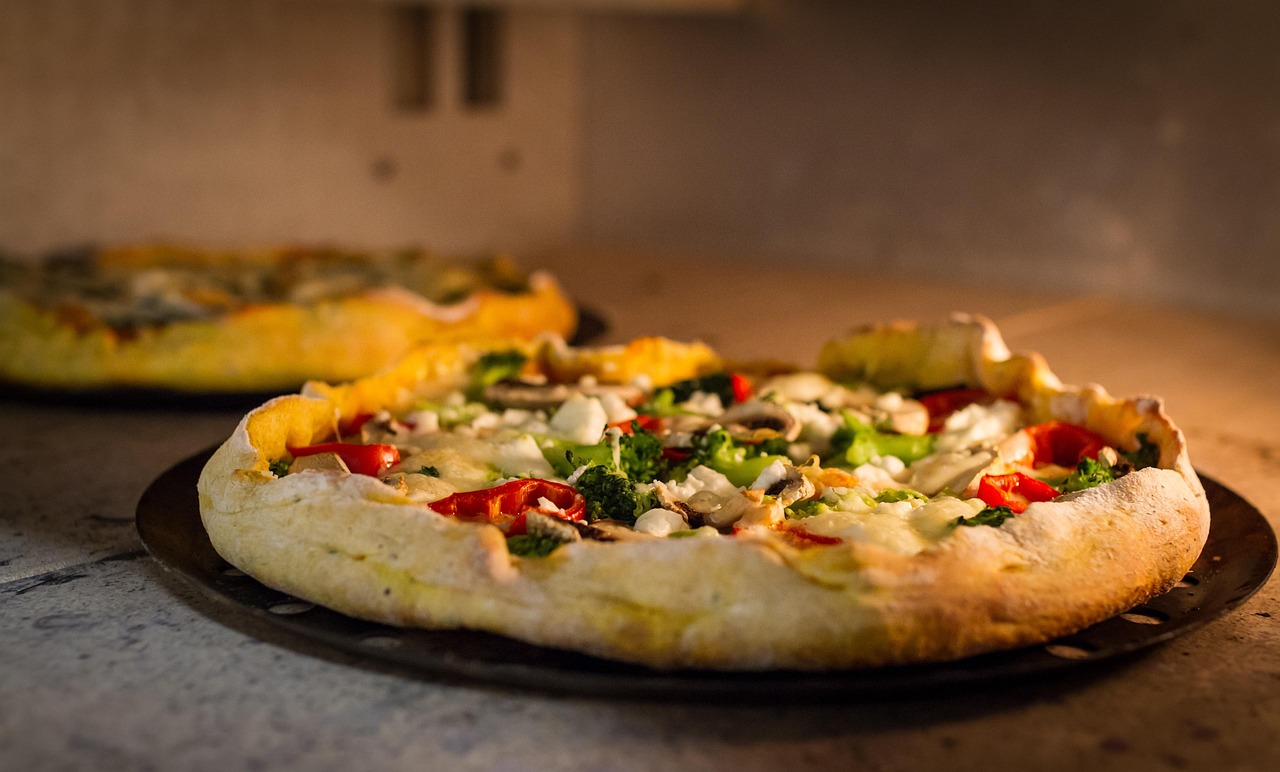
Children especially thrive on predictable routines, and themed nights give them something to look forward to while still allowing for variety within each theme. You might hear “Is it pizza night yet?” on Wednesday morning—and that enthusiasm beats mealtime battles any day. 🍕
Creating Your Perfect Weekly Meal Plan Schedule
The key to successful themed dinner nights is choosing themes that genuinely fit your family’s lifestyle, preferences, and schedule. There’s no one-size-fits-all approach, but there are proven frameworks you can adapt.
Classic Theme Night Ideas That Work
Meatless Monday has become a popular tradition that helps families eat more plant-based meals while reducing grocery costs. Options range from hearty vegetable curries to bean-based tacos, loaded veggie pizzas, or creamy pasta primavera.
Taco Tuesday needs no introduction—it’s the most famous themed night for good reason. Beyond traditional beef tacos, explore fish tacos, chicken tinga, breakfast tacos, or even taco salad bowls. The possibilities within this single theme are virtually endless.
Wednesday Worldly takes you on international culinary adventures. One week you might explore Thai cuisine with pad thai or green curry, the next week Italian with homemade lasagna, then Japanese with teriyaki bowls or sushi rolls.
Throwback Thursday celebrates comfort food and family recipes. This is perfect for passing down traditional dishes, making grandma’s famous meatloaf, or recreating childhood favorites that spark nostalgia and conversation.
Friday Fish Night or Seafood Celebration marks the end of the work week with lighter, special-feeling meals. Grilled salmon, shrimp scampi, fish and chips, or seafood pasta all fit beautifully into this theme.
Slow Cooker Saturday or Sunday works perfectly for busy weekends filled with activities. Set up your meal in the morning, and return to a house filled with delicious aromas and a ready-to-eat dinner.
Sunday Roast or Family Feast Day is ideal for gathering everyone together for a more elaborate meal. Roasted chicken, pot roast, or a special homemade pizza night gives families quality time around the table. 🍗
Practical Tips for Implementing Themed Nights
Starting your themed night journey doesn’t require perfection—it requires commitment to trying. Begin with just two or three themed nights per week, leaving other days flexible as you adjust to this new system.
Strategic Grocery Shopping for Theme Success
Once you’ve established your weekly themes, create master shopping lists for each theme. Keep these lists on your phone or posted in your kitchen for easy reference. For example, your Taco Tuesday list might include tortillas, ground meat or beans, cheese, lettuce, tomatoes, and your family’s favorite toppings.
Stock your pantry with theme-appropriate staples. Italian night basics include pasta varieties, canned tomatoes, olive oil, and Italian seasonings. Asian night essentials might be soy sauce, rice, sesame oil, and ginger. Having these foundations ready means you only need to shop for fresh proteins and produce each week.
Consider batch-buying and freezing proteins when they’re on sale, organizing them by theme. Label freezer bags with “Taco Tuesday Ground Beef” or “Friday Fish – Salmon Fillets” to make meal prep even smoother.
Getting Family Buy-In and Participation
The most successful themed dinner nights involve the whole family. Hold a family meeting to brainstorm themes together, letting each person champion their favorite night. When children feel ownership over “their” theme night, they’re more likely to eat adventurously and even help with preparation.
Assign age-appropriate tasks to each family member. Young children can wash vegetables, tear lettuce, or set the table. Older kids can help with chopping, measuring ingredients, or even leading the cooking for their favorite theme night. Teens might enjoy researching new recipes within their chosen theme. 👨👩👧👦
Create visual reminders that build excitement. A colorful weekly meal calendar on the refrigerator helps everyone know what’s coming and gives them something to anticipate. Some families even use fun decorations or music that matches the theme—mariachi music for Taco Tuesday or Italian opera for Pasta Night.
Budget-Friendly Themed Night Strategies
Themed dinner nights actually save money when implemented thoughtfully. The structure prevents impulse purchases and reduces food waste because you’re buying ingredients with specific purposes in mind.
Choose themes that utilize affordable, versatile ingredients. Pasta night, bean-based meals, and egg-centered breakfasts for dinner are naturally economical. Rice and beans form the foundation for countless international cuisines, from Latin American to Asian dishes.
Practice strategic ingredient overlap between themes. If you buy cilantro for Taco Tuesday, plan to use it again for Asian-inspired Wednesday. Rotisserie chicken from Sunday’s roast can become chicken tacos on Tuesday or chicken fried rice on Wednesday.
Embrace seasonal produce within your themes. Summer’s tomatoes and basil shine in Italian night, while fall’s squashes work beautifully in comfort food themes. Seasonal shopping keeps costs down while maximizing flavor and nutrition.
Adapting Themes for Dietary Needs and Preferences
The beauty of themed nights lies in their flexibility. Every theme can accommodate various dietary requirements without creating separate meals for different family members.
For families with vegetarians and meat-eaters, build meals that allow for easy protein swapping. Taco night works perfectly—some family members choose beef while others prefer black beans. Pasta night accommodates both meatballs and marinara sauce equally well.
Gluten-free families can participate fully by substituting ingredients. Use corn tortillas for Taco Tuesday, rice noodles for Asian night, or gluten-free pasta for Italian meals. The theme structure remains intact while meeting dietary needs.
Those following low-carb or keto lifestyles can reinterpret themes creatively. Taco Tuesday becomes taco salad or taco bowls. Pizza night transforms into pizza-stuffed chicken or cauliflower crust pizzas. The flavors and fun remain while honoring health goals. 🥗
Keeping Themed Nights Fresh and Exciting
Even the best themes can become monotonous without variation. The solution isn’t abandoning the system—it’s exploring the depth within each theme.
Expanding Your Theme Repertoire
Within each theme, challenge yourself to try new recipes regularly. If you’ve mastered classic beef tacos, experiment with Korean-inspired tacos, breakfast tacos, or fish tacos with mango salsa. Each variation keeps the theme fresh while building your cooking confidence and family’s palate.
Rotate themes seasonally. Your winter lineup might include hearty soup night and casserole comfort food, while summer features grilling night and fresh salad bowls. This natural rotation prevents burnout and takes advantage of seasonal ingredients.
Occasionally host “mashup nights” that combine two themes for something completely different. Imagine Italian-Asian fusion with sesame ginger pasta or Mexican-American with barbecue chicken quesadillas. These creative combinations spark conversation and culinary adventure.
Educational Opportunities Within Themed Nights
Themed dinner nights offer fantastic learning moments beyond just cooking skills. Wednesday’s world cuisine night becomes a geography lesson—find the country on a map, learn a few words in that language, or share interesting cultural facts during dinner.
Discuss the nutritional benefits of different themed meals. Why is fish Friday good for omega-3 fatty acids? How do Meatless Mondays benefit the environment? These conversations build food literacy and help children understand why balanced eating matters.
Math skills develop naturally through cooking. Measuring ingredients, doubling recipes, and timing multiple dishes teach practical mathematics in delicious context. Even young children benefit from counting tasks and learning fractions through recipes. 📚
Time-Saving Preparation Techniques
Successful themed nights require smart preparation strategies that don’t consume your entire weekend.
Dedicate one hour on Sunday to prep work that serves multiple themed nights. Chop vegetables for the week, cook a large batch of rice or beans, brown ground meat for tacos, or marinate proteins for later in the week. These small investments pay huge dividends in weeknight sanity.
Embrace strategic leftovers by cooking extra portions. Monday’s roasted vegetables can reappear in Tuesday’s tacos or Wednesday’s pasta. Sunday’s grilled chicken transforms into multiple meals throughout the week without feeling repetitive.
Utilize kitchen tools that multiply your efficiency. Instant Pots and slow cookers work while you focus on other tasks. Food processors make chopping quick and uniform. Rice cookers ensure perfect grains without attention. These tools aren’t luxuries—they’re time-generating investments for busy families.
Building Your Themed Night Recipe Collection
Over time, you’ll develop a trusted arsenal of go-to recipes for each theme. This personal collection becomes your family’s culinary heritage, filled with tested favorites and beloved traditions.
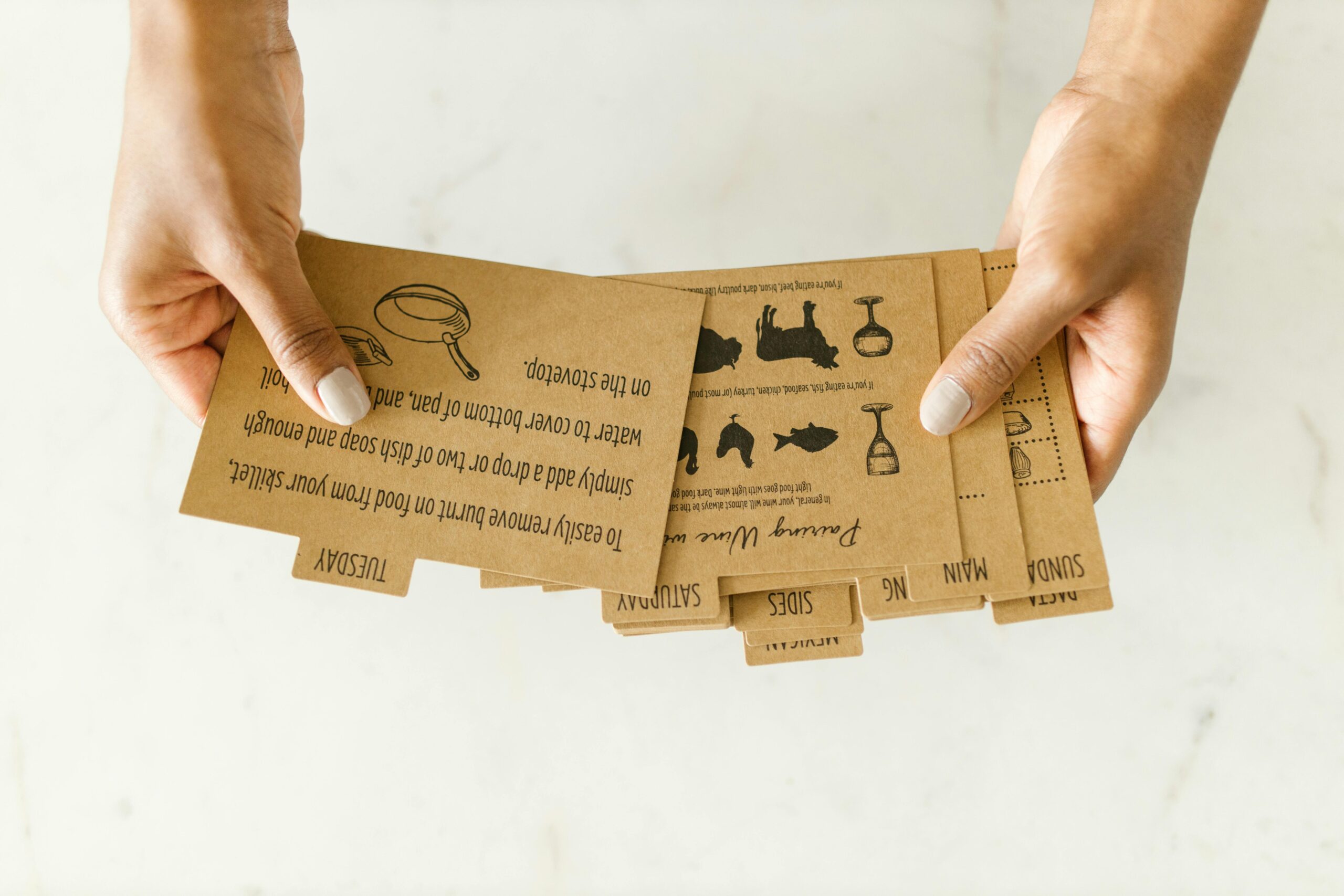
Keep recipes organized by theme in a binder, digital folder, or meal planning app. Note which recipes were hits, which need tweaking, and any family member preferences. This record prevents the frustration of remembering “that amazing pasta dish we made once” months later.
Rate recipes after making them, noting what worked well and what you’d change next time. Include comments like “kids loved this” or “needs more garlic” to guide future cooking sessions. These annotations transform recipes into living documents that improve with each use.
Don’t be afraid to modify published recipes to suit your family’s tastes and needs. Professional chefs do this constantly—there’s no cooking police ensuring you follow recipes exactly. The goal is delicious meals your family enjoys, not culinary perfection. ⭐
Overcoming Common Themed Night Challenges
Even the best systems encounter obstacles. The key is troubleshooting problems rather than abandoning the approach entirely.
When someone inevitably says “not this again,” remember that complaint signals the need for variety within the theme, not elimination of the theme itself. If plain spaghetti with marinara causes eye rolls, try carbonara, pesto pasta, or baked ziti instead. The theme stays, but the execution evolves.
Busy schedules sometimes conflict with planned themes. Build flexibility into your system by keeping “emergency” meals in the freezer that fit various themes—frozen homemade pizza for Italian night, pre-prepped taco meat for Mexican night, or frozen soup for comfort food evening. Themes can shift by one day if needed without disrupting the whole system.
Picky eaters pose challenges for any meal planning system. Themed nights actually help by involving children in planning and preparation, giving them ownership and investment in meals. Within each theme, include one element you know they’ll eat while gently encouraging them to try new variations. Progress, not perfection, is the goal. 🎯
Celebrating Special Occasions Within Your Theme Framework
Birthdays, holidays, and celebrations fit beautifully into themed dinner nights with minor adjustments. Let the birthday person choose their favorite theme for their special dinner, or create elaborate versions of regular themes—gourmet pizza night or fancy taco bar with all the fixings.
Holiday meals can adopt theme night structures too. Thanksgiving becomes “Harvest Feast Thursday” with gratitude discussions. Valentine’s Day transforms into “Red Food Friday” with pasta marinara, strawberries, and red velvet dessert. These adaptations make holidays feel special while maintaining your comfortable structure.
Making Themed Nights a Lasting Family Tradition
The ultimate goal isn’t just easier meal planning—it’s creating positive food memories and family bonding experiences that last a lifetime. Those Taco Tuesdays and Pizza Fridays become the stories children tell their own families years later.
Take photos of particularly successful meals and the family enjoying them together. Create a digital album or social media collection that documents your themed night journey. These images become treasured memories that capture not just food, but family connection and growth.
As children grow and eventually leave home, they’ll carry these themed night traditions with them. They’ll know how to plan meals efficiently, cook with confidence, and create their own food traditions. The gift you’re giving extends far beyond this week’s dinner—you’re teaching life skills wrapped in love and delicious memories.
Weekly meal plans with themed nights transform dinnertime from stressful obligation into joyful ritual. They simplify decision-making, reduce costs, minimize waste, and most importantly, bring families together around food and conversation. Start small, stay flexible, and watch as this simple framework revolutionizes your family’s relationship with mealtime. The question “What’s for dinner?” becomes not a source of stress, but an opportunity for creativity, connection, and celebration. 🏠❤️