Dinner time doesn’t have to be a battleground of picky eaters and stressed parents. Build-your-own family meals transform ordinary dinners into interactive experiences where everyone gets exactly what they want.

The beauty of customizable dishes lies in their flexibility and the way they naturally encourage family participation. When kids have a hand in assembling their own plates, they’re more likely to try new ingredients and actually enjoy what they’re eating. Parents appreciate the reduced stress of preparing multiple meals while still accommodating different tastes and dietary preferences within the household.
🍴 Why Build-Your-Own Meals Work for Modern Families
The traditional approach of serving one fixed dinner plate often creates tension at the table. Children refuse to eat vegetables touching their pasta, toddlers reject entire meals over a single disliked ingredient, and parents find themselves making multiple versions of the same dish. Build-your-own meals eliminate these common friction points by putting control in everyone’s hands.
Research consistently shows that children who participate in food preparation are more adventurous eaters. When kids have agency over their meals, they develop a healthier relationship with food. The interactive nature of these dinners also creates natural conversation opportunities, turning dinner into quality family time rather than a rushed obligation.
From a practical standpoint, customizable meals are incredibly efficient. You prepare base components once, set them out buffet-style, and let everyone assemble their perfect plate. This approach actually saves time compared to cooking separate meals for picky eaters, and it significantly reduces food waste since people only take what they’ll actually eat.
🌮 Taco and Burrito Bars: The Ultimate Crowd-Pleaser
Few meals generate as much enthusiasm as a taco night. The formula is simple but endlessly customizable: prepare proteins, warm tortillas, and set out an array of toppings that cater to all taste preferences and age groups.
For proteins, offer variety without overwhelming yourself. Ground beef seasoned with classic taco spices appeals to traditionalists, while shredded chicken provides a lighter option. Black beans or seasoned lentils ensure vegetarians aren’t left out. The key is preparing these components in advance so they’re ready when dinner time arrives.
Setting Up Your Taco Bar for Success
Organization matters when you’re feeding hungry families. Arrange ingredients in a logical order that mirrors how tacos are typically assembled. Start with the shells or tortillas, followed by proteins, then vegetables, and finally toppings and sauces.
Essential taco bar components include shredded cheese, lettuce, diced tomatoes, sour cream, guacamole, salsa, jalapeños, corn, and cilantro. Don’t forget the little touches that elevate the experience: lime wedges for squeezing, hot sauce options ranging from mild to spicy, and crushed tortilla chips for added crunch.
Kids particularly enjoy the hands-on nature of building tacos. Younger children might create simple cheese and bean combinations, while adventurous eaters pile on multiple toppings. This natural differentiation happens organically without any pressure or negotiation.
🍕 DIY Pizza Night: Creativity Meets Deliciousness
Pizza night takes on new dimensions when everyone becomes their own chef. Individual pizzas eliminate the age-old debate about toppings while encouraging creativity and ownership over dinner choices.
The foundation starts with your crust choice. Store-bought pizza dough works perfectly and saves considerable time. Pre-made flatbreads, naan, or even English muffins serve as excellent individual-sized bases that kids can easily handle. For health-conscious families, whole wheat or cauliflower crusts provide nutritious alternatives.
Set up a pizza assembly station with sauce, cheese, and diverse toppings arranged in small bowls. Classic options like pepperoni, mushrooms, bell peppers, and olives should be available, but don’t shy away from unconventional choices. Pineapple, barbecue chicken, spinach, artichokes, and even breakfast ingredients like scrambled eggs create unique flavor combinations.
The Perfect Pizza Setup Strategy
Provide each family member with their own pizza base on a piece of parchment paper labeled with their name. This simple step prevents mix-ups and allows everyone to track their creation from assembly through baking. Kids love watching their personalized pizzas transform in the oven.
Consider hosting a monthly pizza theme night where everyone tries incorporating one unusual ingredient they’ve never used before. This gentle approach to food exploration reduces pressure while expanding palates gradually over time.
🥗 Build-Your-Own Salad and Bowl Bars
Salad bars aren’t just for restaurants. Creating a DIY salad station at home transforms vegetables from an obligatory side dish into an exciting main event that even skeptical children approach with curiosity.
Start with a variety of greens as your foundation: romaine, spinach, mixed spring greens, or even shredded cabbage for those who prefer crunch over leafy textures. The diversity ensures that texture preferences don’t become barriers to participation.
Proteins elevate salads from sides to satisfying meals. Grilled chicken strips, hard-boiled eggs, chickpeas, grilled shrimp, or cubed cheese provide substance. For grain bowl variations, add quinoa, brown rice, or farro as hearty bases that appeal to those who find plain lettuce unsatisfying.
Toppings That Transform Simple Salads
The magic of build-your-own salads lies in the toppings. Offer a spectrum that ranges from familiar to adventurous: cherry tomatoes, cucumber slices, shredded carrots, corn kernels, sunflower seeds, dried cranberries, croutons, bacon bits, avocado chunks, and mandarin orange segments.
Dressing selection matters tremendously. Provide at least three options covering different flavor profiles: a creamy ranch or Caesar, a tangy vinaigrette, and something with a kick like chipotle or Asian-inspired sesame ginger. Small cups allow everyone to control their portions and try multiple varieties.
The bowl concept particularly resonates with teenagers and adults who want Instagram-worthy meals. Arranging ingredients in sections rather than tossing everything together creates visual appeal that makes healthy eating feel trendy rather than virtuous.
🥪 Sandwich and Wrap Stations for Easy Dinners
Sometimes the simplest solutions prove most effective. A well-stocked sandwich bar provides endless combinations while requiring minimal cooking skills or preparation time, making it perfect for busy weeknights or when kids want to help with dinner.
Bread variety matters more than you might think. Offer multiple options: traditional sliced bread, tortillas for wraps, pita pockets, bagels, or croissants. Different vessels change the entire eating experience and keep sandwich nights from feeling repetitive.
Proteins form the foundation: sliced deli meats, rotisserie chicken, tuna salad, egg salad, hummus, or nut butter for younger children. Providing both cold and warm options (like heated meatballs or pulled pork) increases appeal across different preferences.
Creating Sandwich Station Success
Condiments and spreads deserve thoughtful selection. Mayo, mustard, and ketchup are essentials, but expanding to include pesto, honey mustard, sriracha mayo, or cranberry sauce introduces new flavor dimensions that older kids and adults appreciate.
Don’t overlook the importance of texture additions: lettuce, tomato slices, pickles, onions, sprouts, cucumber, and avocado provide freshness and crunch. Chips, pretzels, or veggie sticks served alongside complete the meal without additional effort.
🍜 Asian-Inspired Noodle and Rice Bowls
Build-your-own Asian bowls bring restaurant-quality customization to home kitchens. The formula works beautifully: start with a base, add proteins and vegetables, then personalize with sauces and toppings that control flavor intensity.
Base options include rice (white, brown, or fried), various noodles (lo mein, rice noodles, ramen, or udon), or even cauliflower rice for low-carb preferences. Preparing these components in advance and keeping them warm in slow cookers or covered pots maintains ideal serving temperature throughout dinner.
Protein choices might include teriyaki chicken, sesame beef, tofu cubes, shrimp, or edamame. Stir-fried or steamed vegetables like broccoli, snap peas, carrots, bell peppers, and mushrooms add color, nutrition, and variety.
Sauce Selection and Finishing Touches
Sauces define Asian bowls. Offer soy sauce, teriyaki glaze, sweet chili sauce, peanut sauce, and sriracha in small containers. This allows heat-sensitive palates to enjoy mild versions while spice lovers customize their kick level.
Finishing touches elevate these bowls from good to exceptional: sesame seeds, sliced green onions, crispy fried onions, crushed peanuts, cilantro, lime wedges, and seaweed strips. These small additions create authentic restaurant experiences that make family dinners feel special.
🥔 Baked Potato and Sweet Potato Bars
Humble baked potatoes become exciting canvases when paired with diverse toppings. This comfort food approach particularly appeals during colder months and provides surprising nutritional flexibility depending on topping choices.
Start by baking regular russet potatoes and sweet potatoes, offering both varieties to accommodate different taste preferences. The key is ensuring they’re perfectly cooked: crispy skins with fluffy, steamy interiors that readily accept butter and toppings.
Savory topping options include butter, sour cream, shredded cheese, bacon bits, chili, broccoli florets, pulled pork, or taco meat. For sweet potatoes specifically, consider offering both savory options and sweet alternatives like cinnamon butter, marshmallows, or a drizzle of honey.
Turning Potatoes Into Complete Meals
The beauty of potato bars lies in their ability to function as complete meals. Loaded properly, a baked potato provides carbohydrates, protein, vegetables, and dairy in portions controlled by each eater. This makes them surprisingly balanced despite their reputation as simple comfort food.
Children often view baked potatoes as special treats, especially when they’re encouraged to create “loaded” versions with multiple toppings. The interactive element transforms a basic staple into an engaging dinner that generates genuine excitement.
🌯 Breakfast-for-Dinner Builds
Breaking conventional meal timing rules delights kids while simplifying dinner preparation. Build-your-own breakfast stations for dinner offer familiarity with creative freedom, making them reliable options when energy or time runs short.
Waffle or pancake bars let everyone customize their plates with fresh fruits, whipped cream, chocolate chips, nuts, syrup varieties, and even savory options like fried chicken for adventurous eaters wanting chicken and waffles.
Omelet or scrambled egg stations work wonderfully when you provide pre-cooked egg bases alongside fillings: cheese, ham, peppers, mushrooms, tomatoes, spinach, and herbs. Kids enjoy selecting their mix-ins and watching as parents quickly cook their custom creations.
🍔 Slider and Mini Burger Stations
Miniaturizing classic burgers transforms them into customizable events. Slider stations allow everyone to build multiple small burgers with different topping combinations rather than committing to one large burger that might not satisfy completely.
Prepare several protein options in slider sizes: traditional beef patties, turkey burgers, veggie burgers, or even grilled chicken medallions. The small format encourages trying multiple varieties without waste or overwhelming portion sizes.
Buns, cheese varieties, lettuce, tomatoes, onions, pickles, avocado, and specialty sauces create endless combination possibilities. The inherent portion control of sliders particularly appeals to parents concerned about food waste when kids’ appetites vary unpredictably.
🎯 Tips for Build-Your-Own Meal Success
Implementing customizable dinners successfully requires some strategic thinking beyond simply setting out ingredients. The presentation, variety, and approach significantly impact how enthusiastically family members embrace these interactive meals.
Preparation timing matters tremendously. Complete as much work as possible before hunger peaks. Hangry children and exhausted parents don’t have patience for elaborate setups. Having everything ready when dinner time arrives maintains the fun factor while preventing frustration.
Managing Variety Without Overwhelming Yourself
You don’t need twenty options to create successful build-your-own meals. Five to seven well-chosen components often work better than extensive arrays that require excessive preparation and create decision paralysis, especially for younger children.
Rotate your offerings rather than presenting identical options each time you repeat a format. Taco Tuesday might feature fish tacos one week and Korean-inspired beef the next, keeping the concept fresh while maintaining the familiar structure kids find comforting.
Storage and presentation deserve attention. Small bowls, muffin tins, or compartmented trays organize ingredients attractively while making serving easy. Clear labels help younger children who are still learning to read identify options and build independence.
Encouraging Adventurous Eating
Build-your-own meals naturally reduce mealtime pressure, but you can strategically encourage exploration. The “one new thing” rule works well: everyone tries at least one ingredient they haven’t used before, without pressure to finish it if they genuinely dislike it.
Model adventurous behavior yourself. When parents enthusiastically try new combinations and verbalize their enjoyment, children often follow suit. Avoid commenting on how much or what others choose, as this typically backfires by creating self-consciousness around eating.
💡 Making Build-Your-Own Meals Part of Your Routine
Consistency transforms occasional special dinners into anticipated family traditions. Designating specific nights for certain build-your-own formats creates predictability that reduces daily decision fatigue about what’s for dinner while maintaining excitement about the meal itself.
Many families find success with weekly rotation schedules: Taco Tuesday, Pizza Friday, or Salad Bowl Sunday. The predictability helps with meal planning and grocery shopping while the customizable nature prevents the repetition from becoming boring.
Involving children in preparation appropriate to their age builds life skills while increasing investment in the meal. Young children can wash vegetables or arrange items in serving bowls. Older kids might help with actual cooking, learning valuable techniques while contributing meaningfully to family dinner.
Budget-Friendly Build-Your-Own Approaches
Customizable meals don’t require expensive specialty ingredients. Many of the most successful options rely on affordable staples: pasta, rice, beans, seasonal vegetables, and economical proteins like eggs or chicken.
Shopping strategically maximizes variety without breaking budgets. Purchase versatile ingredients that work across multiple meal types. Shredded cheese serves taco bars, pizza nights, and potato stations. Buying these multipurpose items in larger quantities typically reduces per-unit costs while ensuring you’re always prepared for quick customizable dinners.
🎉 The Long-Term Benefits for Family Dynamics
Beyond solving immediate dinner dilemmas, build-your-own meals create positive patterns that extend far past childhood. Kids who grow up with food autonomy and exposure to diverse ingredients typically develop into less picky adult eaters with healthier relationships with food.
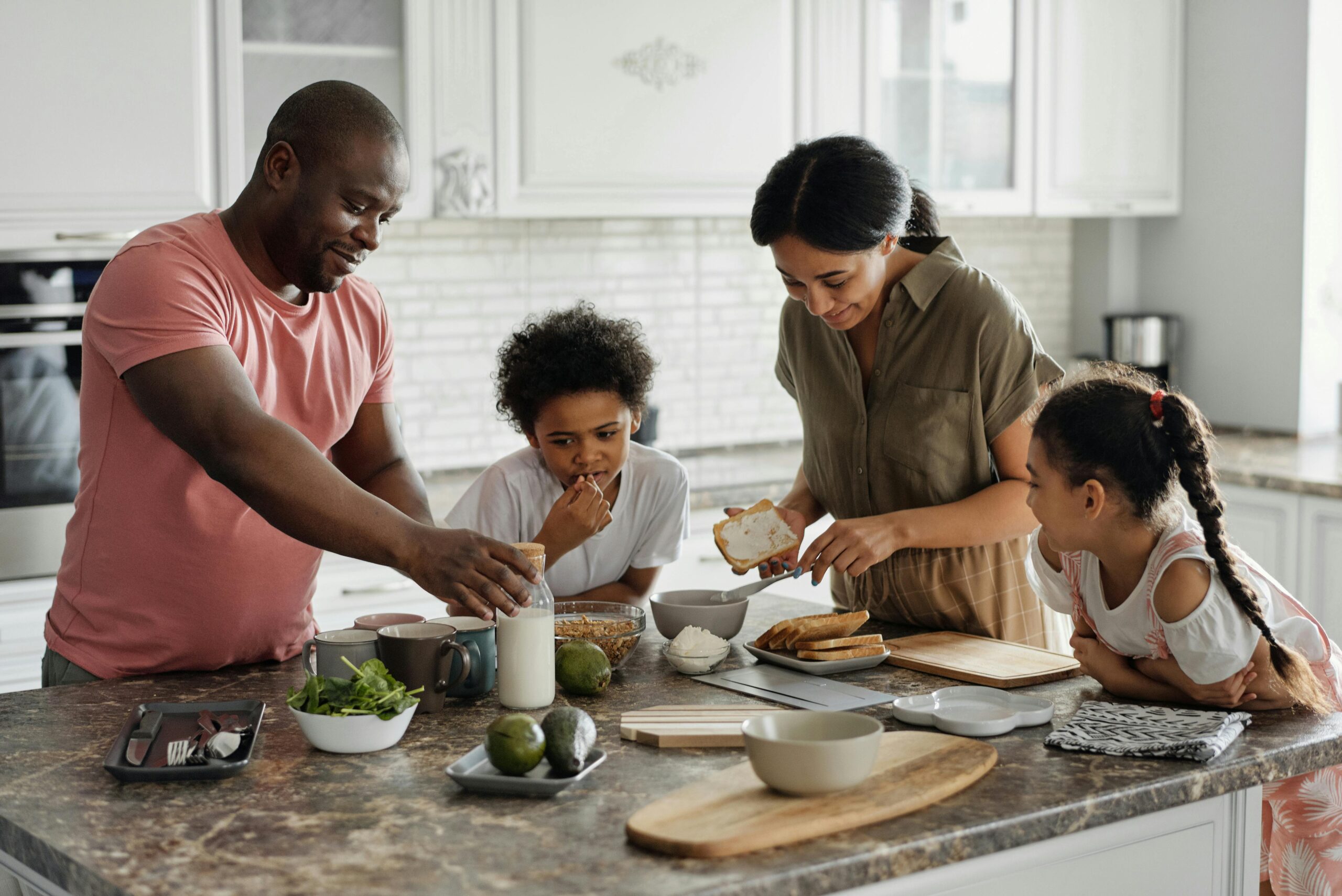
The collaborative nature of these dinners strengthens family bonds through shared experiences and conversations that happen naturally when everyone’s engaged in the same activity. Unlike traditional dinners where food is simply consumed, interactive meals create memories around participation and creativity.
Parents consistently report reduced mealtime stress when adopting customizable dinner approaches. The elimination of battles over what’s being served and whether everyone must eat the same thing creates more peaceful evenings and allows families to actually enjoy time together rather than enduring it.
Build-your-own family meals represent more than convenient dinner solutions. They’re opportunities to teach decision-making, encourage exploration, build confidence, and create joyful family experiences around something that happens every single day. When dinner becomes interactive rather than prescriptive, everyone wins: kids eat more willingly, parents stress less, and families connect more meaningfully. The investment in setup pays dividends in happier, healthier eating patterns that benefit everyone at the table. Start with one customizable dinner this week and watch how this simple shift transforms your family’s relationship with mealtime. 🍽️