When it comes to building muscle, losing weight, or simply maintaining a healthy lifestyle, protein reigns supreme as the most important macronutrient. Not all protein sources are created equal, especially when you’re watching your caloric intake.

Understanding protein density—the amount of protein you get per calorie consumed—can revolutionize your diet. This metric helps you maximize muscle-building nutrients while keeping your calorie budget in check. Whether you’re an athlete, bodybuilder, or someone simply looking to improve their body composition, knowing which foods deliver the most protein bang for your caloric buck is essential.
🎯 Why Protein Per Calorie Matters More Than You Think
Most people focus solely on total protein content without considering the caloric cost. A food might contain 20 grams of protein, but if it also packs 500 calories, you’re getting far less efficiency than a food with 15 grams of protein and only 75 calories. The protein-per-calorie ratio becomes crucial when you’re trying to achieve specific fitness goals.
This approach is particularly valuable for those in a caloric deficit who need to preserve muscle mass while losing fat. High protein-density foods allow you to meet your protein requirements without exceeding your calorie targets, making fat loss significantly more achievable.
🏆 The Ultimate Protein Density Champions
Egg Whites: The Undefeated Champion
Sitting at the very top of the protein density hierarchy, egg whites deliver an impressive 10+ grams of protein per 100 calories. With virtually no fat or carbohydrates, egg whites are pure protein powerhouses. They’re also incredibly versatile, easily incorporated into omelets, protein pancakes, or consumed on their own.
The biological value of egg white protein is exceptionally high, meaning your body can utilize nearly all of it efficiently. This makes them ideal for post-workout nutrition or any meal where you need to maximize protein intake without adding excessive calories.
White Fish Varieties: The Lean Marine Protein
Cod, tilapia, haddock, and halibut all rank extraordinarily high in protein density. These white fish varieties typically provide 8-10 grams of protein per 100 calories. Beyond their impressive protein content, they’re rich in omega-3 fatty acids and essential micronutrients like selenium and vitamin B12.
White fish has a mild flavor that accepts various seasonings beautifully, making it easy to prepare in multiple ways without getting bored. Baking, grilling, or steaming these fish maintains their low-calorie profile while preserving all that valuable protein.
Chicken Breast: The Classic Bodybuilder Staple
There’s a reason chicken breast has been the go-to protein source for fitness enthusiasts for decades. Skinless chicken breast delivers approximately 8-9 grams of protein per 100 calories, making it one of the most efficient protein sources available. It’s also widely available, affordable, and can be prepared in countless ways.
The key to maximizing chicken breast’s protein density is preparation method. Grilling, baking, or air frying without added oils keeps the calorie count low while maintaining the high protein content. Avoid breading or frying in oil, which dramatically reduces the protein-to-calorie ratio.
💪 Premium Protein Sources: Excellent Choices
Turkey Breast: Chicken’s Equally Impressive Cousin
Often overshadowed by chicken, turkey breast matches its poultry cousin with 8-9 grams of protein per 100 calories. Ground turkey breast (not ground turkey, which includes dark meat) offers similar benefits and can be used as a leaner alternative to ground beef in numerous recipes.
Turkey breast also contains tryptophan, an amino acid that aids in serotonin production, potentially helping with mood regulation and sleep quality. This makes it not just a muscle-building food but one that supports overall wellness.
Shrimp and Other Shellfish
Shrimp delivers about 7-8 grams of protein per 100 calories, making it another seafood champion. Despite old concerns about cholesterol, research has shown that dietary cholesterol from shrimp doesn’t significantly impact blood cholesterol levels for most people. Shrimp also cooks quickly, making it perfect for meal prep.
Other shellfish like scallops, lobster, and crab also rank highly in protein density. They’re rich in zinc, which plays a crucial role in testosterone production and immune function—both important for anyone serious about fitness.
Greek Yogurt (Non-Fat): The Probiotic Protein Source
Non-fat Greek yogurt stands out among dairy products, providing approximately 7 grams of protein per 100 calories. Unlike regular yogurt, Greek yogurt is strained to remove excess whey, concentrating the protein content. It also contains beneficial probiotics that support gut health and digestion.
Greek yogurt’s versatility extends beyond breakfast. Use it as a sour cream substitute, in smoothies, as a base for protein-rich dips, or combined with protein powder for an extra protein boost. Always choose plain, unsweetened varieties to avoid hidden sugars that reduce protein density.
🥩 Red Meat and Other Animal Proteins
Bison and Venison: The Lean Red Meat Options
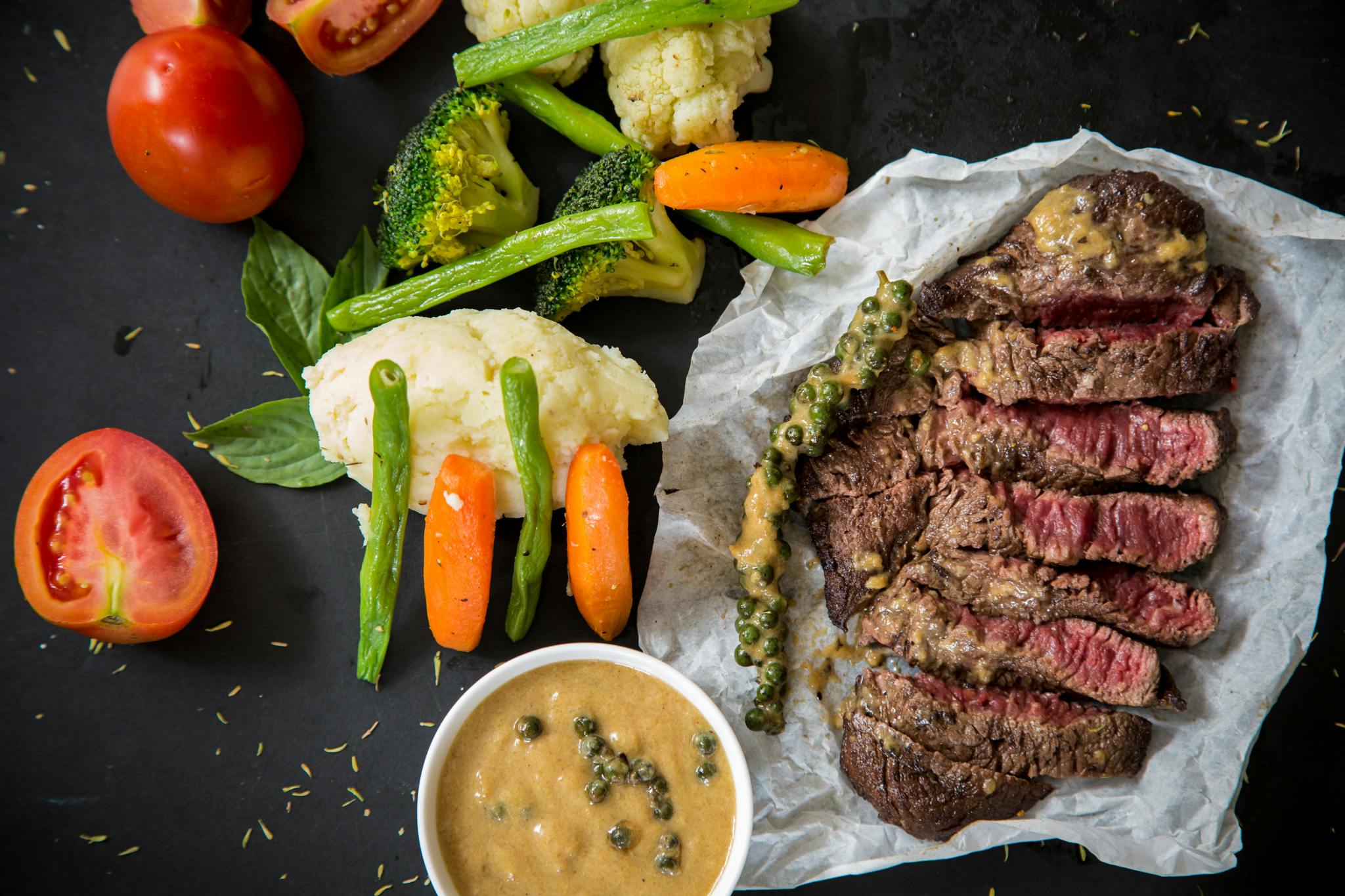
While traditional beef often comes with significant fat content, game meats like bison and venison provide excellent protein density at around 6-7 grams per 100 calories. These meats are naturally leaner than conventional beef because wild and grass-fed animals develop less marbling.
Beyond protein, these meats are rich in iron, zinc, and vitamin B12—nutrients that are harder to obtain from plant sources. The iron in red meat is heme iron, which is absorbed more efficiently by the body than non-heme iron from plant sources.
Extra Lean Ground Beef (95% Lean or Higher)
When selecting beef, the lean percentage makes an enormous difference in protein density. Extra lean ground beef (95% lean or leaner) provides about 6-7 grams of protein per 100 calories, compared to regular ground beef which might only offer 3-4 grams per 100 calories due to fat content.
Beef offers a complete amino acid profile and is particularly high in leucine, the amino acid most responsible for triggering muscle protein synthesis. This makes lean beef an excellent choice for post-workout meals.
🌱 Plant-Based Protein Powerhouses
Seitan: The Wheat Protein Champion
For those who include wheat in their diet, seitan (wheat gluten) is the plant-based protein density king, delivering approximately 6-7 grams of protein per 100 calories. Made from gluten, the main protein in wheat, seitan has a chewy, meat-like texture that makes it popular in vegetarian and vegan cuisine.
Seitan absorbs flavors beautifully and can be prepared to mimic various meat textures. However, it’s unsuitable for anyone with celiac disease or gluten sensitivity, and it’s not a complete protein on its own, so it should be combined with other protein sources throughout the day.
Lentils and Other Legumes
Lentils provide about 4-5 grams of protein per 100 calories, making them the most protein-dense legume. They’re also loaded with fiber, folate, and iron. Unlike many other legumes, lentils cook relatively quickly without requiring pre-soaking, making them convenient for regular meal preparation.
Black beans, chickpeas, and other legumes follow closely behind lentils in protein density. While they contain more carbohydrates than animal proteins, they offer the added benefit of fiber, which promotes satiety and supports digestive health.
Edamame: The Complete Plant Protein
Edamame (young soybeans) stands out in the plant kingdom by providing approximately 4-5 grams of protein per 100 calories while being one of the few plant sources that contains all essential amino acids. This makes it a complete protein, similar to animal sources.
Beyond protein, edamame is rich in antioxidants, vitamins, and minerals. It makes an excellent snack, can be added to salads, or blended into hummus-style dips for a protein boost.
📊 Understanding the Protein Density Spectrum
To put everything in perspective, here’s how different protein sources compare when ranked by protein grams per 100 calories:
| Food | Protein per 100 Calories | Category |
|---|---|---|
| Egg Whites | 10+ grams | Elite Tier |
| Cod, Tilapia | 8-10 grams | Elite Tier |
| Chicken Breast | 8-9 grams | Elite Tier |
| Turkey Breast | 8-9 grams | Elite Tier |
| Shrimp | 7-8 grams | Premium Tier |
| Greek Yogurt (Non-Fat) | 7 grams | Premium Tier |
| Bison, Venison | 6-7 grams | Excellent Tier |
| Seitan | 6-7 grams | Excellent Tier |
| Extra Lean Beef | 6-7 grams | Excellent Tier |
| Lentils | 4-5 grams | Good Tier |
| Edamame | 4-5 grams | Good Tier |
🍳 Practical Strategies for Maximizing Protein Density
Smart Cooking Methods Matter
The way you prepare protein-rich foods significantly impacts their final protein density. Grilling, baking, steaming, and air frying maintain the protein-to-calorie ratio by avoiding added fats. When you pan-fry chicken in butter or oil, you’re dramatically increasing calories without adding protein.
Season with herbs, spices, vinegars, and citrus instead of oil-based marinades. These flavor enhancers add negligible calories while making your protein sources more enjoyable and sustainable to eat regularly.
Trim Visible Fat
For meat and poultry, removing visible fat before cooking preserves protein density. That white strip along a chicken breast or the marbling in beef contains no protein—it’s pure fat at nine calories per gram. A few minutes of trimming can significantly improve the protein-to-calorie ratio.
Choose the Right Cuts and Preparations
Within each protein category, specific cuts offer better protein density. For chicken, breast beats thighs. For beef, sirloin beats ribeye. For pork, tenderloin beats shoulder. Learning these distinctions helps you make better choices at the grocery store.
🎯 Building Your Protein-Dense Meal Plan
The 30-Gram Protein Meal Challenge
A practical goal is to include 30 grams of protein in each major meal. Using high protein-density foods makes this achievable without excessive calories. For example, 150 grams of chicken breast provides about 30 grams of protein for approximately 165 calories, leaving plenty of room for vegetables, carbohydrates, and healthy fats within a balanced meal.
Compare this to getting 30 grams of protein from lower-density sources like nuts, which would require about 600 calories. Both have their place in a healthy diet, but understanding these differences allows for better planning.
The Protein-First Approach
Structure your meals by selecting your protein source first, then building the rest of the meal around it. This strategy ensures you meet your protein requirements while having flexibility with other macronutrients. Starting with elite-tier protein sources gives you the most caloric flexibility for the rest of your meal.
💡 Special Considerations for Different Goals
For Fat Loss: Lean Into Elite-Tier Proteins
When operating in a caloric deficit, prioritizing foods from the elite tier becomes crucial. These foods allow you to maintain high protein intake—essential for preserving muscle mass during weight loss—while keeping calories low enough to create the deficit needed for fat loss.
Aim for at least 80% of your protein coming from sources that provide 7+ grams per 100 calories. This approach maximizes satiety, preserves muscle, and makes your caloric deficit more sustainable.
For Muscle Gain: Quality Still Matters
Even in a caloric surplus designed for muscle building, protein density remains relevant. While you have more caloric flexibility, choosing efficient protein sources allows room for carbohydrates that fuel workouts and healthy fats that support hormone production.
A balanced approach using both elite-tier and excellent-tier proteins provides adequate protein while leaving sufficient calories for other macronutrients that support training performance and recovery.
For Vegetarians and Vegans: Combining Strategies
Plant-based eaters can achieve excellent protein intake by combining different sources strategically. While individual plant proteins may rank lower in density than animal sources, combining legumes with grains creates complete proteins. Emphasizing seitan, lentils, and edamame provides the best protein density within plant-based options.
Consider supplementing with plant-based protein powders from pea, rice, or hemp to boost overall protein intake efficiently, especially around workouts when protein needs peak.
🔬 The Science Behind Protein Density and Body Composition
Research consistently demonstrates that higher protein diets support better body composition outcomes. A meta-analysis published in nutrition journals showed that protein intakes of 1.6-2.2 grams per kilogram of body weight optimized muscle retention during caloric restriction and supported muscle growth during resistance training.
The thermic effect of protein—the energy required to digest and process it—means that approximately 25-30% of protein calories are burned during digestion itself. This makes high-protein diets naturally more metabolically favorable than equivalent-calorie diets lower in protein.
Protein also promotes satiety more effectively than carbohydrates or fats. Meals centered around high protein-density foods keep you fuller longer, reducing the likelihood of overeating and making caloric control substantially easier.
⚡ Quick Reference for Smart Shopping
When navigating the grocery store with protein density in mind, keep these guidelines handy:
- Choose lean poultry without skin over dark meat with skin
- Select white fish varieties over fatty fish when maximizing protein density (though fatty fish offers other nutritional benefits)
- Buy the highest lean percentage available for ground meats
- Choose Greek yogurt over regular yogurt, and non-fat over full-fat when protein density is the priority
- Look for “loin” or “round” in beef cuts, which typically indicate leaner options
- Select liquid egg whites or separate eggs yourself to avoid the fat in yolks
- Among plant proteins, prioritize lentils, edamame, and seitan
- Read nutrition labels comparing protein grams to calories to quickly assess protein density
🎪 Making High Protein-Density Eating Sustainable
The most perfectly optimized diet fails if you can’t stick with it. Sustainability requires variety, flavor, and flexibility. Rotate through different elite-tier protein sources throughout the week to prevent boredom. Experiment with various seasonings, cooking methods, and cultural cuisines to keep meals interesting.
Remember that occasional meals featuring lower protein-density sources are perfectly fine and even beneficial for dietary adherence and social enjoyment. The goal isn’t perfection at every meal but rather a consistent pattern over time that supports your objectives.
🚀 Taking Action on Your Protein Journey
Understanding protein density transforms how you approach nutrition. Armed with this knowledge, you can make informed decisions that align your eating habits with your fitness goals more effectively than ever before. Start by identifying three protein sources from the elite tier that you enjoy and could eat regularly. Build your meal planning around these foundations.
Track your protein intake for a week to establish your current baseline, then gradually optimize by replacing lower-density sources with higher-density alternatives. Small, consistent improvements compound over time into significant results. Your body composition, energy levels, and overall health will reflect the quality of your protein choices.
The power-packed proteins ranked here give you a clear roadmap. Whether you’re looking to build muscle, lose fat, or simply eat healthier, prioritizing foods that deliver maximum protein per calorie creates a nutritional advantage that makes achieving your goals significantly easier and more sustainable.