Meeting daily protein needs as a vegetarian doesn’t have to be complicated or boring. With the right knowledge and creative approaches, plant-based eaters can easily fuel their bodies with delicious, protein-rich foods that support strength, vitality, and overall wellness.

Whether you’re a lifelong vegetarian or just beginning to explore plant-based eating, understanding how to power up your plate with nutrient-dense protein sources is essential for maintaining energy levels, building muscle, and supporting immune function. The good news? Vegetarian protein options are more diverse, accessible, and tasty than ever before.
🌱 Understanding Protein Needs for Vegetarians
Protein serves as the building block for muscles, bones, skin, and virtually every tissue in your body. While many people worry that vegetarians might struggle to meet their protein requirements, research shows that well-planned plant-based diets can easily provide adequate protein for people of all ages and activity levels.
The recommended daily protein intake varies based on factors like age, gender, activity level, and health goals. Generally, adults need approximately 0.8 grams of protein per kilogram of body weight. Athletes and highly active individuals may require 1.2 to 2.0 grams per kilogram to support muscle recovery and growth.
One key consideration for vegetarians is that most plant proteins are incomplete, meaning they don’t contain all nine essential amino acids in optimal ratios. However, by eating a variety of protein sources throughout the day, your body can combine these amino acids effectively to meet your nutritional needs.
Legumes: The Protein Powerhouses of Plant-Based Eating 💪
Legumes stand as the cornerstone of vegetarian protein consumption, offering impressive nutritional profiles alongside their protein content. These versatile foods include beans, lentils, chickpeas, and peas, each bringing unique flavors and textures to your meals.
Lentils: Quick-Cooking Nutritional Champions
Lentils deserve special recognition for their exceptional protein content and convenience. A single cup of cooked lentils provides approximately 18 grams of protein, along with substantial amounts of fiber, iron, and folate. Unlike many beans, lentils cook relatively quickly without requiring pre-soaking, making them perfect for weeknight dinners.
Red lentils break down during cooking, creating creamy soups and dahls. Green and brown lentils maintain their shape better, working wonderfully in salads, grain bowls, and as meat substitutes in dishes like lentil tacos or bolognese sauce.
Chickpeas: Versatility Meets Nutrition
Chickpeas, also known as garbanzo beans, contain about 15 grams of protein per cooked cup. Their mild, nutty flavor and firm texture make them incredibly adaptable. Roast them for crunchy snacks, blend them into hummus, toss them in salads, or simmer them in curries and stews.
The aquafaba (liquid from canned chickpeas) has gained popularity as an egg white substitute in vegan baking and cooking, demonstrating just how multifunctional this humble legume can be.
Black Beans, Kidney Beans, and Beyond
The bean family offers incredible variety, with each type bringing distinct characteristics. Black beans shine in Latin American cuisine, kidney beans anchor hearty chilis, and white beans create silky Italian soups. Most beans provide 13-15 grams of protein per cooked cup, along with resistant starch that supports digestive health.
Soy Foods: Complete Protein with Incredible Versatility 🥢
Soy stands out among plant proteins because it contains all nine essential amino acids in sufficient quantities, making it a complete protein comparable to animal sources. This nutritional completeness, combined with remarkable culinary flexibility, makes soy products invaluable for vegetarians.
Tofu: The Blank Canvas of Plant-Based Cooking
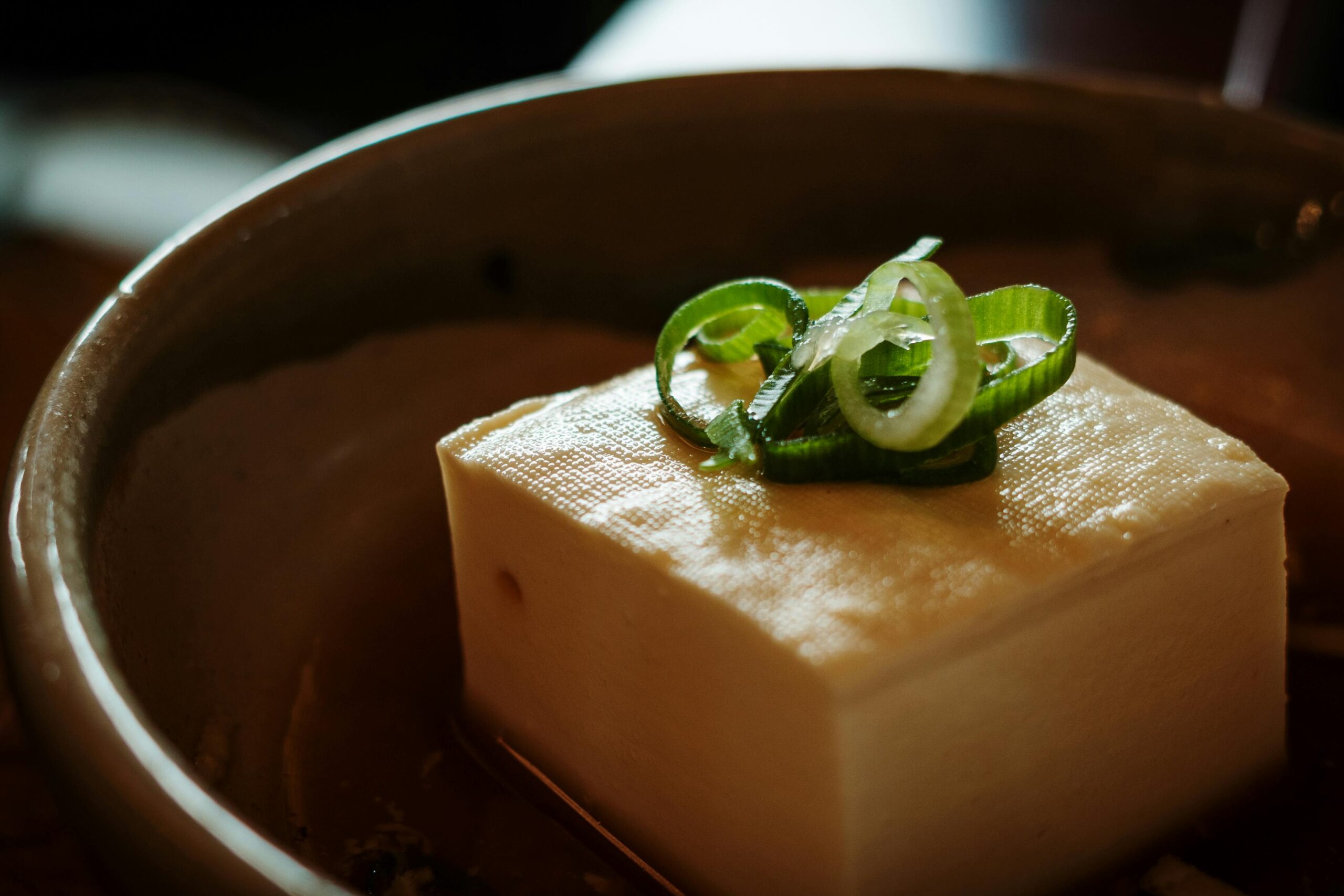
Tofu, made from condensed soy milk, absorbs flavors beautifully while providing approximately 10 grams of protein per half-cup serving. Firm and extra-firm varieties work excellently for stir-fries, grilling, and baking, while silken tofu blends smoothly into smoothies, desserts, and creamy sauces.
The key to delicious tofu lies in proper preparation. Pressing out excess moisture before cooking allows better texture and flavor absorption. Marinating, proper seasoning, and achieving the right cooking temperature transforms bland tofu into a crispy, golden, flavor-packed protein source.
Tempeh: Fermented Goodness with Robust Flavor
Tempeh offers a firmer texture and nuttier taste than tofu, with about 15 grams of protein per half-cup. Made from fermented soybeans, tempeh contains probiotics that support gut health. Its substantial texture makes it excellent for grilling, crumbling into dishes as a ground meat substitute, or slicing into sandwiches.
Edamame: Simple, Satisfying, and Nutritious
These young soybeans provide about 17 grams of protein per cup and make perfect snacks or salad additions. Simply steam or boil them in their pods, sprinkle with sea salt, and enjoy a protein-rich appetizer that’s as fun to eat as it is nutritious.
Whole Grains: More Than Just Carbohydrates 🌾
While grains are often celebrated for their carbohydrate content, many varieties contribute significant protein to vegetarian diets. Incorporating diverse whole grains ensures you’re getting complementary amino acids alongside fiber, vitamins, and minerals.
Quinoa: The Ancient Grain with Modern Appeal
Quinoa technically qualifies as a pseudocereal, and like soy, it provides complete protein with all essential amino acids. One cup of cooked quinoa delivers 8 grams of protein along with magnesium, iron, and fiber. Its light, fluffy texture and mild taste make it suitable for breakfast porridges, lunch bowls, or dinner sides.
Other Protein-Rich Grains Worth Exploring
Amaranth, another complete protein grain, contains about 9 grams of protein per cup when cooked. Farro, an ancient wheat variety, provides 8 grams per cup with a pleasantly chewy texture. Even familiar grains like bulgur wheat, brown rice, and oats contribute 5-6 grams of protein per cooked cup, adding up significantly throughout your day.
Nuts and Seeds: Small But Mighty Protein Sources 🥜
Nuts and seeds pack impressive amounts of protein into small servings, along with healthy fats, vitamins, and minerals. They serve as convenient snacks, recipe ingredients, or toppings that boost both nutrition and flavor.
Almonds, Cashews, and Walnuts
Most nuts provide 5-7 grams of protein per quarter-cup serving. Almonds lead the pack with about 7 grams, while also offering vitamin E and calcium. Cashews bring a creamy quality when blended, making them excellent for dairy-free sauces and cheeses. Walnuts contribute omega-3 fatty acids alongside their protein content.
Seeds: Tiny Nutritional Powerhouses
Hemp seeds stand out with 10 grams of complete protein per 3 tablespoons, plus ideal ratios of omega fatty acids. Pumpkin seeds provide 9 grams per quarter-cup along with zinc and magnesium. Chia and flax seeds offer protein plus fiber and healthy fats that support heart health.
Nut and Seed Butters
Spreading almond butter on toast or adding tahini (sesame seed butter) to dressings increases your protein intake while adding rich flavors. Most nut butters provide 7-8 grams of protein per 2-tablespoon serving. Choose natural varieties without added sugars or hydrogenated oils for maximum nutritional benefits.
Dairy and Eggs: Vegetarian Protein Staples 🥚
For lacto-ovo vegetarians who include dairy and eggs, these foods provide excellent complete protein sources with high bioavailability, meaning your body efficiently absorbs and uses the protein they contain.
Greek Yogurt and Cottage Cheese
Greek yogurt stands out among dairy products with approximately 15-20 grams of protein per cup, depending on the brand. Its thick, creamy texture works beautifully in both sweet and savory applications. Cottage cheese offers similar protein levels and pairs wonderfully with fruits, vegetables, or whole grain crackers.
Eggs: Nature’s Perfect Protein Package
One large egg contains about 6 grams of high-quality protein along with essential nutrients like choline, selenium, and B vitamins. Eggs’ versatility knows no bounds—scrambled for breakfast, hard-boiled for snacks, or incorporated into countless recipes throughout the day.
Cheese and Milk
Most cheeses provide 6-7 grams of protein per ounce, with harder aged varieties like parmesan containing even more. A cup of milk offers 8 grams of protein. While these foods contribute valuable protein, they also contain saturated fat, so consuming them as part of a balanced diet works best.
🍽️ Building Protein-Packed Vegetarian Meals
Understanding individual protein sources is valuable, but knowing how to combine them into satisfying, delicious meals makes all the difference in maintaining a healthy vegetarian diet. Strategic meal planning ensures you meet your protein needs while enjoying diverse, flavorful foods.
The Power of Protein Pairing
Combining complementary proteins—foods that together provide all essential amino acids—was once considered necessary at every meal. Current nutrition science shows that eating varied protein sources throughout the day achieves the same result. However, traditional combinations like rice and beans, hummus and pita, or peanut butter and whole grain bread remain delicious and nutritious choices.
Breakfast Ideas That Start Your Day Strong
Begin your morning with protein-rich options that sustain energy levels. Greek yogurt parfaits layered with nuts, seeds, and fruit provide 20+ grams of protein. Tofu scrambles seasoned with turmeric, nutritional yeast, and vegetables rival traditional eggs. Overnight oats prepared with protein powder, chia seeds, and nut butter deliver sustained energy throughout your morning.
Lunch Combinations That Satisfy
Build lunch bowls featuring quinoa or farro as the base, topped with roasted chickpeas, steamed edamame, mixed vegetables, and tahini dressing. Hearty lentil soups paired with whole grain bread create filling midday meals. Buddha bowls combining multiple protein sources alongside colorful vegetables offer both nutrition and visual appeal.
Dinner Plates Packed with Plant Power
Transform traditional meals into vegetarian protein powerhouses. Swap ground beef for seasoned lentils or crumbled tempeh in tacos and pasta sauces. Create stir-fries featuring marinated tofu, cashews, and edamame over brown rice. Prepare bean-based veggie burgers that satisfy even the heartiest appetites.
Protein Supplements and Convenience Options 💊
While whole foods should form the foundation of any healthy diet, protein supplements and convenience products can help vegetarians meet their needs, especially for athletes or those with increased requirements.
Plant-Based Protein Powders
Protein powders derived from peas, brown rice, hemp, or blended plant sources offer convenient options for smoothies and recipes. Quality products provide 15-25 grams of protein per serving. Look for varieties with minimal added sugars and recognizable ingredients. Blended plant proteins often provide more complete amino acid profiles than single-source powders.
Meat Alternatives and Convenience Products
The market for vegetarian convenience products has exploded, offering everything from plant-based burgers to meatless crumbles. While these products can certainly fit into a healthy diet, checking nutrition labels is important, as some contain high amounts of sodium and processing. Use them strategically alongside whole food protein sources.
Tracking and Optimizing Your Protein Intake 📱
For those wanting to ensure they’re meeting protein goals, tracking your intake can provide valuable insights. Several nutrition tracking apps make this process simple and educational, helping you identify patterns and adjust your eating habits accordingly.
These tools allow you to log meals, see protein breakdowns, and understand how different foods contribute to your daily totals. Over time, you’ll develop an intuitive sense of portion sizes and protein content, making tracking unnecessary for many people.
Overcoming Common Vegetarian Protein Challenges 🎯
Even with abundant options available, some vegetarians face obstacles in meeting their protein needs. Recognizing and addressing these challenges helps ensure long-term success with plant-based eating.
Managing Digestive Concerns with Legumes
Some people experience digestive discomfort when increasing legume consumption. Gradually introducing these foods allows your gut microbiome to adapt. Soaking dried beans, using pressure cookers, or choosing easier-to-digest options like lentils and split peas can reduce issues. Adding digestive spices like ginger, cumin, and fennel to bean dishes also helps.
Addressing Higher Volume Requirements
Plant proteins often come with more fiber and volume than animal proteins, which can feel filling before meeting protein targets. Choosing concentrated protein sources like nuts, seeds, tofu, tempeh, and protein powders alongside higher-volume options helps balance satiety with nutrition goals.
Ensuring Adequate Intake During High Activity
Athletes and highly active vegetarians may need to be more intentional about protein timing and quantity. Distributing protein evenly across meals, including protein-rich snacks, and possibly using supplements ensures adequate intake to support training and recovery.
The Bigger Picture: Thriving as a Vegetarian 🌟
While protein deserves attention in vegetarian nutrition, remember it’s just one piece of the wellness puzzle. A thriving plant-based diet includes adequate calories, diverse nutrients, healthy fats, and plenty of colorful fruits and vegetables alongside those important protein sources.
Iron, vitamin B12, omega-3 fatty acids, zinc, and calcium deserve consideration in vegetarian diets. Many protein-rich plant foods naturally contain these nutrients, but some, particularly B12, may require supplementation or fortified foods. Regular check-ups with healthcare providers ensure you’re meeting all nutritional needs.
The beauty of vegetarian eating lies not just in its health benefits but in its sustainability, ethical considerations, and culinary diversity. Exploring global cuisines reveals that cultures worldwide have created delicious plant-based dishes that naturally emphasize protein-rich ingredients—from Indian dal to Middle Eastern falafel, from Mexican bean dishes to Asian tofu preparations.
Powering up your plate with protein as a vegetarian isn’t about restriction or difficulty—it’s about abundance, creativity, and nourishment. With knowledge of diverse protein sources and strategies for incorporating them into daily meals, vegetarians can easily meet their nutritional needs while enjoying delicious, satisfying food that supports strength, health, and vitality for years to come.