Transitioning to or thriving on a plant-based diet doesn’t mean sacrificing protein. With the right knowledge and food choices, vegans can easily meet their protein needs while enjoying delicious, nutrient-dense meals that support optimal health and athletic performance.

The world of plant-based protein extends far beyond tofu and beans. Today’s vegan eaters have access to an incredible variety of protein-rich foods that fuel workouts, support muscle recovery, promote satiety, and deliver essential amino acids your body needs to function at its best. Understanding which foods pack the most protein punch empowers you to create balanced, satisfying meals that keep you energized throughout your day.
🌱 Understanding Protein Needs on a Plant-Based Diet
Before diving into specific foods, it’s important to understand how much protein you actually need. The recommended daily allowance suggests approximately 0.8 grams of protein per kilogram of body weight for sedentary adults. However, active individuals, athletes, and those building muscle may need between 1.2 to 2.0 grams per kilogram.
Plant proteins are sometimes considered “incomplete” because individual plant foods may not contain all nine essential amino acids in optimal ratios. However, this concern is largely outdated. By eating a variety of plant-based protein sources throughout the day, your body can easily obtain all the amino acids it requires without needing to combine specific foods at every meal.
The key to thriving on a vegan diet lies in diversity. Incorporating multiple protein sources ensures you’re not only meeting your quantitative protein needs but also benefiting from the unique nutritional profiles each food offers, including fiber, vitamins, minerals, and phytonutrients rarely found in animal products.
Legumes: The Protein Powerhouses of Plant-Based Eating 💪
Legumes represent the foundation of protein intake for many successful vegans worldwide. This category includes beans, lentils, peas, and peanuts—all delivering impressive protein content alongside fiber and complex carbohydrates.
Lentils: Quick-Cooking Protein Champions
Lentils deserve special recognition for their versatility and protein density. One cup of cooked lentils provides approximately 18 grams of protein along with nearly 16 grams of fiber. They come in various colors—red, green, brown, and black—each offering slightly different textures and cooking times.
Red lentils cook in just 15-20 minutes and break down into a creamy consistency, making them perfect for curries and soups. Green and brown lentils hold their shape better, ideal for salads and grain bowls. The quick preparation time makes lentils an excellent option for busy individuals seeking convenient protein sources.
Chickpeas: The Mediterranean Staple
Chickpeas, also known as garbanzo beans, contain about 15 grams of protein per cooked cup. Beyond traditional hummus, chickpeas shine in countless preparations: roasted for crunchy snacks, mashed for vegan “tuna” salad, blended into creamy pasta sauces, or featured in hearty stews.
The aquafaba (chickpea cooking liquid) has revolutionized vegan baking and cooking as an egg white replacement, demonstrating the remarkable versatility of this legume.
Black Beans, Kidney Beans, and Beyond
The entire bean family offers substantial protein ranging from 13-15 grams per cooked cup. Black beans work beautifully in Latin American dishes, kidney beans add heartiness to chilis and stews, and navy beans create satisfying comfort foods. Keeping several varieties in your pantry ensures you’ll never run short of protein options.
Soy Foods: Complete Protein Perfection 🥢
Soy stands unique among plant proteins as one of the few complete protein sources, containing all essential amino acids in proportions similar to animal proteins. Despite persistent myths, research consistently supports soy consumption as safe and beneficial for most people.
Tofu: The Versatile Protein Chameleon
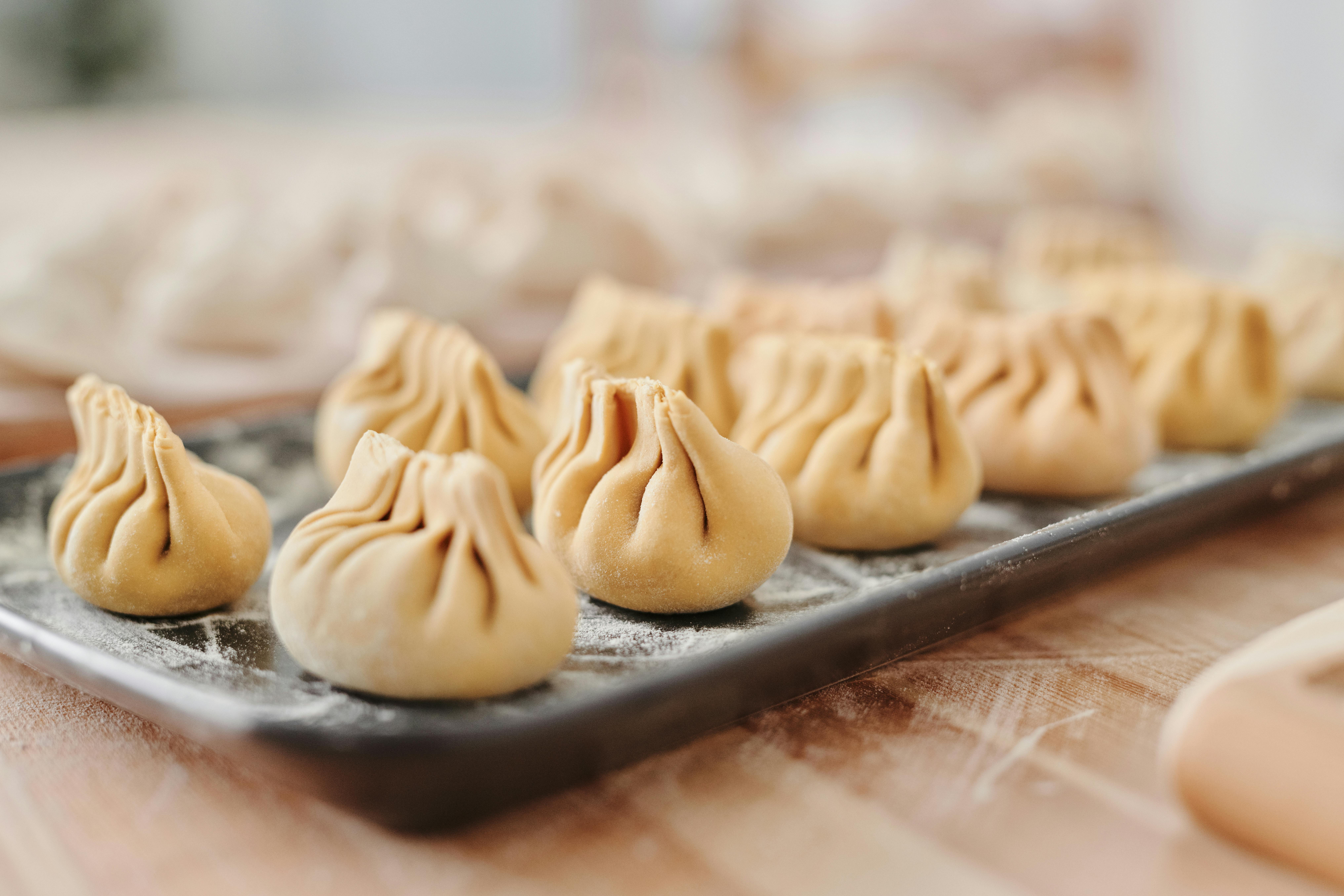
Tofu provides approximately 10 grams of protein per half-cup serving. Its neutral flavor and variable textures—from silken to extra-firm—make it adaptable to virtually any cuisine. Silken tofu blends smoothly into desserts, smoothies, and creamy sauces, while firm varieties work perfectly for stir-fries, grilling, and baking.
The key to delicious tofu lies in proper preparation: pressing out excess moisture, marinating for flavor absorption, and using high-heat cooking methods to achieve desirable textures.
Tempeh: Fermented Protein with Personality
Tempeh offers roughly 20 grams of protein per cup, making it one of the most protein-dense plant foods available. This fermented soybean cake has a firm texture and nutty, slightly earthy flavor. The fermentation process increases digestibility and creates beneficial probiotics.
Tempeh excels when sliced thin and pan-fried until crispy, crumbled into pasta sauces or tacos, or marinated and grilled for sandwiches. Its substantial texture makes it particularly satisfying for those transitioning from meat-based diets.
Edamame: The Perfect Protein Snack
These young soybeans deliver about 17 grams of protein per cup while requiring minimal preparation. Simply steam or boil for a few minutes, sprinkle with sea salt, and enjoy as a snack or salad topping. Edamame’s convenience and complete amino acid profile make it an excellent addition to any vegan meal plan.
Seitan: The Wheat Meat Wonder ✨
Seitan, made from vital wheat gluten, contains an impressive 25 grams of protein per 3.5-ounce serving—more protein per serving than most animal products. Its meaty, chewy texture makes it popular among vegans seeking substantial, satisfying protein sources.
You can purchase pre-made seitan or create your own at home by mixing vital wheat gluten with water and seasonings, then simmering, baking, or steaming. Homemade seitan allows complete control over flavoring and texture.
Important note: seitan contains gluten and is unsuitable for people with celiac disease or gluten sensitivity. However, for those who tolerate wheat, it represents one of the highest-protein plant foods available.
Nuts and Seeds: Compact Protein Packages 🌰
While nuts and seeds are celebrated for healthy fats, they also contribute meaningful protein to your diet. These concentrated foods provide protein alongside vitamins, minerals, and beneficial fatty acids.
Hemp Seeds: Complete Protein Superstars
Hemp seeds (or hearts) deliver approximately 10 grams of complete protein per three tablespoons. They have a mild, nutty flavor and soft texture, requiring no preparation. Sprinkle them on oatmeal, blend into smoothies, or stir into yogurt for an effortless protein boost.
Pumpkin Seeds: Zinc-Rich Protein Sources
Also called pepitas, pumpkin seeds provide about 9 grams of protein per quarter cup along with substantial zinc, magnesium, and iron. Enjoy them raw, roasted as crunchy snacks, or blended into pesto and sauces.
Nut Butters: Spreadable Protein Convenience
Peanut butter, almond butter, and other nut butters typically contain 7-8 grams of protein per two-tablespoon serving. Choose natural versions without added sugars or oils for maximum nutritional benefits. Nut butters work wonderfully in smoothies, on toast, in sauces, or straight from the spoon.
Whole Grains: Surprising Protein Contributors 🌾
While grains are primarily carbohydrate sources, many contain respectable protein amounts that contribute meaningfully to daily intake when consumed regularly.
Quinoa: The Ancient Grain Phenomenon
Quinoa provides about 8 grams of complete protein per cooked cup, making it exceptional among grains. This pseudo-cereal cooks quickly and works beautifully in breakfast porridges, lunch salads, or dinner sides. Its fluffy texture and subtle nutty flavor complement numerous cuisines.
Oats: Breakfast Protein Champions
Steel-cut, rolled, or instant oats deliver roughly 6 grams of protein per half-cup dry serving. Starting your day with oatmeal provides sustained energy while contributing to your protein goals. Top with nuts, seeds, and plant-based milk for a protein-packed breakfast.
Amaranth, Teff, and Spelt
These lesser-known grains offer between 6-9 grams of protein per cooked cup. Exploring diverse grains keeps meals interesting while diversifying your amino acid intake and benefiting from unique micronutrient profiles each grain offers.
Plant-Based Protein Powders: Convenience Meets Nutrition 🥤
Protein powders aren’t essential for most vegans eating varied diets, but they offer convenience for athletes, busy professionals, or anyone struggling to meet higher protein requirements through whole foods alone.
Pea protein isolate typically contains 20-25 grams per scoop and digests easily for most people. Brown rice protein, hemp protein, and blended plant proteins offer alternatives with varying amino acid profiles. Many brands now combine multiple protein sources to create complete amino acid profiles in single products.
When selecting protein powders, look for minimal ingredients, third-party testing for purity, and flavors you genuinely enjoy. Remember that whole foods should remain your primary protein sources, with powders serving as supplemental convenience options.
Vegetables: Don’t Underestimate These Protein Contributors 🥦
While vegetables aren’t primary protein sources, some provide meaningful amounts that accumulate throughout the day, especially when consumed in generous portions.
Broccoli contains about 4 grams of protein per cooked cup. Spinach provides 5 grams per cooked cup. Brussels sprouts, asparagus, artichokes, and peas all contribute 3-5 grams per serving. When you consume multiple servings of vegetables daily—as all plant-based eaters should—these amounts add up significantly.
Beyond protein, vegetables deliver crucial micronutrients, antioxidants, and fiber that support overall health, making them indispensable components of any thriving vegan diet.
Creating Balanced High-Protein Vegan Meals 🍽️
Understanding individual protein sources is just the beginning. The real magic happens when you combine these foods into balanced, delicious meals that satisfy both nutritional needs and taste preferences.
A protein-rich breakfast might include oatmeal topped with hemp seeds, almond butter, and berries. Lunch could feature a quinoa bowl with chickpeas, roasted vegetables, tahini dressing, and pumpkin seeds. Dinner might showcase marinated tempeh stir-fry with edamame, served over brown rice with a side of steamed broccoli.
Snacks like hummus with vegetables, roasted chickpeas, or protein smoothies ensure you’re meeting protein targets between meals without feeling overly full or relying on processed foods.
Meal Planning Strategies for Protein Success 📋
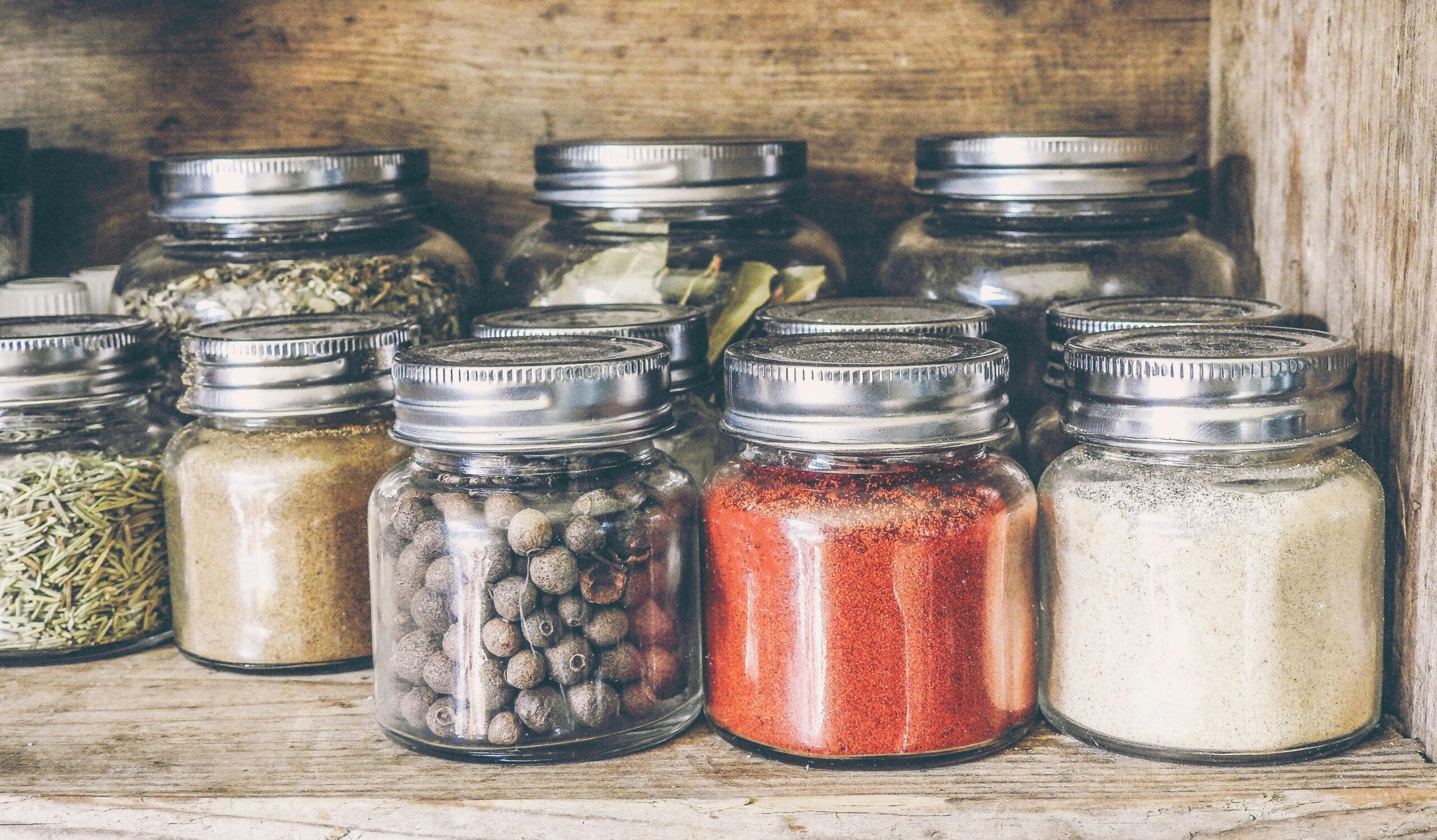
Consistent protein intake requires some planning, especially when first transitioning to plant-based eating. Batch cooking legumes, preparing tofu or tempeh in advance, and keeping protein-rich snacks readily available sets you up for success.
Consider dedicating a few hours weekly to meal prep: cook large batches of beans and grains, marinate tofu or tempeh, prepare protein-rich snacks like energy balls or roasted chickpeas, and chop vegetables. This investment saves time during busy weekdays while ensuring nutritious options are always available.
Tracking your intake for a few days using nutrition apps can provide valuable insights into whether you’re meeting protein goals and where adjustments might be beneficial. This awareness helps you fine-tune portion sizes and food combinations without obsessive long-term tracking.
Addressing Common Protein Concerns for Vegans 💭
Many people worry about protein quality and quantity on plant-based diets, but research consistently demonstrates that vegans consuming adequate calories from varied sources easily meet protein requirements.
The concept of “protein combining”—eating specific food combinations at every meal to create complete proteins—has been debunked. Your body maintains an amino acid pool, drawing from various foods consumed throughout the day. Focus on variety over meticulous combining.
Athletes and bodybuilders thrive on plant-based diets by simply consuming slightly higher quantities of protein-rich plant foods. Numerous professional athletes, Olympic competitors, and bodybuilders prove that plant protein supports peak performance and muscle building when consumed adequately.
Beyond Protein: The Bigger Nutritional Picture 🌈
While protein deserves attention, thriving on a vegan diet requires considering overall nutritional balance. Ensure adequate intake of vitamin B12 (through fortified foods or supplements), vitamin D, omega-3 fatty acids, iron, calcium, zinc, and iodine.
The beauty of focusing on whole food protein sources is that they naturally deliver many of these nutrients. Legumes provide iron and zinc, leafy greens offer calcium, nuts and seeds contain omega-3 precursors, and fortified plant milks supply B12 and vitamin D.
A well-planned vegan diet built around diverse protein-rich whole foods, supplemented appropriately, supports excellent health throughout all life stages—from pregnancy through athletic training to healthy aging.
Embracing Your Plant-Powered Journey 🚀
Building a protein-rich vegan plate is both simpler and more delicious than many people expect. With legumes, soy foods, seitan, nuts, seeds, whole grains, and vegetables all contributing to your protein intake, you have endless options for creating satisfying, nutritious meals that fuel your body optimally.
The journey to thriving on a plant-based diet isn’t about deprivation or complicated calculations—it’s about discovering the abundance of delicious, protein-packed foods that support your health, values, and lifestyle. Start by incorporating a few new protein sources each week, experiment with different preparations, and pay attention to how energized and satisfied you feel.
Your plant-powered plate has the potential to deliver all the protein your body needs while offering benefits that extend far beyond nutrition: environmental sustainability, animal welfare, and the joy of discovering new foods and flavors. With the right knowledge and a spirit of culinary adventure, you’ll not just survive but genuinely thrive on a protein-rich vegan diet that powers your body and delights your taste buds every single day.