Getting kids excited about healthy eating doesn’t have to be a daily battle. With the right approach, nutrition becomes an adventure that children genuinely look forward to exploring with you.

Every parent knows the struggle of convincing children to eat their vegetables or try new foods. The secret lies not in forcing healthy choices, but in making nutritious eating so engaging and fun that kids naturally gravitate toward better options. This comprehensive guide will transform your family’s relationship with food, turning mealtimes into opportunities for connection, creativity, and building lifelong healthy habits.
🌈 Understanding Kid-Friendly Nutrition Basics
Before diving into creative strategies, it’s essential to understand what children’s bodies actually need. Kids require a balanced mix of macronutrients and micronutrients to support their rapid growth, brain development, and boundless energy levels.
Children need more calories per pound of body weight than adults because they’re constantly growing. Their nutritional requirements change as they age, but the foundation remains consistent: plenty of fruits and vegetables, whole grains, lean proteins, healthy fats, and calcium-rich foods for strong bones.
The Rainbow Plate Principle
Teaching kids to “eat the rainbow” transforms nutrition education into a colorful game. Each color represents different vitamins, minerals, and phytonutrients that serve unique purposes in their developing bodies.
Red foods like tomatoes and strawberries contain lycopene and vitamin C. Orange and yellow options like carrots and sweet potatoes provide beta-carotene for healthy vision. Green vegetables offer iron, calcium, and folate. Blue and purple foods like blueberries deliver powerful antioxidants. White and brown foods including whole grains and cauliflower provide essential fiber and nutrients.
🎨 Making Healthy Food Visually Appealing
Children eat with their eyes first. The presentation of food significantly impacts whether they’ll even take that first bite. Creative plating turns ordinary meals into extraordinary experiences that children remember and request again.
Transform sandwiches into fun shapes using cookie cutters. Arrange fruit slices into smiley faces or animals. Create veggie rainbows on their plates. Use small portions in colorful divided plates that make trying multiple foods less overwhelming and more exciting.
Food Art That Educates
Food art isn’t just about aesthetics—it’s an educational opportunity. While creating a vegetable garden scene on their plate, discuss where different foods come from. Build a fruit caterpillar while counting segments together. Construct a whole grain train while talking about energy and how our bodies use food as fuel.
These interactive moments create positive associations with healthy foods while sneaking in valuable lessons about nutrition, counting, colors, and even geography when discussing where different foods originate.
🍳 Involving Kids in Meal Preparation
Children who participate in cooking are significantly more likely to eat the foods they’ve helped prepare. The kitchen becomes a laboratory for learning, and they develop a sense of ownership and pride in their culinary creations.
Age-appropriate tasks keep kids engaged without compromising safety. Toddlers can wash produce, tear lettuce, and stir ingredients. Preschoolers can measure, pour, and arrange foods on plates. School-age children can follow simple recipes, crack eggs, and use child-safe knives for soft foods. Tweens and teens can handle more complex cooking techniques with supervision.
Building Kitchen Confidence
Start with no-cook recipes that deliver instant gratification. Smoothie bowls let kids choose their own fruit combinations and toppings. DIY trail mix stations allow them to create custom healthy snack blends. Build-your-own parfaits with yogurt, granola, and fruit teach portion control while offering choices.
As confidence grows, progress to simple cooking projects. Mini pizzas on whole wheat pitas let kids customize toppings. Veggie wraps become personal creations. Overnight oats in individual jars give children breakfast ownership. These experiences build life skills while establishing healthy eating patterns.
🎭 Gamifying Nutrition Education
Games transform nutrition lessons from lectures into adventures. When healthy eating becomes play, resistance disappears and enthusiasm emerges naturally.
Create a “new food passport” where kids earn stamps for trying different fruits and vegetables from around the world. Establish a weekly “mystery ingredient” challenge where one family member selects a healthy food everyone must incorporate into a meal. Design a points system rewarding balanced plate choices rather than focusing on restrictions.
Digital Tools for Modern Families
Technology can support healthy eating habits when used intentionally. Several apps designed specifically for children make nutrition education interactive and engaging through games, challenges, and rewards systems.
Virtual garden apps teach kids where food comes from while they nurture digital plants to harvest. Recipe apps with kid-friendly interfaces guide young chefs through healthy meal preparation step-by-step. Nutrition tracking games help older children understand food groups and balanced eating without creating unhealthy fixations on counting calories.
🥗 Strategic Substitutions That Kids Won’t Notice
Sometimes the best nutrition strategy involves stealth. Smart substitutions boost nutritional value without compromising taste or triggering resistance from picky eaters.
Replace half the pasta in mac and cheese with pureed butternut squash or cauliflower for extra vegetables. Mix finely grated zucchini or carrots into meatballs, burgers, and tomato sauce. Swap Greek yogurt for sour cream in dips and toppings. Use mashed banana or applesauce instead of some oil in baked goods. Blend spinach into fruit smoothies where the color becomes “superhero green” rather than “yucky vegetables.”
Upgrading Favorite Foods
Rather than eliminating beloved treats, upgrade them. Make homemade chicken nuggets with whole grain breading and baked instead of fried. Create frozen fruit popsicles with no added sugar. Prepare air-popped popcorn seasoned with nutritional yeast for a cheesy flavor boost. Develop energy balls using dates, nuts, and oats as healthier alternatives to processed sweets.
These modifications maintain the joy of favorite foods while significantly improving their nutritional profiles. Kids continue eating foods they love, unaware they’re making healthier choices.
🌟 Building Positive Food Relationships
The language we use around food shapes children’s lifelong relationships with eating. Avoid labeling foods as “good” or “bad,” which creates guilt and unhealthy associations. Instead, discuss “everyday foods” and “sometimes foods” or “growing foods” and “fun foods.”
Never use food as punishment or reward. This creates emotional eating patterns that persist into adulthood. Don’t force children to clean their plates, which overrides natural hunger cues. Respect when they say they’re full, teaching them to trust their bodies’ signals.
Modeling Healthy Attitudes
Children absorb attitudes about food by watching adults. Eat meals together as a family whenever possible, demonstrating balanced eating and adventurous food choices. Express enthusiasm when trying new vegetables. Discuss how different foods make you feel energized, strong, or satisfied rather than focusing on weight or appearance.
Avoid negative self-talk about your own body or restrictive dieting behaviors around children. These observations shape their internal dialogue about food and self-image for years to come.
🍎 Smart Snacking Strategies
Snacks represent prime opportunities for nutrition that many families overlook. Rather than viewing snacks as fillers between meals, recognize them as important eating occasions that contribute to daily nutritional needs.
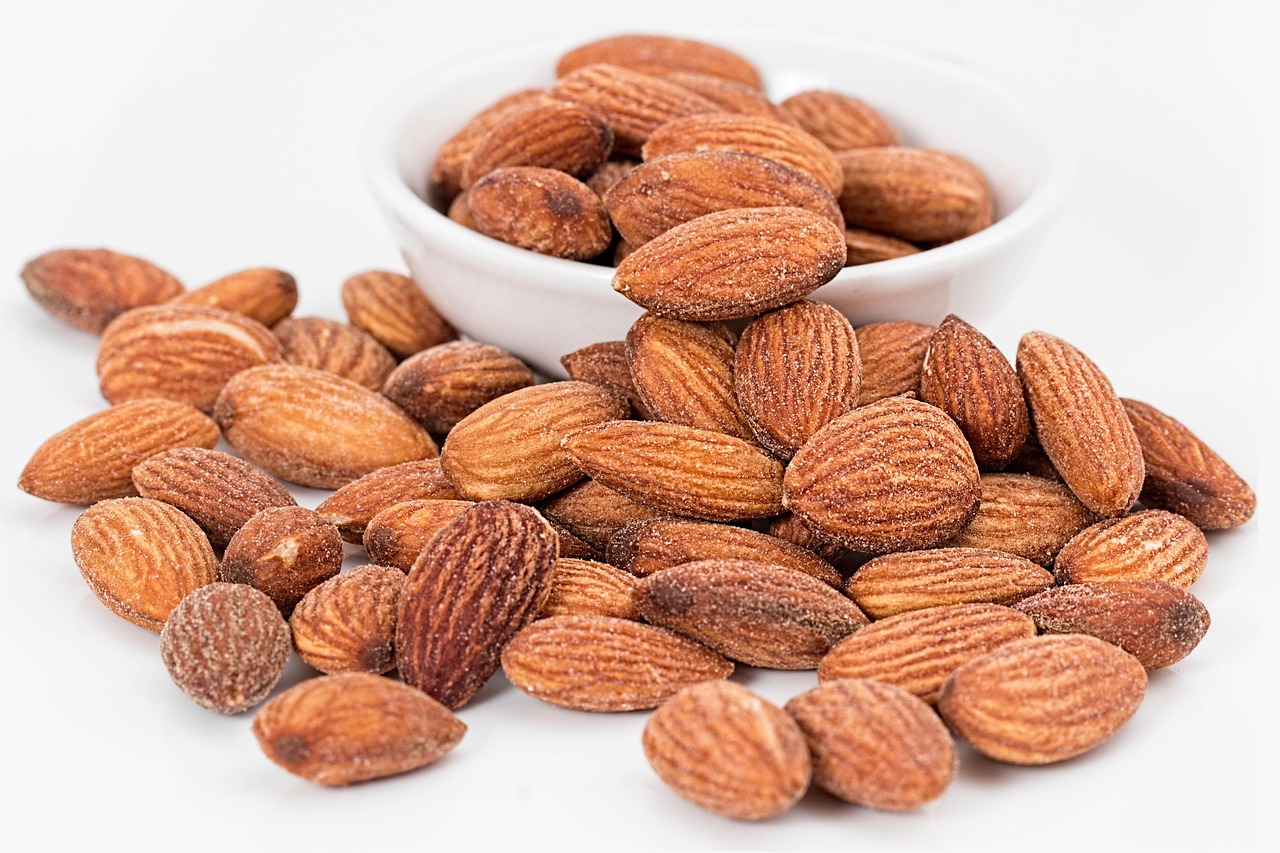
Create snack stations at kid-friendly heights with pre-portioned healthy options. Keep washed and cut vegetables in clear containers at eye level in the refrigerator. Store fruit in colorful bowls on counters. Prepare individual snack bags with appropriate portions of nuts, whole grain crackers, or dried fruit.
The Power of Predictable Snack Times
Establishing regular snack times prevents constant grazing while ensuring kids aren’t ravenously hungry at mealtimes. Typically, children need snacks every two to three hours. Consistent timing helps them recognize genuine hunger versus boredom or emotional eating.
Offer two or three choices rather than unlimited options, which prevents decision fatigue while maintaining autonomy. Pair foods from different groups—protein with fruit, whole grains with vegetables, dairy with nuts—to create satisfying, balanced mini-meals that sustain energy.
💧 Hydration Habits for Growing Bodies
Water often gets overlooked in nutrition discussions, yet proper hydration dramatically impacts children’s mood, concentration, energy levels, and overall health. Kids need adequate fluids to support their active lifestyles and developing bodies.
Make water the default beverage in your home. Limit juice to small portions if offered at all, as even 100% fruit juice contains high sugar concentrations without beneficial fiber. Avoid sodas and sports drinks except for truly intense athletic activities lasting over an hour.
Making Water More Exciting
Transform plain water into something special without adding sugar or artificial ingredients. Create fruit-infused water with berries, citrus slices, or cucumber. Use fun reusable bottles or cups with favorite characters. Add ice cubes frozen with small fruit pieces inside. Let kids choose special straws that make drinking more engaging.
For children who genuinely resist water, try sparkling water or herbal fruit teas served cold. These alternatives provide hydration without the sugar load of juice or flavored drinks.
🎉 Celebrating Special Occasions Without Derailing Healthy Habits
Birthdays, holidays, and celebrations are important parts of childhood that shouldn’t create anxiety around food. The goal isn’t perfection but rather establishing healthy patterns that accommodate special occasions without completely abandoning nutritious choices.
Contribute healthy options to parties and gatherings—veggie platters with fun dips, fruit kabobs, or whole grain crackers with cheese. At home celebrations, balance indulgent treats with nutritious foods. Allow children to enjoy cake and sweets without guilt while naturally returning to regular eating patterns the next day.
Creating New Traditions
Not all celebrations need to revolve around food. Establish traditions around activities instead—family hikes, game nights, craft projects, or service activities. When food is part of celebrations, involve kids in preparing special healthy dishes that become anticipated traditions themselves.
This approach teaches flexibility and balance rather than rigid rules or all-or-nothing thinking about nutrition.
🏃 Connecting Nutrition to Physical Activity
Help children understand the relationship between fuel and function. Discuss how different foods provide energy for running, jumping, thinking, and growing. Frame nutrition as supporting the activities they love rather than arbitrary rules adults impose.
Before sports or active play, offer easily digestible carbohydrates like fruit or whole grain toast. After physical activity, provide protein and carbohydrates together—like cheese with crackers or yogurt with granola—to support recovery and sustained energy.
🌱 Growing Food Together
Nothing connects kids to healthy eating quite like growing their own food. Whether you have a large backyard garden, small patio containers, or just a sunny windowsill with herb pots, cultivating plants teaches patience, responsibility, and appreciation for where food originates.
Children are remarkably more willing to taste vegetables they’ve planted, watered, and harvested themselves. Start with easy-growing options like cherry tomatoes, snap peas, lettuce, strawberries, or herbs. The pride of eating something they’ve grown creates powerful positive associations with fresh, healthy foods.
🛒 Shopping Together as Education
Transform grocery shopping from a chore into a learning opportunity. Let kids help create shopping lists based on meal plans. At the store, give age-appropriate responsibilities—younger children can help find items on shelves, older kids can compare nutrition labels or calculate best values.
Discuss where different foods come from and how they’re grown or produced. Visit farmers markets when possible, where children can meet people who grow food and often taste free samples of fresh produce. These experiences build awareness of food systems and appreciation for the journey from farm to table.
🔄 Handling Picky Eating with Patience
Nearly all children go through picky eating phases. Rather than engaging in power struggles, approach selective eating with patience and strategy. Continue offering refused foods without pressure—research shows children may need 10-15 exposures before accepting new foods.
Serve tiny portions of new or disliked foods alongside familiar favorites. Encourage a single bite without forcing, and accept genuine refusal without drama. Involve picky eaters in meal planning and preparation, which increases investment in the outcome. Focus on what they are eating rather than what they’re not.
Most importantly, stay calm and consistent. Picky eating rarely indicates serious problems and typically improves with time, especially when meals remain pressure-free zones.
✨ Creating Lasting Change Through Consistency
Sustainable healthy eating habits develop gradually through consistent, positive experiences rather than dramatic overhauls. Small daily choices compound into significant long-term patterns that children carry into adulthood.
Focus on progress rather than perfection. Celebrate victories like trying new vegetables or helping prepare meals. Learn from challenging days without guilt or punishment. Remember that establishing healthy relationships with food is a marathon, not a sprint.
The ultimate goal isn’t raising children who eat perfectly all the time, but rather raising adults who understand nutrition, listen to their bodies, feel empowered to make healthy choices, and maintain joyful, balanced relationships with food throughout their lives. With patience, creativity, and consistency, every family can build these foundations together, one colorful, nutritious, fun meal at a time.