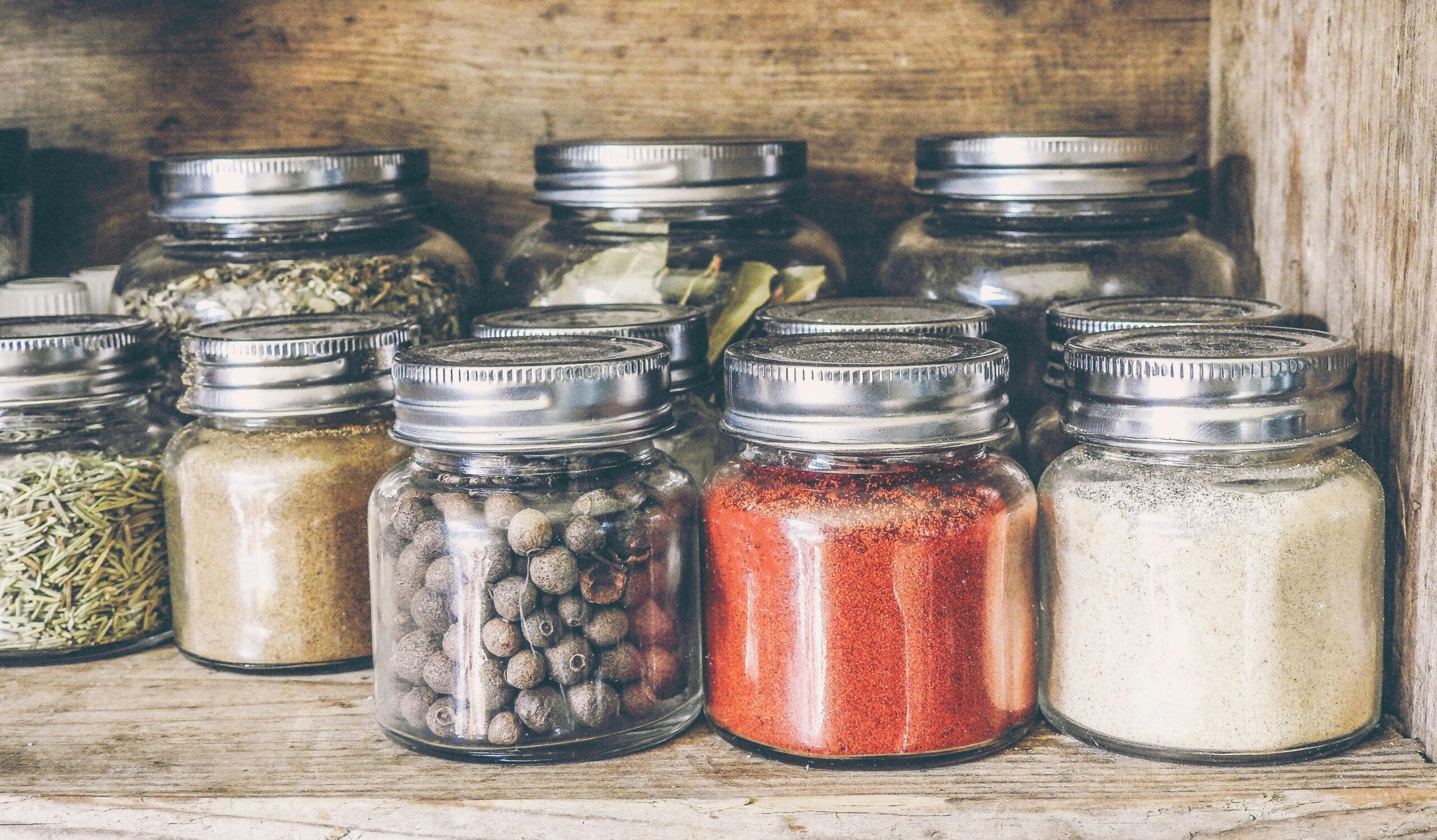
Micronutrients play a critical role in maintaining optimal health, yet most people struggle to ensure they’re getting enough of these essential vitamins and minerals. The good news is that achieving micronutrient balance doesn’t require obsessive tracking or expensive apps.

Understanding how to nourish your body with the right micronutrients can transform your energy levels, immune function, and overall well-being. This comprehensive guide will show you practical, sustainable strategies to master your micronutrient intake through simple awareness and intuitive eating habits that fit seamlessly into your daily life.
🔬 Understanding Micronutrients: The Foundation of Cellular Health
Micronutrients are vitamins and minerals required by the body in small amounts but are essential for virtually every physiological process. Unlike macronutrients (proteins, fats, and carbohydrates), micronutrients don’t provide energy directly but enable your body to produce energy, build tissues, and maintain optimal function.
The term “micronutrient” encompasses approximately 30 essential vitamins and minerals, including vitamin A, the B-complex vitamins, vitamin C, vitamin D, vitamin E, vitamin K, and minerals like iron, zinc, calcium, magnesium, selenium, and iodine. Each plays unique roles, from supporting immune function to facilitating enzyme reactions and protecting against oxidative stress.
Deficiencies in these nutrients can manifest in various ways, from subtle symptoms like fatigue and brain fog to more serious conditions like anemia, osteoporosis, or compromised immune function. The challenge lies in obtaining these nutrients consistently without becoming overwhelmed by nutritional data.
🌈 The Rainbow Plate Principle: Visual Nutrition Made Simple
One of the most effective strategies for micronutrient balance is the rainbow plate approach. This method leverages the natural relationship between food color and nutrient content, making it easy to ensure dietary diversity without counting or tracking.
Different colored plant foods contain distinct phytonutrients and micronutrients. Red foods like tomatoes and red peppers are rich in lycopene and vitamin C. Orange and yellow foods such as carrots, sweet potatoes, and citrus fruits provide beta-carotene, vitamin C, and folate. Green vegetables offer iron, calcium, vitamins K and E, and numerous B vitamins.
Blue and purple foods like blueberries, eggplant, and purple cabbage contain anthocyanins along with various vitamins and minerals. White and tan foods including mushrooms, garlic, and cauliflower provide selenium, potassium, and other essential nutrients. By simply ensuring your plate contains at least three different colors at each meal, you dramatically increase your micronutrient diversity.
Creating Your Daily Color Checklist
Instead of tracking grams and percentages, create a mental checklist of colors you’ve consumed throughout the day. Aim to hit all major color categories by the end of each day. This visual approach makes nutrition intuitive and enjoyable rather than mathematical and stressful.
🥗 Strategic Food Pairing for Enhanced Absorption
Knowing which foods to combine can significantly improve micronutrient bioavailability without any additional effort. This strategy focuses on understanding nutrient synergies rather than calculating exact amounts.
Fat-soluble vitamins (A, D, E, and K) require dietary fat for optimal absorption. Adding a small amount of healthy fat to vegetable-based meals—such as olive oil on salad, avocado with sweet potato, or nuts with fruit—ensures these vitamins don’t go to waste. This simple pairing principle can increase vitamin absorption by up to 400% compared to eating the same foods without fat.
Vitamin C enhances iron absorption, particularly non-heme iron from plant sources. Squeezing lemon on spinach, eating strawberries with fortified cereal, or adding bell peppers to bean dishes are practical applications of this principle. Conversely, calcium can inhibit iron absorption when consumed simultaneously, so spacing out calcium-rich foods from iron-rich meals optimizes both nutrients.
Vitamin D facilitates calcium absorption, which is why many dairy products are fortified with both nutrients. Getting adequate sunlight exposure while consuming calcium-rich foods creates a natural synergy that supports bone health without complex supplementation protocols.
🍽️ The Whole Foods Priority System
Whole foods naturally contain micronutrients in balanced proportions with complementary compounds that enhance absorption and utilization. Prioritizing whole foods over processed alternatives is perhaps the single most important strategy for micronutrient adequacy.
Processed foods often have micronutrients stripped during manufacturing, with only a few synthetically added back. While fortification serves a public health purpose, the isolated nutrients in fortified processed foods aren’t absorbed as efficiently as those in whole food matrices.
A simple decision-making framework can guide your choices: when selecting between food options, choose the least processed version. Brown rice over white rice, whole fruit over fruit juice, steel-cut oats over instant oatmeal packets. This principle applies across all food categories and automatically increases micronutrient density.
Building Your Whole Food Foundation
Structure your diet around whole food categories: vegetables, fruits, whole grains, legumes, nuts, seeds, quality proteins, and healthy fats. When at least 80% of your diet comes from these categories, micronutrient deficiencies become unlikely without any tracking required.
🌿 Seasonal and Local Eating for Nutrient Density
Eating seasonally and locally offers surprising advantages for micronutrient intake. Produce harvested at peak ripeness and consumed shortly after contains higher levels of vitamins and antioxidants compared to foods picked unripe and transported long distances.
Local farmers’ markets provide an intuitive guide to seasonal eating. By purchasing what’s abundant and fresh in your region, you naturally rotate through different foods throughout the year, ensuring varied micronutrient exposure. This approach also reconnects you with natural eating rhythms that humans evolved with over millennia.
Seasonal eating creates built-in dietary variation that prevents nutrient gaps. Winter squashes and root vegetables dominate colder months, providing different nutrient profiles than the leafy greens and berries abundant in warmer seasons. This natural rotation ensures you’re not eating the same limited foods year-round.
💧 The Hydration-Mineral Connection
Water quality and intake patterns significantly affect mineral status, yet this connection is often overlooked. Proper hydration supports nutrient transport, cellular function, and waste elimination—all essential for micronutrient utilization.
Drinking water can contribute meaningful amounts of minerals, particularly calcium, magnesium, and trace elements, depending on your water source. Hard water, while sometimes inconvenient, provides minerals that soft water lacks. If you use filtration systems, consider options that retain beneficial minerals while removing contaminants.
The timing of water consumption also matters. Drinking large amounts of water with meals dilutes digestive enzymes and stomach acid, potentially reducing nutrient absorption. Sipping water throughout the day and minimizing intake immediately before and during meals optimizes digestion and nutrient extraction.
🍳 Simple Cooking Techniques That Preserve Nutrients
How you prepare food dramatically impacts its micronutrient content. Certain cooking methods preserve or even enhance nutrient availability, while others significantly reduce nutritional value.
Steaming vegetables preserves water-soluble vitamins better than boiling, where nutrients leach into cooking water. If you do boil vegetables, using that cooking liquid in soups or sauces recaptures lost nutrients. Quick sautéing and stir-frying with minimal water exposure also maintain nutrient integrity.
Interestingly, cooking can increase the bioavailability of some nutrients. Lycopene in tomatoes becomes more absorbable when cooked. Beta-carotene in carrots is better utilized after light cooking. This demonstrates that a mix of raw and cooked foods optimizes overall micronutrient intake.
Avoiding excessive heat and prolonged cooking times preserves heat-sensitive vitamins like vitamin C and some B vitamins. Cooking vegetables until just tender rather than mushy maintains both texture and nutritional value. Using cooking methods that you enjoy ensures you’ll actually eat more nutrient-dense foods consistently.
🥜 Strategic Snacking for Micronutrient Boosts
Snacks represent valuable opportunities to increase micronutrient intake without additional meals. Choosing nutrient-dense snacks rather than empty calories can significantly impact your overall nutritional status.
Nuts and seeds provide magnesium, zinc, selenium, vitamin E, and various B vitamins. A small handful of mixed nuts delivers substantial micronutrients along with healthy fats and protein. Fresh fruit offers vitamin C, potassium, and various phytonutrients. Vegetables with hummus combine multiple nutrient categories in one convenient snack.
Creating a mental list of five to ten nutrient-dense snacks you enjoy eliminates decision fatigue and ensures you have go-to options when hunger strikes. This strategy prevents defaulting to convenient but nutritionally poor processed snacks.
🌞 Sunlight and Fortified Foods: The Vitamin D Strategy
Vitamin D presents a unique challenge since few foods naturally contain significant amounts. A strategic approach combining sensible sun exposure and food choices ensures adequacy without tracking.
Moderate sun exposure on bare skin for 10-30 minutes several times weekly can meet vitamin D needs for many people, though this varies by latitude, skin tone, and season. During winter months or for individuals with limited sun exposure, emphasizing vitamin D-fortified foods becomes more important.
Fatty fish like salmon, mackerel, and sardines are among the few excellent natural sources. Fortified dairy products, plant-based milk alternatives, and egg yolks provide smaller amounts. Making these foods regular components of your diet addresses vitamin D without supplements or tracking apps.
🧠 Body Awareness: Listening to Your Nutritional Signals
Your body provides feedback about micronutrient status if you learn to recognize the signs. Developing this awareness creates an internal guidance system more sustainable than external tracking.
Persistent fatigue despite adequate sleep might signal iron, magnesium, or B vitamin insufficiency. Frequent infections suggest possible zinc, vitamin C, or vitamin D deficiency. Slow wound healing, hair changes, skin issues, or cognitive difficulties can all indicate specific micronutrient gaps.
Rather than diagnosing yourself, use these signals as prompts to evaluate your recent eating patterns. Have you been eating fewer vegetables lately? Has your diet been monotonous? These reflections often reveal obvious nutritional gaps that simple dietary adjustments can address.
Regular check-ups with healthcare providers, including occasional bloodwork, provide objective micronutrient status information without daily tracking. Annual or biannual testing offers sufficient data to guide dietary adjustments while maintaining a relaxed approach to nutrition.
🥘 The Weekly Variety Principle
Instead of tracking daily intake, think in weekly variety terms. This broader perspective reduces stress while ensuring comprehensive micronutrient coverage over time.
Aim to consume at least 30 different plant foods each week. This target sounds ambitious but becomes achievable when you count herbs, spices, different vegetables, fruits, whole grains, legumes, nuts, and seeds. Variety naturally ensures diverse micronutrient intake without detailed tracking.
Create a simple weekly mental framework: include dark leafy greens several times, have legumes or beans regularly, eat fatty fish once or twice, incorporate various colored vegetables, rotate between different whole grains, and snack on diverse nuts and seeds. This pattern-based approach feels manageable while delivering comprehensive nutrition.
🍲 One-Pot Meals: Nutrient Density Made Easy
Soups, stews, and one-pot dishes are underrated micronutrient delivery systems. These meals naturally combine diverse ingredients, creating nutrient synergies while simplifying meal preparation.
A hearty vegetable soup with beans, whole grains, and various vegetables provides dozens of micronutrients in a single bowl. Stir-fries combine colorful vegetables with protein sources and healthy fats. Grain bowls topped with diverse ingredients offer complete nutrition in an Instagram-worthy presentation.
These meals also make it easier to include ingredients you might not eat alone. Kale, mushrooms, or bell peppers blend seamlessly into mixed dishes, increasing vegetable intake for those who struggle to eat plain vegetables. The combined flavors often taste better than individual components while delivering superior nutrition.
🛒 Smart Shopping: Setting Yourself Up for Success
Your micronutrient intake is largely determined before you ever enter the kitchen—it’s established by your shopping decisions. Strategic grocery shopping creates an environment where nutritious eating becomes the default.
Shop the perimeter of grocery stores where fresh produce, proteins, and dairy are typically located. The interior aisles contain mostly processed foods with lower micronutrient density. Filling your cart with whole foods means healthy options are always available at home.
Create a flexible shopping template based on food categories rather than specific items: select several types of vegetables, choose varied fruits, pick a whole grain or two, grab some legumes, select quality proteins, and include healthy fats. This framework ensures variety while allowing flexibility based on preferences, seasons, and availability.
⚖️ The Intuitive Balance Approach
Ultimately, mastering micronutrient health without tracking apps requires developing nutritional intuition—an internal sense of what your body needs based on awareness, knowledge, and experience.
This approach acknowledges that human nutrition isn’t an exact science at the individual level. Your needs vary based on activity, stress, sleep, health status, and countless other factors that no app can accurately measure. Rigid tracking creates a false sense of precision that doesn’t reflect biological reality.
Instead, combine basic nutritional knowledge with mindful eating practices. Understand which foods provide which nutrients generally, recognize your body’s signals, prioritize whole foods and variety, and trust that these practices will meet your needs more sustainably than obsessive tracking.
This balanced approach reduces food-related anxiety while improving actual nutrition. When you stop viewing food as data to be managed and return to seeing it as nourishment to be enjoyed, eating becomes both healthier and more pleasurable. The strategies outlined here provide structure without rigidity, guidance without obsession, and effectiveness without stress.
🌟 Building Sustainable Micronutrient Habits
The transition from tracking-dependent eating to intuitive micronutrient awareness happens gradually. Start by implementing one or two strategies from this guide, allowing them to become habitual before adding others.
Perhaps begin with the rainbow plate principle, consciously adding color variety to meals. Once this becomes automatic, incorporate strategic food pairing. Gradually build your repertoire of nutrient-dense go-to meals and snacks. Over time, these individual practices coalesce into an effortless approach to optimal nutrition.
Remember that perfection isn’t the goal—consistency and overall patterns matter far more than individual meals or days. Some days will be more nutritious than others, and that’s completely normal. The weekly variety perspective helps maintain this balanced outlook while ensuring adequate micronutrient intake over time.
By focusing on awareness rather than measurement, variety rather than tracking, and quality rather than quantity, you can achieve excellent micronutrient status while maintaining a healthy, relaxed relationship with food. These simple strategies provide everything you need to nourish your body optimally without becoming enslaved to tracking apps or nutritional anxiety.