
Achieving optimal health isn’t about perfection—it’s about consistency and balance. By following a strategic weekly nutrient checklist, you can transform your energy levels, strengthen your immune system, and cultivate lasting vitality that radiates from the inside out.

Modern life demands much from our bodies, yet we often fall short in providing the essential nutrients needed for peak performance. The solution lies not in complicated diet plans or expensive supplements, but in understanding what your body truly needs each week and creating a sustainable system to deliver it. This comprehensive guide will walk you through the ultimate weekly nutrient checklist designed to power up your health and support balanced living.
🌟 Understanding Your Body’s Weekly Nutrient Rhythm
Your body operates on various cycles, and understanding these rhythms can revolutionize how you approach nutrition. Rather than viewing each meal in isolation, thinking in weekly terms allows you to balance nutrients more effectively and reduce the pressure of daily perfection.
The human body stores different nutrients for varying lengths of time. Water-soluble vitamins like B and C need regular replenishment, while fat-soluble vitamins A, D, E, and K can be stored for longer periods. Minerals such as calcium and iron accumulate in tissues, while electrolytes require daily attention. This diversity means your weekly nutrient strategy should include both daily essentials and nutrients you can obtain less frequently.
The Foundation: Daily Non-Negotiables
Certain nutrients form the foundation of your weekly checklist because your body needs them every single day. Water tops this list—aim for eight to ten glasses daily, adjusting for activity level and climate. Protein intake should be consistent, with approximately 0.8 grams per kilogram of body weight as a baseline, though active individuals may need more.
Fiber is another daily essential that most people dramatically under-consume. Your digestive system relies on 25-38 grams daily to function optimally, support healthy gut bacteria, and maintain stable blood sugar levels. Without adequate daily fiber, even the most nutrient-rich diet falls short of supporting true vitality.
🥗 Your Complete Weekly Vitamin Checklist
Vitamins orchestrate countless biochemical reactions in your body. Missing key vitamins creates nutritional gaps that manifest as fatigue, weakened immunity, and diminished vitality. Here’s how to ensure you’re covering all bases throughout your week.
Vitamin A: Vision and Immune Power
Aim to include vitamin A-rich foods at least four times weekly. Sweet potatoes, carrots, spinach, and kale provide beta-carotene that your body converts to vitamin A. Animal sources like liver, eggs, and dairy offer preformed vitamin A that’s immediately usable. Just one medium sweet potato delivers over 400% of your daily requirement, making it easy to meet weekly needs.
B-Complex Vitamins: Energy Production Central
The B vitamin family deserves daily attention since they’re water-soluble and not stored long-term. Include whole grains, legumes, eggs, and leafy greens throughout your week. Vitamin B12 requires special attention for vegetarians and vegans—consider fortified foods or supplements if you avoid animal products. Each B vitamin plays distinct roles from converting food to energy (B1, B2, B3) to supporting red blood cell production (B12) and DNA synthesis (B9).
Vitamin C: The Immunity Champion
Your weekly checklist should include vitamin C-rich foods daily. Citrus fruits are famous sources, but bell peppers, broccoli, strawberries, and Brussels sprouts pack even more punch. Aim for at least 75-90mg daily, though many experts recommend 200mg for optimal immune function. Since vitamin C degrades with heat and storage, prioritize fresh, raw, or lightly cooked sources.
Vitamin D: The Sunshine Vitamin
Vitamin D deficiency affects nearly 42% of Americans, making this a critical checklist item. While sunlight exposure helps, dietary sources matter too. Include fatty fish like salmon or mackerel twice weekly, and consider fortified milk, eggs, and mushrooms. During winter months or if you have limited sun exposure, a vitamin D3 supplement may be necessary to maintain optimal levels.
Vitamin E: Antioxidant Protection
This fat-soluble vitamin protects your cells from oxidative damage. Include nuts and seeds—especially almonds and sunflower seeds—three to four times weekly. Avocados, spinach, and plant-based oils also contribute. Just one ounce of almonds provides about half your daily vitamin E needs.
Vitamin K: Bone Health and Blood Clotting
Often overlooked, vitamin K deserves a place in your weekly plan. Dark leafy greens like kale, spinach, and collards are exceptional sources. Include these vegetables at least three times weekly to support bone density and proper blood clotting. One cup of raw kale provides more than 600% of your daily requirement.
⚡ Essential Minerals for Weekly Vitality
Minerals form the structural components of tissues and regulate countless body processes. Your weekly checklist must address these crucial elements to support everything from bone strength to cellular energy production.
Calcium: Beyond Bone Health
Adults need approximately 1,000-1,200mg of calcium daily. Dairy products remain excellent sources, but don’t overlook dark leafy greens, fortified plant milks, sardines with bones, and almonds. Distribute calcium intake throughout your week, as your body absorbs it best in doses of 500mg or less. Calcium also supports muscle function, nerve transmission, and hormone secretion.
Iron: Oxygen Transport Essential
Iron deficiency remains the most common nutritional deficiency worldwide. Women need approximately 18mg daily (27mg during pregnancy), while men need 8mg. Include iron-rich foods at least four times weekly: red meat, poultry, fish, lentils, beans, and fortified cereals. Pair plant-based iron sources with vitamin C-rich foods to enhance absorption—squeeze lemon on your spinach salad or enjoy strawberries with your morning oatmeal.
Magnesium: The Relaxation Mineral
Approximately 50% of Americans don’t meet magnesium recommendations, missing out on this mineral’s benefits for muscle relaxation, sleep quality, and stress management. Include magnesium-rich foods throughout your week: dark chocolate, avocados, nuts, legumes, whole grains, and leafy greens. Men need about 400-420mg daily, while women need 310-320mg.
Potassium: Blood Pressure Regulator
This essential mineral helps balance sodium’s effects and supports healthy blood pressure. Most adults need 2,600-3,400mg daily. Bananas are famous for potassium, but sweet potatoes, white beans, spinach, and avocados contain even more. Include potassium-rich foods daily as part of your balanced eating pattern.
Zinc: Immune Function Supporter
Zinc supports immune function, wound healing, and protein synthesis. Include zinc sources three to four times weekly: oysters, beef, pumpkin seeds, lentils, and yogurt. Adults need 8-11mg daily, and since zinc competes with copper for absorption, maintaining balance between these minerals matters.
🍽️ Building Your Weekly Meal Framework
Translating nutrient requirements into actual meals requires a practical framework. Rather than tracking every milligram, focus on food diversity and strategic planning to naturally meet your nutrient needs.
The Rainbow Principle
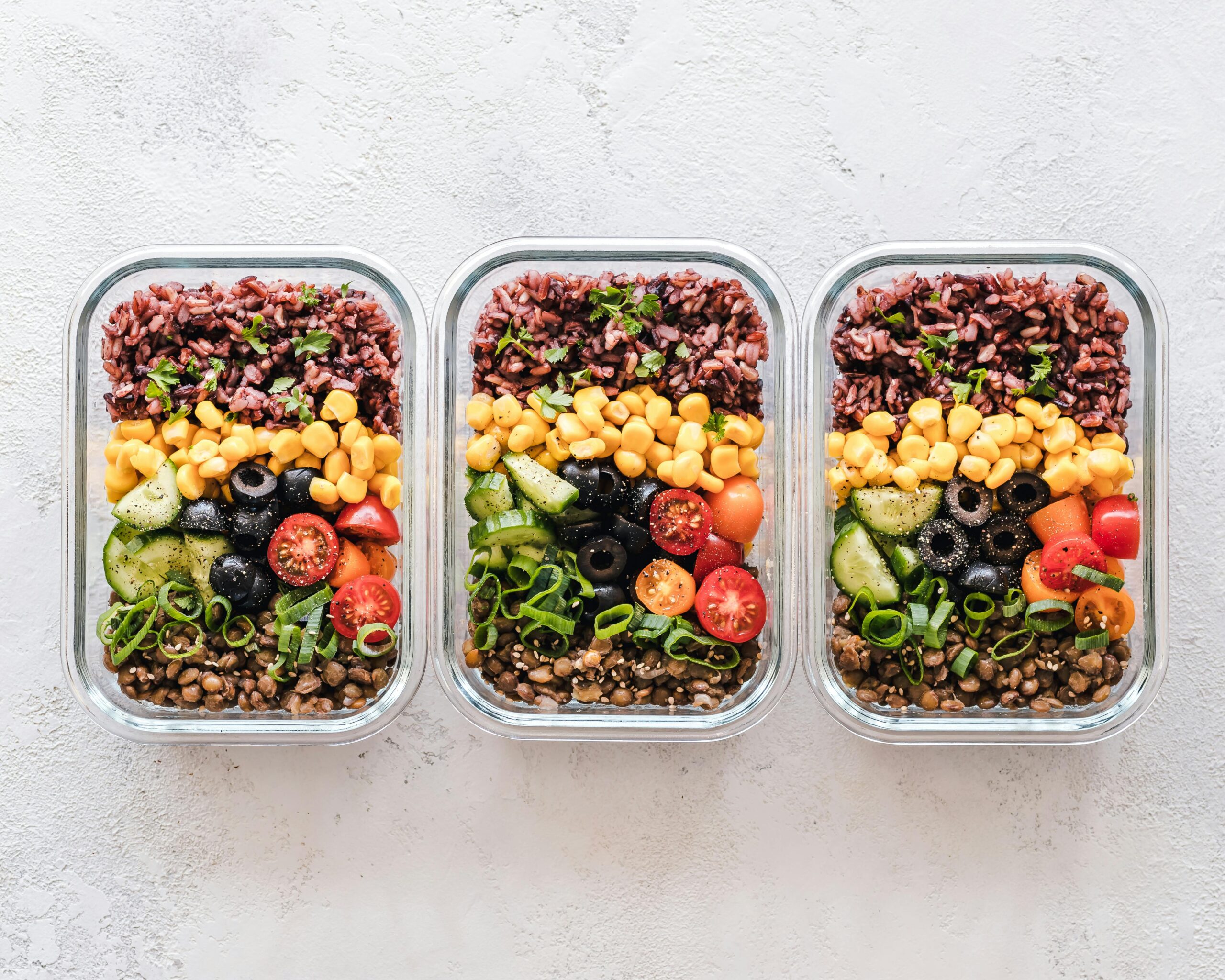
Different colored foods provide different phytonutrients and vitamins. Challenge yourself to include all color categories throughout your week: red (tomatoes, strawberries), orange (carrots, sweet potatoes), yellow (bell peppers, bananas), green (leafy vegetables, broccoli), blue/purple (blueberries, eggplant), and white (cauliflower, mushrooms). This simple visual strategy ensures nutrient diversity without complex calculations.
Protein Rotation Strategy
Varying your protein sources throughout the week provides different nutrient profiles. Include fish at least twice weekly for omega-3 fatty acids and vitamin D. Add legumes two to three times for fiber and plant-based protein. Include eggs, poultry, or meat on other days based on your dietary preferences. This rotation prevents monotony while covering your amino acid and micronutrient bases.
Whole Grains and Complex Carbohydrates
Replace refined grains with whole grain alternatives throughout your week. Quinoa, brown rice, oats, whole wheat bread, and barley provide B vitamins, fiber, and minerals that refined grains lack. Aim for at least half your grain servings to come from whole sources, ideally more.
💧 Hydration: The Often Forgotten Nutrient
Water doesn’t appear on most nutrient checklists, yet it’s fundamental to every bodily function. Proper hydration supports nutrient transport, temperature regulation, joint lubrication, and waste elimination.
Beyond drinking plain water, consider your total fluid intake from fruits, vegetables, soups, and other beverages. Herbal teas, infused water, and high-water-content foods like cucumbers and watermelon all contribute to hydration status. Monitor your urine color—pale yellow indicates good hydration, while dark yellow suggests you need more fluids.
Electrolytes deserve attention, especially if you’re physically active. Sodium, potassium, magnesium, and calcium work together to maintain fluid balance. Most people get plenty of sodium but may fall short on potassium and magnesium. Include coconut water, bananas, and leafy greens to support electrolyte balance naturally.
🔍 Tracking Your Nutrient Intake Effectively
While intuitive eating works for some, many people benefit from initially tracking their intake to identify patterns and gaps. Modern technology makes this easier than ever.
Nutrition tracking apps can analyze your weekly eating patterns and highlight nutrient deficiencies. These tools provide education about food composition and help you understand where your diet excels and where it needs adjustment. After a few weeks of tracking, most people develop intuitive knowledge about their nutrient intake and can maintain balance without constant monitoring.
Weekly Review and Adjustment
Set aside time each week to review your eating patterns. Did you include enough colorful vegetables? Did you have fish twice? Were whole grains part of most meals? This weekly reflection helps you course-correct before small gaps become significant deficiencies. Consider keeping a simple checklist on your phone or refrigerator to track major food groups throughout the week.
🌿 Special Considerations for Different Life Stages
Your nutrient needs evolve throughout life. A one-size-fits-all approach misses important individualization needed for optimal health.
Pregnancy and Breastfeeding
These life stages dramatically increase nutritional requirements. Folate needs jump to 600mcg daily during pregnancy to prevent neural tube defects. Iron requirements increase to 27mg daily. Calcium, vitamin D, and omega-3 fatty acids deserve extra attention. Work with healthcare providers to ensure both prenatal nutrition and appropriate supplementation.
Growing Children and Teenagers
Rapid growth increases nutrient demands, particularly for calcium, vitamin D, iron, and protein. Unfortunately, many teenagers develop poor eating habits that create nutritional gaps. Focus on nutrient-dense snacks, regular family meals featuring vegetables, and limiting processed foods. Building healthy habits during these formative years establishes patterns for lifelong vitality.
Active Adults and Athletes
Regular exercise increases requirements for protein, B vitamins, iron, and antioxidants. Athletes may need 1.2-2.0 grams of protein per kilogram of body weight. Carbohydrate needs also increase to fuel performance and recovery. Don’t neglect micronutrients—even marginal deficiencies can impair performance and recovery.
Older Adults
Aging affects nutrient absorption and metabolism. Vitamin B12 absorption often decreases, potentially requiring supplementation. Vitamin D needs increase, while calorie needs typically decrease, making nutrient density crucial. Protein requirements may actually increase to prevent muscle loss. Fiber becomes even more important for digestive health.
🛒 Smart Shopping for Your Weekly Nutrient Goals
Meeting your nutrient checklist starts with strategic grocery shopping. Planning ahead prevents impulsive purchases and ensures your kitchen stays stocked with nutrient-dense options.
Shop the perimeter of grocery stores first, where fresh produce, proteins, and dairy typically reside. Fill your cart with colorful vegetables, various protein sources, whole grains, and healthy fats. The interior aisles contain more processed foods—navigate these areas selectively for pantry staples like canned beans, whole grain pasta, and healthy oils.
Frozen vegetables and fruits deserve a place in your weekly shopping. They’re picked at peak ripeness and flash-frozen, often containing more nutrients than fresh produce that’s traveled long distances. Keep frozen berries for smoothies, spinach for quick additions to meals, and mixed vegetables for convenient side dishes.
🍳 Meal Prep Strategies for Nutrient Success
Even the best nutrient checklist fails without practical implementation. Strategic meal preparation transforms good intentions into consistent action.
Dedicate two to three hours weekly to batch cooking. Prepare large portions of whole grains, roast various vegetables, cook several protein sources, and prep snack containers. This investment saves time during busy weekdays and removes barriers to healthy eating. When nutrient-dense food is readily available, you’re far more likely to meet your weekly goals.
Mason jar salads provide a brilliant meal prep solution. Layer dressing at the bottom, followed by hearty vegetables, proteins, grains, and delicate greens on top. These stay fresh for up to five days, offering convenient nutrient-packed lunches. Vary ingredients weekly to maintain the rainbow principle and prevent boredom.
⚖️ Finding Your Personal Balance Point
Perfect nutrition is a myth that creates unnecessary stress. The goal isn’t flawless execution but rather consistent progress toward better choices. Life includes celebrations, social events, and occasional indulgences—your weekly nutrient plan should accommodate this reality.
Apply the 80/20 rule: if 80% of your weekly eating aligns with your nutrient checklist, the remaining 20% can be more flexible. This approach maintains nutritional adequacy while preserving the joy and social connection that food provides. Sustainable healthy eating feels enjoyable, not restrictive.
Listen to your body’s signals throughout the week. Energy levels, sleep quality, digestion, mood, and physical performance all provide feedback about whether your nutritional approach is working. If you’re consistently tired despite adequate sleep, for example, examine your iron, B vitamin, and magnesium intake. Your body communicates needs—learning its language helps you fine-tune your nutrient checklist.
🚀 Supercharging Your Results with Synergistic Nutrition
Individual nutrients matter, but how they work together determines your results. Understanding nutrient synergies helps you maximize the benefits of every meal.
Fat-soluble vitamins A, D, E, and K absorb best when consumed with dietary fat. Add avocado to your kale salad, dress your carrots with olive oil, or include nuts with your sweet potato. Iron absorption increases dramatically when paired with vitamin C—combine beans with tomatoes, or have orange slices with your iron-fortified cereal.
Conversely, certain combinations hinder absorption. Calcium competes with iron for absorption, so avoid taking supplements together or consuming calcium-rich foods with your highest iron meal. Coffee and tea contain compounds that reduce iron absorption—enjoy these beverages between meals rather than with them if iron is a concern.
🎯 Transforming Your Health Week by Week
Implementing your ultimate weekly nutrient checklist doesn’t require perfection from day one. Start by identifying your biggest nutritional gaps, then address them systematically over several weeks. Perhaps you’re missing adequate vegetables—focus there first. Maybe your protein intake varies wildly—stabilize that foundation before moving on.
Each week you follow this checklist, you’re investing in your future health. The energy you feel, the immunity you build, and the vitality you cultivate compound over time. Small consistent actions—a serving of leafy greens here, a portion of fatty fish there, adequate hydration throughout—accumulate into transformative results.
Your health is your most valuable asset, and nutrition provides the raw materials your body needs to thrive. By following this comprehensive weekly nutrient checklist, you’re not just eating meals—you’re powering up your health, supporting balanced living, and cultivating the vibrant vitality that allows you to fully engage with life. The journey to optimal health begins with a single week of intentional, nutrient-focused choices. Start yours today.