Meal prep doesn’t have to be overwhelming or time-consuming. Batch cooking snacks and sides transforms your weekly routine into a seamless experience of balanced eating.

Modern life demands efficiency without sacrificing nutrition or flavor. When you prepare snacks and side dishes in batches, you create a foundation for healthier choices throughout the week. This approach eliminates the daily stress of deciding what to eat while ensuring your meals remain diverse, nutritious, and genuinely enjoyable.
🍽️ Why Batch Prepping Snacks and Sides Changes Everything
The beauty of batch preparation lies in its simplicity and effectiveness. Rather than cooking from scratch multiple times daily, you invest a few focused hours to create ready-to-eat options that support your nutritional goals. This method particularly shines when applied to snacks and side dishes—the components that often determine whether your eating habits succeed or derail.
Most people underestimate how crucial snacks and sides are to maintaining balanced nutrition. These smaller meal components bridge the gap between main dishes, prevent energy crashes, and stop unhealthy impulse eating. When you have nutritious, delicious options readily available, reaching for processed alternatives becomes far less tempting.
The Time-Saving Mathematics of Batch Cooking
Consider this: preparing one batch of roasted vegetables takes approximately the same time as making a single serving. The oven temperature, prep work, and cleanup remain constant whether you’re cooking for one meal or six. This efficiency multiplies across everything from energy balls to portion-controlled hummus containers.
You’re not just saving minutes—you’re reclaiming hours each week. Those hours translate into more family time, reduced stress, and consistency in your eating patterns that supports long-term health goals.
Essential Snacks Worth Batch Preparing
Strategic snack preparation prevents the mid-afternoon vending machine visit or the late-night pantry raid. The key is selecting snacks that maintain quality throughout the week while offering genuine nutritional value.
Protein-Packed Energy Balls
Energy balls combine convenience with customizable nutrition. A basic mixture of oats, nut butter, honey, and add-ins like chia seeds, dark chocolate chips, or dried fruit creates dozens of grab-and-go options. These stay fresh for up to ten days when refrigerated and provide sustained energy between meals.
The preparation process takes under twenty minutes: mix ingredients, roll into uniform balls, and refrigerate. You can experiment with flavor combinations—coconut almond, peanut butter chocolate, cashew cranberry—keeping your snack rotation interesting throughout the month.
Roasted Chickpeas and Nuts
Crunchy, savory snacks satisfy that chip craving while delivering protein and fiber. Roasted chickpeas seasoned with spices transform from canned legumes into addictive, crispy bites. Similarly, seasoned nuts provide healthy fats and stay crispy for weeks when stored properly.
Batch roasting these snacks requires minimal active time. Toss chickpeas or nuts with olive oil and seasonings, spread on baking sheets, and roast while you prepare other items. The result is portion-controlled snacks that support rather than sabotage your nutrition goals.
Vegetable Sticks with Portioned Dips
Fresh vegetables become infinitely more appealing when paired with flavorful dips and prepped for immediate consumption. Spend thirty minutes washing, cutting, and storing carrots, celery, bell peppers, and cucumber in water-filled containers to maintain crispness.
Prepare hummus, tzatziki, or bean dips in bulk, then portion into small containers. This combination provides vitamins, minerals, protein, and healthy fats in a format that requires zero preparation when hunger strikes.
🥗 Side Dishes That Complement Any Main Course
Well-prepared side dishes elevate simple proteins into complete meals. Batch cooking sides means dinner assembly becomes a simple matter of reheating and plating rather than multi-step cooking processes.
Grain Bowls Foundation
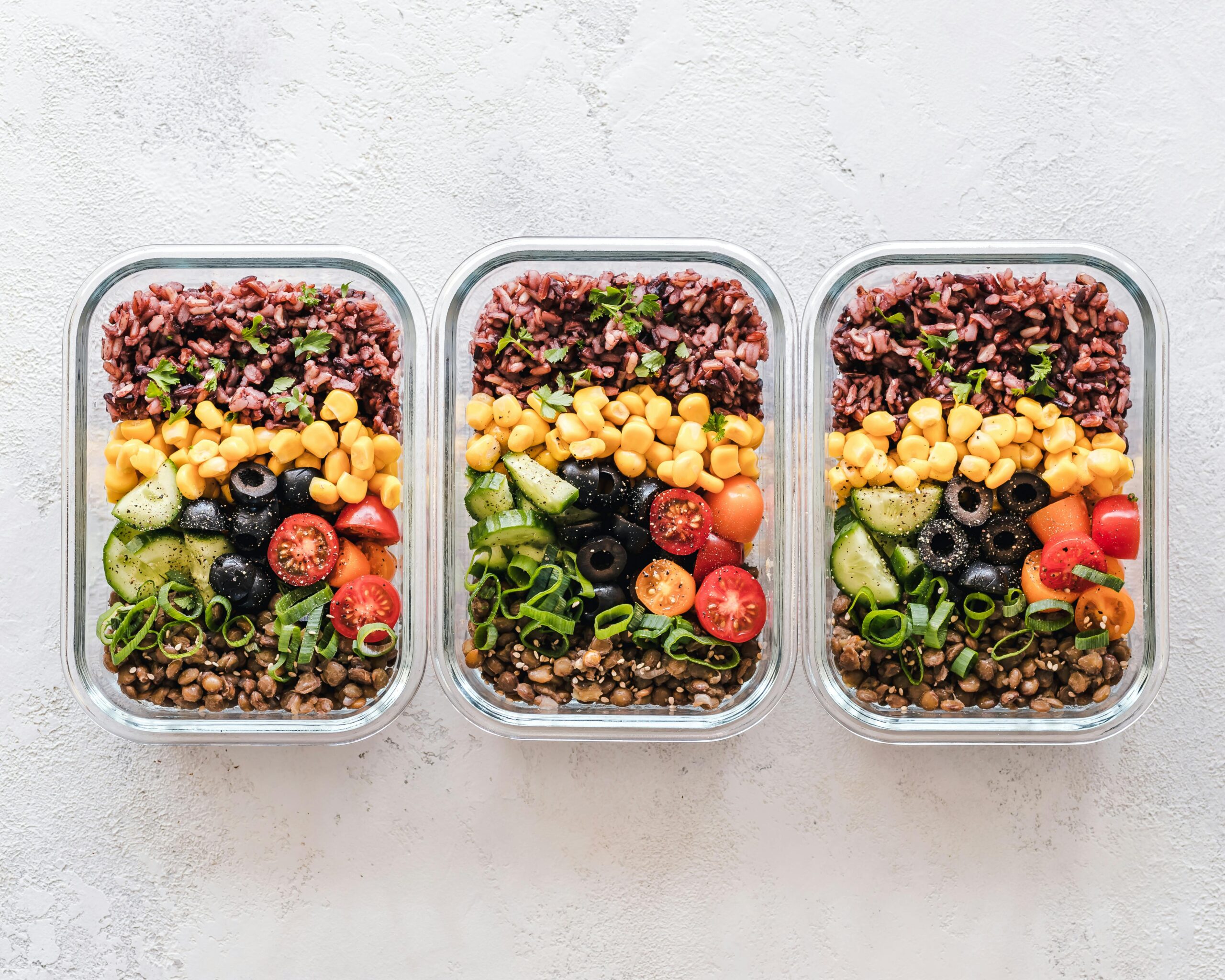
Cooking grains in large batches provides the foundation for countless meal variations. Quinoa, brown rice, farro, and bulgur all store beautifully for five to seven days. Cook several cups at once, season lightly, and refrigerate in portions.
These prepared grains transform into warm bowls, cold salads, or sides within minutes. Add different vegetables, proteins, and dressings throughout the week to keep meals feeling fresh despite using the same base ingredient.
Roasted Vegetable Medleys
Roasted vegetables represent perhaps the most versatile batch-prep side dish. The caramelization that occurs during roasting intensifies flavors and creates satisfying textures that hold up well during storage.
Select vegetables that roast at similar temperatures: sweet potatoes, Brussels sprouts, broccoli, cauliflower, carrots, and bell peppers work excellently together. Toss with olive oil, season generously, and roast on multiple sheet pans simultaneously. These vegetables complement virtually any protein and can be eaten warm or cold.
Quick-Pickle Vegetables
Quick pickles add brightness and acidity that balance rich main dishes. Creating pickled vegetables requires minimal effort: prepare a simple brine of vinegar, water, salt, and sugar, then pour over sliced cucumbers, onions, radishes, or carrots.
These pickles develop flavor within hours and last for weeks refrigerated. They transform sandwiches, grain bowls, and simple proteins into more complex, restaurant-quality meals.
Strategic Batch Prep Planning
Successful batch preparation requires thoughtful planning rather than random cooking marathons. The goal is creating variety while minimizing active cooking time and maximizing ingredient efficiency.
The Sunday Foundation Method
Dedicating two to three hours on Sunday creates the week’s foundation. Start with items requiring longest cooking times—roasted vegetables, whole grains, and baked snacks. While these cook, prepare quick items like energy balls, portion dips, and wash fresh vegetables.
This sequencing allows multitasking without chaos. Your oven works on vegetables while you mix snack ingredients on the counter. Grains simmer on the stovetop while you organize storage containers.
Ingredient Crossover Strategy
Maximize efficiency by selecting recipes with overlapping ingredients. If you’re roasting sweet potatoes for a side dish, prepare extra for sweet potato hummus. When making energy balls with almond butter, use the same ingredient for a vegetable dip.
This approach reduces shopping complexity, minimizes waste, and streamlines preparation. You’re not juggling fifteen different ingredients—you’re using eight ingredients in multiple creative applications.
🥡 Storage Solutions That Preserve Quality
Even perfectly prepared food fails if storage doesn’t maintain freshness and flavor. Investing in proper containers and understanding storage principles protects your batch prep investment.
Container Selection Guidelines
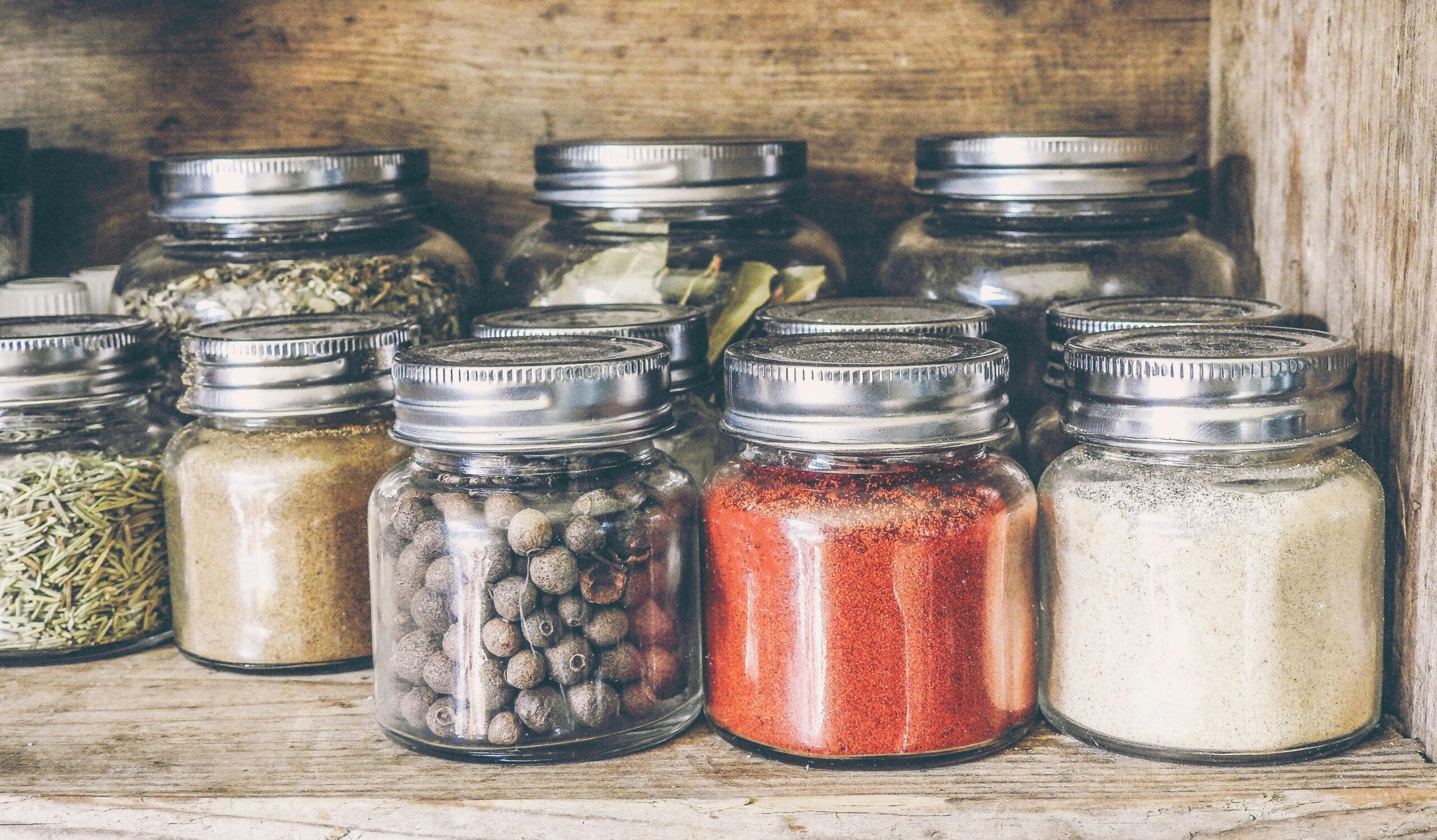
Glass containers with airtight lids work best for most applications. They don’t absorb odors, clean easily, and allow you to see contents without opening. For snacks and sides, prioritize containers in portion-appropriate sizes—you want to grab and go without transferring food.
Mason jars excel for layered salads, overnight oats, and portioned snacks like nuts. Shallow, wide containers work better for items you’ll reheat, ensuring even warming without overcooking edges.
Freshness Extension Techniques
Certain strategies dramatically extend how long batch-prepped items maintain quality. Store fresh vegetables in water-filled containers to maintain crispness. Keep dressings and sauces separate until serving. Layer paper towels in containers to absorb excess moisture that causes sogginess.
Label everything with preparation dates. Even with perfect storage, food quality degrades over time. Clear labeling prevents the mystery container situation and ensures you consume items while they’re still optimal.
Nutritional Balance in Batch Prep
The true power of batch preparing snacks and sides emerges when you intentionally create nutritional balance. This isn’t about perfection—it’s about ensuring your prepared options collectively support your health goals.
The Macronutrient Distribution
Aim for batch-prepped items that collectively provide protein, healthy fats, complex carbohydrates, and fiber. If you prepare grain-based sides, balance them with protein-rich snacks. When making vegetable-forward sides, include fat-containing dips or dressings.
This balanced approach means any combination you grab throughout the week provides comprehensive nutrition. You’re not accidentally creating all-carb days or missing essential nutrients.
Micronutrient Diversity
Color diversity in batch-prepped vegetables ensures micronutrient variety. Dark leafy greens provide different nutrients than orange sweet potatoes or purple cabbage. Rotating your vegetable selections weekly prevents nutritional gaps and keeps meals interesting.
Similarly, varying nuts, seeds, and whole grains in snacks exposes you to different minerals, vitamins, and beneficial compounds. This variety principle applies whether you’re focused on general health or specific nutritional needs.
🌟 Flavor Strategies That Prevent Boredom
The biggest batch prep failure isn’t technical—it’s flavor fatigue. Even the most efficiently prepared food fails if you’re tired of eating it by Wednesday.
The Seasoning Rotation System
Prepare the same base ingredients with different seasoning profiles. Roast chickpeas with three different spice blends—smoky paprika one batch, curry powder another, Italian herbs a third. This creates variety without additional prep complexity.
Apply this principle across all batch cooking. Prepare plain grains, then season portions differently when assembling meals. Keep roasted vegetables simply seasoned, adding varied sauces throughout the week.
Temperature and Texture Variation
Enjoy batch-prepped items at different temperatures to change their character. Roasted vegetables eaten cold in salads taste distinctly different from the same vegetables reheated. Room temperature grains have different texture than warmed versions.
Add textural contrast through toppings: crunchy seeds on smooth hummus, crispy roasted chickpeas on soft grain bowls, fresh herbs on cooked vegetables. These simple additions transform familiar ingredients into meals that feel freshly prepared.
Adapting Batch Prep to Dietary Preferences
Whether you follow specific dietary patterns or simply have preferences, batch prep adapts beautifully to individual needs.
Plant-Based Batch Prep
Vegan and vegetarian batch prep emphasizes legumes, whole grains, nuts, and diverse vegetables. Prepare multiple bean varieties, create nut-based dips, and focus on vegetables with substantial texture like mushrooms and eggplant.
Plant-based protein snacks like seasoned edamame, lentil-based energy balls, and seed crackers provide variety while meeting nutritional needs. The batch prep principles remain identical—only ingredient selections shift.
Low-Carb and Keto Approaches
Lower-carbohydrate batch prep emphasizes non-starchy vegetables, nuts, seeds, and fat-containing dips. Roasted cruciferous vegetables, cheese crisps, deviled eggs, and vegetable-based dips become staples.
This approach requires extra attention to vegetable selection, focusing on options lower in natural sugars while maximizing volume and satisfaction. Cauliflower rice prepared in bulk provides a grain substitute that works across multiple applications.
Common Batch Prep Mistakes to Avoid
Learning from common pitfalls saves time, money, and frustration. These mistakes appear consistently among batch prep beginners.
Over-Ambitious Initial Attempts
Starting with twelve different recipes creates overwhelm rather than efficiency. Begin with three to five items you know you’ll eat. Master these preparations before expanding your repertoire. Success builds momentum—frustration creates abandonment.
Ignoring Personal Preferences
Preparing foods because they’re “healthy” rather than foods you genuinely enjoy guarantees failure. If you dislike Brussels sprouts, batch prepping them won’t suddenly make them appealing. Focus on nutritious options you actually want to eat.
Inadequate Storage Investment
Attempting batch prep with mismatched, poor-quality containers undermines your efforts. Quality storage isn’t expensive relative to the food waste it prevents and the convenience it provides. This is infrastructure worth the investment.
🎯 Making Batch Prep Sustainable Long-Term
Short-term success is easy—maintaining batch prep habits requires systems that adapt to real life.
The Flexible Framework Approach
Rather than rigid meal plans, create flexible frameworks. Always have roasted vegetables, a prepared grain, and protein-rich snacks available. The specific varieties rotate based on sales, seasons, and preferences.
This flexibility prevents the perfectionistic thinking that causes people to abandon healthy habits when life disrupts routines. Missed a prep session? Prepare two simpler items rather than skipping entirely.
Continuous Improvement Mindset
Track what works and what doesn’t. Did certain vegetables become unappealingly mushy? Adjust cooking time or storage method. Did you run out of snacks by Thursday? Increase that batch size.
This experimental approach keeps batch prep interesting and increasingly personalized. You’re not following someone else’s system—you’re building your own optimized approach.
Transforming Daily Eating Patterns
The cumulative effect of consistently available, nutritious snacks and sides extends far beyond convenience. When healthy options require less effort than unhealthy alternatives, your default choices shift naturally.
This transformation happens gradually. The first week feels like work. By week three, it’s routine. After several months, not having prepared options feels uncomfortable—your new normal has established itself.
Batch prepping snacks and sides isn’t about perfection or restriction. It’s about creating an environment where balanced, delicious eating becomes the path of least resistance. When nutritious food is the most convenient option, healthy eating stops being a constant decision requiring willpower.
Your kitchen becomes a resource rather than a source of stress. Opening the refrigerator reveals ready options rather than guilt-inducing neglected vegetables or empty shelves. This shift from scarcity to abundance mindset fundamentally changes your relationship with food and cooking.
Start small, remain consistent, and adjust based on your unique needs and preferences. The goal isn’t feeding someone else’s ideal week—it’s creating systems that make your real life easier, healthier, and more delicious. Batch prepping snacks and sides provides exactly that foundation for sustainable, balanced eating that fits seamlessly into your actual routine.