Imagine opening your fridge midweek to find perfectly portioned, delicious meals ready to heat and enjoy. No stress, no last-minute takeout, just wholesome food that your entire family loves.

Batch-cooking has transformed how countless families approach mealtime, turning chaotic evenings into calm, connected experiences. This comprehensive guide will walk you through everything you need to master family-friendly meal prep, from planning strategies to storage solutions, ensuring everyone at your table leaves satisfied while giving you precious hours back each week.
🍲 Understanding the Batch-Cooking Revolution
Batch-cooking, also known as meal prepping, involves preparing multiple meals or meal components in one dedicated cooking session. Rather than cooking from scratch every single night, you invest a few concentrated hours to create a week’s worth of nutritious, ready-to-eat options.
This approach isn’t about eating the same boring meal seven days straight. Instead, it’s about strategic preparation that maximizes efficiency while maintaining variety and freshness. Families who embrace batch-cooking report spending 40-60% less time in the kitchen during busy weekdays, while simultaneously reducing food waste and grocery costs.
The beauty of this method lies in its flexibility. Whether you’re feeding picky toddlers, adventurous teenagers, or adults with dietary restrictions, batch-cooking can be tailored to accommodate every palate and preference in your household.
Why Family-Friendly Batch-Cooking Works 🏠
Traditional meal preparation becomes increasingly challenging as family schedules grow more complex. Between work commitments, school activities, sports practices, and social obligations, finding time to cook nutritious meals daily feels nearly impossible for many households.
Batch-cooking addresses these pain points directly. By consolidating cooking efforts, you eliminate decision fatigue that comes with answering “what’s for dinner?” every single evening. Your family enjoys consistent access to homemade meals without the daily stress of preparation.
Financial benefits add another compelling reason to adopt this approach. Buying ingredients in bulk typically reduces per-meal costs, while having prepared meals readily available dramatically decreases expensive takeout temptations. Most families report saving $200-400 monthly after implementing consistent batch-cooking routines.
Health Advantages You Can’t Ignore
Control over ingredients means healthier eating by default. When you batch-cook, you decide exactly what goes into each dish—no hidden sugars, excessive sodium, or mystery preservatives that plague many convenience foods.
Portion control becomes manageable when meals are pre-divided, helping family members maintain healthy eating habits. Children especially benefit from consistent, balanced nutrition rather than the hit-or-miss approach that often results from hectic weeknight cooking.
🗓️ Creating Your Batch-Cooking Game Plan
Success in batch-cooking starts with intentional planning. Randomly throwing together meals rarely works long-term; you need a strategic approach that considers your family’s preferences, dietary needs, and schedule realities.
Begin by surveying your family. What are everyone’s favorite meals? Which dishes do specific family members dislike? Are there allergies or dietary restrictions to accommodate? Gathering this information upfront prevents wasted effort preparing food nobody will eat.
The Weekly Menu Framework
Design your menu around a simple framework that ensures variety while maintaining efficiency. A balanced week might include two chicken-based meals, one beef dish, one pork option, two vegetarian meals, and one seafood selection. This rotation prevents flavor fatigue while distributing protein sources.
Consider cooking methods as well. Combining oven-roasted, slow-cooked, and stovetop meals creates textural variety that keeps eating interesting. If Monday’s meal is a hearty stew, Wednesday might feature crispy baked chicken with fresh vegetables.
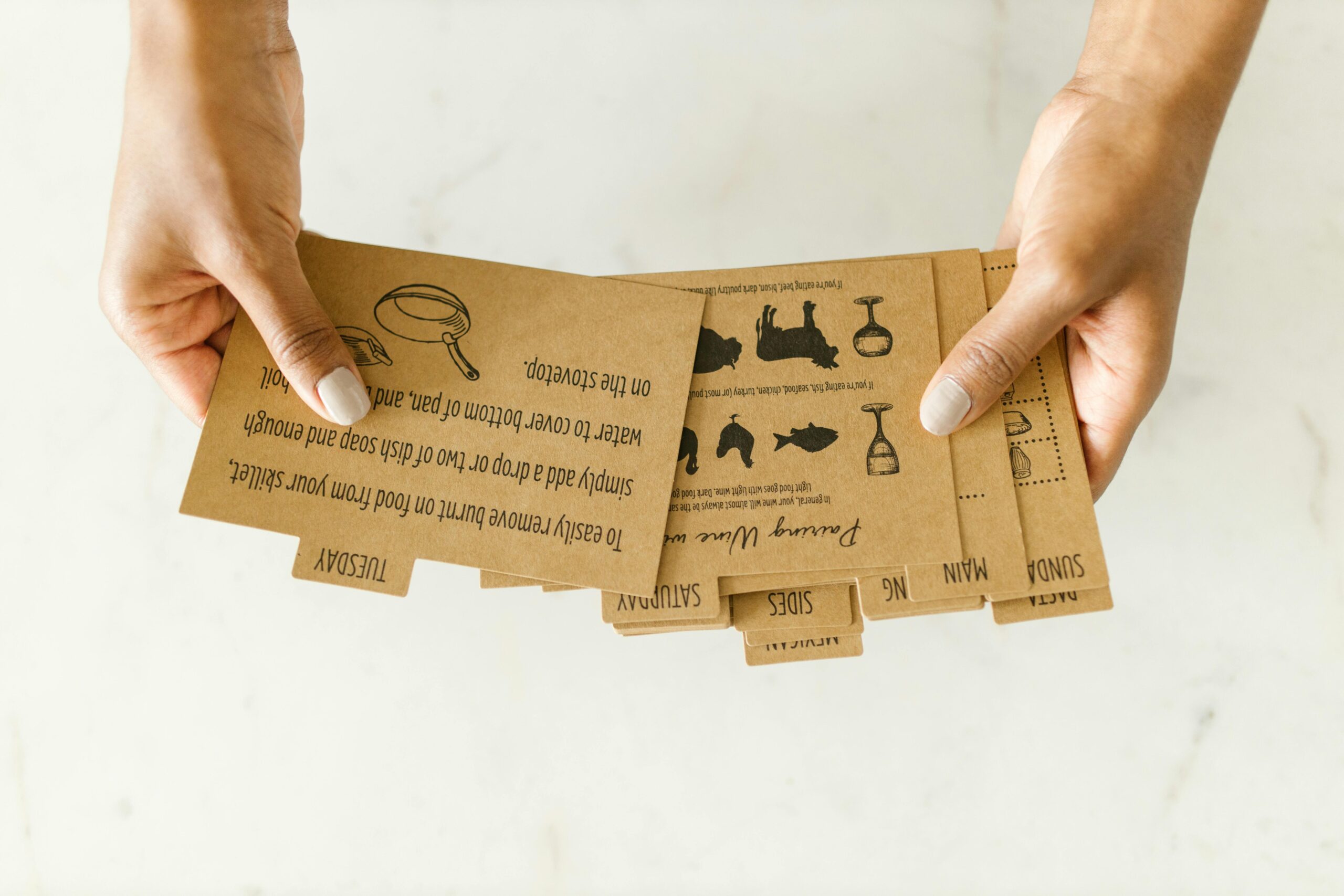
Theme nights simplify planning even further. Taco Tuesday, pasta Wednesday, and stir-fry Friday give structure to your menu while allowing flexibility within each category. Kids often enjoy the predictability, and you can still introduce new recipes within familiar frameworks.
Essential Batch-Cooking Equipment and Tools 🔪
While you don’t need a professional kitchen to batch-cook successfully, certain tools dramatically improve efficiency and results. Investing in quality equipment pays dividends through years of simplified meal preparation.
Quality storage containers are non-negotiable. Look for BPA-free, microwave-safe, dishwasher-safe containers in various sizes. Glass containers offer durability and don’t retain odors, though plastic options provide lighter, more portable alternatives. Plan on at least 15-20 containers to maintain a full week’s rotation.
Time-Saving Kitchen Appliances
- Slow Cooker or Instant Pot: These hands-off appliances cook while you focus on other tasks, perfect for stews, roasts, and batch proteins
- Food Processor: Dramatically reduces prep time for chopping vegetables, shredding cheese, and mixing ingredients
- Sheet Pans: Multiple large sheet pans allow simultaneous oven cooking of different components
- Immersion Blender: Makes quick work of soups and sauces directly in the cooking pot
- Quality Knives: Sharp knives accelerate cutting tasks and improve safety during extended prep sessions
A large stockpot and several skillets in different sizes enable parallel cooking streams. While one pot simmers sauce, another can cook pasta, and a third handles sautéed vegetables—all simultaneously reducing total cooking time.
Smart Shopping Strategies for Batch-Cooking Success 🛒
Effective batch-cooking begins at the grocery store. Strategic shopping ensures you have everything needed while avoiding expensive impulse purchases or forgotten ingredients that derail your plans.
Create a master shopping list organized by store sections: produce, proteins, dairy, pantry staples, and frozen items. This organization streamlines shopping trips and prevents backtracking through the store. Many families complete their entire week’s shopping in 45 minutes or less using organized lists.
Bulk Buying That Makes Sense
Purchase frequently used items in bulk when prices are favorable. Proteins freeze excellently, so stocking up during sales provides significant savings. Divide large packages into meal-sized portions before freezing for easier future use.
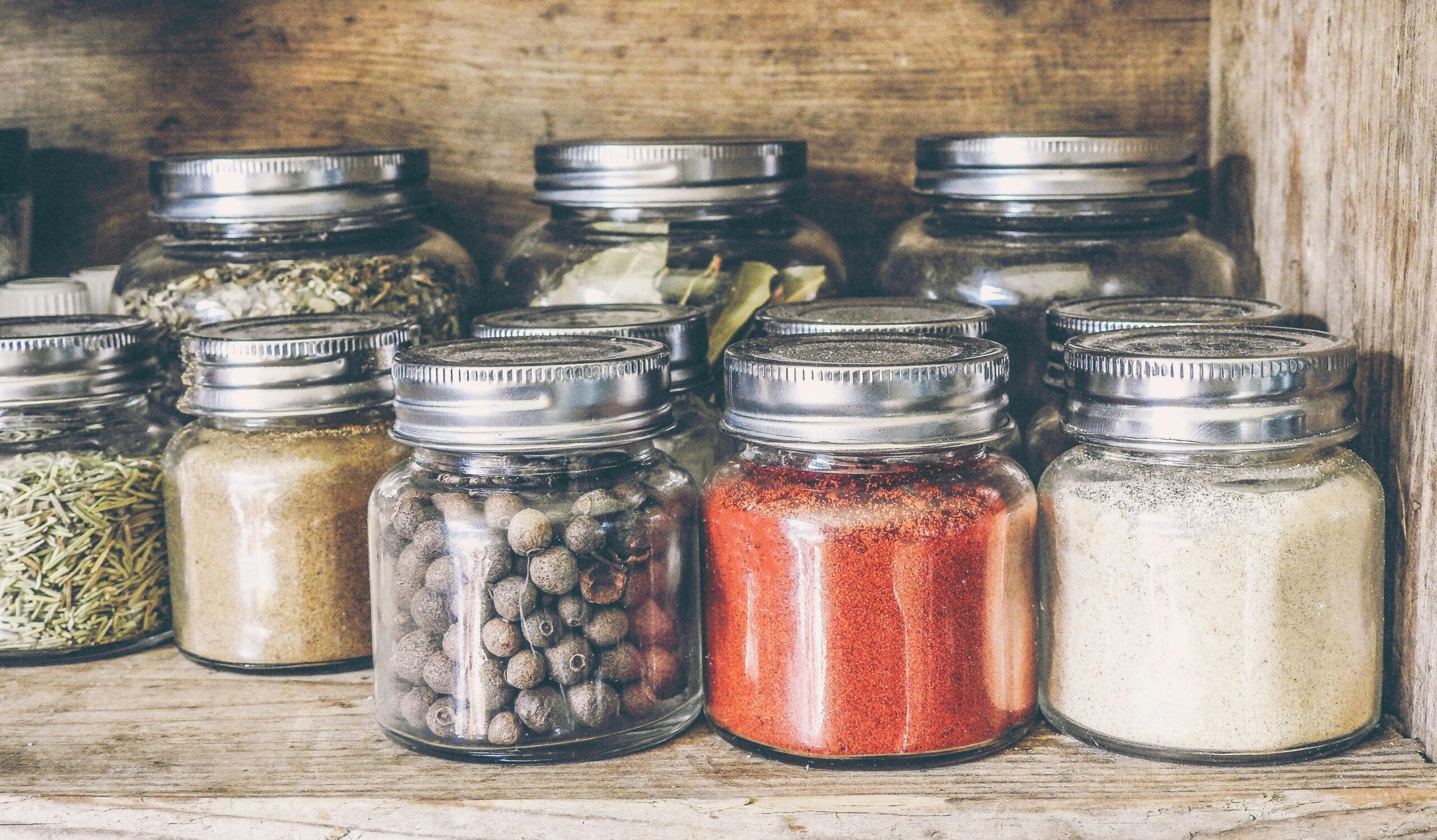
Pantry staples like rice, pasta, canned tomatoes, beans, and cooking oils should always be well-stocked. Running out of basic ingredients mid-prep wastes valuable time and disrupts workflow. Maintain a running inventory and replenish before items are completely depleted.
Fresh produce requires more careful planning. Buy what you’ll use within the week, prioritizing hardy vegetables like carrots, cabbage, and squash that maintain quality longer. Save delicate items like leafy greens for meals prepared closer to serving day.
🥘 The Batch-Cooking Day: Step-by-Step Process
Most families dedicate Sunday afternoons or another consistent block to batch-cooking. Expect to spend 2-4 hours initially; as you develop efficiency, this often reduces to 2-3 hours for a full week of meals.
Start by clearing and cleaning your workspace. A cluttered kitchen slows progress and increases stress. Load the dishwasher with any dirty dishes, clear countertops, and gather all needed equipment before beginning actual food preparation.
Prep Work First
Begin with comprehensive prep work: wash and chop all vegetables, measure dry ingredients, marinate proteins, and organize everything by recipe. This mise en place approach, borrowed from professional kitchens, dramatically improves cooking flow.
Tackle the longest-cooking items first. If your menu includes a slow-roasted meat or long-simmering sauce, start these immediately. While they cook, prepare quicker items, maximizing your productivity and oven space.
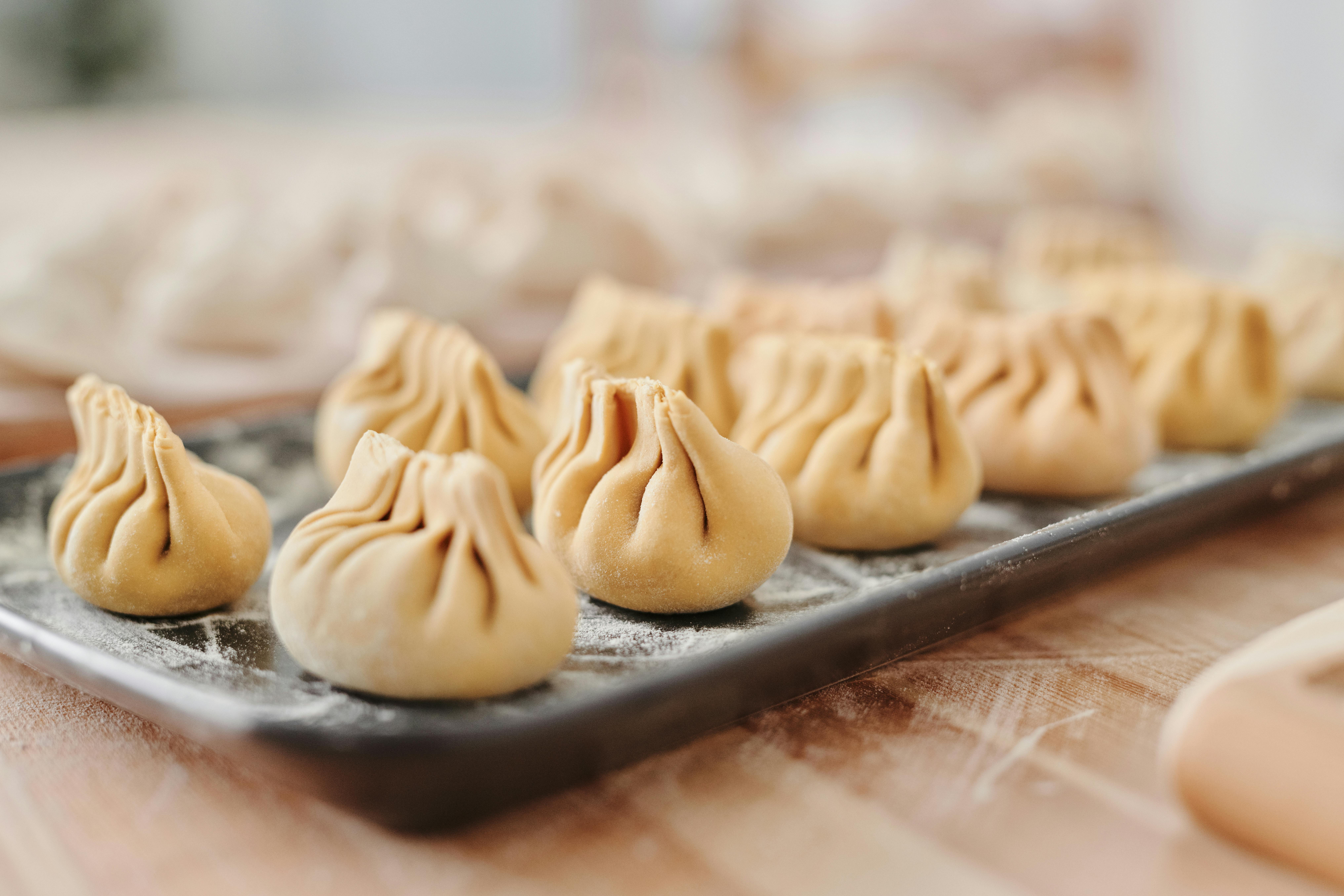
Cook in strategic batches. Prepare all grains together—rice, quinoa, pasta—using multiple pots simultaneously. Roast several sheet pans of different vegetables at once. Brown multiple pounds of ground meat in a large skillet, then divide for various recipes.
Assembly and Storage Protocol
As dishes finish cooking, allow proper cooling before storage. Hot food creates condensation in containers, promoting bacterial growth and reducing shelf life. Spread items on clean sheet pans to cool quickly, then portion and store.
Label everything clearly with contents and date prepared. What seems obvious during packing becomes confusing days later when containers look similar. Masking tape and permanent markers provide simple, effective labeling solutions.
Organize your refrigerator strategically. Place meals to be eaten first toward the front, pushing later-week options toward the back. This rotation system ensures nothing gets forgotten and spoils.
Family-Friendly Recipe Categories That Actually Work 👨👩👧👦
Certain recipe types excel in batch-cooking scenarios, maintaining quality and flavor throughout the week. Focus your efforts on these proven categories for best results with family audiences.
Casseroles and Bakes
One-dish meals like lasagna, enchiladas, shepherd’s pie, and baked pasta combine proteins, vegetables, and starches into complete meals. These dishes actually improve in flavor as ingredients meld together, making them perfect for advance preparation.
Assemble casseroles completely but bake just before serving for best texture. Store unbaked in refrigerator up to 3 days, or freeze up to 3 months. Add 10-15 minutes to baking time if cooking from refrigerated.
Soups, Stews, and Chilis
Liquid-based dishes are batch-cooking champions. They reheat beautifully, freeze exceptionally well, and often taste better after flavors have time to develop. Prepare double or triple batches with minimal additional effort.
Portion soups into individual or family-sized containers based on your household needs. Leave some headspace in containers as liquids expand when frozen. Thaw overnight in refrigerator, then reheat gently on stovetop or microwave.
Marinated and Grilled Proteins
Prepare various proteins in advance using different marinades for variety. Chicken breasts, pork chops, beef strips, and fish fillets all benefit from marinating. Store raw marinated proteins in freezer-safe bags, then thaw and cook as needed.
Alternatively, fully cook proteins during your batch session. Grilled chicken, meatballs, taco meat, and pulled pork stay moist when stored properly and add quick protein to salads, wraps, grain bowls, or pasta dishes throughout the week.
📱 Leveraging Technology for Meal Prep Success
Digital tools can streamline your batch-cooking journey, from planning through execution. Meal planning apps help organize recipes, generate shopping lists, and track what’s in your refrigerator.
Recipe management apps allow you to save favorite batch-cooking recipes, scale ingredient quantities automatically, and create custom cookbooks organized by category or dietary preference. Many include built-in timers and conversion calculators that simplify cooking logistics.
Grocery shopping apps sync your meal plan directly to categorized shopping lists. Some even offer pickup or delivery options, saving additional time. Price comparison features help identify best deals on bulk items you purchase regularly.
Accommodating Different Dietary Needs and Preferences 🥗
Family members often have varying dietary requirements, food allergies, or simple preferences. Batch-cooking can accommodate these differences with strategic planning rather than preparing entirely separate meals.
Use a base-plus-additions approach. Prepare versatile foundation components—plain proteins, cooked grains, roasted vegetables—then customize with different sauces, seasonings, or toppings. One base yields multiple distinct meals satisfying diverse tastes.
Managing Picky Eaters
Children with selective eating habits need not derail your batch-cooking efforts. Include at least one or two kid-friendly options each week that you know will be accepted. Gradually introduce new foods alongside familiar favorites to expand palates without pressure.
Deconstructed meals work wonderfully for picky eaters. Instead of mixed casseroles, serve components separately—protein, starch, vegetables—allowing children to control their plates. This approach often increases vegetable consumption and reduces mealtime conflicts.
Storage Guidelines and Food Safety Essentials ❄️
Proper storage ensures your batch-cooked meals remain safe and delicious throughout the week. Understanding basic food safety principles protects your family while maximizing your preparation investment.
Most cooked meals stay fresh refrigerated for 3-4 days. Freeze anything you won’t consume within this window. Cool foods to room temperature within 2 hours of cooking, then refrigerate or freeze promptly.
Freezer-Friendly Best Practices
Not all foods freeze equally well. Rice, pasta, most proteins, soups, and casseroles freeze excellently. Cream-based sauces, fresh vegetables with high water content, and fried foods generally don’t maintain quality through freezing.
Remove as much air as possible from freezer containers or bags to prevent freezer burn. Flat-packed bags save space and thaw more quickly than rigid containers. Stack frozen flat bags like files for easy organization and identification.
Label frozen items with contents and preparation date. Consume within 2-3 months for best quality, though most foods remain safe considerably longer. Rotate stock regularly, using older items before newer additions.
Reheating Methods That Preserve Quality 🔥
How you reheat batch-cooked meals significantly impacts final taste and texture. Different foods benefit from specific reheating approaches that restore their original appeal.
Microwave reheating offers speed and convenience but can create uneven temperatures and rubbery textures. Add a tablespoon of water to dishes before microwaving, and stop halfway through to stir, promoting even heating. Cover with a microwave-safe lid or damp paper towel to retain moisture.
Oven reheating takes longer but produces superior results, especially for casseroles and baked dishes. Heat at 350°F covered with foil to prevent drying. Remove foil during the last few minutes if you want to crisp the top.
Stovetop reheating works best for soups, stews, and sauced dishes. Use low-medium heat and stir frequently. Add small amounts of liquid if contents seem dry. This gentle method best preserves original flavors and textures.
Transforming Leftovers Into New Meals 🔄
Extend your batch-cooking impact by creatively repurposing components into entirely different meals. This strategy prevents flavor fatigue while maximizing ingredient utility.
Roasted chicken becomes chicken salad, tacos, soup, or pasta topping. Cooked ground beef transforms from taco filling to spaghetti sauce to stuffed pepper filling. Plain cooked grains turn into fried rice, grain bowls, or breakfast porridge.
Keep versatile sauce bases on hand—marinara, curry, teriyaki—that quickly transform basic proteins and vegetables into distinct meals. These sauces take minimal effort to prepare in large batches and freeze beautifully in portion-sized containers.
Building Your Confidence Through Practice 💪
Your first batch-cooking sessions might feel overwhelming or take longer than expected. This is completely normal. Like any skill, efficiency develops through repetition and experience.
Start small rather than attempting elaborate multi-course meal plans immediately. Begin with just 3-4 simple recipes for your first session. As processes become familiar and comfortable, gradually increase complexity and quantity.
Keep notes about what works and what doesn’t. Which recipes your family loved? Which storage containers leaked? How long did preparation actually take? These observations help refine your personal system over time.
Join online communities focused on meal prep and batch-cooking. These groups offer recipe ideas, troubleshooting advice, and motivational support. Seeing others’ successes inspires your own continued efforts, while shared challenges normalize the learning process.
Sustainable Batch-Cooking for Long-Term Success 🌱
Creating a sustainable batch-cooking practice means developing systems you can maintain long-term without burnout. Perfectionism becomes the enemy of consistency—focus on progress rather than perfection.
Build flexibility into your routine. Life happens, and some weeks won’t accommodate full batch-cooking sessions. Having a backup plan—a few frozen meals, simple 15-minute recipes, or healthy takeout options—prevents all-or-nothing thinking that leads to abandoning the practice entirely.
Involve family members in the process. Children can wash vegetables, stir ingredients, or pack containers based on age-appropriate abilities. Partners can tackle cleanup or manage specific cooking tasks. Shared responsibility reduces individual burden while teaching valuable life skills.
Celebrate your wins, no matter how small. Successfully getting homemade meals on the table during a chaotic week deserves recognition. The time saved, money preserved, and nutrition provided all represent meaningful achievements worth acknowledging.

Your Kitchen, Your Rules: Customizing the Approach 🎯
No single batch-cooking method works perfectly for every family. Your household size, schedule, budget, kitchen setup, and food preferences all influence what strategies serve you best.
Some families thrive preparing complete meals ready to reheat. Others prefer cooking components—proteins, grains, vegetables—that combine differently throughout the week. Experiment to discover your ideal approach.
Batch-cooking doesn’t require preparing every single meal in advance. Many families batch-cook 4-5 dinners weekly, leaving a couple nights for fresh cooking, leftovers, or eating out. Find the balance that reduces stress without feeling restrictive.
The ultimate goal is making your life easier and your family healthier. If a particular strategy creates more stress than it eliminates, adjust or abandon it. Your batch-cooking practice should feel empowering, not burdensome, supporting rather than complicating your daily life.
Mastering batch-cooking transforms not just mealtimes but your entire family dynamic. Less time stressing over dinner means more time for homework help, game playing, meaningful conversations, and simply being present with the people you love. The skills you develop create lasting benefits extending far beyond the kitchen, establishing patterns of planning, efficiency, and intentionality that serve your family for years to come.