Imagine opening your fridge midweek to find perfectly portioned, delicious meals waiting for you—no stress, no waste, just pure convenience and flavor. 🍲

In today’s fast-paced world, the struggle between eating healthy, saving time, and minimizing food waste feels like an impossible balancing act. We’ve all been there: tossing wilted vegetables, ordering takeout after a long day, or watching leftovers turn into science experiments in the back of the fridge. But what if there was a better way? Enter low-waste batch cooking—a revolutionary approach that transforms your relationship with food, your schedule, and even your budget. This method isn’t just about cooking in bulk; it’s about strategic meal planning that honors both your time and the planet’s resources.
🌱 Understanding the Low-Waste Batch Cooking Philosophy
Low-waste batch cooking combines two powerful concepts: preparing multiple meals at once and doing so with minimal environmental impact. Unlike traditional meal prep that might leave you eating the same chicken and rice five days straight, this approach emphasizes versatility, creativity, and sustainability. The goal is to cook efficiently while ensuring every ingredient has a purpose and nothing ends up in the trash.
The beauty of this method lies in its flexibility. You’re not committing to eating identical meals throughout the week. Instead, you’re creating components—building blocks that can be mixed, matched, and transformed into completely different dishes. Think of it as meal architecture rather than meal monotony.
Environmental consciousness sits at the heart of this practice. Food waste accounts for roughly 8-10% of global greenhouse gas emissions. When we throw away food, we’re not just wasting the item itself—we’re discarding all the water, energy, and resources that went into producing, transporting, and storing it. Low-waste batch cooking directly addresses this crisis while making your life easier.
🎯 Planning Your Low-Waste Batch Cooking Strategy
Success begins before you even step into the kitchen. Strategic planning is the foundation that prevents both food waste and mealtime stress. Start by taking inventory of what you already have—check your pantry, fridge, and freezer. You might be surprised by the ingredients hiding in the back that can inspire your next batch cooking session.
Choosing Versatile Ingredients
The secret to low-waste batch cooking is selecting ingredients that work across multiple recipes. Root vegetables like sweet potatoes, carrots, and onions have long shelf lives and incredible versatility. Grains such as quinoa, brown rice, and farro can be the base for grain bowls, added to soups, or transformed into breakfast porridges.
Proteins should be chosen with flexibility in mind. A batch of roasted chicken thighs can become tacos one night, top a salad the next, and get shredded into a soup later in the week. Legumes—beans, lentils, and chickpeas—are nutritional powerhouses that keep well and adapt to countless cuisines and cooking styles.
Creating Your Weekly Blueprint
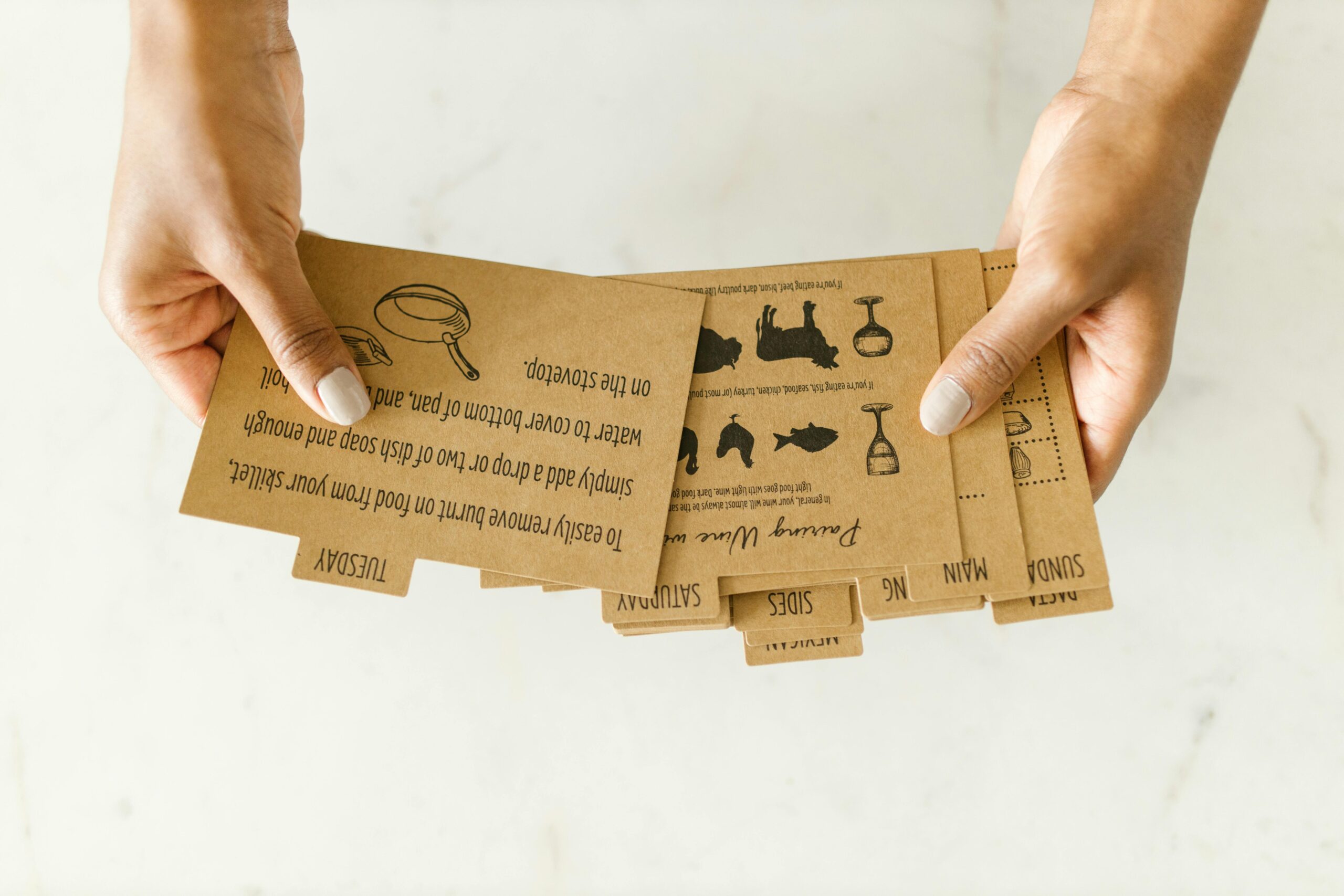
Before shopping, sketch out a loose meal plan that accounts for your schedule. Be realistic about how many meals you’ll actually eat at home. Include buffer meals for those inevitable busy nights when even reheating feels like too much work. Your plan should have structure but remain flexible enough to accommodate changes.
Consider ingredient overlap strategically. If you’re buying a bunch of cilantro, plan recipes throughout the week that use it—maybe a curry, fresh tacos, and an herb-packed salad. This intentional cross-utilization is what separates low-waste cooking from standard meal prep.
🛒 Smart Shopping for Maximum Efficiency
Armed with your plan, shopping becomes targeted rather than overwhelming. Shop your own kitchen first, building meals around what needs to be used. Then create a detailed shopping list organized by store section to minimize impulse purchases that often lead to waste.
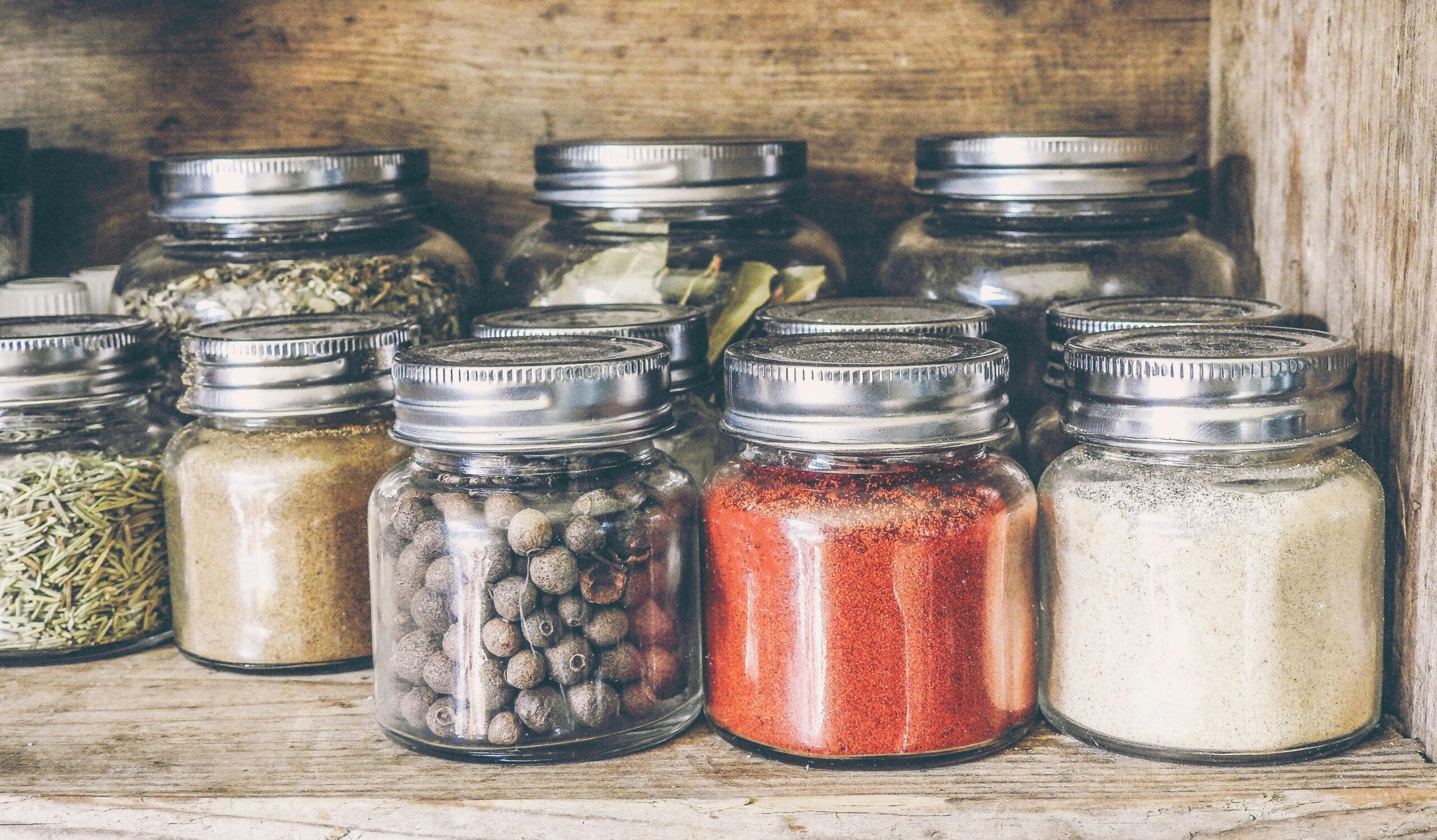
Buy in appropriate quantities. Bulk bins are excellent for purchasing exact amounts of grains, nuts, and spices without excess packaging. For produce, consider buying some items ready-to-eat and others that will last until later in the week—mixing baby spinach for early week salads with hardier kale for later meals.
Don’t overlook “ugly” produce or discounted items nearing their sell-by date if you’re cooking soon. These options reduce food waste at the retail level while saving money. Frozen vegetables and fruits are underrated heroes—they’re picked at peak ripeness, require no prep, and eliminate spoilage concerns.
👨🍳 The Batch Cooking Power Session
Dedicate a few hours to your batch cooking session—Sunday afternoons work well for many people, but choose whatever fits your schedule. The goal is to create multiple meal components simultaneously, maximizing oven and stovetop space.
Setting Up for Success
Before you begin cooking, prep your workspace. Clear counter space, gather all equipment, and do a quick scan of your recipes. Wash and chop vegetables assembly-line style. This initial investment in organization pays dividends in efficiency.
Start with items requiring the longest cooking time. Get grains simmering, proteins roasting, and beans pressure-cooking. While those cook, you can prep faster-cooking components. This orchestration is where batch cooking truly shines—multiple elements progressing simultaneously rather than sequentially.
The Cooking Cascade
Use your oven strategically by cooking multiple items at similar temperatures. Roast vegetables on one rack, chicken on another, and maybe even bake off some sweet potatoes. Your stovetop can handle a pot of grains while sautéing aromatics for a sauce or soup base.
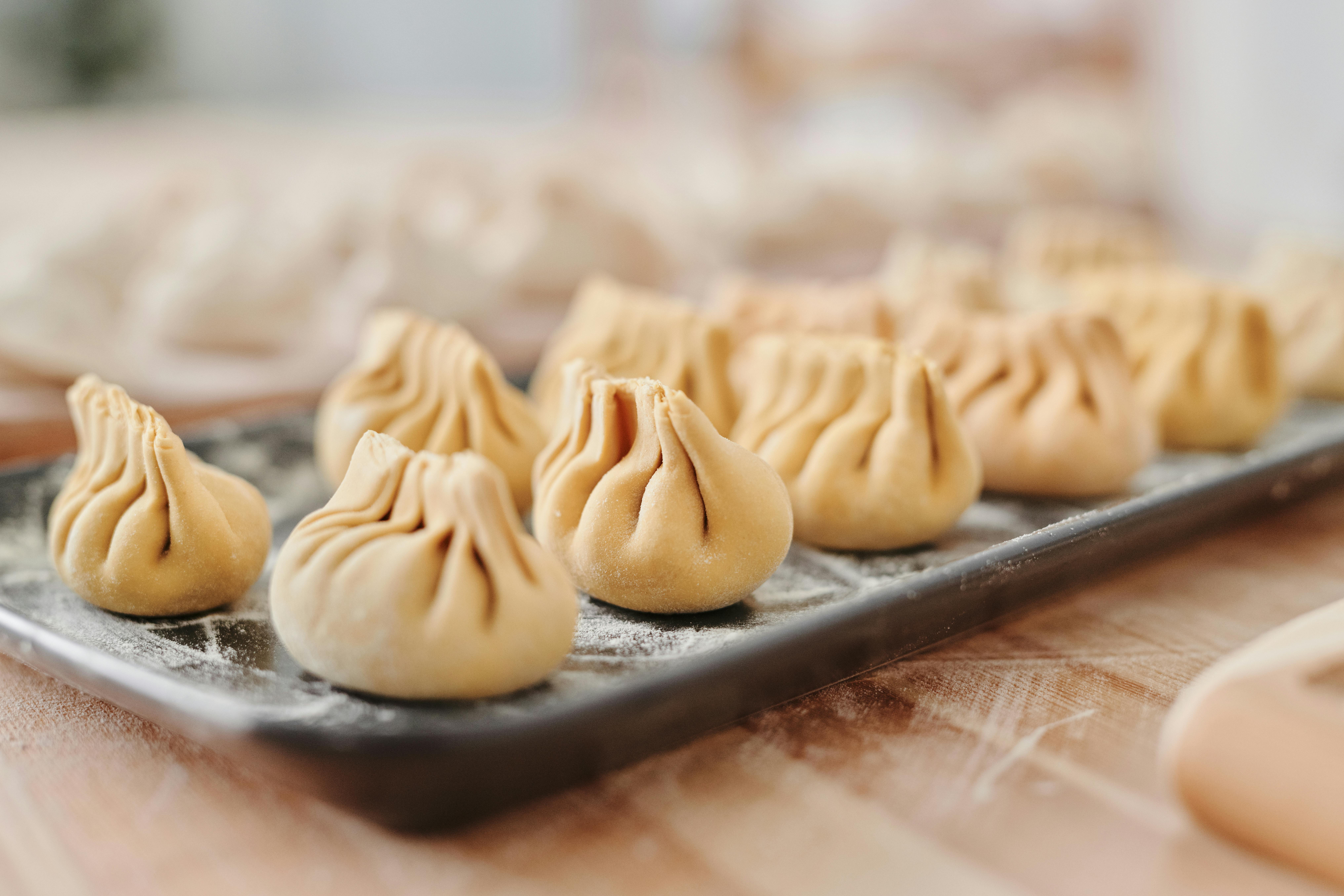
As items finish cooking, let them cool while you continue with other preparations. This is also when you might start assembling certain complete meals—perhaps a casserole that can be frozen or a soup that improves with time.
🥡 Storage Solutions That Extend Freshness
Proper storage is absolutely critical to low-waste batch cooking success. Invest in quality containers—glass is ideal as it doesn’t absorb odors, can go from fridge to oven, and lasts indefinitely. Have various sizes available for different portions and meal types.
Label everything with contents and dates using masking tape and markers. What seems obvious on Sunday becomes mysterious by Thursday. Store items strategically in your fridge, keeping items that need to be eaten sooner at eye level where you’ll see them first.
Many cooked components freeze beautifully. Soups, stews, cooked grains, and most proteins handle freezing well. Portion them before freezing so you can thaw only what you need. Flat freezer bags save space and thaw quickly—a game-changer for last-minute meal assembly.
Understanding Food Preservation
Different foods have different storage lives. Most cooked grains and proteins stay fresh for 4-5 days refrigerated. Heartier cooked vegetables last well, while delicate greens should be stored unwashed and added fresh to meals. Understanding these nuances prevents both premature disposal and food safety issues.
Revive leftover grains by sprinkling with water before reheating. Refresh cooked vegetables under the broiler or in a hot pan rather than microwaving when possible. These small techniques maintain quality and prevent “leftover fatigue.”
🍽️ Mix-and-Match Meal Assembly
This is where low-waste batch cooking becomes genuinely exciting. With your prepared components, meals come together in minutes with endless variety. The formula is simple: base + protein + vegetables + flavor + toppings.
Monday might be a grain bowl with quinoa, roasted chickpeas, roasted vegetables, tahini dressing, and fresh herbs. Tuesday transforms those same chickpeas into a curry with different vegetables and spices, served over rice. Wednesday sees your roasted chicken in tacos with quick-pickled vegetables and salsa. The ingredients are familiar, but the meals feel completely different.
Creative Component Combinations
Push yourself to think beyond obvious pairings. That batch of roasted sweet potatoes could top a salad, get mashed into quesadillas, blend into a soup, or become breakfast hash. Cooked lentils work in Mediterranean bowls, as taco filling, mixed into pasta sauce, or formed into patties.
Keep a selection of quick flavor-boosters on hand: good hot sauce, quality olive oil, fresh citrus, various vinegars, miso paste, and fresh herbs. These transform simple components into restaurant-worthy meals with minimal effort.
🌍 Minimizing Waste Throughout the Process
Low-waste cooking extends beyond just using what you cook. Vegetable scraps—onion skins, carrot tops, celery leaves, herb stems—can become rich stock. Keep a bag in your freezer, adding scraps until you have enough to simmer into liquid gold.
Wilting herbs can be blended into pesto or chimichurri. Overripe fruit becomes smoothies, baked goods, or compotes. Stale bread transforms into croutons, breadcrumbs, or bread pudding. There’s almost always a second life for ingredients that seem past their prime.
Composting handles truly unusable food scraps, returning nutrients to the earth rather than sending them to landfills where they produce methane. Many municipalities now offer composting programs, or you can maintain a small system at home.
💰 The Economic and Time Benefits
While environmental benefits are compelling, the practical advantages seal the deal for most people. Batch cooking dramatically reduces your grocery spending by eliminating impulse takeout orders and preventing food spoilage. When you have meals ready, you’re not tempted by expensive convenience options.
Buying ingredients for multiple meals at once often allows you to purchase larger, more economical sizes. You’ll use that entire bunch of kale across several recipes instead of buying small amounts repeatedly. Over months, these savings compound significantly.
Time savings are equally impressive. Yes, batch cooking requires a dedicated session, but it’s far less total time than cooking from scratch daily. Those weeknight hours previously spent cooking are now free for whatever you choose—exercise, hobbies, family time, or simply relaxing.
🔄 Adapting to Your Lifestyle and Preferences
Low-waste batch cooking isn’t one-size-fits-all. A single person’s approach differs from a family’s. Someone working from home has different needs than someone with a long commute. The beautiful thing is that the principles adapt to any situation.
Start small if the concept feels overwhelming. Begin by batch-cooking just one or two components—maybe a grain and a protein—and build from there as you gain confidence. Even small steps toward this method deliver benefits.
Dietary preferences and restrictions integrate seamlessly. Plant-based, gluten-free, keto, paleo—all work with this approach. The method is about strategy and efficiency, not specific ingredients or recipes.
Seasonal Adaptation
Let seasons guide your batch cooking choices. Summer’s abundance of fresh produce might mean lighter grain bowls and salads with grilled proteins. Winter calls for heartier stews, roasted root vegetables, and warming grains. Eating seasonally reduces costs, maximizes flavor, and minimizes environmental impact from long-distance shipping.
🎨 Keeping Meals Exciting and Flavorful
The biggest challenge with any meal prep system is battling boredom. Combat this by varying your flavor profiles throughout the week. If Monday is Mediterranean, make Tuesday Asian-inspired and Wednesday Mexican. The same base ingredients taste completely different with appropriate seasonings and accompaniments.
Keep some components intentionally plain—unseasoned grains, simply roasted proteins—so they’re blank canvases for different flavor directions. This flexibility prevents the “I’m sick of this food” feeling that derails many meal prep efforts.
Reserve one or two meals weekly for minimal cooking using your prepped components but with fresh finishing touches. Quickly sautéed greens, a fried egg, fresh avocado, or crispy toasted nuts elevate batch-cooked meals into something special.
🚀 Advanced Strategies for Batch Cooking Mastery
As you become comfortable with basic batch cooking, explore advanced techniques. Cook once, freeze twice—doubling recipes and freezing half for future weeks creates a rotating inventory of ready meals. Your freezer becomes a personal convenience store of homemade options.
Theme your batch cooking around specific cuisines or cooking methods. One week might focus on sheet-pan meals, another on pressure-cooker preparations, another on slow-cooker components. This variety keeps the process interesting while building your culinary skills.
Connect with others interested in batch cooking. Share containers of prepped food with friends or family members, effectively multiplying variety without additional work. Meal swaps introduce new recipes and ideas while building community.
📱 Tools and Resources to Support Your Journey
While low-waste batch cooking doesn’t require fancy equipment, certain tools enhance efficiency. A good chef’s knife, sturdy cutting board, large sheet pans, and quality storage containers are worthy investments. A pressure cooker or slow cooker adds versatility for hands-off cooking.
Digital tools can help with planning and organization. Recipe management apps, shopping list organizers, and meal planning calendars keep everything coordinated. Some apps specifically focus on reducing food waste by tracking what you have and suggesting recipes based on available ingredients.
🌟 Your Path Forward: Building Sustainable Habits
Mastering low-waste batch cooking is a journey, not a destination. Be patient with yourself as you develop systems that work for your unique situation. Some weeks will go perfectly; others might not go as planned—and that’s completely okay. Progress over perfection should be your mantra.
Track what works and what doesn’t. Keep notes about recipes, portions, and storage methods. This personal knowledge base becomes increasingly valuable, making each batch cooking session smoother than the last.
Celebrate your wins, both big and small. Every meal that doesn’t come from takeout packaging, every vegetable scrap that becomes stock instead of trash, every stress-free weeknight dinner—these are victories worth acknowledging. You’re not just feeding yourself; you’re participating in a more sustainable, mindful way of living.
The transformation that low-waste batch cooking brings extends far beyond your kitchen. It reshapes your relationship with food, helping you appreciate ingredients, reduce mindless consumption, and reconnect with the simple pleasure of nourishing yourself well. The time saved creates space for what truly matters in your life, while the waste reduced contributes to a healthier planet for everyone. ✨
Start your low-waste batch cooking journey today—your future self, your wallet, and the environment will thank you. The path to delicious, convenient, sustainable eating is simpler than you imagined, and it begins with just one batch cooking session.