Life gets busy, and the last thing you want after a long day is spending hours in the kitchen juggling multiple pots and pans. One-pot batch cooking offers the perfect solution for anyone seeking delicious, wholesome meals without the stress and mess of traditional cooking methods.

Imagine opening your refrigerator to find ready-made, flavorful meals that simply need reheating. This isn’t a dream—it’s the reality of smart batch cooking. By dedicating just a few hours on the weekend, you can transform your entire week into a series of stress-free mealtimes while enjoying restaurant-quality flavors from the comfort of your home.
🍲 Why One-Pot Batch Cooking Changes Everything
One-pot batch cooking revolutionizes your relationship with food preparation. Instead of daily cooking marathons that leave your kitchen looking like a disaster zone, you’re creating multiple meals in single vessels that minimize cleanup while maximizing flavor development. The beauty lies in simplicity—ingredients meld together beautifully when cooked in one pot, creating depth of flavor that’s difficult to achieve with quick-cook methods.
The financial benefits are substantial too. Buying ingredients in larger quantities for batch cooking typically reduces per-meal costs. You’ll also waste less food since you’re planning deliberately and using ingredients across multiple dishes. Additionally, having prepared meals ready means you’re far less likely to order expensive takeout or let fresh produce spoil in your refrigerator.
Time savings extend beyond just cooking. With batch-prepared meals, you’re consolidating your shopping trips, reducing decision fatigue about what to eat, and eliminating the nightly “what’s for dinner?” stress that plagues so many households. Your evenings become yours again—for relaxation, family time, hobbies, or whatever brings you joy.
Essential Equipment for One-Pot Success
You don’t need a kitchen full of expensive gadgets to master one-pot batch cooking. A few quality pieces will serve you well for years to come. The foundation of your one-pot arsenal should include a large, heavy-bottomed pot or Dutch oven with a tight-fitting lid—this workhorse handles everything from soups to braises beautifully.
A slow cooker or instant pot adds incredible versatility to your batch cooking routine. These appliances excel at hands-off cooking, allowing you to start meals in the morning and return home to fully-cooked dishes. They’re particularly brilliant for tenderizing tougher cuts of meat and developing rich, complex flavors in stews and curries.
Don’t overlook storage containers. Invest in quality glass or BPA-free plastic containers in various sizes. Proper storage preserves flavor, prevents freezer burn, and makes portion control effortless. Label everything with contents and dates—your future self will thank you when you’re deciding what to reheat on a busy Wednesday evening.
Planning Your Batch Cooking Sessions 📝
Success in batch cooking begins with thoughtful planning. Start by assessing your schedule for the upcoming week. How many meals do you need to prepare? Are there nights when you’ll eat out or have other plans? Understanding your actual needs prevents over-preparation and food waste.
Choose recipes that complement each other in ingredient use. If one recipe calls for half a bunch of cilantro, select another that uses the remainder. This strategic approach minimizes waste and keeps your grocery bill manageable. Consider varying your protein sources and flavor profiles throughout the week to prevent palate fatigue.
Create a master grocery list organized by store sections. This organizational step streamlines shopping and ensures you don’t forget crucial ingredients. Check your pantry first—you might already have essentials like canned tomatoes, dried herbs, or grains that form the foundation of many one-pot meals.
Building Your Batch Cooking Timeline
Dedicate a specific block of time for your cooking session—typically three to four hours works well for preparing four to six different meals. Begin with dishes requiring the longest cooking times, then work on quicker preparations while those simmer. This parallel processing maximizes efficiency and ensures everything finishes at roughly the same time.
Prep all ingredients before you start cooking. Chop vegetables, measure spices, and have everything ready to go. This mise en place approach, borrowed from professional kitchens, prevents mid-cooking scrambles and keeps you organized throughout the process.
🌟 Foolproof One-Pot Batch Meal Formulas
Understanding basic one-pot formulas empowers you to create countless variations without following rigid recipes. The classic formula includes a protein source, aromatics (onions, garlic, ginger), vegetables, liquid (broth, coconut milk, tomatoes), seasonings, and a starch component like rice, pasta, or potatoes.
The Perfect One-Pot Chicken and Rice
This timeless combination never disappoints. Start by browning chicken pieces in your pot, then remove them temporarily. Sauté onions and garlic until fragrant, add rice and toast briefly, then return the chicken along with broth and your choice of vegetables. The rice absorbs the chicken’s flavor while everything cooks together into a complete, satisfying meal.
Variations are endless: go Mediterranean with olives, tomatoes, and oregano; embrace Mexican flavors with cumin, peppers, and black beans; or travel to Asia with ginger, soy sauce, and bok choy. Each variation uses the same basic technique while delivering completely different taste experiences.
Hearty Stews and Chilis That Improve With Time
Stews and chilis are batch cooking superstars because their flavors actually deepen and improve after a day or two in the refrigerator. Begin with browning your protein and aromatics to build a flavor foundation. Add your liquids, vegetables, and seasonings, then let everything simmer until tender and the flavors meld beautifully.
Bean-based chilis offer excellent nutrition and budget-friendly protein. Combine different bean varieties—black, kidney, pinto—with tomatoes, peppers, and warming spices. For heartier versions, add ground beef, turkey, or chunks of beef chuck that become melt-in-your-mouth tender after slow cooking.
Versatile Curry Creations
Curries showcase one-pot cooking at its finest. Whether you prefer Thai, Indian, or Japanese curry styles, the method remains similar. Bloom your curry paste or spices in oil, add protein and harder vegetables first, then incorporate coconut milk or broth and finish with quicker-cooking vegetables and greens.
A coconut-based Thai curry with shrimp, vegetables, and rice noodles can be prepared in under 30 minutes yet feeds you multiple times. Indian-style chickpea curry offers plant-based protein and warming spices that satisfy deeply. Japanese curry with beef and potatoes provides comfort food appeal that works any time of year.
Maximizing Flavor in Your One-Pot Meals 🔥
The secret to restaurant-quality one-pot meals lies in proper technique. Always brown your proteins and aromatics before adding liquids—this Maillard reaction creates complex, savory flavors that form the foundation of great-tasting dishes. Don’t rush this step; proper browning is worth the few extra minutes.
Layer your seasonings throughout the cooking process rather than adding everything at once. Season lightly when browning, adjust during cooking, and finish with a final seasoning check before storing. This building approach creates depth that single-stage seasoning can’t match.
Finish your dishes with brightness. A squeeze of fresh lemon or lime juice, a handful of fresh herbs, or a dollop of yogurt added just before serving transforms good meals into memorable ones. These fresh elements contrast beautifully with the deep, developed flavors from slow cooking.
The Power of Aromatics and Spices
Never underestimate the impact of properly used aromatics. The holy trinity of onions, celery, and carrots forms the base of countless Western dishes. Meanwhile, Asian cooking often begins with garlic, ginger, and scallions. These foundational ingredients create aromatic complexity that permeates entire dishes.
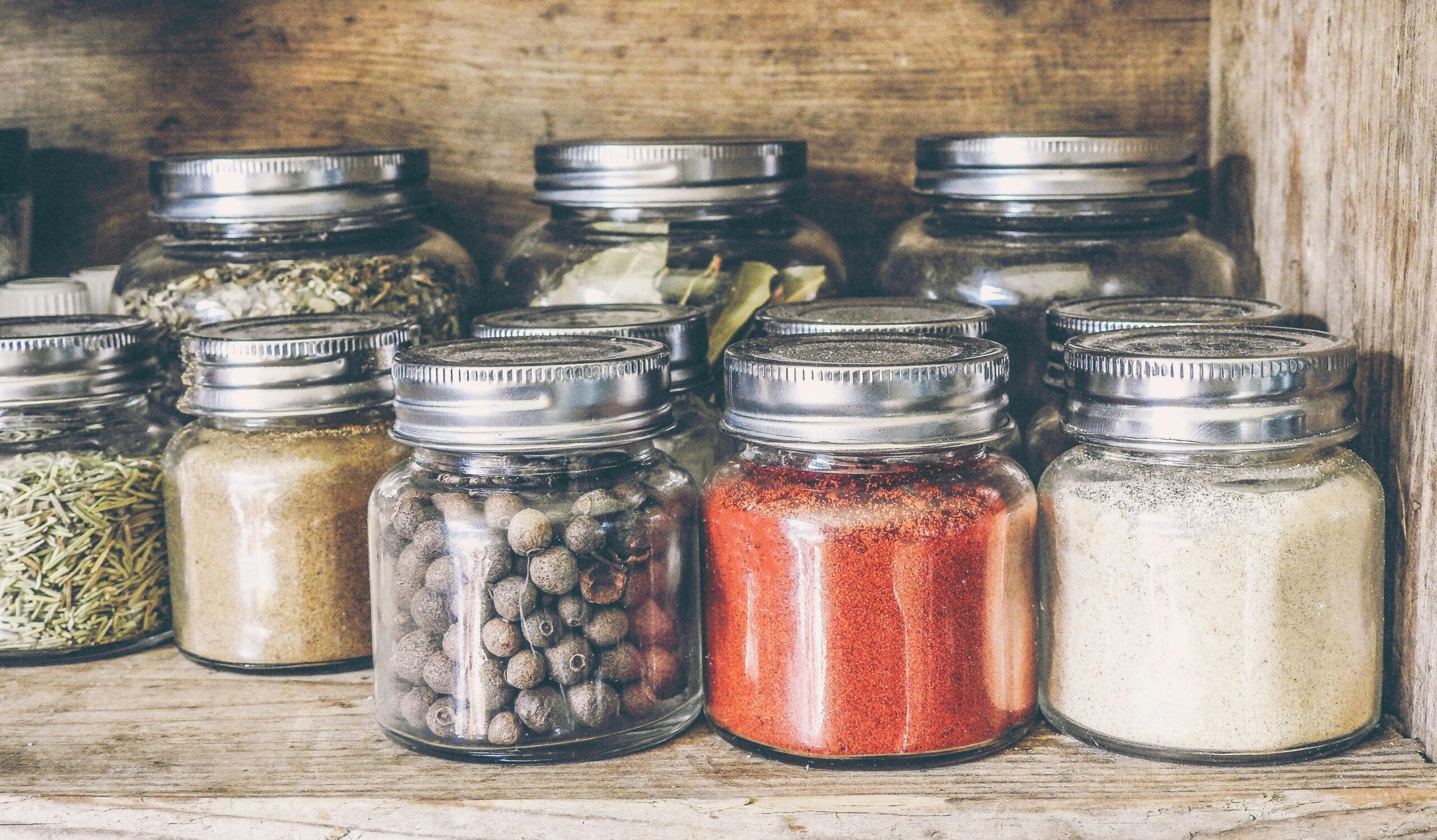
Toast whole spices before grinding or adding them to your pot. This simple step awakens their essential oils and dramatically intensifies their flavor. Cumin seeds, coriander, mustard seeds, and peppercorns all benefit from brief toasting in a dry pan before use.
Storage and Reheating Strategies for Best Results
Proper storage preserves both safety and quality. Cool your meals to room temperature within two hours of cooking, then transfer to storage containers. Divide large batches into meal-sized portions for convenience—you’ll thank yourself when you only need dinner for two rather than defrosting food for six.
Most one-pot meals keep refrigerated for four to five days. For longer storage, freeze portions in airtight containers, leaving some headspace for expansion. Label everything clearly with contents and date—frozen meals maintain quality for two to three months.
Reheating properly ensures your batch-cooked meals taste fresh. Stovetop reheating with a splash of water or broth often yields better results than microwaving, especially for rice-based dishes that can dry out. Stews and curries reheat beautifully and often taste even better after their flavors have married overnight.
Time-Saving One-Pot Meal Ideas for Every Palate 🍜
Mediterranean chickpea stew combines chickpeas, tomatoes, spinach, and warm spices for a plant-based meal that’s both nourishing and satisfying. Serve over couscous or with crusty bread for soaking up the flavorful broth. This dish actually improves after a day in the refrigerator as flavors meld together.
Classic beef and barley soup offers old-fashioned comfort in a bowl. Tender chunks of beef, hearty barley, and plenty of vegetables simmer into a meal that warms you from the inside out. Make a double batch—this freezes exceptionally well and provides quick lunches or dinners for weeks.
Jambalaya brings Louisiana flavor to your weekly rotation. Sausage, chicken, shrimp, rice, and the holy trinity of Cajun cooking come together in one pot for a meal that’s festive enough for company yet simple enough for weeknight dinners. The leftovers are equally delicious cold or reheated.
Asian-Inspired One-Pot Wonders
Teriyaki chicken and vegetable rice bowls deliver sweet-savory satisfaction. Chicken thighs, broccoli, carrots, and rice cook together with homemade or store-bought teriyaki sauce for a takeout-quality meal at home. Top with sesame seeds and sliced scallions for restaurant presentation.
Vietnamese-inspired pho noodle soup might seem complex, but one-pot versions simplify the process while maintaining authentic flavors. Beef or chicken simmers with star anise, cinnamon, and ginger to create aromatic broth, while rice noodles and fresh toppings make each serving feel custom-made.
Comfort Food Classics Reimagined
One-pot pasta primavera eliminates the need to boil pasta separately. Everything cooks together—pasta, vegetables, garlic, broth, and cream—creating a dish where the pasta absorbs maximum flavor while releasing starch that naturally thickens the sauce. It’s weeknight magic that tastes like you spent hours preparing it.
Shepherd’s pie deconstructed into a one-pot meal maintains all the comfort with less fuss. Ground lamb or beef cooks with vegetables in rich gravy, topped with mashed potatoes before a brief oven finish. The result satisfies deeply while streamlining both cooking and cleanup.
Adapting Recipes for Dietary Needs and Preferences
One-pot batch cooking adapts easily to various dietary requirements. For low-carb approaches, replace rice or pasta with cauliflower rice or spiralized vegetables. The cooking method remains identical, but you’ve transformed the nutritional profile to match your goals.
Plant-based eaters can substitute tofu, tempeh, or additional legumes for meat in virtually any one-pot recipe. The key is adding plant proteins toward the end of cooking to prevent overcooking and mushiness. Nutritional yeast, miso paste, and mushrooms add savory umami depth that replaces the richness meat typically provides.
For gluten-free needs, use rice, quinoa, or gluten-free pasta in place of wheat-based options. Check that your broth and sauces are certified gluten-free, as these sometimes contain hidden wheat products. The beauty of one-pot cooking is that substitutions rarely affect the overall success of the dish.
Troubleshooting Common Batch Cooking Challenges 🔧
If your meals taste bland after storage, you’ve likely under-seasoned initially. Remember that flavors dull slightly during refrigeration. Season assertively when cooking, then adjust again when reheating. Fresh herbs, citrus juice, or a splash of vinegar added at serving time revives dishes brilliantly.
Mushy vegetables result from overcooking. For batch meals you’ll reheat multiple times, slightly undercook vegetables during initial preparation. They’ll finish cooking during reheating, maintaining better texture throughout the week. Hardy vegetables like carrots and potatoes withstand reheating better than delicate options like zucchini.
Dried-out reheated meals need more liquid. Add a splash of broth, water, or cream when reheating to restore moisture. Cover the pot or container during reheating to trap steam and prevent further drying. This simple fix transforms disappointing leftovers into satisfying meals.
Building Sustainable Batch Cooking Habits
Start small if you’re new to batch cooking. Prepare just two or three meals for your first session rather than attempting a week’s worth immediately. As you build confidence and efficiency, gradually increase your batch sizes. This progressive approach prevents overwhelm and helps you develop systems that work for your lifestyle.
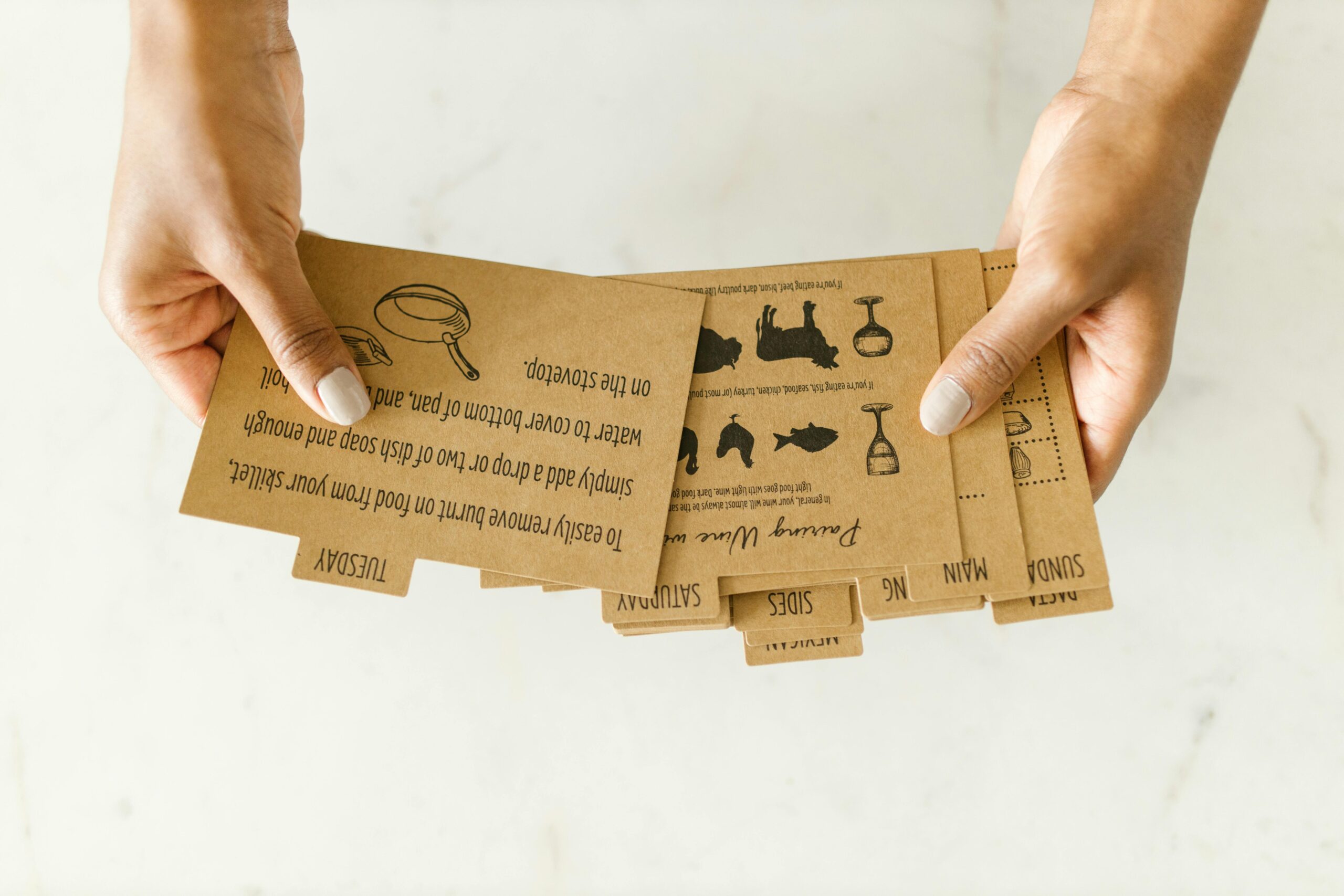
Maintain a running list of successful recipes. Note what your household enjoyed, what stored well, and what you’d modify next time. This personal database becomes invaluable for planning future batch cooking sessions and ensures you’re not constantly searching for new recipes.
Schedule your batch cooking sessions consistently. Whether it’s Sunday afternoon, Saturday morning, or even a weeknight evening, consistency builds the habit into your routine. Eventually, batch cooking becomes automatic rather than something requiring significant motivation.
Embracing the Freedom of Prepared Meals 🎉
The true gift of batch cooking isn’t just the time saved or money conserved—it’s the mental freedom it provides. Knowing your meals are handled eliminates daily decision fatigue and the stress of last-minute dinner scrambles. You reclaim evenings for connection, hobbies, and rest rather than reactive cooking out of necessity.
One-pot batch cooking represents a sustainable approach to feeding yourself and your family well. It’s neither deprivation nor excessive complication—it’s smart simplification that honors both your time and your desire for delicious, nourishing food. The meals you create become acts of self-care that benefit you throughout the week.
Start your batch cooking journey this weekend. Choose two simple recipes, set aside a few hours, and experience the satisfaction of opening your refrigerator to see a week of possibilities already prepared. Your future self—the one who comes home exhausted on Tuesday evening—will be endlessly grateful for the foresight and effort you invested today.