Meal prep has transformed from a niche fitness trend into a mainstream lifestyle choice that saves time, money, and mental energy. The secret to sustainable meal prep success lies not just in cooking, but in how you organize, portion, and label your prepared meals.

If you’ve ever opened your fridge to find mystery containers with unidentifiable contents or struggled to remember which meal was for which day, you’re not alone. Without proper portioning and labeling systems, even the most beautifully cooked meals can become a source of frustration rather than convenience. The good news is that revolutionizing your meal prep doesn’t require expensive equipment or complicated processes—just smart strategies that work with your lifestyle.
🎯 Why Proper Portioning Changes Everything
Portioning isn’t just about dividing food into containers—it’s about creating a system that supports your health goals, reduces waste, and simplifies your daily routine. When you portion meals correctly, you eliminate the guesswork that often leads to overeating or nutritional imbalances.
Proper portioning starts with understanding your nutritional needs. Whether you’re tracking macros, counting calories, or simply trying to eat balanced meals, having pre-portioned servings removes the need to measure and calculate every single time you eat. This consistency is particularly valuable for anyone working toward specific fitness or health objectives.
Beyond nutrition, portioning controls food costs. When you divide bulk-cooked meals into exact servings, you can calculate the precise cost per meal and identify where your food budget actually goes. This visibility often reveals surprising opportunities to save money without sacrificing quality or satisfaction.
🔧 Essential Tools for Perfect Portioning
Your portioning system only works as well as the tools supporting it. While you don’t need to invest in every gadget on the market, certain essentials make the process significantly more efficient and accurate.
Glass containers with measurement markings provide dual functionality—they show portion sizes and offer safe, microwave-friendly storage. Unlike plastic alternatives, quality glass containers don’t absorb odors or stains, maintaining their appearance and functionality through hundreds of uses.
A digital food scale is non-negotiable for serious meal preppers. Volume measurements can be deceiving, especially with calorie-dense foods like nuts, oils, and grains. Weighing your portions ensures consistency and accuracy that measuring cups simply cannot match.
Compartmented containers deserve special mention for their ability to keep different meal components separate. Nobody wants soggy salad greens or sauce-soaked rice. These divided containers maintain food quality and presentation, making your prepped meals as appealing on day five as they were on day one.
Container Selection Strategy
Not all containers serve the same purpose, and building a versatile collection requires strategic thinking. Consider your typical meal types and eating patterns before making bulk purchases.
- Single-compartment containers work best for one-pot meals, soups, stews, and casseroles
- Two-compartment containers suit protein-and-vegetable pairings or meals with sauce separation needs
- Three-compartment containers accommodate complete balanced plates with protein, carbs, and vegetables
- Mason jars excel for salads, overnight oats, and layered meals where ingredients stack vertically
- Silicone bags provide flexible storage for snacks, cut vegetables, and items destined for freezing
📊 Creating Your Personal Portion Blueprint
Generic portion recommendations rarely align perfectly with individual needs. Your ideal portions depend on activity level, body composition goals, metabolic rate, and personal preferences. Developing a personalized blueprint eliminates constant recalculation and decision fatigue.
Start by determining your baseline portions for each macronutrient category. A common framework allocates portions based on hand measurements: palm-sized protein servings, fist-sized carbohydrate portions, thumb-sized fat servings, and unlimited non-starchy vegetables. This intuitive approach works well for people who prefer not to track every gram.
For those pursuing specific fitness goals, precise macro tracking provides better results. Calculate your daily protein, carbohydrate, and fat targets, then divide those totals by the number of meals you eat. This mathematical approach removes guesswork and ensures every meal contributes proportionally to your nutrition goals.
Document your portion blueprint in a format you’ll actually reference. Whether that’s a note on your phone, a printed chart in your kitchen, or a spreadsheet, having quick access to your portion guidelines during meal prep prevents mistakes and maintains consistency.
🏷️ Labeling Systems That Actually Work
A brilliant portioning system fails without clear labeling. When containers pile up in your refrigerator, visual identification becomes impossible, and that carefully prepped food goes to waste because nobody knows what’s inside or when it was made.
Effective labels communicate three essential pieces of information: contents, preparation date, and consumption timeline. Some people add additional details like calorie counts, macro breakdowns, or reheating instructions, but these three basics keep your system functional.
The labeling method you choose should match your meal prep volume and lifestyle. For casual preppers making five to ten meals weekly, simple masking tape and permanent markers suffice. Medium-volume preppers benefit from removable labels that can be washed and reused. High-volume operations might justify a label maker that produces professional-looking, consistent labels quickly.
Color-Coding for Visual Organization
Color-coding supercharges your labeling system by enabling instant visual recognition. Instead of reading every label to find Tuesday’s lunch, you immediately spot the container with the blue marker or lid.
Implement color-coding based on the organizational framework that matters most to you. Some people assign colors by day of the week, others by meal type (breakfast, lunch, dinner, snacks), and still others by dietary category (high-protein, low-carb, vegetarian). Choose the system that aligns with how you actually think about and consume your meals.
Colored electrical tape offers an inexpensive, versatile color-coding solution. Wrap different colors around container edges or lids, creating visual markers that survive multiple wash cycles. Alternatively, invest in sets of containers that come with interchangeable colored lids or clips.
⏰ Time-Saving Batch Labeling Techniques
Labeling individual containers becomes tedious when you’re processing twenty or thirty meals at once. Streamlining this final step prevents it from becoming the bottleneck that makes meal prep feel like a chore.
Pre-label containers before filling them. While your food cooks, spend five minutes writing labels for all containers you’ll be using. This parallel processing approach eliminates the post-cooking slump when you’re tired and just want to be finished.
Create label templates for meals you prepare regularly. Instead of handwriting “Chicken, Rice, and Broccoli” every single week, print sheets of pre-made labels or save templates in your label maker. You’ll only need to add the date, dramatically reducing labeling time.
Batch similar items together during both portioning and labeling. Complete all chicken meals consecutively, then all ground turkey meals, then all vegetarian options. This assembly-line approach creates rhythm and reduces mental switching costs between different meal types.
📱 Digital Tools for Enhanced Organization
Technology transforms meal prep from a purely physical activity into an integrated system where digital and physical components work together seamlessly. The right apps provide planning, tracking, and inventory management capabilities that paper systems simply cannot match.
Meal planning apps help you design balanced weekly menus, generate shopping lists, and scale recipes according to your portion requirements. Many include nutritional calculators that automatically determine macro breakdowns based on ingredients and serving sizes you input.
Some dedicated meal prep apps offer barcode scanning for packaged ingredients, voice-input for hands-free operation while cooking, and photo documentation so you can visually remember what’s in each container. These features bridge the gap between your physical meal prep and digital organization system.
Food inventory apps prevent waste by tracking what you’ve prepared and when it expires. Set reminders for containers approaching their use-by dates, ensuring nothing gets forgotten in the back of the refrigerator. Some apps even suggest recipes based on ingredients you already have, helping you plan future prep sessions around existing inventory.
🌡️ Storage Duration and Food Safety Protocols
Even perfectly portioned and labeled meals become hazardous if stored incorrectly or kept too long. Understanding food safety guidelines protects your health and maximizes the value of your meal prep efforts.
Most cooked meals remain safe in the refrigerator for three to four days. Certain items like seafood and dairy-heavy dishes should be consumed within two days, while others like bean-based meals can stretch to five days. When in doubt, freeze portions you won’t consume within three days rather than risking spoilage.
Proper cooling before storage is critical for food safety. Large portions of hot food cool too slowly in the refrigerator, creating ideal conditions for bacterial growth. Divide hot foods into shallow containers and allow them to cool at room temperature for no more than two hours before refrigerating.
| Food Category | Refrigerator Duration | Freezer Duration |
|---|---|---|
| Cooked Poultry | 3-4 days | 4 months |
| Cooked Red Meat | 3-4 days | 2-3 months |
| Cooked Fish | 1-2 days | 2-3 months |
| Cooked Grains | 4-6 days | 6 months |
| Cooked Vegetables | 3-5 days | 8 months |
| Soups/Stews | 3-4 days | 2-3 months |
🎨 Aesthetic Organization for Motivation
Functionality matters most, but aesthetic appeal shouldn’t be underestimated. An attractive, well-organized meal prep system provides psychological benefits that increase adherence and make the entire process more enjoyable.
Uniform containers create visual harmony in your refrigerator and make stacking more efficient. Mixing various brands, sizes, and styles creates visual chaos and wastes storage space through poor stacking. Investing in matching sets pays dividends in both appearance and functionality.
Refrigerator organization follows the same principles as any effective display system. Place current week’s meals at eye level where they’re immediately visible and accessible. Stack older items in front of newer ones, following the first-in-first-out principle restaurants use to minimize waste.
Consider taking photos of your completed meal prep sessions. These images serve multiple purposes: they document what you’ve prepared for reference, create shareable content if you’re part of meal prep communities, and provide motivational evidence of your accomplishments during weeks when you’re tempted to skip prep day.
💡 Advanced Strategies for Power Users
Once you’ve mastered basic portioning and labeling, advanced techniques can further optimize your system for maximum efficiency and flexibility.
Component meal prep separates complete meals into individual components stored separately. Instead of portioning complete chicken-rice-broccoli plates, you store bulk containers of plain chicken, plain rice, and plain broccoli. This approach maximizes flexibility, allowing you to mix and match components based on daily preferences while maintaining portion control.
Freezer meal rotations extend your prep horizon beyond a single week. Dedicate one monthly prep session to creating freezer-friendly meals that supplement your weekly refrigerator stock. This hybrid approach provides variety without requiring weekly prep of completely different meals.
Macro-based portioning assigns different-sized portions to different days based on your training schedule or activity levels. Athletes often eat more calories on training days and fewer on rest days. Pre-portioning meals in two or three different sizes accommodates this variability while maintaining the convenience of grab-and-go meals.
🔄 Troubleshooting Common Portioning Problems
Even experienced meal preppers encounter challenges. Recognizing common problems and their solutions prevents minor issues from derailing your entire system.
If you consistently have leftover portions that don’t fit into your standard containers, your portion calculations are off. Recalculate based on actual yield rather than recipe estimates, and consider whether you’re measuring ingredients before or after cooking (cooked grains and proteins weigh significantly less than raw versions).
When containers pile up faster than you’re eating meals, you’re probably over-prepping. Scale back gradually until you find the sweet spot where you’re using every container before the next prep session. It’s better to prep four days of meals and cook fresh one day than to prep seven days and waste three.
Labels that won’t stay attached indicate wrong label type for your storage conditions. Switch to freezer-grade labels if you’re freezing meals, or move from paper labels to plastic or vinyl versions if condensation causes peeling in your refrigerator.
🌟 Building Sustainable Habits
The perfect portioning and labeling system means nothing if you can’t maintain it consistently. Building sustainable habits around meal prep requires realistic expectations and gradual implementation.
Start smaller than you think necessary. If you’ve never meal prepped before, begin with just three days of lunches rather than full weeks of all meals. Success with a small system builds confidence and reveals what works for your specific situation before you’ve invested heavily in containers and supplies.
Schedule your prep sessions as non-negotiable appointments. Treat them with the same respect you’d give to a doctor’s appointment or work meeting. Consistency matters more than perfection—a regular Sunday afternoon session outperforms sporadic marathon prep days that leave you exhausted.
Continuously refine your system based on actual experience. Pay attention to which containers you reach for most often, which labels actually help versus those you ignore, and which meals you’re excited to eat versus those that sit untouched. Your system should evolve alongside your preferences and circumstances.
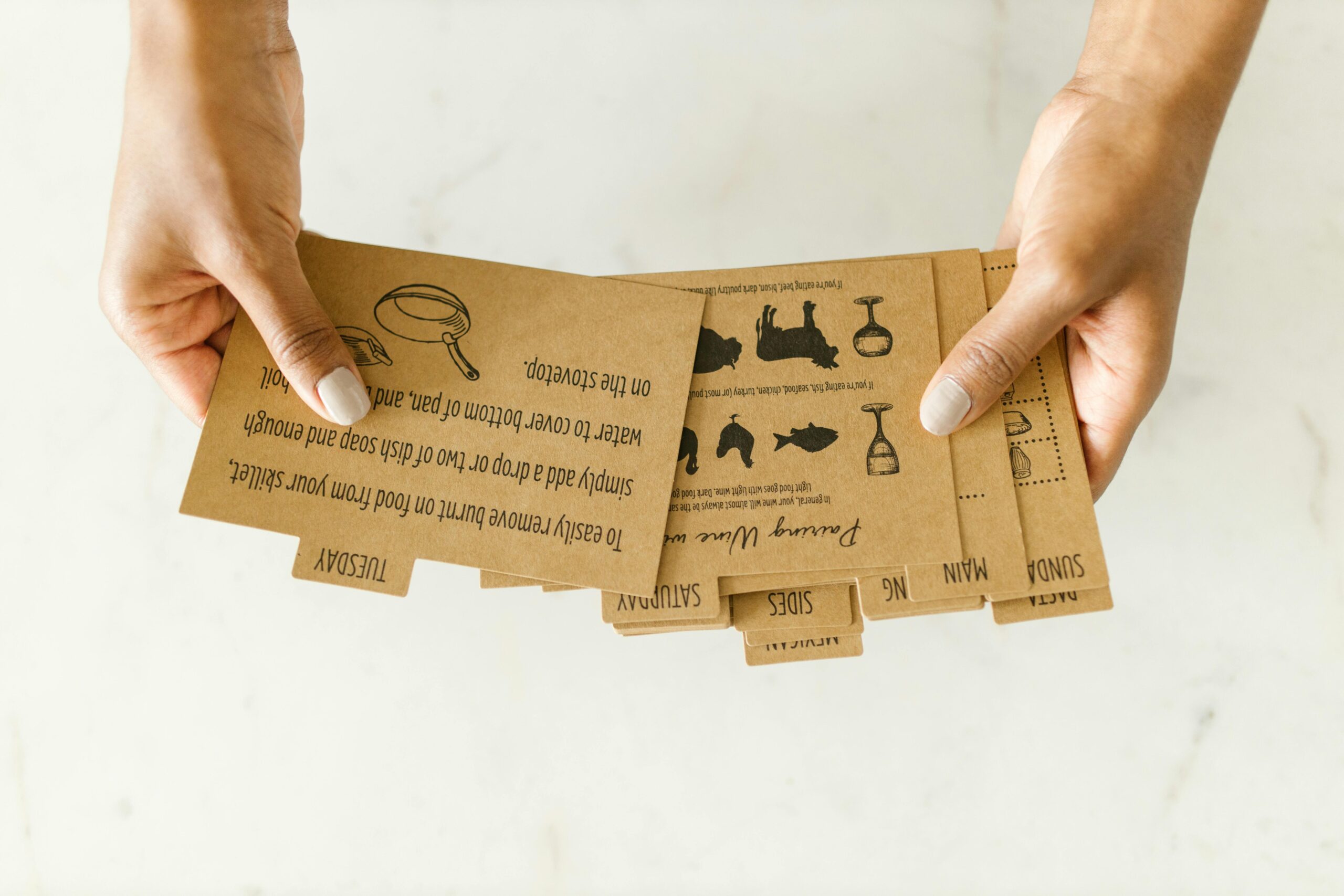
🚀 Taking Your Meal Prep to the Next Level
Mastering portioning and labeling transforms meal prep from a survival tactic into a true lifestyle advantage. With organized, well-labeled meals ready to grab, you reclaim mental energy previously wasted on food decisions, reduce stress around eating well, and create space for other priorities in your life.
The systems you build now will serve you for years, adapting as your needs change but maintaining the core principles of thoughtful portioning, clear labeling, and organized storage. Whether you’re meal prepping for weight loss, athletic performance, budget management, or simply to avoid the daily “what’s for dinner” dilemma, these foundational skills make success achievable and sustainable.
Remember that your perfect system is the one you’ll actually use. Don’t get caught up pursuing Pinterest-perfect meal prep aesthetics if a simpler approach works better for your reality. The goal is nourished, less-stressed, more-organized you—everything else is just details.