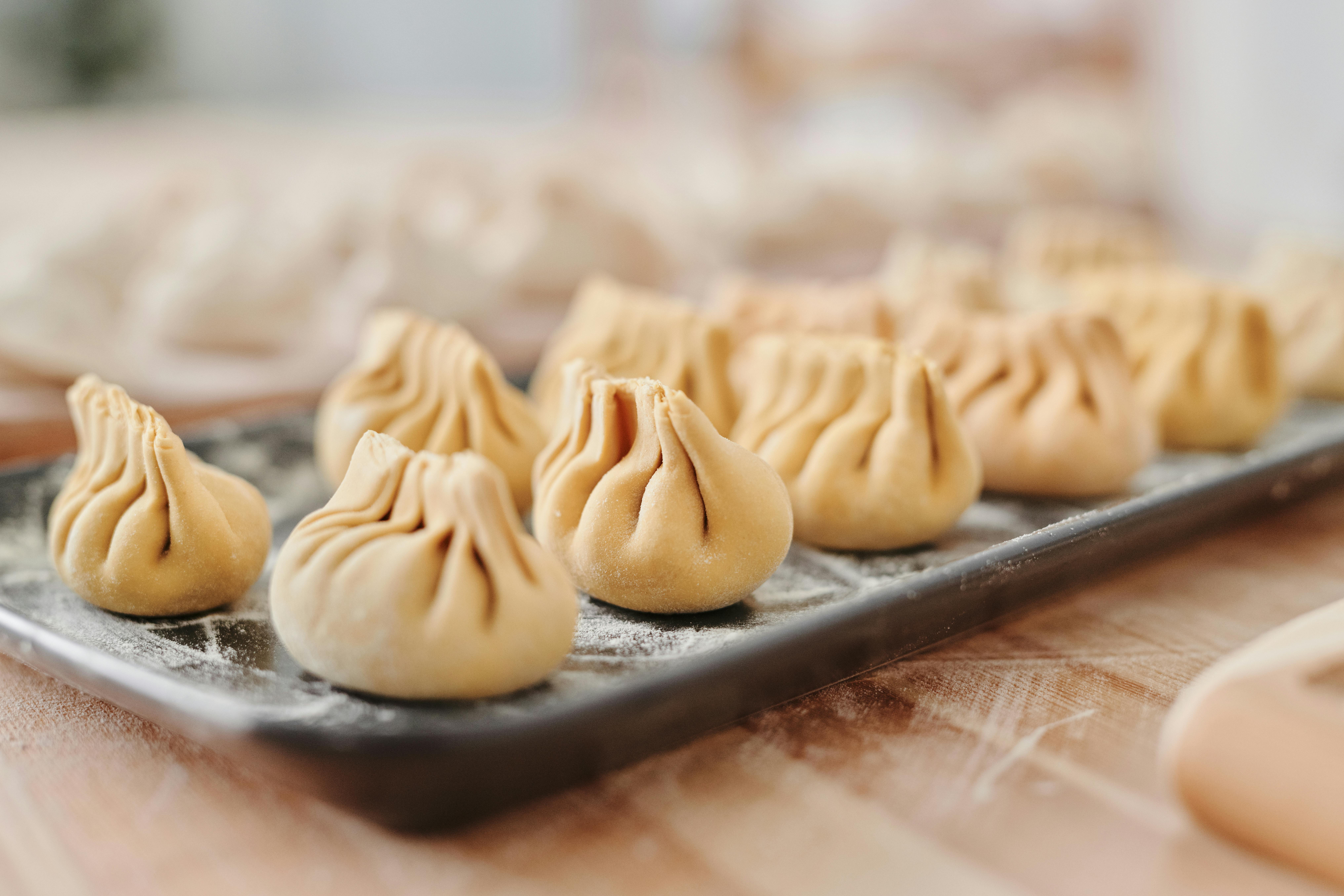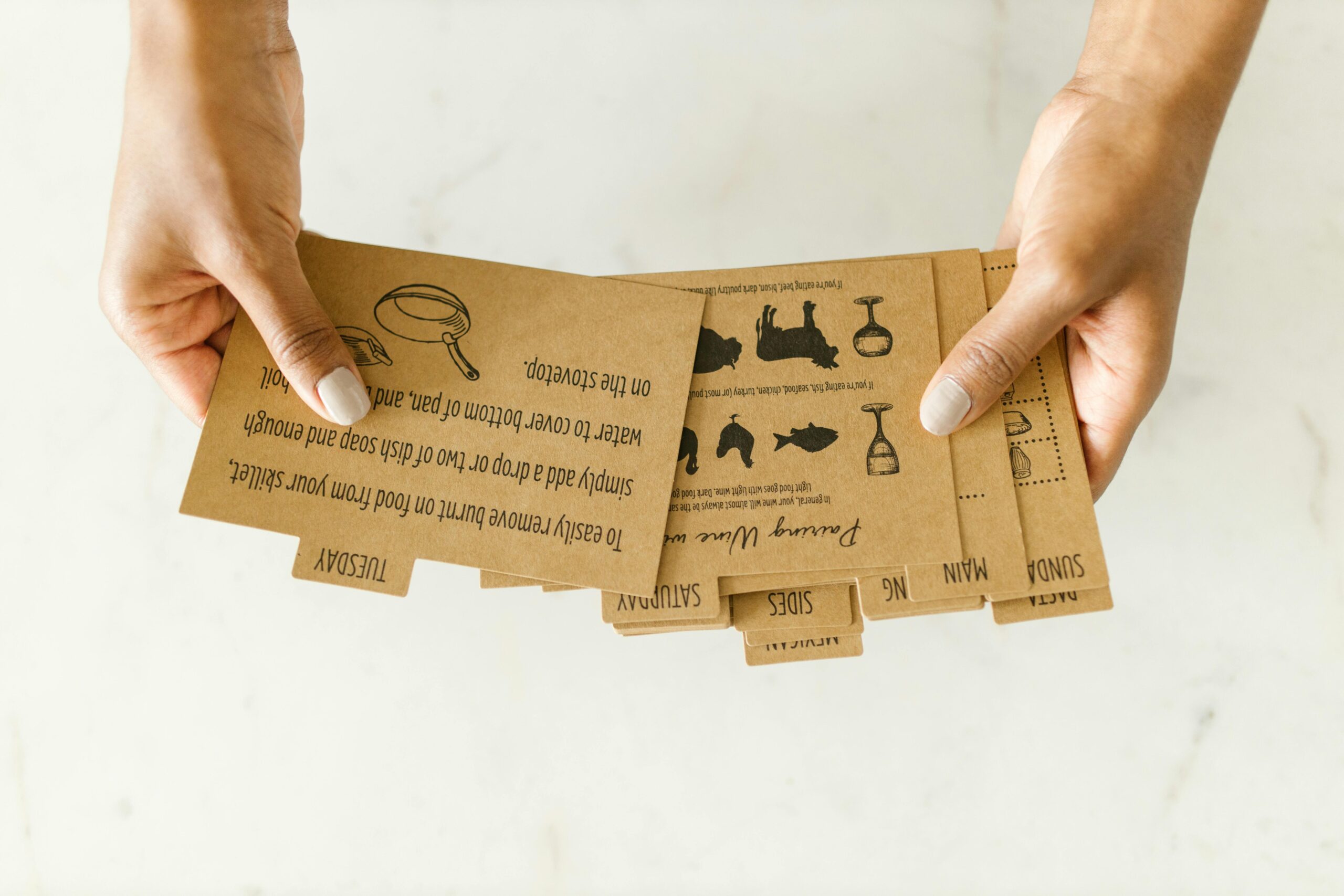
Batch-cooking transforms chaotic weeknights into calm, organized meals by preparing food in advance using simple pantry staples you already own.

If you’ve ever felt overwhelmed by the daily question “What’s for dinner?”, you’re not alone. The art of batch-cooking offers a practical solution that busy families, working professionals, and meal-prep enthusiasts have embraced worldwide. This approach isn’t just about cooking large quantities—it’s about strategic preparation that leverages versatile pantry essentials to create delicious, nutritious meals without the stress. Whether you’re feeding a family of five or meal-planning for yourself, mastering this technique will revolutionize your relationship with food and free up precious time throughout your week.
🍳 Understanding the Batch-Cooking Philosophy
Batch-cooking represents a shift in how we approach meal preparation. Rather than starting from scratch every single day, this method involves dedicating a specific block of time—usually a few hours on weekends—to prepare components or complete dishes that serve you throughout the week. The beauty lies in its flexibility: you can batch-cook entire meals, prepare base ingredients, or simply chop vegetables and cook grains in advance.
The psychological benefits are equally impressive. When you open your refrigerator to find pre-portioned meals or ready-to-assemble components, decision fatigue disappears. You’ve already done the mental work, and now you simply execute. This approach also reduces food waste dramatically, as you’re purchasing and using ingredients with intention rather than impulse.
Essential Pantry Staples for Successful Batch-Cooking
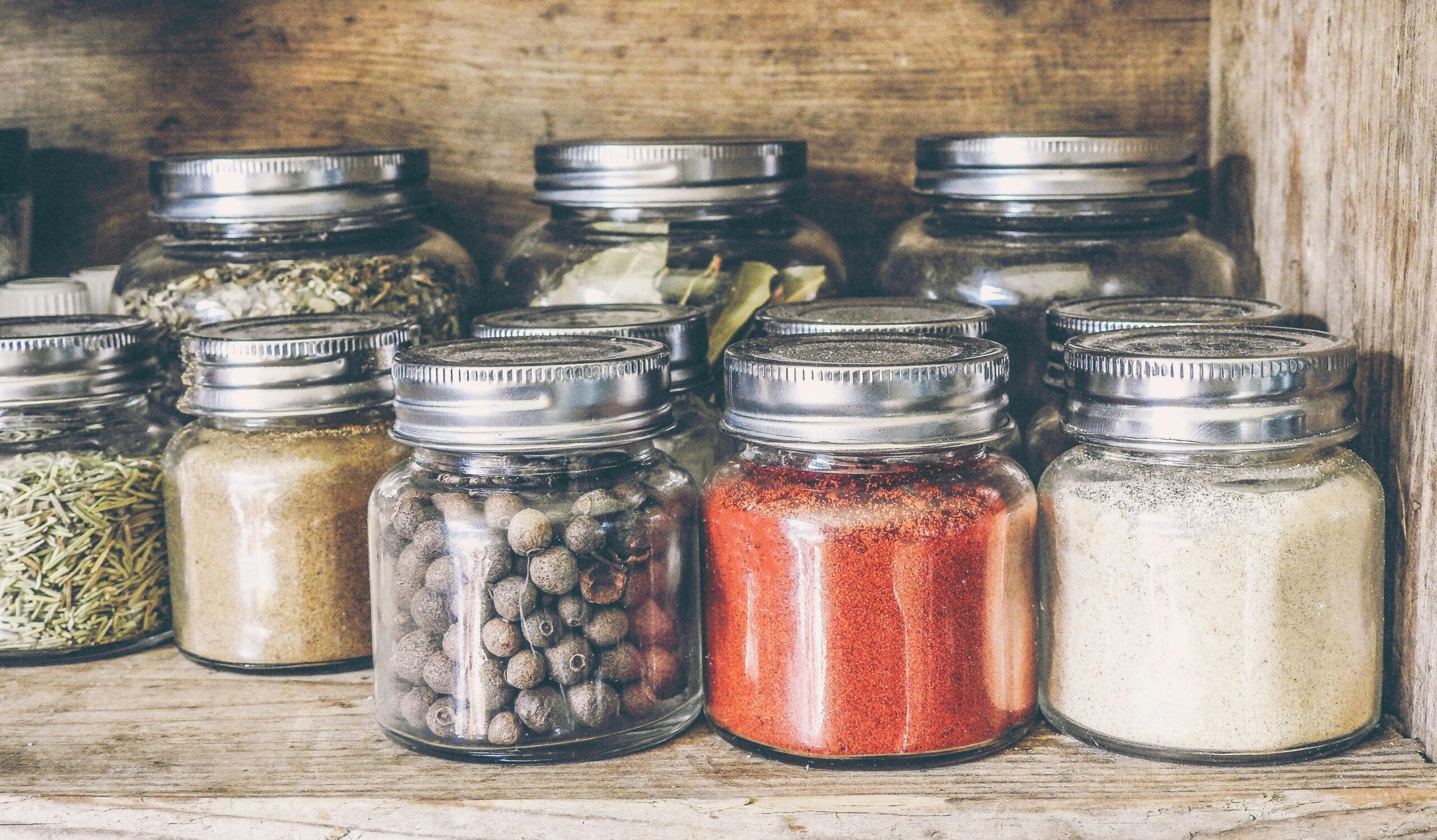
Building a well-stocked pantry is the foundation of effortless batch-cooking. These ingredients offer versatility, long shelf life, and the ability to create countless flavor profiles without requiring frequent shopping trips.
Grains and Legumes: Your Protein and Fiber Powerhouses
Whole grains and legumes form the backbone of most batch-cooking strategies. Brown rice, quinoa, farro, and pasta provide substantial bases for various meals. Dried beans, lentils, and chickpeas offer plant-based protein that transforms into soups, salads, and hearty mains. Cooking large batches of these ingredients at once saves considerable time—grains can be refrigerated for up to five days or frozen for three months.
Canned versions of beans and legumes offer convenience when time is extremely limited. While dried varieties are more economical, having both options ensures you’re never without these crucial ingredients.
Oils, Vinegars, and Condiments: Flavor Building Blocks
Quality olive oil, neutral cooking oils, and various vinegars (balsamic, apple cider, rice wine) enable you to create diverse flavor profiles. Soy sauce, fish sauce, hot sauce, and mustard add depth with minimal effort. These condiments don’t just season—they transform simple ingredients into restaurant-quality dishes.
Keep these staples organized and easily accessible. When batch-cooking, you’ll frequently reach for these items to season different components simultaneously, so convenience matters.
Canned and Jarred Goods: Your Emergency Brigade
Canned tomatoes, tomato paste, coconut milk, and broth form the foundation of countless sauces and soups. Jarred roasted peppers, olives, capers, and artichokes add instant sophistication. These shelf-stable items mean you can create impressive meals even when fresh ingredients run low.
Stock your pantry with variety: crushed tomatoes for sauces, whole tomatoes for rustic dishes, and tomato paste for concentrated flavor. Different broths—chicken, vegetable, and beef—open up distinct culinary directions.
🥘 Strategic Batch-Cooking Techniques That Save Time
Successful batch-cooking isn’t just about quantity—it’s about smart strategies that maximize your efficiency while maintaining food quality and variety throughout the week.
The Component Method: Mix and Match Flexibility
Rather than preparing complete meals, the component method involves cooking versatile elements that combine in different ways. Roast several sheet pans of vegetables, cook three types of grains, prepare two protein options, and make a couple of sauces. Throughout the week, you mix these components based on your mood and preferences.
This approach prevents meal fatigue because you’re not eating identical dishes repeatedly. Monday might feature quinoa with roasted vegetables and tahini sauce, while Wednesday offers the same vegetables with pasta and marinara, feeling completely different.
The Freezer-Friendly Approach: Future You Will Thank You
Certain dishes actually improve after freezing, making them ideal batch-cooking candidates. Soups, stews, curries, chilis, and casseroles freeze beautifully and often develop deeper flavors after their ingredients meld during freezing and reheating.
Invest in quality freezer-safe containers and label everything with contents and dates. Flat freezer bags maximize space efficiency and thaw more quickly than bulky containers. Portion meals appropriately—individual servings for solo lunches, family-sized portions for dinners.
The Partial Prep Strategy: Almost-Ready Convenience
Some ingredients don’t store well fully cooked but benefit enormously from partial preparation. Marinated proteins ready for quick cooking, pre-chopped vegetables, and measured spice blends reduce weeknight cooking to mere minutes while maintaining superior freshness compared to fully pre-cooked options.
Prepare “dump bags” for slow cooker meals—everything goes into a freezer bag raw, and on cooking day, you simply dump contents into your appliance and walk away.
Sample Weekly Batch-Cooking Plan Using Pantry Essentials
Let’s walk through a practical batch-cooking session that creates a week’s worth of varied, delicious meals using primarily pantry staples supplemented with minimal fresh ingredients.
The Two-Hour Sunday Session
During your dedicated batch-cooking time, you’ll prepare multiple items simultaneously, maximizing oven and stovetop space. This sample plan serves 2-3 people for five dinners plus lunches.
| Component | Cooking Method | Time Required | Meals It Creates |
|---|---|---|---|
| Brown rice (3 cups dry) | Rice cooker or stovetop | 45 minutes | Burrito bowls, stir-fries, side dish |
| Roasted vegetables (4 sheet pans) | Oven at 425°F | 30 minutes | Grain bowls, pasta additions, side dishes |
| Basic tomato sauce (double batch) | Stovetop simmer | 60 minutes | Pasta, shakshuka, pizza base |
| Chickpeas (2 cans, roasted) | Oven at 400°F | 25 minutes | Salad protein, snacks, bowl topper |
| Black beans (2 cups cooked) | Stovetop or pressure cooker | 90 minutes (or 30 in pressure cooker) | Burrito bowls, soup, quesadillas |
How These Components Become Complete Meals
Monday – Mediterranean Grain Bowls: Brown rice topped with roasted vegetables, crispy chickpeas, feta cheese, and tahini dressing made from pantry tahini, lemon juice, and garlic.
Tuesday – Pasta with Tomato Sauce: Your homemade sauce tossed with pasta, roasted vegetables mixed in, topped with parmesan and fresh basil if available.
Wednesday – Black Bean Burrito Bowls: Rice base with seasoned black beans, roasted vegetables, salsa from pantry ingredients, and any toppings you enjoy.
Thursday – Shakshuka: Your tomato sauce forms the base, eggs poached directly in the sauce, served with crusty bread and roasted vegetables on the side.
Friday – Vegetable Fried Rice: Day-old rice (perfect for fried rice!), chopped roasted vegetables, eggs, soy sauce, and sesame oil from your pantry.
🌟 Elevating Simple Ingredients Into Restaurant-Quality Dishes
The difference between mediocre batch-cooked meals and exceptional ones often comes down to seasoning, technique, and those final finishing touches that transform good into great.
Mastering Seasoning Layers
Professional chefs build flavor in layers, and you can too. Season ingredients at multiple stages: before cooking, during cooking, and after plating. When batch-cooking, season your base components well, but keep a finishing salt (flaky sea salt) and fresh-ground pepper for that final enhancement just before eating.
Create your own spice blends in advance: Italian seasoning, taco seasoning, curry powder, and everything bagel seasoning. These homemade versions taste fresher and contain no additives, plus making them in bulk saves money and ensures you never run out mid-recipe.
Texture Matters As Much As Flavor
One pitfall of batch-cooking is texture degradation. Combat this by understanding which textures survive reheating (slow-cooked tender meats, braised vegetables) and which need to be added fresh (crunchy toppings, fresh herbs, crispy elements).
Keep a “texture pantry”: toasted nuts, seeds, crispy fried onions, panko breadcrumbs, and tortilla strips. Adding these just before serving transforms soft, reheated meals into texturally complex dishes that feel freshly prepared.
Storage Solutions That Maintain Quality and Freshness
Even perfectly cooked food becomes unappetizing if stored improperly. Investing in appropriate containers and following storage best practices ensures your batch-cooked efforts remain delicious all week long.
Container Strategy for Maximum Efficiency
Glass containers with airtight lids work beautifully for refrigerator storage—they don’t retain odors, are microwave-safe, and allow you to see contents at a glance. For freezer storage, plastic containers or silicone bags withstand temperature extremes better and won’t crack.
Portion your meals intentionally. Individual containers make grabbing lunch effortless, while family-sized portions work better for dinner reheating. Mason jars excel for layered salads, overnight oats, and soups—the clear glass showcases your beautiful food and motivates you to eat well.
Freshness Preservation Techniques
Cool food completely before refrigerating to prevent condensation, which accelerates spoilage. Store components separately when possible—keep sauces separate from grains, and proteins separate from vegetables until assembly. This prevents everything from becoming one soggy mass.
Most cooked grains, proteins, and vegetables last 4-5 days refrigerated. If you’re preparing for a full week, freeze half your batch and move it to the refrigerator mid-week for Thursday and Friday meals.
💡 Common Batch-Cooking Mistakes and How to Avoid Them
Even experienced batch-cooks encounter challenges. Learning from common pitfalls helps you develop a sustainable, enjoyable practice rather than an exhausting chore.
Overambitious First Attempts
Enthusiasm leads many beginners to attempt too much in their first batch-cooking session. Start with just 2-3 components or meals rather than trying to prepare everything for the entire week. As you become comfortable with the process, gradually expand your efforts.
Choose simple recipes initially. Master basic roasted vegetables, plain grains, and one-pot meals before attempting complex, multi-step dishes. Success breeds motivation, and modest achievements will encourage you to continue.
Flavor Fatigue From Insufficient Variety
Eating identical meals repeatedly causes flavor fatigue, leading to takeout temptation mid-week. Combat this by preparing components rather than complete meals, using different sauces and seasonings to transform the same base ingredients into distinct dishes.
If you do prepare complete meals, ensure they represent different cuisines or flavor profiles. A Mexican-inspired bowl, an Italian pasta, and an Asian stir-fry provide sufficient variety to keep your palate interested.
Adapting Batch-Cooking to Different Dietary Needs
The beauty of batch-cooking lies in its adaptability to virtually any dietary preference or restriction. Whether you’re plant-based, low-carb, gluten-free, or following specific health protocols, these principles apply universally.
Plant-Based Batch-Cooking Excellence
Vegetarian and vegan batch-cooking actually becomes easier because plant-based proteins like legumes and tofu store exceptionally well. Focus on variety: different beans, lentils, and plant proteins prevent monotony. Nutritional yeast, miso paste, and tahini from your pantry add umami depth that satisfies without meat.
Low-Carb and Keto-Friendly Approaches
Replace grain bases with cauliflower rice, zucchini noodles, or increased vegetables. Batch-cook proteins and low-carb vegetables, using high-quality fats from your pantry (olive oil, coconut oil, nuts, and seeds) to create satisfying meals. Many keto-friendly sauces using cream, cheese, and butter batch beautifully.
🎯 Making Batch-Cooking a Sustainable Lifestyle Habit
The difference between a one-time experiment and a lasting habit comes down to systems, mindset, and realistic expectations. Building batch-cooking into your weekly rhythm requires intention but delivers extraordinary returns.
Schedule It Like Any Important Appointment
Choose a consistent day and time for batch-cooking—most people prefer Sunday afternoons, but select whatever works for your schedule. Block this time on your calendar and protect it. Consistency matters more than perfection; even a modest 90-minute session beats nothing.
Create a pleasant environment: play music, pour yourself a beverage, and involve family members if appropriate. When batch-cooking feels enjoyable rather than burdensome, you’ll maintain the practice long-term.
Keep a Running List of Successful Recipes
Document which meals your household enjoys most and which components prove most versatile. This personalized database eliminates decision-making stress and ensures you’re preparing food people actually want to eat. Note any adjustments or improvements for future reference.
Rotate through favorites seasonally, aligning with available produce and your taste preferences. Summer might emphasize Mediterranean flavors with lighter dishes, while winter leans into hearty stews and warming spices.
The Long-Term Benefits Beyond Just Convenience
While time savings and reduced stress represent immediate benefits, batch-cooking delivers profound long-term advantages that extend into health, finances, and overall quality of life.
Financial savings accumulate significantly. Purchasing pantry staples in bulk reduces per-meal costs, while dramatically decreased takeout and restaurant meals save hundreds monthly. You’ll also waste less food when cooking with intention rather than buying random ingredients that spoil unused.
Health improvements naturally follow when you control ingredients and portions. Batch-cooked meals typically contain less sodium, sugar, and unhealthy fats than restaurant alternatives. You’ll likely increase vegetable consumption and improve nutritional balance without conscious effort—it simply becomes easier to eat well than to eat poorly.
Perhaps most valuable is the mental space you reclaim. The constant low-level anxiety of “What’s for dinner?” disappears, replaced by calm confidence. This freed mental energy redirects toward activities and people you value, transforming meal preparation from daily stress into weekly routine.
Batch-cooking with pantry essentials isn’t about perfection or gourmet complexity. It’s about creating a realistic, sustainable system that nourishes your body without exhausting your resources. Start small, experiment with flavors you love, and allow yourself to develop this skill gradually. Your future self—calmer, better-fed, and with more free time—will thank you for every batch-cooking session you complete. The art lies not in cooking everything at once, but in cooking smart, using simple ingredients to create the delicious, effortless meals that transform daily survival into genuine nourishment. 🍽️