Getting kids and even picky adults to embrace vegetables can feel like an uphill battle. But what if mealtime could transform into an exciting adventure where healthy eating becomes effortless and delicious? The secret lies in creative, sneaky recipes that make vegetables irresistible.

Every parent knows the struggle of watching their child push vegetables around the plate, making elaborate excuses to avoid that one green thing. Adults, too, often find themselves stuck in repetitive eating patterns that don’t include enough nutrient-rich produce. The good news is that with a little culinary creativity and strategic ingredient placement, you can revolutionize how your family experiences vegetables. This isn’t about deception—it’s about introducing wholesome ingredients in ways that highlight their natural deliciousness while building positive associations with healthy foods.
🎨 The Art of Vegetable Camouflage: Why It Works
Before diving into specific recipes, it’s important to understand the psychology behind sneaking vegetables into meals. When vegetables are presented in familiar, appealing formats, our brains become more receptive to accepting them. This approach works particularly well with children whose taste preferences are still developing, but it’s equally effective for adults who claim they “just don’t like vegetables.”
The strategy involves incorporating finely chopped, pureed, or cleverly disguised vegetables into dishes that already have widespread appeal. Think of it as a culinary Trojan horse—the delicious flavors your family loves serve as the perfect vehicle for delivering essential nutrients. Over time, repeated exposure to these ingredients can actually retrain taste buds to appreciate and even crave vegetables.
Research shows that it takes multiple exposures to a new food before acceptance occurs, sometimes up to fifteen tries. By incorporating vegetables into beloved dishes, you’re creating those positive exposures without the immediate rejection that might come from a plain plate of broccoli.
🍝 Pasta Perfection: Sauces That Pack a Veggie Punch
Pasta is universally loved, making it the perfect canvas for vegetable-enriched sauces. Traditional tomato sauce can become a nutritional powerhouse with just a few strategic additions that nobody will detect.
Super-Charged Marinara Sauce
Start with your basic tomato sauce recipe, but add finely diced carrots, zucchini, red bell peppers, and even cauliflower. Sauté these vegetables until soft, then blend them completely smooth before adding your tomatoes and seasonings. The natural sweetness from carrots balances the acidity of tomatoes while adding vitamin A, while cauliflower adds creaminess and fiber without any distinct flavor.
The beauty of this approach is that the vibrant red color remains unchanged, and the familiar tomato flavor dominates. You’ve essentially created a multi-vegetable puree that delivers significantly more nutrients than standard sauce. This same technique works beautifully in lasagna, baked ziti, or any pasta dish that calls for red sauce.
Creamy Alfredo with a Hidden Twist
Alfredo sauce typically relies heavily on cream and cheese, but you can slash calories and boost nutrition by incorporating pureed cauliflower or white beans. Steam cauliflower until very tender, blend it with vegetable broth until silky smooth, then combine it with reduced amounts of cream and Parmesan cheese. The result tastes indulgent while providing significantly more nutrients and fiber than traditional versions.
🍔 Burger Brilliance: Sneaking Greens into Every Bite
Burgers—whether beef, turkey, or plant-based—offer excellent opportunities for vegetable integration. The texture of ground meat or meat alternatives naturally masks finely chopped or grated vegetables.
Try adding finely grated zucchini, mushrooms, or even spinach directly into your burger mixture. These vegetables release moisture during cooking, keeping burgers juicy while adding nutrients. For every pound of ground meat, you can typically add about half a cup of grated vegetables without anyone noticing the difference. Season assertively with garlic, onion powder, and your favorite spices to ensure the flavor remains bold and satisfying.
Mushrooms work particularly well because their umami flavor actually enhances meatiness. Pulse mushrooms in a food processor until finely minced, then sauté briefly to remove excess moisture before mixing into your burger blend. This technique works for meatballs, meatloaf, and even taco filling.
🥞 Breakfast Breakthroughs: Starting the Day with Hidden Vegetables
Breakfast often skews toward carbohydrate-heavy foods, but it’s actually an ideal meal for incorporating vegetables without resistance.
Veggie-Packed Pancakes and Waffles
Shredded zucchini or carrots blend seamlessly into pancake and waffle batters. The vegetables add moisture and a subtle sweetness that complements maple syrup beautifully. For every cup of flour in your recipe, try adding half a cup of finely shredded vegetables. Squeeze excess moisture from the vegetables first to prevent soggy results.
You can also incorporate pureed pumpkin, sweet potato, or butternut squash into batters. These orange vegetables add natural sweetness, beautiful color, and valuable nutrients like beta-carotene. Top with fresh fruit and a light drizzle of honey, and you’ve created a breakfast that feels indulgent while delivering real nutritional value.
Smoothie Success Stories
Smoothies are perhaps the easiest vehicle for vegetable integration. Spinach and kale virtually disappear when blended with frozen fruit, especially berries and mango. The fruit’s vibrant color and sweetness completely mask the greens, making this an excellent strategy for vegetable-resistant family members.
Start with a base of frozen banana for creaminess, add a generous handful of spinach or kale, then include frozen berries, mango, or pineapple. Add liquid (milk, juice, or plant-based alternatives) and blend until completely smooth. The resulting drink tastes like pure fruit while delivering the nutritional benefits of leafy greens.
🍕 Pizza Possibilities: Reinventing a Family Favorite
Pizza night doesn’t have to be a nutritional compromise. There are multiple strategies for boosting the vegetable content of this beloved meal without sacrificing the flavors everyone craves.
Start with the crust itself—replace up to half the flour with finely ground cauliflower or add pureed white beans to the dough. This increases fiber and nutrients while maintaining the satisfying texture of traditional crust. For an even bolder approach, create crusts primarily from cauliflower, broccoli, or zucchini mixed with cheese and eggs. When properly prepared and seasoned, these alternative crusts can be surprisingly delicious and satisfying.
For the sauce, use the super-charged marinara mentioned earlier. When it comes to toppings, finely dice vegetables like mushrooms, peppers, and onions rather than leaving them in large, identifiable pieces. Smaller pieces integrate better and are less likely to be picked off by picky eaters.
🍰 Dessert Deception: Sweet Treats with Secret Ingredients
Perhaps the most delightful category of sneaky vegetable recipes involves desserts. When vegetables appear in cookies, brownies, and cakes, resistance melts away completely.
Black Bean Brownies
This recipe has gained popularity for good reason—pureed black beans create incredibly fudgy brownies that taste absolutely decadent. The beans add protein, fiber, and minerals while contributing to the rich, dense texture that makes brownies irresistible. Combined with cocoa powder, sugar, eggs, and vanilla, the beans become completely undetectable. Even chocolate skeptics won’t guess the secret ingredient.
Avocado Chocolate Mousse
Ripe avocados blend into an ultra-creamy, luxurious chocolate mousse when combined with cocoa powder, sweetener, and vanilla. The healthy fats from avocado create richness typically achieved with heavy cream, while adding vitamins, minerals, and fiber. This dessert feels indulgent while actually providing nutritional benefits—a true win-win.
Zucchini and Carrot Baked Goods
Zucchini bread and carrot cake have long been beloved treats, proving that vegetables absolutely belong in desserts. These moist, flavorful baked goods showcase how vegetables can enhance texture and taste while contributing nutrients. Expand on this concept by adding shredded vegetables to muffins, cookies, and quick breads. Chocolate zucchini muffins, carrot cake cookies, and sweet potato brownies all deliver on flavor while sneaking in extra servings of vegetables.
🥗 Side Dish Strategies: Making Vegetables the Star
Sometimes the best approach isn’t hiding vegetables but presenting them in irresistibly delicious ways. When prepared with attention to flavor and texture, vegetables can become the most anticipated part of any meal.
Crispy Roasted Everything
Roasting transforms vegetables by caramelizing their natural sugars and creating crispy, flavorful edges. Brussels sprouts, broccoli, cauliflower, carrots, and even green beans become completely different foods when roasted at high temperatures with olive oil and strategic seasoning. Toss with garlic, Parmesan cheese, or a drizzle of balsamic glaze after roasting for extra appeal.
Creamy Mashed Cauliflower
Mashed cauliflower can stand in for mashed potatoes with stunning results. When steamed until very tender and mashed with butter, cream cheese, and seasonings, cauliflower becomes creamy and comforting. You can also create a hybrid version using half potatoes and half cauliflower, reducing calories and carbohydrates while increasing nutrients without a dramatic departure from the familiar dish.
🍜 Soup Sensations: Blended Comfort in a Bowl
Pureed soups offer endless opportunities for vegetable incorporation. When multiple vegetables are blended together with flavorful broth and seasonings, the individual components become impossible to identify.
Create a base by sautéing onions, garlic, and celery, then add any combination of vegetables you want to feature—butternut squash, carrots, cauliflower, broccoli, sweet potatoes, or zucchini. Add broth, simmer until tender, then blend until completely smooth. Finish with cream, coconut milk, or a swirl of Greek yogurt for richness. Season boldly with herbs, spices, and citrus to create complex, satisfying flavors.
These soups can be served as main courses with crusty bread or as starters that significantly boost the vegetable content of any meal. Kids who resist visible vegetables often enthusiastically accept pureed soups, especially when served with fun toppings like croutons, shredded cheese, or bacon bits.
📱 Tech Tools for Meal Planning Success
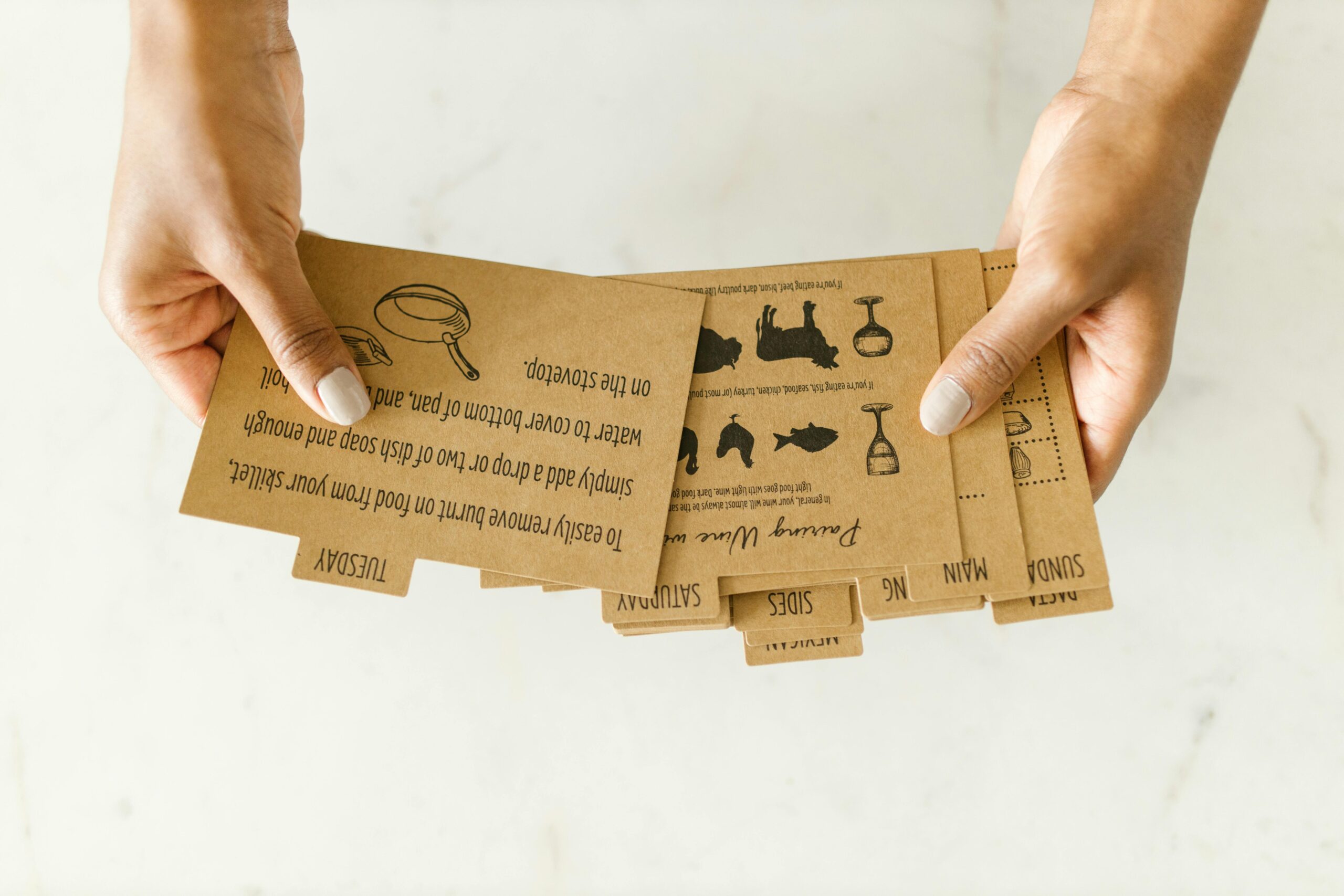
Planning and executing these creative recipes becomes much easier with the right organizational tools. Meal planning apps can help you discover new vegetable-forward recipes, create shopping lists, and maintain variety in your family’s diet.
These digital assistants allow you to save favorite recipes, plan weekly menus, and generate shopping lists automatically. Many include nutritional information, helping you track vegetable servings and ensure balanced meals. By reducing the mental load of meal planning, these tools make it easier to consistently implement creative vegetable strategies.
🎯 Building Long-Term Vegetable Appreciation
While sneaky vegetable recipes work beautifully in the short term, the ultimate goal is cultivating genuine appreciation for vegetables in their recognizable forms. Use these creative approaches as a bridge rather than a permanent solution.
As family members become accustomed to the flavors and textures of various vegetables through these modified recipes, gradually introduce more visible preparations. If zucchini has been successfully hidden in muffins and pasta sauce, try serving roasted zucchini rounds as a side dish. The previous positive exposures increase the likelihood of acceptance.
Involve children in cooking whenever possible. Kids who help prepare meals are significantly more likely to taste and enjoy the results. Let them wash vegetables, tear lettuce, stir batters, or measure ingredients. This hands-on involvement creates investment in the meal and demystifies unfamiliar ingredients.
Garden involvement works similarly. When children grow vegetables themselves, they develop pride and curiosity that translates into willingness to taste. Even a small container garden with cherry tomatoes, herbs, or lettuce can create meaningful connections with fresh produce.

💡 Final Thoughts on the Vegetable Adventure
Transforming mealtime into a healthy adventure doesn’t require complicated techniques or exotic ingredients. It simply demands creativity, persistence, and a willingness to think beyond traditional presentations. Every pureed sauce, cleverly enhanced burger, and vegetable-packed dessert represents a small victory in the journey toward better nutrition.
Remember that preferences evolve over time. Children who adamantly refuse vegetables today may surprise you by requesting them tomorrow, especially when those vegetables have been presented consistently in appealing ways. Adults, too, can retrain their palates to appreciate foods they once dismissed.
These sneaky strategies aren’t about trickery—they’re about removing barriers and creating positive experiences with nutritious foods. By making vegetables delicious, accessible, and integrated into familiar favorites, you’re setting the foundation for lifelong healthy eating patterns. The goal isn’t perfection but progress, one delicious, veggie-packed meal at a time.
Start small, experiment often, and celebrate every success along the way. Your family’s health adventure begins with the next meal you prepare, and with these creative approaches, vegetables will finally get the love they deserve. 🥕🥦🍅