Every parent knows the challenge: getting kids to eat nutritious meals while keeping their energy levels stable throughout the day. The secret isn’t just about sneaking vegetables onto plates—it’s about creating delicious, protein-packed meals that children actually want to eat!

Growing bodies need quality fuel, and protein plays a starring role in muscle development, brain function, and overall growth. Whether your little ones are conquering playgrounds, excelling in sports, or simply navigating their busy school days, the right nutrition can transform them into the superheroes they’re meant to be. This comprehensive guide will revolutionize your approach to kid-friendly meals, offering creative recipes and practical strategies that make protein both accessible and appealing to even the pickiest eaters.
🦸♀️ Why Protein Matters for Growing Bodies
Protein isn’t just for bodybuilders and athletes—it’s absolutely essential for children’s development. Unlike adults who primarily need protein for maintenance, kids require this macronutrient for continuous growth, tissue repair, and immune system support. Every cell in their rapidly developing bodies depends on adequate protein intake to function optimally.
Children between ages 4-9 need approximately 19 grams of protein daily, while those aged 9-13 require around 34 grams. Teenagers need even more, with girls needing about 46 grams and boys requiring 52 grams per day. These numbers might seem daunting, but spreading protein intake across meals and snacks makes it entirely achievable without overwhelming young appetites.
The benefits extend beyond physical growth. Protein-rich foods help stabilize blood sugar levels, preventing the dreaded afternoon crashes that lead to crankiness and poor concentration. They also promote better sleep quality, support healthy hair and nail growth, and provide sustained energy for all those superhero activities kids engage in daily.
🍳 Breakfast Champions: Starting the Day Strong
Morning meals set the tone for the entire day, making breakfast an ideal opportunity to pack in protein. Skip the sugary cereals that cause energy spikes and crashes, and opt instead for these powerhouse options that kids genuinely enjoy.
Superhero Egg Muffins
These portable protein bombs are perfect for busy mornings. Whisk together 6 eggs with a quarter cup of milk, then add diced bell peppers, cherry tomatoes, shredded cheese, and cooked turkey bacon or ham. Pour the mixture into greased muffin tins and bake at 350°F for 18-20 minutes. Each muffin contains approximately 6 grams of protein, and kids love the individual serving size that feels special and fun.
The beauty of egg muffins lies in their versatility. Let children choose their own mix-ins from a “toppings bar” setup—spinach for green power, cheese for calcium strength, or diced chicken for extra protein punch. Make a double batch on Sunday evenings, refrigerate them, and you’ll have grab-and-go breakfasts all week long.
Power Pancakes with Secret Ingredients
Transform traditional pancakes into protein powerhouses by adding cottage cheese or Greek yogurt to your batter. For every cup of regular pancake mix, blend in half a cup of cottage cheese and one egg. The cottage cheese melts during cooking, creating fluffy pancakes with triple the protein of standard versions. Top with nut butter and banana slices for additional protein and sustained energy.
🥤 Smoothie Superpowers: Liquid Nutrition Kids Love
Smoothies represent one of the easiest ways to boost protein intake without resistance from picky eaters. The sweet, creamy texture appeals to children while providing serious nutritional benefits that parents appreciate.
The Ultimate Superhero Smoothie Formula
Start with a protein base: Greek yogurt, silken tofu, or protein powder designed for children. Add frozen fruit for natural sweetness and a thick, milkshake-like consistency. Incorporate a handful of spinach (which becomes virtually invisible in berry smoothies), and blend with milk or a fortified plant-based alternative. For extra protein and healthy fats, add a tablespoon of nut butter or chia seeds.
One winning combination includes one cup of frozen mixed berries, half a banana, one cup of vanilla Greek yogurt, half a cup of milk, one tablespoon of almond butter, and a handful of spinach. This single serving delivers approximately 20 grams of protein alongside vitamins, minerals, and fiber. Serve in a special cup with a colorful straw, and watch it disappear!
Chocolate Peanut Butter Power Shake
For chocolate-loving kids, blend one frozen banana, two tablespoons of natural peanut butter, one tablespoon of cocoa powder, one cup of milk, and half a cup of Greek yogurt. This tastes like a dessert milkshake but provides 18 grams of protein and essential nutrients. The potassium from bananas supports muscle function, while the healthy fats in peanut butter promote brain development.
🍕 Lunch Box Legends: Midday Fuel That Excites
Lunch often presents the biggest challenge since you’re not physically present to encourage eating. The solution? Create lunch box options so appealing that kids can’t wait to open their containers.
DIY Lunchables: The Upgraded Version
Kids love the interactive nature of Lunchables, so recreate this experience with superior ingredients. Pack compartmentalized containers with whole grain crackers, sliced turkey or chicken breast, cubed cheese, cherry tomatoes, cucumber slices, and hummus. Add a small treat like dark chocolate chips or a homemade cookie to complete the experience.
Each component serves a purpose: the turkey provides lean protein, cheese adds calcium and additional protein, vegetables offer fiber and vitamins, and whole grain crackers provide complex carbohydrates for sustained energy. This lunch delivers approximately 20-25 grams of protein while feeling like a special treat rather than a boring sandwich.
Pizza Pinwheels with Hidden Vegetables
Spread whole wheat tortillas with tomato sauce, then layer on mozzarella cheese, diced pepperoni or grilled chicken, and finely chopped vegetables like bell peppers and mushrooms. Roll tightly and slice into pinwheels. These pizza-flavored bites contain 12-15 grams of protein per serving and satisfy that pizza craving in a more nutritious package.
🍝 Dinner Delights: Family Meals Everyone Enjoys
Dinner provides the perfect opportunity to gather together and share protein-rich meals that satisfy the entire family. These recipes prove that healthy eating doesn’t mean sacrificing flavor or fun.
Superhero Chicken Tenders
Forget frozen, processed nuggets—homemade chicken tenders are surprisingly easy and infinitely healthier. Cut chicken breasts into strips, dip in beaten egg, then coat with a mixture of panko breadcrumbs, parmesan cheese, and Italian seasoning. Bake at 400°F for 15-18 minutes until golden and crispy. Each serving provides approximately 30 grams of protein without the mystery ingredients found in commercial versions.
Serve with a variety of dipping sauces to make dinnertime interactive. Offer honey mustard, ranch made with Greek yogurt, or a simple marinara. Pair with sweet potato fries and carrot sticks for a complete meal that checks all nutritional boxes while maintaining kid appeal.
Taco Tuesday Power Bowl
Build-your-own taco bowls let kids customize their meals while ensuring protein intake. Start with a base of seasoned ground turkey or beef (leaner than traditional beef but just as flavorful when properly seasoned). Set out bowls of black beans, shredded cheese, Greek yogurt (as a sour cream substitute), diced tomatoes, lettuce, corn, and whole grain tortilla chips.
This interactive dinner provides 25-30 grams of protein per serving and encourages children to try different vegetables without pressure. The combination of meat and beans delivers complete protein with all essential amino acids, while the toppings bar format makes dinner feel like a celebration rather than a chore.
Spaghetti and Turkey Meatballs
Classic spaghetti gets a protein upgrade with turkey meatballs. Mix ground turkey with breadcrumbs, an egg, parmesan cheese, minced garlic, and Italian herbs. Form into balls and bake until cooked through. Serve over whole wheat pasta with marinara sauce, sneaking in pureed vegetables like carrots or zucchini to the sauce for added nutrition.
Each serving delivers approximately 28 grams of protein, and the familiar comfort food format ensures enthusiastic eating. Make a large batch of meatballs and freeze extras for quick future meals when time is tight.
🧀 Snack Attack: Protein-Packed Options for Growing Appetites
Between-meal snacking represents a golden opportunity to boost daily protein intake. Instead of reaching for empty-calorie options, stock your pantry and refrigerator with these satisfying choices.
Quick Protein Snack Ideas
- String cheese paired with whole grain crackers: 7 grams of protein plus calcium for strong bones
- Apple slices with peanut or almond butter: 8 grams of protein with healthy fats and fiber
- Hard-boiled eggs with a sprinkle of salt: 6 grams of complete protein in nature’s perfect package
- Greek yogurt with berries and granola: 15 grams of protein plus probiotics for gut health
- Trail mix with nuts, seeds, and dried fruit: 8-10 grams of protein with sustained energy
- Hummus with veggie sticks: 4 grams of plant-based protein plus fiber
- Cottage cheese with pineapple chunks: 14 grams of protein with a tropical twist
- Turkey and cheese roll-ups: 12 grams of protein in a fun, no-bread format
Energy Bites: The Ultimate Homemade Snack
These no-bake treats are packed with protein and take just minutes to prepare. Combine one cup of oats, half a cup of peanut butter, one third cup of honey, half a cup of chocolate chips, and two tablespoons of flaxseed or chia seeds. Roll into balls and refrigerate. Each bite contains approximately 4 grams of protein and satisfies sweet cravings while providing nutritional value.
💪 Practical Strategies for Picky Eaters
Even the best recipes fail if children refuse to try them. These evidence-based strategies help introduce protein-rich foods to even the most resistant eaters.
The Power of Involvement
Children are significantly more likely to eat foods they’ve helped prepare. Invite kids into the kitchen to wash vegetables, measure ingredients, mix batters, or arrange toppings. Age-appropriate tasks build cooking skills while creating investment in the meal. When children feel ownership over their food, resistance dramatically decreases.
Presentation Matters
Visual appeal influences eating behaviors more than adults realize. Use cookie cutters to create fun shapes from sandwiches, cheese, and deli meat. Arrange foods into faces or designs on the plate. Serve meals in bento boxes with separated compartments, which appeals to kids’ love of organization and variety. Sometimes the difference between rejection and acceptance is simply how food looks on the plate.
Repeated Exposure Without Pressure
Research shows children may need to see a new food 10-15 times before accepting it. Continue offering protein-rich foods without forcing, bribing, or turning meals into battlegrounds. Simply include the food on their plate alongside familiar favorites, with no pressure to eat it. Eventually, curiosity and repeated exposure typically lead to acceptance.
🏋️ Matching Protein to Activity Levels
Active children engaged in sports or intensive physical activities require more protein than sedentary peers. Young athletes benefit from strategic protein timing to support performance and recovery.
Before practice or games, offer easily digestible protein like a banana with peanut butter or a small smoothie. This provides energy without causing digestive discomfort during activity. Within 30 minutes after exercise, the recovery window opens—this optimal time to provide protein-rich snacks like chocolate milk, yogurt with granola, or a turkey sandwich to support muscle repair and growth.
🌱 Plant-Based Protein Options for Vegetarian Superheroes
Families following vegetarian or vegan lifestyles can absolutely meet protein needs through plant-based sources. The key is variety and strategic combining to ensure complete amino acid profiles.
Excellent plant-based protein sources include legumes (beans, lentils, chickpeas), quinoa, tofu, tempeh, edamame, nuts, seeds, and whole grains. Combining different plant proteins throughout the day—like rice and beans, or peanut butter on whole wheat bread—ensures children receive all essential amino acids for proper growth.
Veggie Burger Power Patties
Homemade veggie burgers using black beans, quinoa, and oats provide impressive protein content. Mash cooked black beans with cooked quinoa, oats, diced onions, and spices. Form into patties and pan-fry or bake. Each burger delivers approximately 12 grams of complete protein plus fiber and iron. Serve on whole wheat buns with all the traditional toppings kids love.
🎯 Creating a Sustainable Meal Planning System
Consistency matters more than perfection when building healthy eating habits. Develop a realistic meal planning system that balances nutrition goals with practical family life.
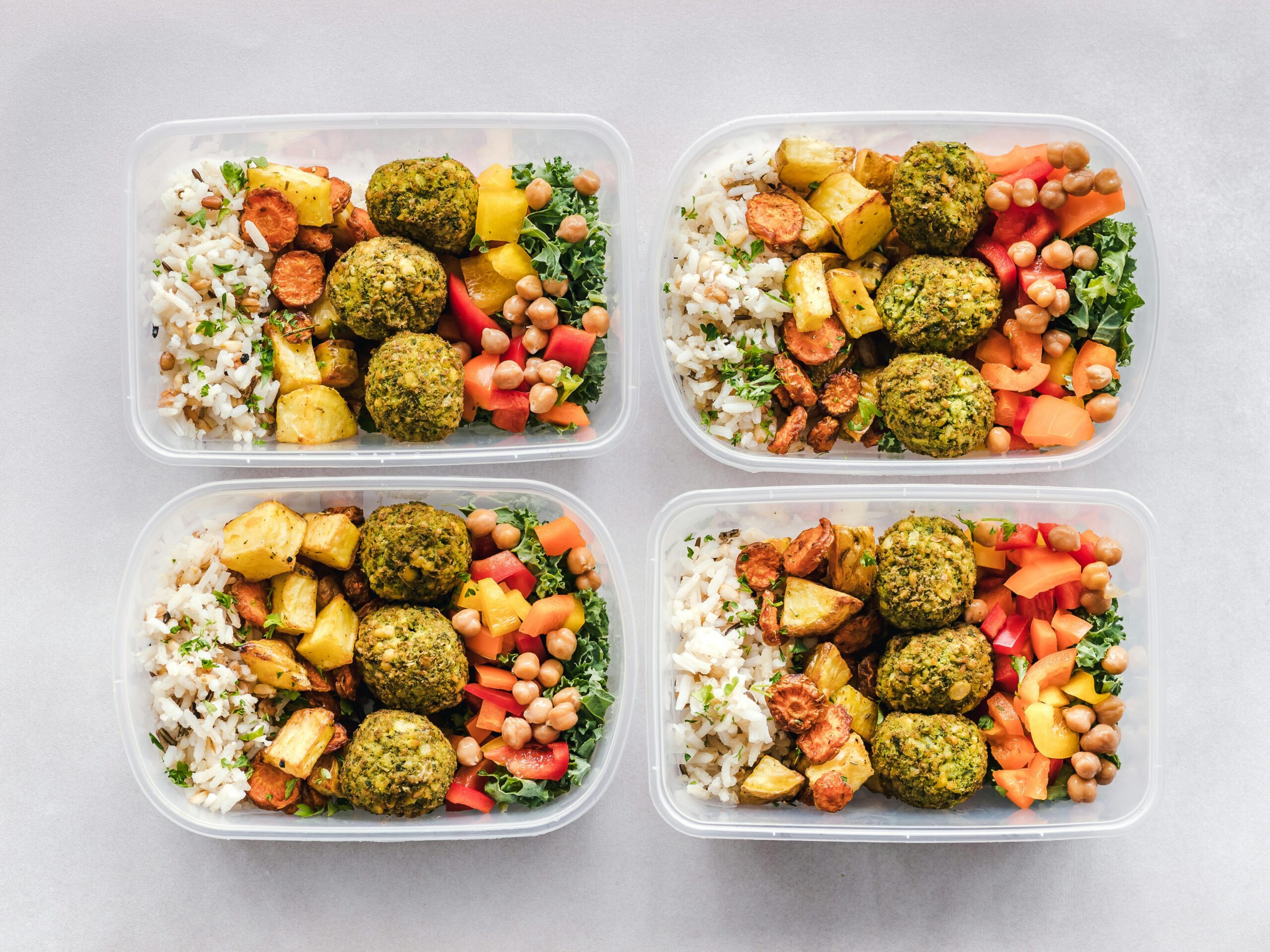
Dedicate time each weekend to plan the week’s protein-rich meals. Prep ingredients in advance—wash and cut vegetables, cook grains, prepare marinades, or batch-cook proteins. When dinner ingredients are ready to assemble, even busy weeknights become manageable. Keep a running list of successful recipes that your kids actually eat, rotating through favorites while occasionally introducing new options.
🌟 Celebrating Small Victories and Building Lifelong Habits
Remember that developing healthy eating habits is a marathon, not a sprint. Celebrate when your child tries a new protein source or finishes a nutritious meal without complaints. Avoid using food as reward or punishment, which can create unhealthy relationships with eating.
Model the behavior you want to see. When children observe parents enthusiastically eating protein-rich foods and making healthy choices, they naturally follow suit. Make family meals a priority whenever possible, creating positive associations between nutritious food and quality time together.
The investment you make today in providing protein-packed, nutritious meals pays dividends throughout your child’s life. These early eating patterns establish foundations for adult health, energy levels, and food relationships. By making protein both accessible and appealing, you’re truly fueling the growing superheroes in your home—giving them the physical foundation to conquer whatever challenges come their way. Every meal becomes an opportunity to demonstrate that healthy food can be absolutely delicious, setting your children up for a lifetime of wellness and vitality.