Living with food allergies or sensitivities doesn’t mean sacrificing flavor, nutrition, or joy in your meals. Discovering smart alternatives can transform your daily routine into a safer, more delicious experience.

Millions of people worldwide navigate life with food allergies, ranging from mild sensitivities to severe, life-threatening reactions. The good news? Modern food science and traditional cooking wisdom have converged to offer remarkable substitutes that don’t compromise on taste or nutritional value. Whether you’re dealing with dairy intolerance, gluten sensitivity, nut allergies, or egg reactions, there’s a world of alternatives waiting to enhance your kitchen repertoire and broaden your culinary horizons.
🥛 Dairy-Free Alternatives That Don’t Compromise on Creaminess
Dairy allergies and lactose intolerance affect approximately 65% of the global population to varying degrees. Fortunately, the plant-based milk revolution has delivered outstanding alternatives that work beautifully in cooking, baking, and everyday consumption.
Oat milk has emerged as a favorite for coffee lovers, offering a naturally sweet, creamy texture that froths exceptionally well. Its neutral flavor profile makes it versatile for both sweet and savory applications. For those seeking protein content similar to cow’s milk, soy milk remains the gold standard, providing approximately 7-9 grams of protein per cup.
Almond milk works wonderfully in smoothies and cereals, though it’s thinner than dairy milk. Coconut milk adds richness to curries and desserts, while cashew milk delivers exceptional creaminess for sauces and cream-based soups. Each alternative brings unique nutritional benefits and flavor characteristics to your table.
Cheese Substitutes That Actually Melt and Taste Great
The dairy-free cheese market has evolved dramatically beyond the rubbery, flavorless blocks of the past. Cashew-based cheeses offer remarkable versatility, from spreadable cream cheese alternatives to aged, cultured varieties that develop complex flavors. Nutritional yeast provides that coveted cheesy, umami flavor in sauces and as a topping, while also delivering B-vitamins and complete protein.
For melting applications, look for products specifically formulated with tapioca starch or other ingredients that provide stretch and melt. Brands using fermentation processes create more authentic cheese flavors that satisfy even the most skeptical dairy lovers.
🌾 Gluten-Free Swaps Beyond Basic Rice Flour
Celiac disease and gluten sensitivity have prompted an explosion of innovative grain alternatives that offer diverse textures, flavors, and nutritional profiles. Moving beyond simple rice flour opens up exciting culinary possibilities.
Almond flour creates tender, moist baked goods with a subtle sweetness and impressive protein content. Coconut flour absorbs tremendous amounts of liquid, requiring recipe adjustments, but delivers fiber and a light, cake-like texture. Oat flour (certified gluten-free) provides familiar flavor and works beautifully in pancakes, muffins, and bread.
For pasta lovers, chickpea pasta delivers protein and fiber while maintaining al dente texture. Quinoa, buckwheat, and rice noodles each offer distinct characteristics suitable for different cuisines. Cauliflower gnocchi and zucchini noodles provide low-carb alternatives that absorb sauces brilliantly.
Ancient Grains That Naturally Avoid Gluten
Quinoa, amaranth, millet, teff, and sorghum represent nutritional powerhouses that predate modern wheat cultivation. These grains offer complete proteins, essential minerals, and unique flavors that elevate dishes beyond mere substitution. Teff creates authentic Ethiopian injera bread, while sorghum flour produces surprisingly tender biscuits and pastries.
Buckwheat, despite its misleading name, contains no wheat and makes robust pancakes, soba noodles, and hearty porridge. These ancient grains connect us to culinary traditions while meeting modern dietary needs.
🥚 Egg Replacements for Every Cooking Need
Eggs serve multiple functions in cooking—binding, leavening, moisture, and richness—which means successful substitution requires understanding the egg’s role in each specific recipe.
For binding in recipes like veggie burgers or meatballs, flax eggs (ground flaxseed mixed with water) or chia eggs provide excellent cohesion plus omega-3 fatty acids. Each tablespoon of ground seeds mixed with three tablespoons of water replaces one egg after sitting for five minutes to develop gel-like consistency.
Applesauce works beautifully in cakes and muffins, adding moisture and subtle sweetness while reducing fat content. Use one-quarter cup of applesauce per egg in baked goods where you want tender, moist results. Mashed banana serves similar purposes while contributing distinctive flavor—perfect for breakfast breads and pancakes.
Commercial Egg Replacers and Aquafaba Magic
Commercial egg replacement powders typically combine starches and leavening agents, offering convenient, neutral-flavored options for various baking applications. Follow package directions carefully, as different brands have different formulations.
Aquafaba—the liquid from canned chickpeas—has revolutionized vegan baking and cooking. Three tablespoons replace one whole egg, while the liquid whips into stiff peaks for meringues, mousses, and mayonnaise. This discovery has made previously impossible egg-free desserts entirely achievable.
🥜 Nut-Free Alternatives for Safe Snacking and Cooking
Tree nut allergies represent some of the most serious food allergies, requiring vigilant avoidance. Fortunately, numerous alternatives provide similar nutritional benefits and culinary functions without the allergic risk.
Sunflower seed butter offers creamy, spreadable satisfaction with healthy fats, vitamin E, and minerals. Its slightly earthier flavor works wonderfully in sandwiches, smoothies, and baking. Pumpkin seed butter (pepita butter) provides similar benefits with distinctive green color and robust flavor.
Tahini (sesame seed paste) delivers calcium, healthy fats, and versatility in both sweet and savory applications. From hummus to halva to salad dressings, tahini’s smooth texture and nutty flavor enhance countless dishes. Soy nut butter provides another alternative, though those with soy allergies should obviously avoid it.
Replacing Nuts in Baking and Cooking
When recipes call for chopped nuts for texture, consider toasted seeds (sunflower, pumpkin), crispy rice cereal, or toasted coconut flakes. Oats can replace ground nuts in crusts and toppings, providing fiber and pleasant chewiness. For nut-flour-based baking, sunflower seed flour or additional oat flour typically work well with recipe adjustments.
🌽 Soy-Free Solutions for Multiple Applications
Soy appears in countless processed foods, making avoidance challenging. However, numerous alternatives exist for those with soy allergies or sensitivities.
Coconut aminos replace soy sauce with slightly sweeter, less salty flavor derived from coconut sap. Fish sauce (for non-vegetarians) provides umami depth in Asian cooking. Miso alternatives made from chickpeas offer fermented complexity without soy.
For protein needs typically met with tofu or tempeh, consider chickpeas, lentils, beans, seitan (wheat-based, so unsuitable for gluten-free diets), or mushrooms for meaty texture and umami flavor. Hemp seeds provide complete protein for sprinkling on salads and bowls.
🍞 Creating an Allergen-Friendly Kitchen
Beyond individual ingredient swaps, organizing your kitchen for allergen safety requires thoughtful systems and habits. Cross-contamination prevention becomes essential when dealing with severe allergies.
Designate separate preparation areas, cutting boards, and utensils for allergen-free cooking. Color-coding systems help family members quickly identify safe equipment. Store allergen-free products on separate shelves, ideally higher up to prevent contamination from drips or spills.
Read labels meticulously every time you shop, as manufacturers frequently change formulations. Familiarize yourself with alternative names for common allergens—casein and whey for dairy, or albumin for eggs. Many apps now help scan barcodes and identify potential allergen concerns in packaged foods.
Meal Planning Strategies for Allergy Management
Successful allergen-free living requires planning ahead. Batch cooking safe staples—grains, beans, sauces—provides convenient building blocks for quick meals. Freezing portions of allergen-free baked goods, soups, and main dishes ensures you always have safe options available.
When dining out, research restaurant menus online beforehand and call ahead to discuss your needs. Many establishments now accommodate allergies willingly, but advance notice helps kitchen staff prepare safely. Don’t hesitate to ask detailed questions about ingredients and preparation methods.
📱 Technology Tools for Allergen Tracking
Modern technology offers valuable support for managing food allergies. Barcode scanning apps identify potential allergens in packaged products, recipe databases filter by allergen exclusions, and restaurant review platforms highlight allergy-friendly establishments.
Digital meal planning apps help organize allergen-free recipes, generate shopping lists, and track nutritional intake. Some apps connect users with similar dietary restrictions, creating communities for recipe sharing and support. Emergency medical information apps can store allergy details and emergency contact information for quick access during reactions.
🍽️ Restaurant and Social Situation Navigation
Social eating presents unique challenges for those with food allergies. Communication becomes your most important tool. Always inform servers about your allergies clearly and specifically, emphasizing severity. Request to speak with managers or chefs if you have concerns about preparation methods.
Carry allergy cards printed in multiple languages when traveling, clearly listing your allergens. These cards help overcome language barriers and ensure accurate communication of your needs. Always carry emergency medication (epinephrine auto-injectors for severe allergies) and ensure dining companions know how to use it.
For social gatherings, consider bringing your own safe dishes to share. This ensures you have something to eat while introducing others to delicious allergen-free options. Host gatherings at your home when possible, where you control ingredients and preparation.
💡 Nutritional Considerations When Eliminating Allergens
Removing entire food categories risks nutritional deficiencies without careful planning. When eliminating dairy, ensure adequate calcium, vitamin D, and vitamin B12 through fortified alternatives or supplements. Gluten-free diets may lack B vitamins and fiber found in whole grains unless you choose nutrient-dense alternatives.
Removing eggs means compensating for their protein, choline, and B vitamin contributions. Focus on diverse protein sources—legumes, seeds, whole grains—to meet amino acid needs. Consult with registered dietitians specializing in food allergies to develop nutritionally complete meal plans.
Iron absorption becomes particularly important with multiple allergen eliminations, as some common iron sources may be restricted. Combine plant-based iron sources with vitamin C-rich foods to enhance absorption. Consider periodic blood work to monitor nutritional status and adjust diet accordingly.
🌟 Embracing the Positive Side of Allergen-Free Living
While food allergies present challenges, they often inspire creativity and culinary exploration. Many people discover they feel healthier, more energized, and more adventurous with food after eliminating problematic ingredients. The constraint of allergen avoidance can paradoxically expand your food repertoire as you explore new ingredients and cuisines.
The growing allergen-free food industry means better products constantly emerge, with improved taste, texture, and nutritional profiles. Communities of people managing similar dietary restrictions offer support, recipe ideas, and validation. Online forums, social media groups, and local meetups connect you with others who understand your daily experiences.
Children growing up with food allergies develop advocacy skills, awareness of their bodies, and resilience that serve them well beyond dietary management. Families often report closer connections and better overall eating habits after adapting to allergen-free lifestyles together.
🎯 Building Your Personalized Allergen-Free Pantry
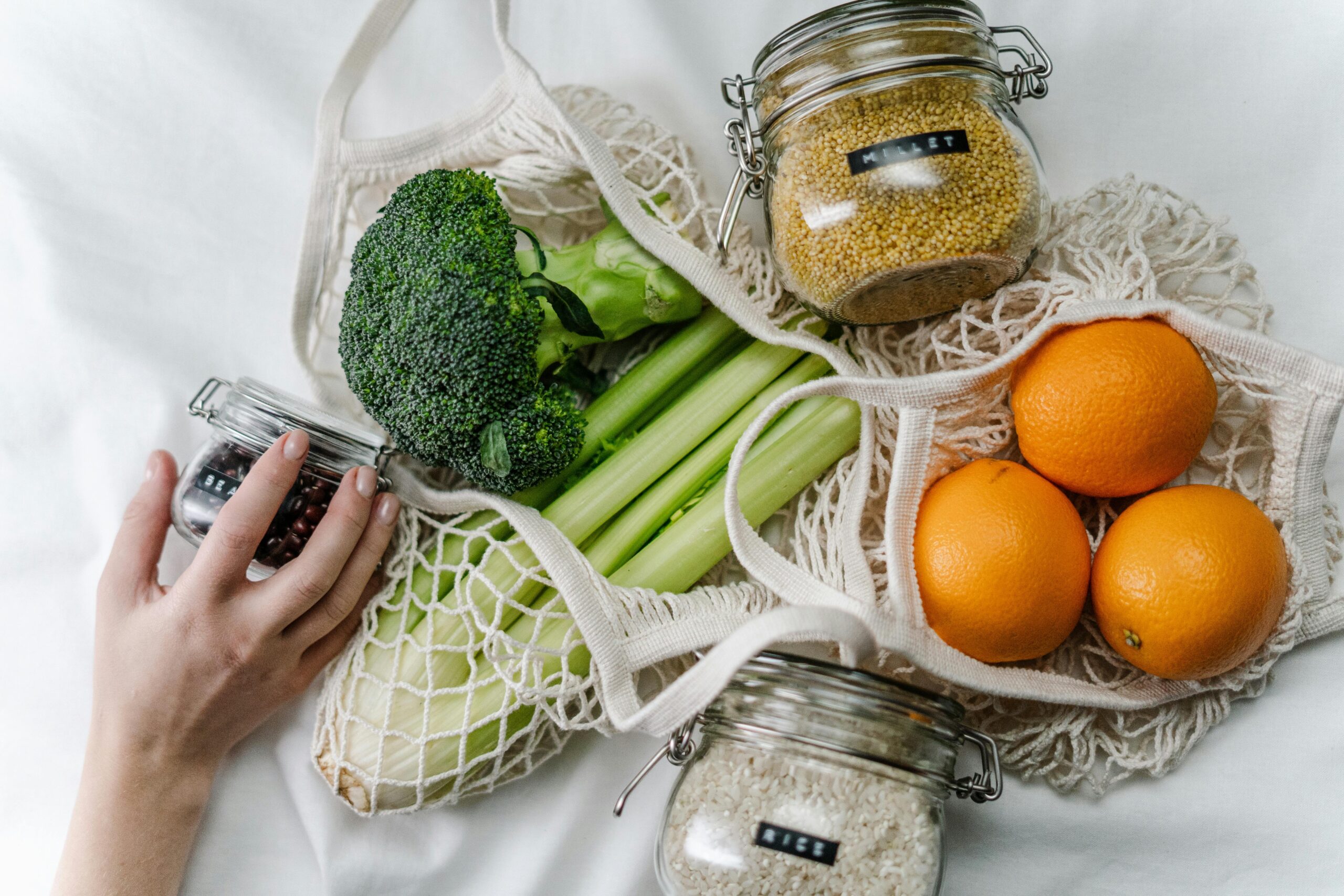
Stocking your kitchen with versatile allergen-free staples simplifies daily cooking and reduces stress. Essential items include multiple alternative flours for baking flexibility, various plant-based milks for different applications, and high-quality oils for cooking and flavor.
Keep binders like flax and chia seeds on hand, along with alternative sweeteners, vinegars, and salt-free seasonings for flavor development. Stock several grain options—quinoa, rice, buckwheat, millet—to vary textures and nutritional profiles. Canned beans and lentils provide quick protein sources for emergency meals.
Invest in quality allergen-free condiments, sauces, and spreads that align with your restrictions. Having flavorful options readily available prevents feeling deprived and makes meal assembly quick. Rotate stock regularly and organize by category for easy meal preparation.
🔬 Understanding Cross-Reactivity and Hidden Allergens
Some people with specific allergies experience reactions to related foods through cross-reactivity. For example, those allergic to birch pollen may react to apples, carrots, or hazelnuts due to similar protein structures. Understanding these relationships helps prevent unexpected reactions.
Hidden allergens lurk in unexpected places—dairy proteins in some wines, fish-derived ingredients in Worcestershire sauce, or wheat in soy sauce. Medications, vitamins, and personal care products may contain allergens. Reading labels extends beyond food to all products contacting your body.
Manufacturing facilities often process multiple allergens, risking cross-contamination even in products without allergens in the ingredient list. “May contain” warnings help those with severe allergies make informed choices. Contacting manufacturers directly provides additional information about production practices.
Living well with food allergies requires knowledge, planning, and adaptability, but it absolutely does not require deprivation or monotony. The abundance of smart swaps available today means you can enjoy diverse, delicious, nutritious meals while keeping yourself safe. Start by identifying your most-used allergenic ingredients, then explore alternatives systematically. With time, these substitutions become second nature, and you may discover new favorite foods you never would have tried otherwise. Your allergen-free journey can lead to a healthier, more vibrant lifestyle that celebrates what you can eat rather than mourning what you cannot.