Creating nutritious, appealing lunchboxes for your children doesn’t have to be a daily struggle. With the right strategies and recipes, you can transform lunch preparation into an enjoyable routine that fuels your kids’ bodies and minds.

Every parent knows the morning rush—getting kids ready for school, preparing breakfast, and somehow finding time to pack a lunchbox that won’t come home untouched. The challenge becomes even more complex when you’re trying to balance nutrition with taste, accommodate picky eaters, and manage food allergies or dietary restrictions. But what if preparing your child’s lunch could be simple, stress-free, and even fun?
The secret lies in understanding what makes a lunchbox both nutritious and appealing to young taste buds. When children enjoy their meals, they’re more likely to eat everything you’ve packed, giving them the sustained energy they need to concentrate in class, play actively during recess, and maintain a positive mood throughout their day. Let’s explore practical strategies for creating lunchboxes that deliver on all fronts—taste, nutrition, and convenience.
🍎 Why Balanced Lunchboxes Matter More Than You Think
The food your child eats at midday significantly impacts their academic performance, behavior, and overall health. Research consistently shows that children who eat balanced, nutritious lunches demonstrate better concentration, improved memory retention, and higher energy levels throughout the afternoon. These meals provide essential vitamins, minerals, proteins, and healthy fats that growing bodies desperately need.
A well-planned lunchbox does more than just fill empty stomachs. It teaches children about portion control, introduces them to diverse flavors and textures, and establishes healthy eating patterns that can last a lifetime. When kids see colorful, appetizing meals packed with love, they develop positive associations with nutritious food rather than viewing healthy eating as a chore or punishment.
Beyond the physical benefits, thoughtfully prepared lunches communicate care and attention. Children notice when their parents take time to create appealing meals, and this emotional connection to food can significantly influence their willingness to try new things and appreciate wholesome ingredients.
Building Blocks of the Perfect Lunchbox 🧱
Understanding the fundamental components of a balanced lunch simplifies the planning process immensely. Think of each lunchbox as containing five essential elements that work together to provide comprehensive nutrition.
Protein Power
Protein serves as the foundation for sustained energy and helps children feel satisfied until their next meal. Without adequate protein, kids may experience energy crashes, difficulty concentrating, and increased hunger throughout the afternoon. Excellent protein sources for lunchboxes include grilled chicken strips, hard-boiled eggs, turkey roll-ups, hummus, cheese cubes, Greek yogurt, and nut butter (if your school allows nuts).
The key is offering variety throughout the week so children don’t become bored with repetitive options. Rotating between animal-based and plant-based proteins also ensures a broader spectrum of nutrients and introduces children to different food sources.
Complex Carbohydrates
Quality carbohydrates provide the glucose that fuels brain function and physical activity. Choose whole grain breads, wraps, pasta, brown rice, quinoa, or oats rather than refined white flour products. These complex carbohydrates release energy slowly, preventing the blood sugar spikes and crashes that can affect mood and concentration.
Making carbohydrates visually appealing increases acceptance among younger children. Use cookie cutters to create fun shapes from whole grain sandwiches, or arrange pasta salads in colorful patterns that catch their attention.
Fruits and Vegetables 🥕
These nutritional powerhouses deliver vitamins, minerals, fiber, and antioxidants essential for immune function, growth, and disease prevention. The challenge lies in making them appealing enough that children actually eat them rather than trading them away or throwing them out.
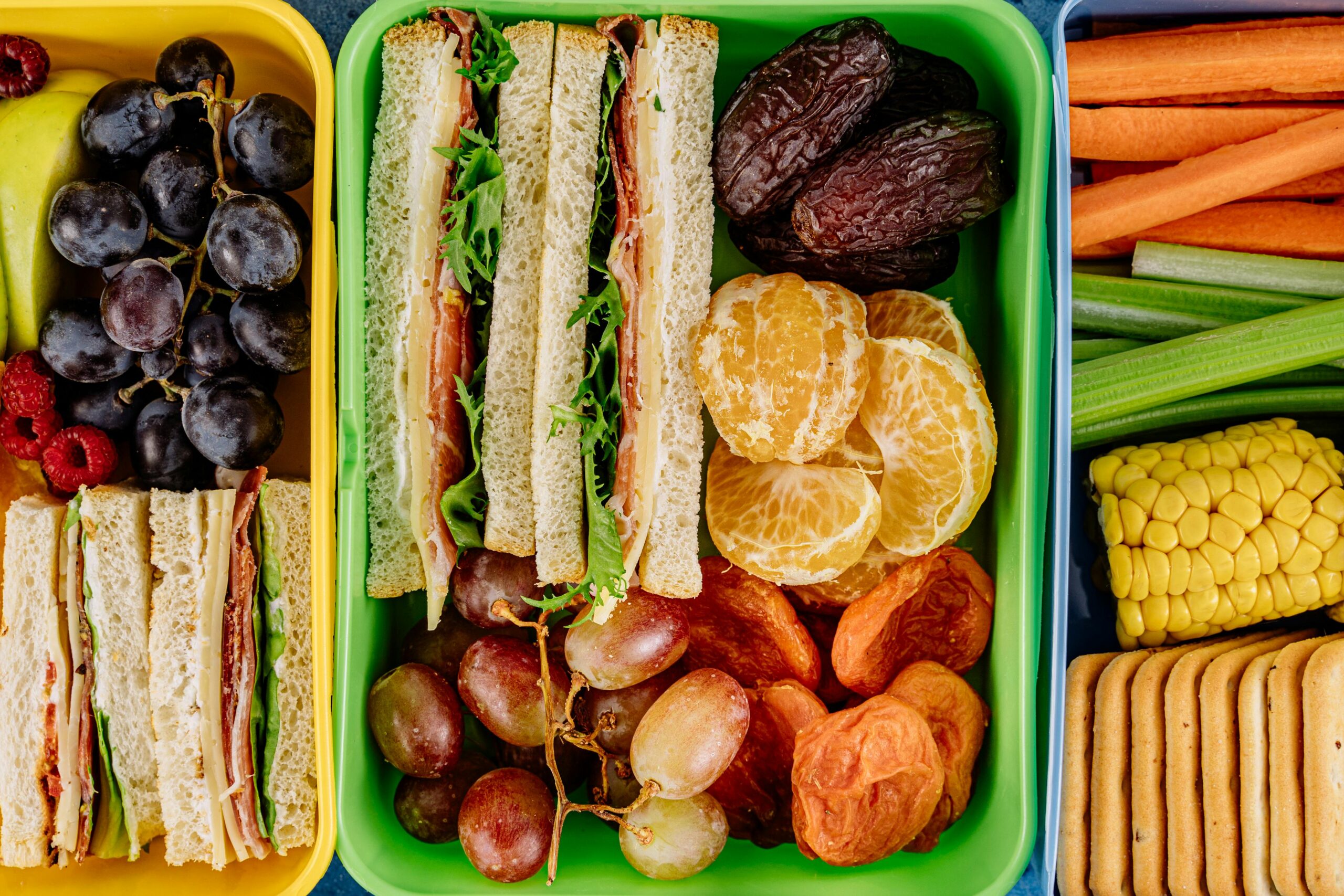
Fresh fruit slices, berries, melon balls, and grapes offer natural sweetness that most children enjoy. For vegetables, consider raw options with dips—carrot sticks, cucumber slices, bell pepper strips, cherry tomatoes, and snap peas paired with ranch dressing, hummus, or guacamole. The dipping action makes eating vegetables more interactive and fun.
Healthy Fats
Despite their bad reputation in past decades, healthy fats are absolutely crucial for children’s brain development, hormone production, and vitamin absorption. Include sources like avocado, nuts and seeds (when permitted), olive oil in dressings, cheese, and fatty fish like salmon.
These fats also help children feel satisfied and prevent them from becoming hungry too quickly after lunch. A small handful of almonds or a few slices of avocado can make the difference between a child who feels comfortably full and one who’s rummaging through their backpack for snacks an hour later.
Hydration Station 💧
Water should always be the primary beverage choice. Many children arrive home from school mildly dehydrated, which can cause headaches, fatigue, and difficulty concentrating. Pack a reusable water bottle filled with fresh water, and occasionally add sliced fruit for natural flavor.
Avoid juice boxes and sugary drinks, which provide empty calories and can contribute to dental problems and weight gain. If your child resists plain water, try infusing it with cucumber slices, berries, or a splash of lemon.
Weekly Lunchbox Planning Made Simple 📅
Rather than stressing each morning about what to pack, adopt a systematic approach that streamlines the entire process. Dedicating just thirty minutes on Sunday to plan and prep can transform your weekday mornings from chaotic to calm.
Theme Days Strategy
Assigning themes to specific days creates structure while maintaining variety. For example, Mondays might be Sandwich Day, Tuesdays could feature Pasta Salads, Wednesdays spotlight Wrap It Up options, Thursdays become Bento Box adventures, and Fridays celebrate Pizza or special treats.
Children often respond positively to predictable patterns, and knowing what to expect can actually reduce mealtime resistance. Themes also simplify your shopping lists and meal prep routines.
Batch Preparation Techniques
Prepare components in advance to minimize daily assembly time. On your designated prep day, wash and chop vegetables, portion fruits into containers, cook proteins like chicken breast or hard-boil a dozen eggs, and bake a batch of healthy muffins or energy balls.
Store everything in clear, labeled containers in your refrigerator so you can quickly grab what you need each morning. This approach also helps you visualize what ingredients are available, preventing last-minute panic when you realize you’ve run out of key items.
Age-Appropriate Lunchbox Ideas That Actually Work 🎯
Children’s nutritional needs and food preferences evolve as they grow, so tailoring lunchboxes to specific age groups increases the likelihood they’ll eat what you pack.
Preschoolers (Ages 3-5)
Young children need smaller portions and finger-friendly foods that don’t require complicated utensils or coordination. Focus on bite-sized pieces, fun shapes, and interactive elements. Try mini sandwiches cut into stars or hearts, cheese cubes with whole grain crackers, apple slices with sunflower seed butter, and colorful veggie sticks with hummus.
Visual presentation matters enormously at this age. Arrange foods into smiley faces, rainbows, or simple patterns. Use silicone cupcake liners in different colors to separate food items within the lunchbox, creating an appealing, organized display.
Elementary School (Ages 6-10)
School-aged children can handle more complex foods and larger portions. They’re also becoming more socially aware and may compare their lunches to classmates’ meals. Balance nutrition with “cool factor” by including trendy healthy options.
Consider turkey and cheese pinwheels, pasta salad with vegetables and Italian dressing, yogurt parfaits with granola, homemade trail mix, pita pockets stuffed with chicken and lettuce, or rice paper rolls filled with shrimp and fresh herbs. Include one “fun” item like whole grain crackers shaped like animals or freeze-dried fruit crisps.
Tweens and Teens (Ages 11+)
Older children have significantly higher caloric needs due to growth spurts and increased activity levels. They also want more independence and may resist foods that seem too “babyish.” Pack larger portions and involve them in planning and preparation.
Hearty sandwiches on crusty bread, substantial salads with protein, leftover dinner portions, smoothies in insulated containers, and DIY lunch kits where they assemble their own wraps or bowls all work well. At this age, focus on teaching them to pack their own balanced lunches using the principles you’ve established.
Creative Solutions for Common Lunchbox Challenges 🔧
Even with the best intentions, certain obstacles can derail your lunchbox efforts. Here’s how to address the most frequent issues parents encounter.
The Picky Eater Predicament
When your child refuses most foods, start with what they will eat and gradually introduce new items alongside familiar favorites. Never pack a lunchbox entirely filled with unfamiliar foods, as it may come home completely untouched, leaving your child hungry and frustrated.
Use the “one bite rule” at home during dinner, exposing children to new flavors repeatedly without pressure. Research shows children often need 10-15 exposures to a new food before accepting it. Pack one adventurous item alongside reliable favorites, and celebrate any willingness to try something different.
Food Safety Concerns
Perishable foods can become unsafe if not kept at proper temperatures. Invest in a quality insulated lunchbox and include ice packs to keep cold items below 40°F (4°C). For hot foods, use insulated thermoses that maintain temperatures above 140°F (60°C).
Pack perishable items like yogurt, cheese, and meat directly against ice packs. Non-perishable items like crackers and shelf-stable fruit cups can occupy the warmer sections of the lunchbox. Always include a reminder for your child to refrigerate their lunchbox upon arrival at school if facilities are available.
Handling Allergies and Dietary Restrictions
Many schools now maintain nut-free zones or have students with specific allergies in your child’s class. Respect these restrictions while still creating nutritious, satisfying meals. Seed butters (sunflower, pumpkin) provide excellent alternatives to peanut butter, offering similar texture and protein content.
For children with food allergies, clearly label all containers and educate your child about their restrictions. Consider using dedicated lunchboxes and utensils in different colors to prevent cross-contamination at home.
Equipment and Containers That Make Everything Easier 🎒
The right tools significantly impact both food safety and your child’s willingness to eat what you’ve packed. Investing in quality lunchbox gear pays dividends in reduced waste, better food preservation, and more appealing presentations.
Bento-style boxes with multiple compartments prevent foods from touching (important for many children) and allow you to include diverse options without using multiple containers. Look for leak-proof designs that prevent dressings and sauces from spilling onto other items.
Insulated food jars keep soups, stews, pasta dishes, and even oatmeal warm until lunchtime, expanding your menu options beyond cold sandwiches. These work particularly well during colder months when children crave comfort foods.
Reusable silicone bags, stainless steel containers, and cloth napkins reduce environmental impact while keeping foods fresh. Many children feel proud using eco-friendly lunch gear, and these conversations about sustainability provide valuable teaching opportunities.
Budget-Friendly Strategies for Nutritious Lunches 💰
Healthy eating doesn’t require expensive specialty ingredients or organic everything. Smart shopping and strategic planning keep costs reasonable while maintaining nutritional quality.
Buy seasonal produce when prices are lowest and flavor is peak. Frozen fruits and vegetables, flash-frozen at harvest, often contain more nutrients than “fresh” produce that’s traveled thousands of miles and sat on shelves for days. These frozen options cost less and prevent waste since you use only what you need.
Prepare foods from scratch rather than buying pre-packaged convenience items. Making your own granola bars, muffins, energy balls, and hummus costs a fraction of store-bought versions and allows you to control sugar and sodium content.
Utilize leftovers creatively. That roasted chicken from dinner becomes sandwich filling, salad topping, or quesadilla stuffing. Cooked rice transforms into fried rice with vegetables, or cold rice salads with beans and dressing.
Getting Kids Involved in Lunchbox Creation 👨🍳
Children who participate in planning and preparing their lunches are significantly more likely to eat what’s packed. This involvement teaches valuable life skills while reducing your workload and increasing their investment in healthy eating.
For younger children, offer controlled choices: “Would you like carrots or cucumbers with your sandwich?” or “Should we pack strawberries or grapes today?” This autonomy satisfies their need for independence while keeping selections within nutritious parameters.
Older children can gradually take on more responsibility. Teach them to assess what components make a balanced meal, then supervise as they assemble their own lunchboxes. By middle school, many children can independently prepare their lunches with occasional parental oversight.
Create a lunchbox station in your pantry or refrigerator with approved options clearly organized. When children can easily see and access appropriate choices, they’re empowered to make good decisions without constant adult intervention.
Special Occasion Lunchboxes That Spark Joy ✨
While everyday lunches should be straightforward and sustainable, special occasions warrant extra effort that makes children feel celebrated and loved.
Birthday lunchboxes might include a special treat, a festive napkin, or foods arranged in celebratory patterns. Back-to-school lunches can feature encouraging notes and favorite foods. Before big tests or important events, pack confidence-boosting meals with little messages of support.
Holiday-themed lunchboxes don’t require elaborate preparations—simple touches like heart-shaped sandwiches for Valentine’s Day or orange bell peppers for Halloween create memorable moments without significant time investment.
Monitoring and Adjusting Your Approach 📊
Pay attention to what comes home uneaten. Rather than viewing this as failure, treat it as valuable feedback about your child’s preferences and hunger levels. If the apple always returns untouched but the crackers disappear, you’ve learned something useful about their preferences.
Have regular conversations with your children about their lunches. Ask what they enjoyed, what they’d like to see more often, and whether they felt satisfied until their next meal. These discussions provide insights you can’t gain by simply observing what comes home in the lunchbox.
Be willing to experiment and adapt. Children’s tastes change, their activity levels fluctuate, and their social environments evolve. What worked last month might not work today, and flexibility ensures you continue meeting their needs rather than rigidly adhering to outdated approaches.
Building Lifelong Healthy Eating Habits 🌱
The ultimate goal extends far beyond simply getting your children through the school year with adequate nutrition. You’re establishing patterns and attitudes toward food that will influence their choices throughout their lives.
When children consistently experience balanced, delicious meals, they internalize the understanding that healthy food can taste good. They learn that eating well makes them feel energized and capable. These lessons become the foundation for independent decision-making as they grow older and take full responsibility for their own nutrition.
Model the behavior you want to see. If you pack balanced lunches for yourself and speak positively about nutritious foods, your children absorb these attitudes. Conversely, if they observe you skipping meals, eating haphazardly, or expressing disdain for healthy options, those messages resonate equally strongly.
Creating perfectly balanced lunchboxes doesn’t require perfection every single day. Some mornings will be rushed, some lunches will be simpler than others, and occasionally convenience foods will save the day. What matters is the overall pattern—consistently offering nutritious, appealing meals that fuel your children’s bodies and demonstrate your love and care. With planning, creativity, and flexibility, you can transform lunchbox preparation from a dreaded chore into an opportunity to nourish both body and soul. Your kids will thrive, and you’ll feel confident knowing you’re powering their days with meals that truly support their growth, learning, and happiness.