Weekends should be a time for relaxation and family bonding, but they’re also your secret weapon for creating a smoother week ahead. With just a few strategic prep steps, you can transform chaotic mornings into calm departures.

Finding balance between enjoying your days off and preparing for the busy week can feel overwhelming, especially when you have kids in the mix. The good news? Creating a weekend routine that sets your family up for success doesn’t require hours of work or complicated systems. Smart preparation combined with simple habits can dramatically reduce stress levels and create more quality time with your little ones throughout the week.
🎯 Why Weekend Preparation Changes Everything
The Sunday scaries aren’t just a workplace phenomenon—they extend into family life when you’re unprepared for the week ahead. Studies show that families who spend even 30 minutes on weekend preparation report significantly lower stress levels during weekdays. This isn’t about rigid schedules or losing your precious free time; it’s about creating breathing room when you need it most.
When Monday morning arrives and lunches are packed, outfits are ready, and everyone knows the plan, you’re starting from a position of strength rather than scrambling to catch up. Your kids pick up on this calm energy, which can lead to fewer meltdowns and more cooperative behavior throughout the week.
🍳 The Sunday Cooking Strategy That Saves Hours
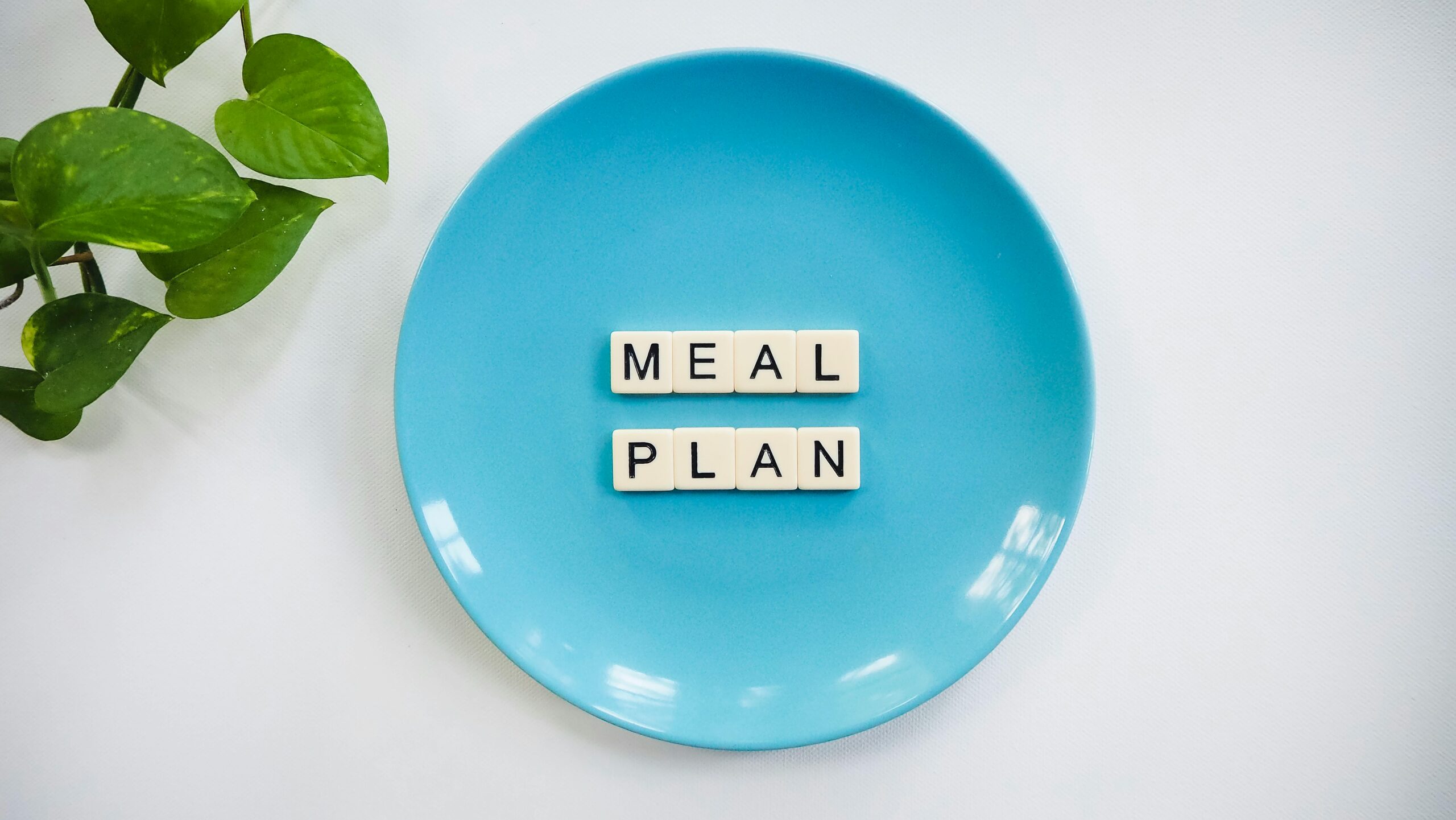
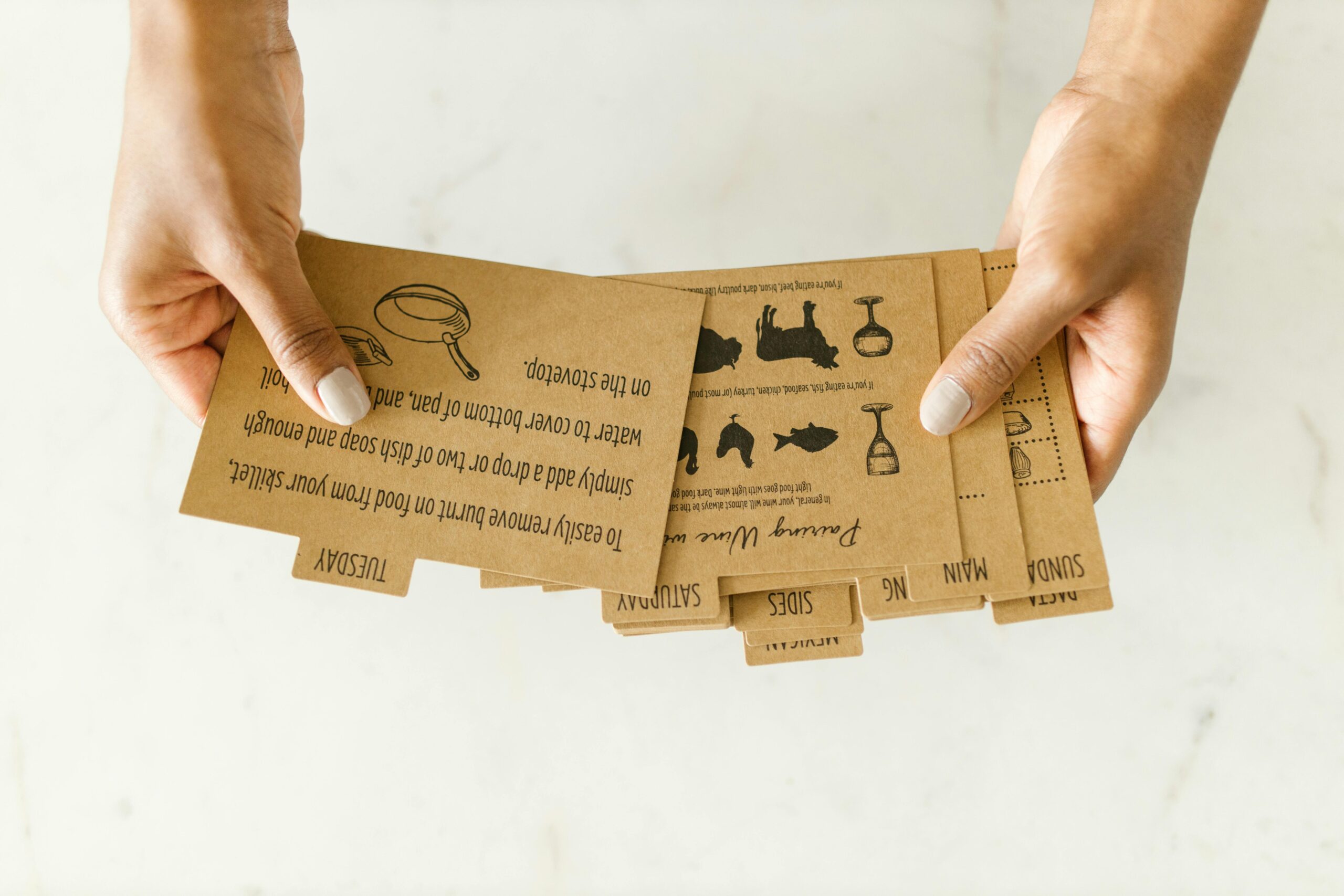
Meal prep doesn’t have to mean spending your entire Sunday in the kitchen. The key is working smarter, not harder. Start by planning just three to four dinners for the week—you don’t need every single meal mapped out to see benefits. Choose recipes that share ingredients to minimize shopping lists and reduce waste.
Batch cooking certain components rather than complete meals often works better for families with kids. Cook a large pot of rice, roast several trays of vegetables, grill multiple chicken breasts, or prepare a big batch of ground beef. These versatile ingredients can be mixed and matched throughout the week to create different meals that keep everyone interested.
Kid-Friendly Make-Ahead Meals
Focus on recipes that children actually enjoy and that hold up well in the refrigerator. Pasta dishes, taco filling, homemade pizza dough, meatballs, and soup are all excellent candidates. Get your kids involved in the process—even young children can wash vegetables, stir ingredients, or help measure items. This involvement makes them more invested in eating what you’ve prepared.
Consider dedicating one shelf in your refrigerator specifically for grab-and-go breakfast items. Pre-portioned yogurt parfaits, hard-boiled eggs, cut fruit, and homemade muffins can eliminate morning decision fatigue. When breakfast practically serves itself, everyone gets out the door faster and happier.
👕 The Outfit Organization Hack Parents Swear By
Few things derail a morning faster than outfit disputes. Eliminate this friction point by selecting and laying out clothes for the entire week every Sunday evening. Use a hanging organizer with compartments for each day, or simply lay outfits on shelves or in separate drawers.
Involve your children in this process according to their age. Younger kids can choose between two parent-approved options, while older children can select their own outfits for your approval. This gives them autonomy while ensuring weather-appropriate, school-appropriate choices are ready to go.
Check the weather forecast for the entire week during this process. Nothing’s worse than discovering it’s colder than expected when you’re already running late. Having backup layers or rain gear identified in advance saves precious morning minutes.
📚 School Prep That Prevents Morning Chaos
Backpack preparation should happen before Sunday night winds down. Go through each child’s backpack together, removing crumpled papers, old snacks, and forgotten items. Check folders for papers requiring signatures or attention. Restock supplies that are running low—pencils, erasers, tissues, hand sanitizer.
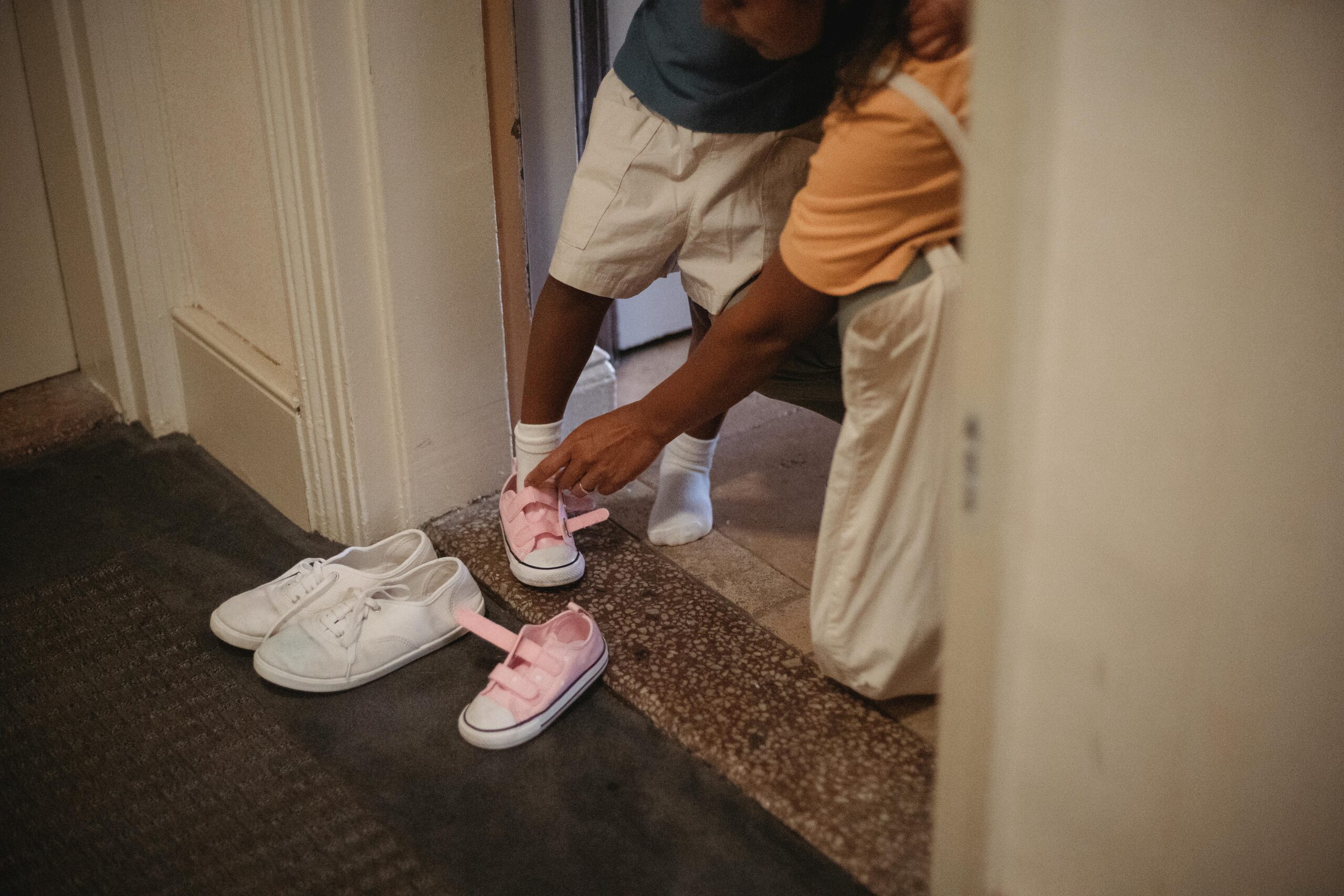
Create a launch pad near your exit door where backpacks, shoes, jackets, and any special items for the next day live. This designated spot becomes automatic over time, reducing the “Where’s my backpack?” panic that strikes during the morning rush.
The Sunday Paper Sort
Set aside fifteen minutes to sort through all the papers that came home during the previous week. File important documents, post calendar items on your family command center, and recycle everything else. Address any forms or permission slips immediately rather than adding them to a “deal with later” pile that inevitably gets forgotten.
Digital organization matters too. Many families find success using shared calendar apps that sync across all devices. These tools let you input upcoming events, appointments, and activities so everyone stays informed and nothing falls through the cracks.
🧺 Speed-Clean Systems for Busy Families
A complete deep clean isn’t realistic every weekend, but strategic tidying prevents overwhelming messes. Implement a “10-minute pickup” rule where every family member (including kids) spends ten minutes returning items to their proper places. You’ll be amazed at how much gets accomplished when everyone pitches in simultaneously.
Focus weekend cleaning efforts on the spaces that impact your weekday functioning most—kitchen counters, entryway, and bathrooms. A quick wipe-down of these high-traffic areas maintains a baseline of order that prevents stress from accumulating along with clutter.
Teach children age-appropriate cleaning responsibilities and make them part of the weekend routine. Even toddlers can put toys in bins or place dirty clothes in hampers. These small contributions build lifelong habits while lightening your load.
💤 Sunday Night Rituals That Set the Tone
How you end your weekend significantly impacts how you begin your week. Establish a Sunday evening wind-down routine that signals the transition from weekend relaxation to weekday productivity. This might include taking baths, reading together, or simply having a calm family dinner without screens.
Get everyone to bed slightly earlier on Sunday night. That extra thirty minutes of sleep makes Monday morning noticeably easier for both kids and adults. Avoid stimulating activities in the evening—save the high-energy play for Saturday afternoon.
The Family Meeting That Makes a Difference
Hold a brief family meeting Sunday evening to review the week ahead. Go over each person’s schedule, discuss any special events or early dismissals, and coordinate who’s handling which responsibilities. When everyone knows what’s coming, there are fewer surprises and more cooperation.
Let kids voice concerns or ask questions about the upcoming week. Maybe they’re worried about a test or excited about a field trip. These conversations help you anticipate needs and prepare accordingly while making children feel heard and supported.
🥗 Lunchbox Prep That Actually Works
Packing lunches the night before saves considerable morning stress, but packing all five at once on Sunday might not keep everything fresh. Split the difference by doing partial prep. Wash and portion snacks, prepare non-perishable items, and have grab-and-go containers ready.
Invest in quality lunch containers that are easy for small hands to open and close. Nothing frustrates a child more than being unable to access their food at lunchtime. Label everything clearly—kids’ belongings have a way of wandering off.
Create a lunchbox station in your pantry or refrigerator with approved items kids can choose from. This gives them agency while keeping choices within your nutritional guidelines. Rotate options weekly to prevent boredom and lunch-trading at school.
💰 Budget-Friendly Weekend Prep Ideas
Effective weekend preparation doesn’t require expensive organizing systems or fancy meal prep containers. Reuse jars for storing chopped vegetables, repurpose shoeboxes for drawer organization, and use masking tape for labeling. The system matters more than the supplies.
Shop your own pantry before heading to the grocery store. You’ll often discover forgotten ingredients that can inspire meals, reducing food waste and grocery spending. Build your meal plan around what you already have, then fill in gaps.
Batch cooking saves money by reducing impulse takeout orders during busy weeks. When you know dinner is essentially ready, you’re far less likely to spend money on restaurant meals. Even one avoided takeout order per week adds up to significant savings over time.
⏰ Time-Blocking Your Weekend for Maximum Efficiency
Don’t let prep tasks consume your entire weekend. Assign specific time blocks to preparation activities—perhaps Sunday from 3-5 PM is your dedicated prep window. Setting boundaries ensures you still enjoy leisure time while accomplishing what needs doing.
Use timers to keep tasks from expanding beyond their allotted time. Give yourself thirty minutes for meal prep, twenty minutes for outfit selection, and fifteen minutes for school prep. You’ll work more efficiently when racing the clock, and you’ll avoid perfectionism that steals your relaxation time.
Remember that preparation itself can be enjoyable when approached with the right mindset. Put on music, involve the family, and celebrate the sense of accomplishment that comes from setting yourself up for success.
🎨 Making Prep Time Fun for Kids
Transform weekend preparation from a chore into quality family time by gamifying the process. Create races to see who can pick up the most items in one minute, or let kids earn points toward a special privilege by completing age-appropriate tasks. Music makes everything better—create a prep playlist that signals it’s time to work together.
Offer choices within structure. Kids can decide which vegetable to prep, which outfit to wear on Wednesday, or which lunch snacks they want for the week. This autonomy increases cooperation and builds decision-making skills.
Building Independence Through Routine
As children master weekend prep tasks, gradually release responsibility to them. What starts as you doing everything with them watching becomes doing it together, then you watching them, and eventually them handling it independently. This progression builds confidence and practical life skills.
Create visual checklists for each child showing their weekend prep responsibilities. Even non-readers can follow picture-based charts that illustrate each task. Checking off completed items provides satisfying feedback that motivates continued participation.
🔄 Adjusting Your Routine as Seasons Change
Your weekend prep routine should evolve with your family’s changing needs. During sports seasons, incorporate equipment checks and uniform prep. Before holidays, add gift-wrapping or card-signing sessions. Stay flexible and adjust as circumstances shift.
Regularly evaluate what’s working and what isn’t. Maybe meal prep has become second nature, but the morning outfit selection is still causing issues. Focus your energy where it’s needed most, and don’t fix what isn’t broken.
Give new systems at least three weeks before deciding they don’t work. It takes time for habits to form, and initial resistance often fades as routines become familiar. Consistency matters more than perfection.
🌟 The Ripple Effect of Weekend Preparation
When you master your weekend routine, benefits extend far beyond smoother mornings. You’ll notice increased patience with your children, better family communication, fewer forgotten items and missed appointments, and more mental energy for the things that truly matter. The stress reduction alone improves relationships and overall quality of life.
Children thrive on predictability. When they know what to expect and see their parents modeling organization and planning, they internalize these valuable skills. You’re not just preparing for the week ahead—you’re teaching your kids how to manage their own lives effectively as they grow.
The cumulative effect of small preparations creates momentum. Each smooth morning builds confidence for the next. Over time, what once felt overwhelming becomes automatic, freeing your mental space for creativity, connection, and joy rather than constant crisis management.
🚀 Starting Small and Building Momentum
Don’t try to implement every strategy at once. Choose one or two areas where you struggle most and start there. Maybe it’s meal prep or maybe it’s the Sunday paper sort. Master that, then add another element. Gradual implementation leads to sustainable habits.
Celebrate small wins with your family. When everyone makes it out the door on time with everything they need, acknowledge the success. Positive reinforcement motivates continued effort and helps everyone see the value in weekend preparation.
Remember that some weeks will go better than others, and that’s completely normal. Life happens, schedules change, and unexpected events disrupt plans. The goal isn’t perfection—it’s creating a flexible framework that reduces stress more often than not. Even partially implementing these strategies will make noticeable improvements in your family’s weekly rhythm and overall well-being.