Busy weeknights call for simple solutions that bring the whole family together around the dinner table. One-pot meals offer the perfect answer to every parent’s prayer: delicious, nutritious dinners that kids actually enjoy eating, all while minimizing cleanup time and kitchen chaos.

The beauty of one-pot cooking extends far beyond convenience. These meals allow flavors to meld together beautifully, creating depth that keeps everyone coming back for seconds. More importantly, they provide opportunities to sneak in vegetables and wholesome ingredients that picky eaters might otherwise reject. When everything cooks together in harmony, even the most selective young diners find themselves asking for more.
Why One-Pot Meals Win Every Time 🍲
Modern families face unprecedented time pressures. Between homework, extracurricular activities, and work commitments, finding time to prepare elaborate dinners feels impossible. One-pot wonders solve this dilemma by streamlining both cooking and cleanup processes.
These meals reduce stress in multiple ways. First, they eliminate the juggling act of timing multiple dishes to finish simultaneously. Second, they create fewer dirty dishes, which means less time scrubbing and more time connecting with your children. Third, they often use affordable, accessible ingredients that don’t require specialty store trips.
From a nutritional standpoint, one-pot meals excel at delivering balanced nutrition. You can easily incorporate proteins, complex carbohydrates, and plenty of vegetables into a single dish. The cooking method also helps retain nutrients that might otherwise be lost through multiple cooking processes.
Essential Equipment for One-Pot Success
Before diving into recipes, let’s talk about the tools that make one-pot cooking effortless. You don’t need a fully stocked kitchen, but certain pieces make the process significantly smoother.
A heavy-bottomed Dutch oven stands as the workhorse of one-pot cooking. Its thick walls distribute heat evenly, preventing burning while allowing ingredients to develop rich, caramelized flavors. These versatile pots transition seamlessly from stovetop to oven, expanding your recipe possibilities.
Large skillets with lids offer another excellent option, particularly for pasta dishes and stir-fries. Look for skillets with high sides that can accommodate generous portions and prevent splattering. Non-stick varieties work well for dishes with cheese or sticky sauces.
Slow cookers and instant pots deserve special mention for their set-it-and-forget-it convenience. These appliances allow you to prep ingredients in the morning and return home to a fully cooked, aromatic dinner waiting for hungry mouths.
Kid-Approved Pasta Perfection 🍝
Pasta dishes consistently rank among children’s favorite foods, making them ideal candidates for one-pot treatment. These recipes transform simple ingredients into comfort food that satisfies the entire family.
Creamy Chicken Alfredo Pasta
This restaurant-quality dish comes together in under thirty minutes using a single pot. Start by browning bite-sized chicken pieces in butter, then set them aside. In the same pot, sauté minced garlic until fragrant, add chicken broth and milk, then bring to a boil. Stir in uncooked pasta and cook until tender, stirring occasionally to prevent sticking.
The magic happens when you reduce the heat and stir in cream cheese and Parmesan. The starches released from the pasta create a naturally creamy sauce that clings perfectly to every noodle. Return the chicken to the pot, add frozen peas or broccoli florets, and dinner is served.
Cheesy Taco Pasta Fiesta
Combining two kid favorites—tacos and pasta—creates an unstoppable dinner winner. Brown ground beef with diced onions, drain excess fat, then add taco seasoning, diced tomatoes, black beans, corn, and beef broth. Stir in uncooked pasta shells and simmer until tender.
Top generously with shredded cheddar cheese, cover, and let the residual heat melt everything into gooey perfection. Serve with optional toppings like sour cream, diced avocado, and crushed tortilla chips for a customizable experience that empowers kids to build their perfect bowl.
Hearty Soups and Stews That Warm Hearts ❤️
Nothing says comfort quite like a steaming bowl of soup or stew. These one-pot wonders pack tremendous flavor while delivering serious nutritional value that parents appreciate.
Chicken Noodle Soup Magic
Homemade chicken noodle soup doesn’t require hours of simmering. Start with boneless chicken thighs, which stay tender and flavorful throughout cooking. Sauté diced carrots, celery, and onion in a large pot until softened, then add chicken broth, bay leaves, and the chicken pieces.
Simmer for about fifteen minutes, then remove the chicken, shred it with two forks, and return it to the pot. Add egg noodles and cook until tender. Season with salt, pepper, and fresh herbs. This healing soup soothes sick children and satisfies healthy appetites alike.
Hearty Beef and Vegetable Stew
This robust stew transforms tough beef chuck into fork-tender morsels while surrounding them with perfectly cooked vegetables. Brown cubed beef in batches, developing a rich crust that adds incredible flavor. Remove the meat, then sauté onions, carrots, and celery in the same pot.
Return the beef, add beef broth, tomato paste, Worcestershire sauce, and herbs. Bring to a boil, then reduce to a gentle simmer. After an hour, add cubed potatoes and continue cooking until everything is tender. The resulting stew satisfies hungry kids and adults equally.
Rice-Based Recipes That Deliver 🍚
Rice serves as an excellent foundation for one-pot meals, absorbing flavors while providing satisfying substance. These dishes offer wonderful opportunities to introduce international flavors to adventurous young palates.
Chicken and Rice Fiesta
This colorful dish brings Southwest flavors to your dinner table. Brown seasoned chicken breasts, then set aside. In the same pot, sauté bell peppers and onions until tender. Add rice, chicken broth, diced tomatoes, black beans, and corn. Nestle the chicken on top, cover, and simmer until the rice absorbs all liquid.
The chicken stays moist while infusing the rice with savory flavor. Fluff the rice, shred the chicken directly in the pot, and mix everything together. Top with cheese, cilantro, and a squeeze of lime for a restaurant-worthy presentation.
Jambalaya Junior
Introduce children to Cajun cuisine with a mild version of this Louisiana classic. Brown sliced smoked sausage, then add the “holy trinity” of onions, celery, and bell peppers. Stir in rice, chicken broth, diced tomatoes, and gentle seasoning—you can always increase the spice level for adult servings.
Add shrimp during the final five minutes of cooking for a protein boost that kids find exciting. The combination of sausage, shrimp, and vegetables creates a complete meal that expands culinary horizons without overwhelming sensitive taste buds.
Breakfast for Dinner Brilliance 🍳
Sometimes the best dinner ideas come from breakfast menus. These morning favorites translate beautifully into evening meals that children greet with enthusiasm.
One-Pot Breakfast Burrito Bowl
Scramble eggs directly in a large skillet with crumbled breakfast sausage, then push them to one side. Add frozen hash browns to the empty space and cook until crispy. Stir in black beans, corn, and shredded cheese, allowing everything to warm through and meld together.
Serve in bowls with optional toppings like salsa, sour cream, and diced avocado. This protein-packed dinner provides sustained energy while feeling like a fun rule-breaking treat.
Savory French Toast Casserole
Transform French toast into a savory dinner by using a large oven-safe skillet. Layer cubed bread with cooked sausage, cheese, and sautéed vegetables. Whisk together eggs, milk, salt, and pepper, then pour over everything. Bake until golden and puffy.
This versatile dish accommodates whatever vegetables need using up in your refrigerator. Kids enjoy the familiar French toast texture while getting a healthy dose of nutrition.
Sneaky Vegetable Strategies for Picky Eaters 🥦
One-pot meals excel at camouflaging vegetables within delicious contexts. These techniques help children consume more produce without resistance or negotiation.
Finely dicing vegetables allows them to blend seamlessly into sauces and bases. Carrots, zucchini, and bell peppers virtually disappear when chopped small and cooked until soft. They add nutrition, fiber, and subtle sweetness without triggering picky eater alarms.
Pureeing vegetables into sauces provides another effective strategy. Blend cooked cauliflower or butternut squash into cheese sauces for added creaminess and nutrition. The vegetable flavor becomes undetectable while boosting the nutritional profile significantly.
Involving children in meal preparation increases their willingness to try new foods. Let them stir the pot, add ingredients, or choose between two vegetable options. This investment in the cooking process creates ownership and curiosity about the final product.
Time-Saving Prep Strategies
Maximizing efficiency transforms one-pot cooking from convenient to absolutely effortless. These strategies shave precious minutes off your cooking time while maintaining quality and flavor.
Batch prepping ingredients on weekends sets you up for success throughout the week. Chop onions, dice peppers, and portion proteins into meal-sized containers. When dinner time arrives, you simply grab pre-prepped ingredients and start cooking.
Utilizing pre-washed, pre-cut vegetables isn’t cheating—it’s smart time management. These convenience products cost slightly more but deliver immense value in saved time and reduced stress. The difference between cooking dinner and ordering takeout often comes down to these small conveniences.
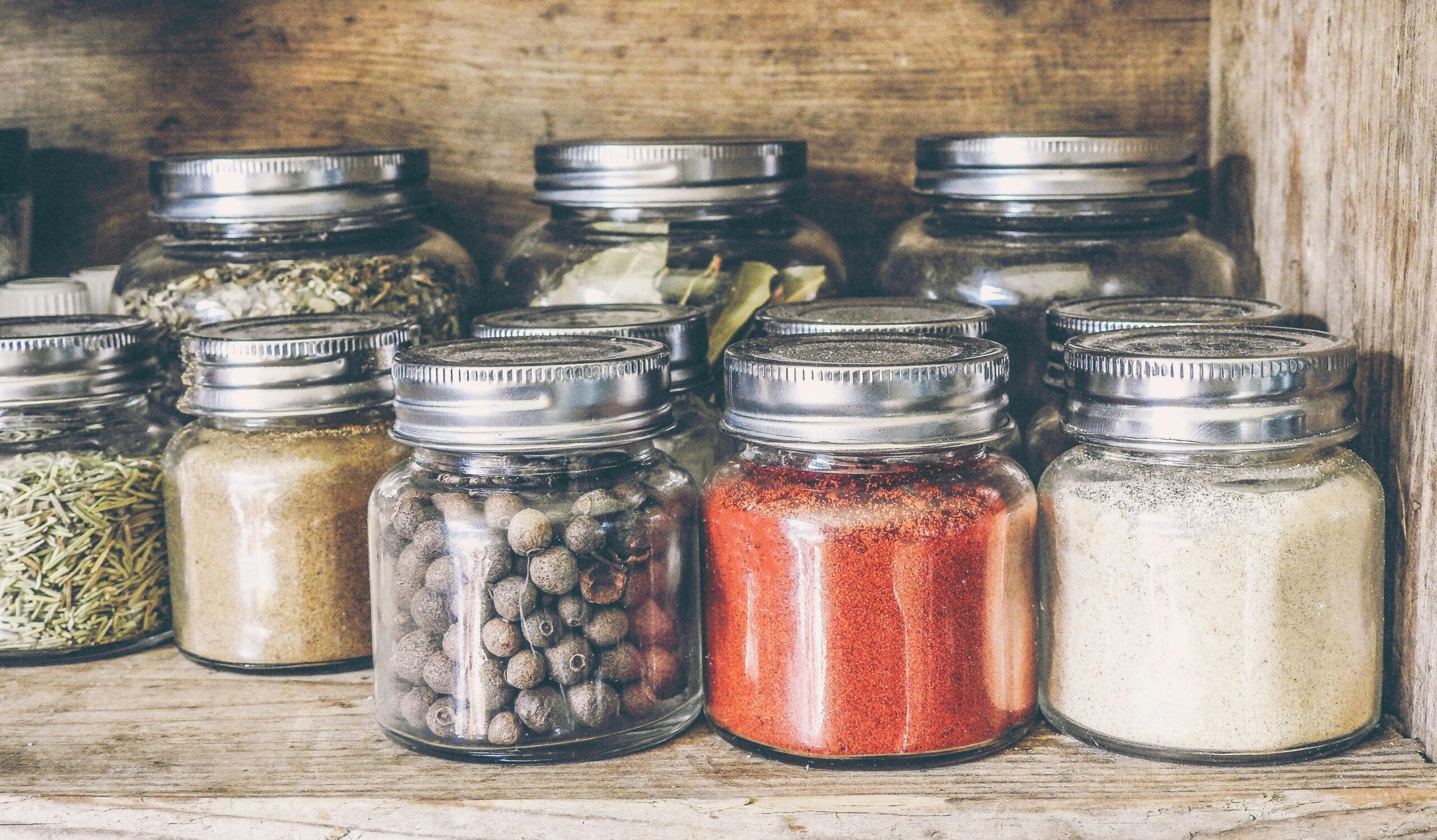
Keeping a well-stocked pantry ensures you always have the building blocks for quick one-pot meals. Stock chicken and beef broth, canned tomatoes, dried pasta, rice, and basic spices. With these staples on hand, you can create satisfying meals even when the refrigerator looks bare.
Budget-Friendly Family Feeding 💰
One-pot meals naturally tend toward budget-friendliness, but certain strategies maximize this advantage. These approaches help families eat well without straining finances.
Building meals around affordable proteins like chicken thighs, ground beef, and beans stretches your food budget significantly. These ingredients cost less than premium cuts while delivering excellent flavor and nutrition when cooked properly.
Incorporating beans and lentils adds protein, fiber, and substance at minimal cost. These plant-based proteins bulk up portions, creating satisfying meals that keep everyone full until morning. They also absorb surrounding flavors beautifully, making them ideal for one-pot applications.
Shopping seasonal produce and sales reduces costs while ensuring maximum freshness. Flexible recipes that accommodate ingredient substitutions based on what’s available and affordable provide additional savings opportunities.
Making Leftovers Exciting
One-pot meals often yield generous portions, creating welcome leftovers that solve tomorrow’s dinner dilemma. These strategies transform leftovers from boring repeats into exciting new meals.
Repurposing leftover one-pot pasta into a baked casserole gives it new life. Transfer leftovers to a baking dish, top with additional cheese and breadcrumbs, then bake until bubbly and golden. The textural transformation makes it feel like an entirely different meal.
Leftover rice dishes become excellent burrito or wrap fillings. Add fresh lettuce, tomatoes, and avocado to yesterday’s chicken and rice for a completely different eating experience that children find exciting.
Freezing portions in individual containers creates a homemade convenience food library. Label containers clearly with contents and dates, then defrost as needed for quick lunches or emergency dinners.
Adapting Recipes for Dietary Needs
One-pot meals adapt easily to accommodate various dietary requirements and preferences. These modifications ensure everyone at the table enjoys dinner together.
Gluten-free adaptations work seamlessly in most recipes. Substitute regular pasta with gluten-free varieties, use cornstarch instead of flour for thickening, and verify that broth and seasonings are certified gluten-free. The one-pot format prevents cross-contamination concerns.
Dairy-free versions accommodate lactose intolerance and vegan preferences. Replace butter with olive oil, use coconut milk or cashew cream instead of dairy cream, and skip cheese or use plant-based alternatives. Many dishes remain delicious without dairy modifications.
Vegetarian conversions expand options for meatless families or Meatless Monday participants. Replace meat with hearty vegetables like mushrooms and eggplant, increase beans and lentils, or use plant-based meat alternatives that mimic familiar textures.
Getting Kids Involved in Cooking
One-pot meals provide excellent opportunities for teaching children cooking skills while spending quality time together. Age-appropriate tasks build confidence and life skills.
Young children can wash vegetables, tear herbs, measure ingredients, and stir under supervision. These simple tasks help them feel invested in meal creation while developing fine motor skills and following directions.
Older children can handle more complex tasks like chopping softer vegetables, browning ground meat, and managing cooking times. Teaching knife safety and proper techniques now prepares them for independent cooking later.
Making cooking a collaborative family activity rather than a solo chore transforms dinner preparation from stressful to enjoyable. Conversation flows naturally while working together toward a common goal.
Creating Your One-Pot Rotation 📅
Establishing a regular rotation of favorite one-pot meals eliminates daily decision fatigue while ensuring variety. This system brings order to meal planning without feeling restrictive.
Start by identifying five to seven one-pot recipes your family genuinely enjoys. Test new recipes on weekends when you have more time to experiment, then add successful dishes to your rotation while retiring those that don’t make the cut.
Assign themes to specific weeknights to streamline planning. Pasta Monday, Taco Tuesday, and Soup Sunday create predictable patterns that children find comforting while simplifying your mental load.
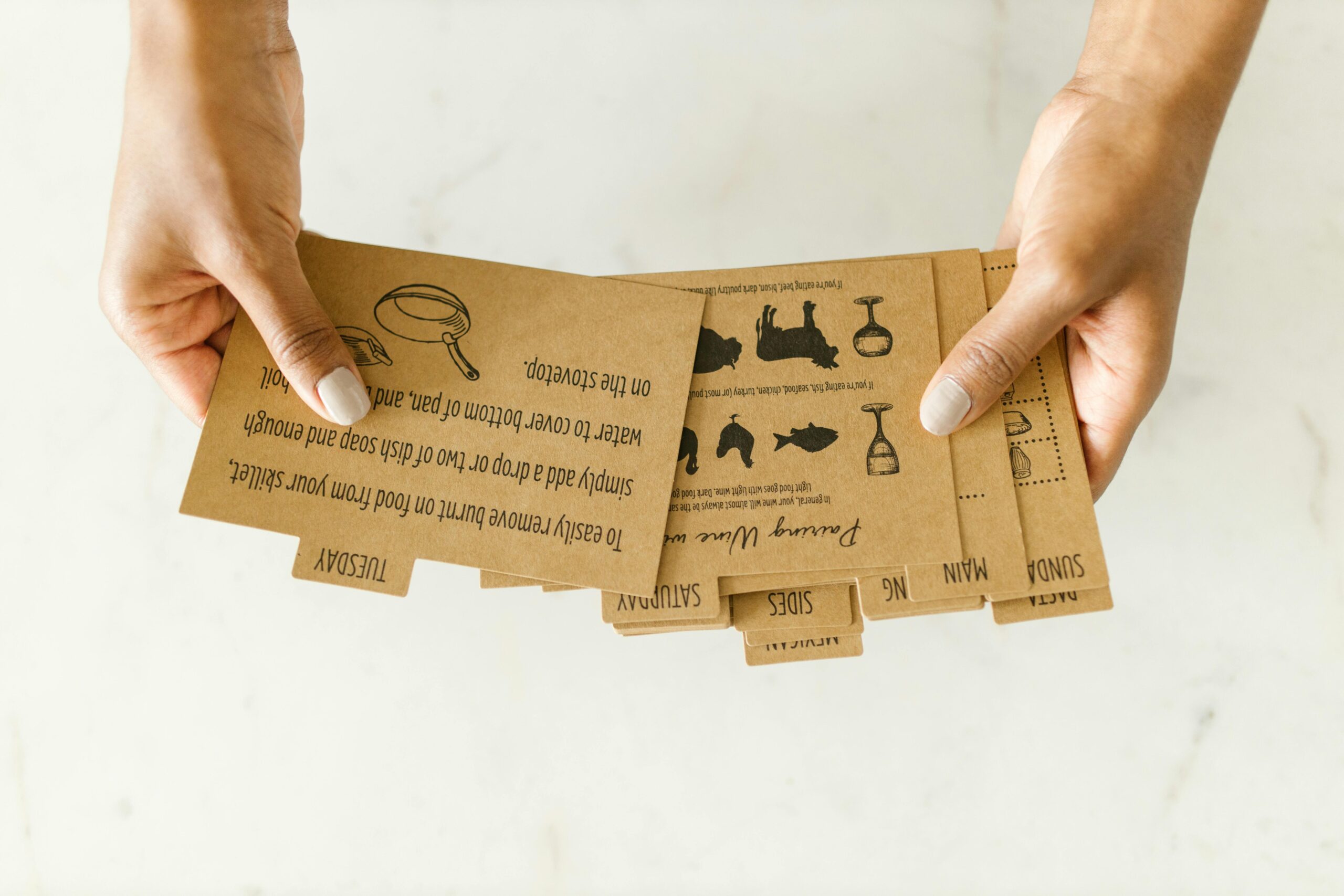
Keep recipes accessible in a dedicated binder or digital folder. Include notes about modifications your family prefers and how well leftovers keep. This documentation transforms cooking from guesswork into a refined system.
Celebrating Simple Success 🎉
The true measure of dinner success isn’t complexity or presentation—it’s whether everyone feels satisfied, connected, and cared for. One-pot wonders deliver on all fronts, creating space for what truly matters: time together as a family.
These meals prove that excellent home cooking doesn’t require culinary school training or hours of preparation. With the right recipes and strategies, any parent can produce dinners that delight children while meeting nutritional needs and budget constraints.
Start with one or two recipes that appeal to your family’s preferences. Master these before expanding your repertoire. Gradually, one-pot cooking will become second nature, transforming your relationship with weeknight dinners from stressful obligation to enjoyable ritual.
Remember that perfection isn’t the goal—connection is. Some nights dinner will be spectacular, others merely adequate. What matters most is showing up consistently, nourishing your family with both food and presence, and creating memories around shared meals that last far longer than any single recipe.