Getting kids to enjoy dinnertime doesn’t have to be a nightly battle. With the right approach, simple ingredients, and a dash of creativity, you can prepare meals that bring smiles to little faces and peace to your evening routine.

Every parent knows the challenge: you want to serve nutritious food, but you also need meals that actually get eaten without complaints. The good news is that kid-friendly dinners don’t require complicated recipes or exotic ingredients. What matters most is understanding what appeals to young taste buds while keeping prep time manageable for busy families.
🍝 Why Simple Dinners Work Best for Kids
Children naturally gravitate toward familiar flavors and uncomplicated presentations. Their developing palates often prefer foods that aren’t overly seasoned or mixed together in ways they can’t identify. Simple doesn’t mean boring—it means approachable, recognizable, and comforting.
When kids can see what’s on their plate and recognize individual components, they’re more likely to try new things. A pasta dish with visible vegetables, a taco bar where they can choose their toppings, or chicken strips with colorful dipping sauces all give children a sense of control over their meals.
Research shows that children need to be exposed to new foods multiple times before accepting them. Starting with simple preparations allows you to introduce variety gradually without overwhelming young eaters. This approach reduces mealtime stress for everyone at the table.
🌮 Quick Weeknight Winners That Never Disappoint
Customizable Taco Night
Tacos remain one of the most universally loved kid-friendly dinners. The beauty lies in their flexibility—each family member can build their perfect combination. Set out seasoned ground beef or turkey, shredded cheese, lettuce, tomatoes, sour cream, and mild salsa.
For picky eaters, soft flour tortillas tend to be more popular than hard shells. You can also offer quesadillas as an alternative, which many kids find less messy and easier to handle. Adding black beans or refried beans increases the nutritional value while maintaining familiar flavors.
Build-Your-Own Pizza Party
Transform dinner into an interactive experience with personal pizzas. Use store-bought dough, English muffins, or pita bread as bases. Let kids spread sauce and choose their toppings from options like pepperoni, ham, bell peppers, mushrooms, and plenty of cheese.
This approach encourages children to try vegetables they might normally refuse when they’re part of something fun they created themselves. Bake until the cheese bubbles and golden, and you’ll have happy kids and minimal cleanup.
Pasta with Simple Sauces
Pasta dishes offer endless possibilities while remaining comfortingly familiar. Mac and cheese tops many kids’ favorite lists, but you can expand beyond the boxed version. Try butter and parmesan for a minimalist approach, or a light tomato sauce with hidden pureed vegetables.
Fun pasta shapes like bowties, spirals, or shells make meals more appealing to young diners. Consider adding proteins like grilled chicken strips, meatballs, or turkey sausage to create a complete meal without added complexity.
🍗 Protein-Packed Favorites Kids Actually Eat
Getting adequate protein into growing bodies doesn’t require elaborate preparations. Focus on kid-approved proteins cooked in ways that preserve their natural appeal.
Crispy Baked Chicken Tenders
Skip the deep fryer and make healthier chicken tenders in the oven. Coat chicken strips in seasoned breadcrumbs or crushed cornflakes for extra crunch. Serve with various dipping sauces—ketchup, honey mustard, ranch dressing, or barbecue sauce—to accommodate different preferences.
The key to kid-friendly chicken is keeping it tender and not overly spiced. A simple combination of salt, pepper, and garlic powder usually works perfectly. Pair with oven-baked sweet potato fries or regular fries for a complete meal.
Mini Meatballs and Sliders
Smaller portions feel less intimidating to children. Mini meatballs can be served with pasta, tucked into sub rolls with marinara and cheese, or enjoyed with toothpicks and dipping sauce. Ground beef, turkey, or chicken all work well.
Sliders similarly offer big flavor in kid-sized packages. Mini burger patties on small buns become special treats rather than ordinary meals. Let kids add their own toppings for extra engagement.
Fish Sticks and Mild Seafood Options
Introducing seafood early helps develop broader palates. Baked fish sticks provide omega-3s without the “fishy” taste many kids reject. Look for whole fish options rather than processed varieties when possible.
Mild white fish like cod or tilapia can be baked with a light breading or served as fish tacos with cabbage slaw and a creamy sauce. Keep seasonings simple and offer lemon wedges for kids who want extra flavor.
🥦 Sneaking in Nutrition Without the Fuss
Parents often worry about getting enough vegetables and nutrients into their children’s diets. The secret isn’t forcing green beans or broccoli every night—it’s incorporating nutrition strategically throughout meals.
The Power of Presentation
How you serve vegetables matters enormously. Raw carrot sticks with ranch dip often succeed where cooked carrots fail. Cherry tomatoes get eaten while sliced tomatoes get pushed aside. Cucumber rounds become “crunch discs,” and bell pepper strips become “veggie fries.”
Arranging foods into fun shapes or patterns on the plate captures attention. A broccoli “tree” next to mashed potato “snow” creates a scene rather than just a meal. This playful approach costs nothing but transforms the dining experience.
Hidden Vegetable Strategies
Blending vegetables into sauces, soups, and baked goods provides nutrition without battles. Pureed cauliflower or butternut squash disappears into mac and cheese. Finely grated zucchini adds moisture to meatballs and meatloaf without detection.
Smoothies offer another excellent vehicle for fruits and even spinach or kale, masked by sweeter flavors like banana, mango, or berries. Frozen fruit creates a milkshake-like texture that kids love.
⏰ Time-Saving Strategies for Busy Families
Stress-free mealtime starts with efficient planning and preparation. You don’t need hours in the kitchen to create dinners kids enjoy.
Batch Cooking and Freezer Meals
Dedicate one afternoon to preparing multiple meals for the week ahead. Cook large batches of taco meat, spaghetti sauce, or shredded chicken that can be repurposed into different dinners. Freeze individual portions for particularly hectic evenings.
Many kid-friendly favorites freeze beautifully—meatballs, chicken tenders, pizza dough, and pasta dishes all reheat well. Label everything clearly with contents and dates to avoid freezer mystery meals.
Keep a Well-Stocked Pantry
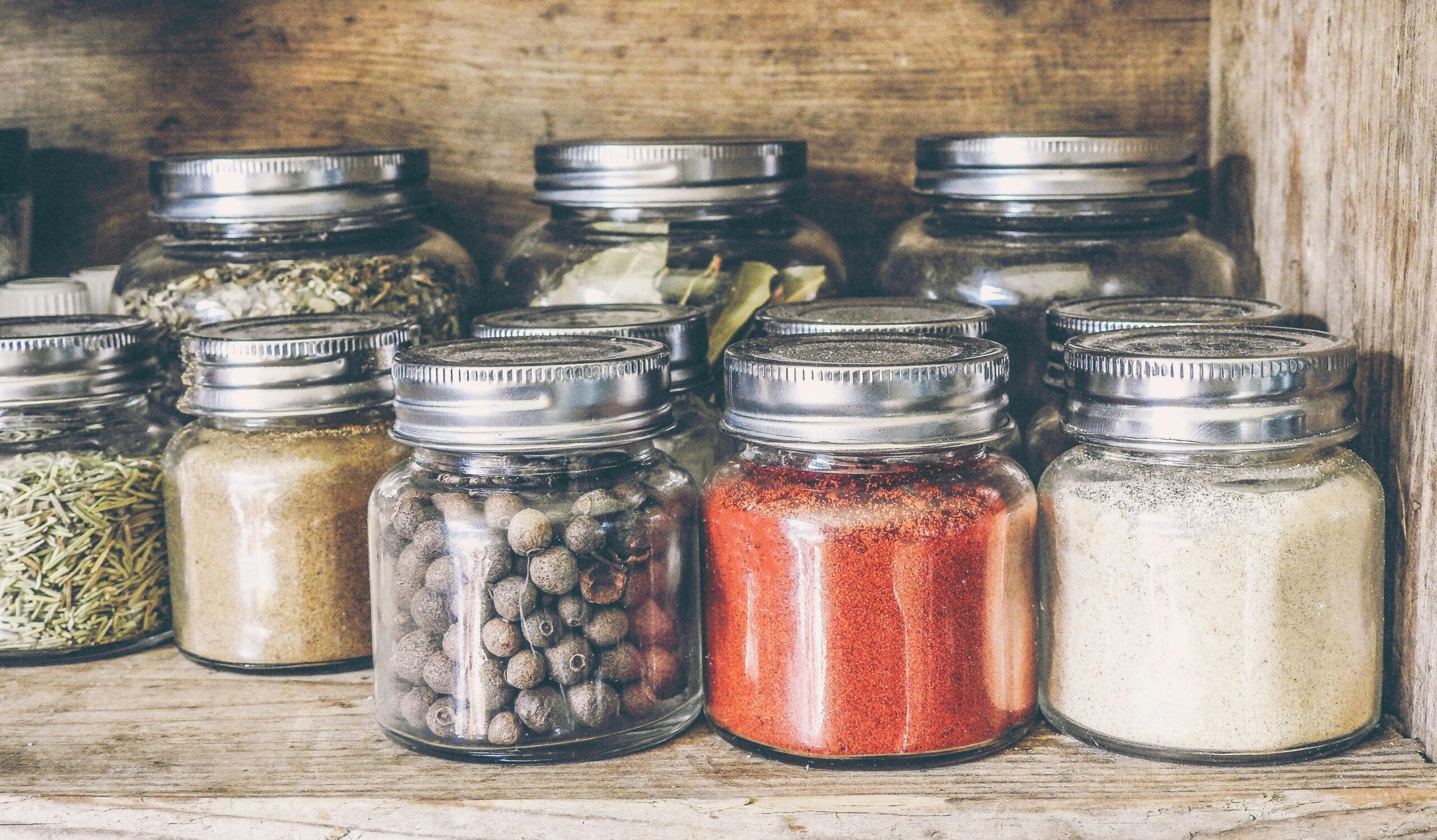
Having essential ingredients on hand eliminates last-minute grocery runs and takeout temptation. Stock your pantry with pasta, rice, canned tomatoes, beans, broth, and various seasonings. Keep cheese, butter, eggs, and frozen vegetables in your refrigerator and freezer.
With these basics available, you can always throw together a simple meal even when you haven’t planned ahead. Pantry pasta, fried rice, quesadillas, or scrambled eggs with toast all come together quickly from staple ingredients.
One-Pot and Sheet Pan Dinners
Minimize cleanup while maximizing flavor with one-pot meals. Pasta can cook directly in sauce with added liquid. Sheet pan dinners combine protein and vegetables, all roasting together for hands-off cooking.
Try chicken sausages with potato wedges and green beans, all seasoned and roasted on one pan. Or make a deconstructed burrito bowl in a large skillet with rice, beans, seasoned meat, and cheese melted on top.
🎨 Making Mealtime More Enjoyable for Everyone
The atmosphere around dinner matters as much as the food itself. Creating positive associations with family meals encourages better eating habits and reduces resistance.
Involve Kids in Preparation
Children who help cook are more likely to eat what they’ve made. Age-appropriate tasks include washing vegetables, stirring ingredients, arranging toppings, or setting the table. This involvement builds skills while increasing investment in the meal.
Even young children can tear lettuce, count out ingredients, or press buttons on appliances under supervision. Older kids can help with actual cooking, learning valuable life skills alongside contributing to family meals.
Establish Consistent Routines
Regular mealtimes help children know what to expect, reducing anxiety around eating. Sitting together as a family—even just a few times per week—creates connection beyond food. Keep phones away and focus on conversation.
Don’t turn mealtime into a battlefield. Avoid forcing kids to clean their plates or eat foods they genuinely dislike. Offer varied options over time, and trust that balanced nutrition happens across days and weeks, not at individual meals.
🍽️ Sample Weekly Menu for Kid-Friendly Dinners
| Day | Main Dish | Side Options |
|---|---|---|
| Monday | Build-your-own tacos | Spanish rice, black beans, corn |
| Tuesday | Spaghetti with meatballs | Garlic bread, side salad |
| Wednesday | Baked chicken tenders | Sweet potato fries, carrot sticks with ranch |
| Thursday | Personal pizzas | Apple slices, cucumber rounds |
| Friday | Cheeseburger sliders | Oven fries, cherry tomatoes |
| Saturday | Breakfast for dinner (pancakes, eggs) | Turkey bacon, fruit salad |
| Sunday | Slow cooker pulled pork | Mac and cheese, steamed broccoli |
🌟 Common Challenges and Simple Solutions
The “I Don’t Like It” Response
When kids reject food without trying it, stay calm and consistent. Don’t prepare separate meals for picky eaters, but always include at least one food you know they’ll eat. Encourage one bite of new foods without forcing, and praise willingness to try more than actual consumption.
Remember that taste preferences change constantly during childhood. A food rejected today might become a favorite next month. Keep offering variety without pressure.
Different Ages, Different Needs
Toddlers need small portions and finger foods they can manage independently. School-age children appreciate being included in menu planning and preparation. Teenagers often have strong opinions and larger appetites requiring heartier portions.
Adjust your approach based on developmental stages while maintaining core principles of simple, appealing meals. What works for a preschooler may need modification for an elementary student or teen.
Dealing with Food Allergies and Restrictions
Many families navigate allergies, intolerances, or dietary restrictions. The principles of simple, kid-friendly cooking apply regardless. Focus on naturally safe foods rather than complicated substitutions when possible.
Many classic kid favorites adapt easily—rice pasta for gluten-free needs, dairy-free cheese alternatives, or allergy-friendly proteins. Connect with other families managing similar restrictions for recipe ideas and support.
💡 Quick Dinner Ideas for Last-Minute Meals
Even with the best planning, some days demand ultra-fast solutions. Keep these fifteen-minute meals in your back pocket:
- Grilled cheese sandwiches with tomato soup
- Scrambled eggs with toast and fruit
- Quesadillas with rotisserie chicken
- Pasta with butter, parmesan, and frozen peas
- English muffin pizzas
- Hot dogs (look for quality options) with baked beans
- Deli meat roll-ups with crackers and cheese
- Instant ramen upgraded with eggs and vegetables
These simple options provide nutrition without stress when time is absolutely minimal. Having several go-to quick meals prevents the default to less healthy takeout options.
🥗 Building Balanced Plates Simply
Nutrition doesn’t require perfection at every meal. Aim for balanced eating across the day and week rather than stressing about individual dinners. A simple framework helps: include a protein, a grain or starch, a fruit or vegetable, and a dairy product when possible.
This might look like chicken tenders (protein), rice (grain), apple slices (fruit), and milk (dairy). Or tacos with beans (protein), tortillas (grain), lettuce and tomato (vegetables), and cheese (dairy). The formula works with countless combinations.
Don’t worry if every element isn’t present at every meal. Breakfast, lunch, and snacks contribute to overall nutrition too. Focus on variety over time rather than perfection in the moment.

🎉 Celebrating Small Victories
Every peaceful dinner, every vegetable eaten, every new food tried represents success. Feeding kids involves both nutrition and relationship—building positive connections around food serves them throughout life.
When a typically picky eater tries something new, acknowledge it without making it a huge production. When dinner happens without complaints, recognize that achievement. These small moments accumulate into healthier eating patterns and more enjoyable family time.
Remember that you’re not just feeding bodies—you’re creating memories, teaching skills, and modeling attitudes toward food that children carry into adulthood. Simple, stress-free dinners that kids actually enjoy accomplish all these goals far better than elaborate meals that end in tears and frustration.
Keep your expectations realistic, your ingredient lists manageable, and your approach flexible. Some nights will go perfectly; others won’t. That’s normal family life, and it’s absolutely okay. The goal isn’t perfection—it’s nourishment, connection, and getting through busy weeknights with everyone fed and relatively happy.
With these strategies, recipes, and perspectives, you’re equipped to create dinnertime experiences that work for your family’s unique needs and preferences. Deliciously simple dinners really can lead to happy tummies and stress-free mealtimes, one approachable meal at a time.