Understanding how to combine proteins effectively can transform your nutritional strategy and optimize your body’s ability to build and repair tissues. Whether you’re an athlete, fitness enthusiast, or simply someone looking to improve overall health, mastering protein pairings is essential for complete amino acid profiles.

The concept of complementary proteins isn’t just a trend—it’s rooted in solid nutritional science that has helped people worldwide achieve better health outcomes. By strategically combining different protein sources, you can ensure your body receives all nine essential amino acids it cannot produce on its own.
🧬 What Makes a Protein “Complete”?
A complete protein contains all nine essential amino acids in adequate proportions for human health. These amino acids—histidine, isoleucine, leucine, lysine, methionine, phenylalanine, threonine, tryptophan, and valine—must come from your diet since your body cannot synthesize them.
Animal-based proteins like meat, fish, eggs, and dairy are naturally complete proteins. However, most plant-based proteins are incomplete, lacking one or more essential amino acids. This is where strategic protein pairing becomes invaluable, especially for vegetarians and vegans.
Understanding amino acid profiles helps you make informed decisions about your meals. When you combine proteins that complement each other’s amino acid deficiencies, you create a complete protein profile that rivals any animal source.
🌾 Classic Protein Pairings That Work
Rice and Beans: The Timeless Combination
This pairing has sustained civilizations for millennia. Rice is low in lysine but high in methionine, while beans are rich in lysine but low in methionine. Together, they form a complete protein that’s affordable, versatile, and delicious.
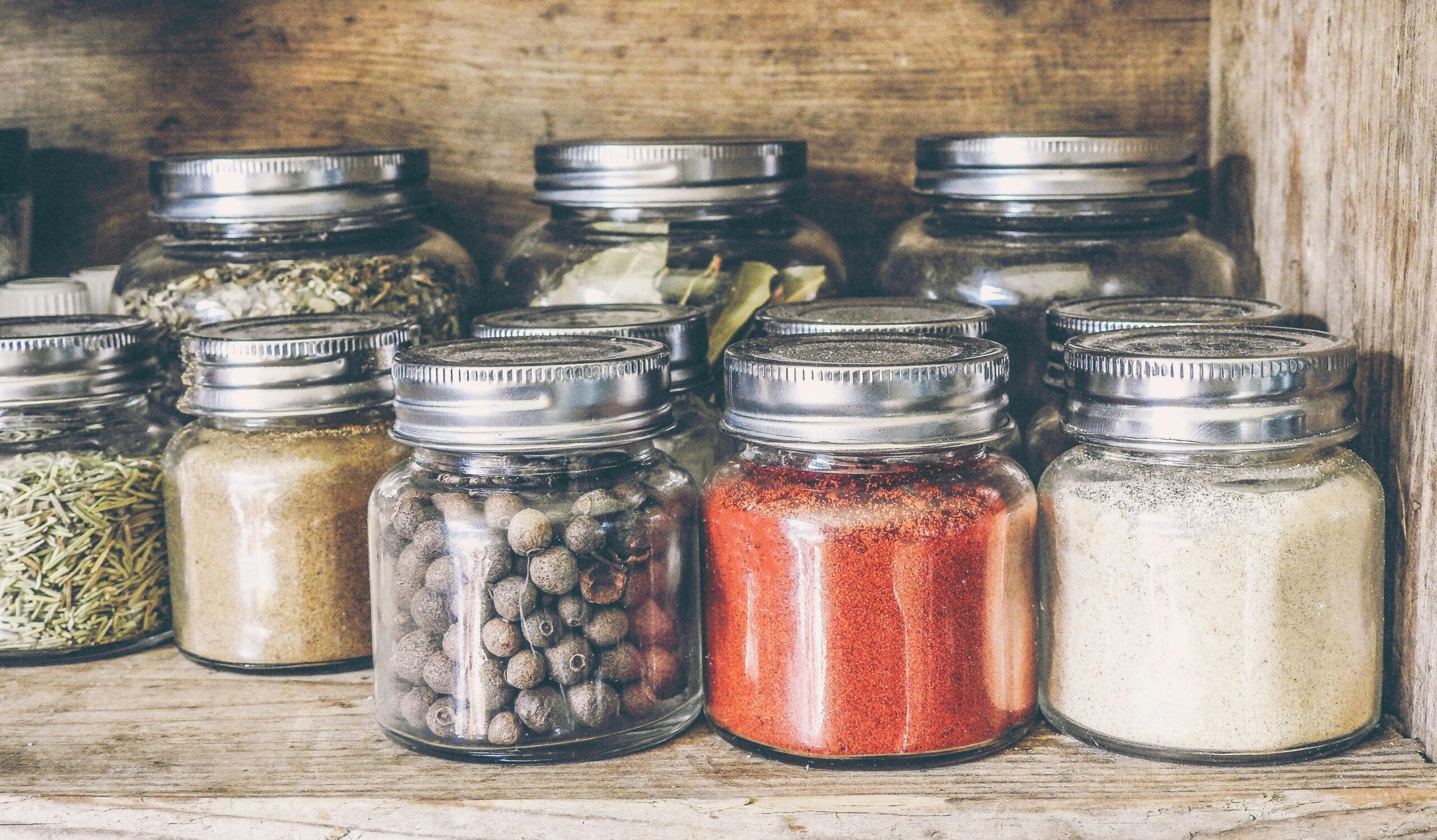
You’ll find this combination across cultures: Mexican rice and pinto beans, Caribbean rice and pigeon peas, or Indian rice and dal. The beauty of this pairing lies not just in its nutritional completeness but in its accessibility worldwide.
A typical serving of one cup of rice with half a cup of beans provides approximately 12 grams of complete protein, along with fiber, complex carbohydrates, and various micronutrients.
Peanut Butter and Whole Wheat Bread
This childhood favorite is actually a nutritional powerhouse. Whole wheat is low in lysine, while peanuts are lysine-rich. The combination creates a complete protein profile that’s perfect for quick meals or pre-workout snacks.
Two slices of whole wheat bread with two tablespoons of peanut butter deliver roughly 15 grams of complete protein. Add some sliced banana for extra potassium and natural sweetness, and you have a perfectly balanced snack.
Hummus and Whole Grain Pita
Middle Eastern cuisine has perfected protein pairing with this classic combination. Chickpeas in hummus are rich in lysine but lower in methionine, while whole grain pita provides the missing methionine. The result is a complete protein with healthy fats from tahini and olive oil.
This pairing offers approximately 8-10 grams of complete protein per serving, along with heart-healthy monounsaturated fats, fiber, and important minerals like iron and magnesium.
💪 Power Pairings for Athletes and Active Individuals
Quinoa and Black Beans
Quinoa stands out among grains as one of the few plant-based complete proteins on its own. However, pairing it with black beans amplifies the protein content and adds variety to your amino acid intake. This combination is particularly beneficial for muscle recovery and growth.
A cup of cooked quinoa with half a cup of black beans provides approximately 16 grams of protein, making it an excellent post-workout meal. The complex carbohydrates help replenish glycogen stores while the protein supports muscle repair.
Greek Yogurt and Nuts
Greek yogurt is already a complete protein, but adding nuts enhances the amino acid profile and provides healthy fats that slow digestion, creating a sustained release of amino acids into your bloodstream. This combination is ideal for breakfast or post-exercise recovery.
One cup of Greek yogurt with a quarter cup of mixed nuts delivers 25-30 grams of complete protein, along with probiotics for gut health, omega-3 fatty acids, and fat-soluble vitamins.
Eggs and Whole Grain Toast
While eggs are already complete proteins with an impressive biological value, pairing them with whole grain toast adds complementary plant proteins and complex carbohydrates. This breakfast staple provides sustained energy and optimal amino acid availability.
Two eggs with two slices of whole grain toast offer approximately 20 grams of complete protein. The combination of animal and plant proteins may also improve overall protein digestibility and utilization.
🌱 Plant-Based Protein Pairing Strategies
Lentils and Brown Rice
This pairing mirrors the rice and beans combination but offers a different flavor profile and nutrient composition. Lentils cook faster than beans and are exceptionally high in folate, iron, and fiber. Brown rice provides the complementary methionine that lentils lack.
One cup of this combination delivers about 15 grams of complete protein with significant amounts of resistant starch that supports digestive health and stable blood sugar levels.
Tofu and Sesame Seeds
Tofu, made from soybeans, is one of the few complete plant proteins available. However, combining it with sesame seeds in dishes like sesame-crusted tofu or tofu with tahini sauce enhances the amino acid profile and adds calcium, healthy fats, and trace minerals.
A serving of tofu (about 150 grams) with two tablespoons of sesame seeds provides approximately 18 grams of protein along with all essential amino acids in optimal proportions.
Spirulina and Hemp Seeds
For those seeking concentrated protein sources, this superfood combination is exceptional. Both spirulina and hemp seeds are complete proteins individually, but together they create a powerhouse blend with an impressive amino acid score and bioavailability.
One tablespoon of spirulina with two tablespoons of hemp seeds delivers about 12 grams of highly bioavailable protein, along with omega-3 fatty acids, gamma-linolenic acid, and various antioxidants.
⏰ Timing Your Protein Pairings
The timing of protein consumption can significantly impact how effectively your body uses amino acids. While you don’t need to consume complementary proteins in the same meal, eating them within the same day ensures your body has access to all essential amino acids when needed.
For muscle protein synthesis, consuming 20-40 grams of complete protein within two hours post-exercise optimizes recovery. Strategic protein pairings can help you reach this target naturally without relying solely on supplements or shakes.
Distributing protein intake evenly throughout the day—approximately 20-30 grams per meal—supports continuous muscle protein synthesis better than consuming most of your protein in one large meal. Plan your protein pairings across breakfast, lunch, dinner, and snacks.
📊 Understanding Protein Quality Metrics
Several metrics help evaluate protein quality beyond simple amino acid completeness. The Protein Digestibility-Corrected Amino Acid Score (PDCAAS) measures both amino acid composition and digestibility. More recently, the Digestible Indispensable Amino Acid Score (DIAAS) provides an even more accurate assessment.
Animal proteins typically score highest on these scales, with eggs, whey protein, and milk receiving perfect or near-perfect scores. However, properly combined plant proteins can achieve similarly high scores while offering additional benefits like fiber, phytonutrients, and lower environmental impact.
Understanding these metrics helps you make informed decisions about protein sources and combinations, especially if you’re following a plant-based diet or have specific athletic performance goals.
🍽️ Practical Meal Ideas Using Protein Pairings
Breakfast Options
Start your day with overnight oats made with Greek yogurt and topped with chia seeds and almonds. This combination provides complete protein with slow-digesting carbohydrates that sustain energy throughout the morning.
Alternatively, prepare a breakfast burrito with scrambled eggs, black beans, and whole wheat tortilla. Add avocado for healthy fats and salsa for flavor without extra calories.
Lunch Combinations
Build a power bowl with quinoa base, chickpeas, mixed vegetables, and tahini dressing. This meal offers complete protein with diverse micronutrients and satisfying texture variety.
Another excellent option is a whole grain wrap filled with hummus, mixed greens, vegetables, and sunflower seeds. This portable meal provides balanced nutrition with complete amino acid coverage.
Dinner Plates
Create a stir-fry using tofu, brown rice, and vegetables seasoned with sesame oil. This Asian-inspired dish combines multiple protein sources for optimal amino acid availability.
Traditional dishes like red beans and rice with cornbread represent time-tested protein pairings that deliver complete nutrition with comforting flavors and cultural significance.
🎯 Optimizing Protein Absorption
Even with perfect protein pairings, absorption matters. Vitamin C enhances iron absorption from plant proteins, so including citrus fruits, tomatoes, or bell peppers in meals with legumes optimizes nutrient uptake.
Fermentation improves protein digestibility in foods like tempeh, miso, and sourdough bread. The fermentation process breaks down antinutrients that can interfere with amino acid absorption, making the protein more bioavailable.
Adequate hydration supports protein metabolism and amino acid transport throughout the body. Drink plenty of water throughout the day, especially when consuming higher amounts of protein.
💡 Common Mistakes to Avoid
Many people overcomplicate protein pairing, believing they must consume complementary proteins in precise ratios at every meal. In reality, eating a variety of protein sources throughout the day naturally provides complete amino acid coverage.
Another common error is focusing exclusively on protein quantity while ignoring quality. Twenty grams of protein from processed sources with poor amino acid profiles won’t deliver the same benefits as twenty grams from whole food combinations.
Some individuals also neglect the importance of overall caloric intake. Adequate calories are essential for protein utilization—consuming protein in a severe caloric deficit may result in amino acids being used for energy rather than tissue building and repair.
🔬 The Science Behind Synergistic Effects
Research suggests that combining different protein sources may offer advantages beyond amino acid completeness. The varied protein structures and digestion rates create a sustained release of amino acids, potentially improving muscle protein synthesis over time.
Studies have shown that plant-animal protein combinations may enhance overall protein utilization compared to single protein sources. This synergistic effect occurs because different proteins are digested at different rates, providing both immediate and sustained amino acid availability.
The presence of various bioactive compounds in different protein sources—like isoflavones in soy, conjugated linoleic acid in dairy, or saponins in legumes—may offer additional health benefits that extend beyond basic nutrition.
🌍 Sustainable Protein Pairing Choices
Environmental considerations increasingly influence dietary choices. Plant-based protein pairings generally require fewer resources and generate lower greenhouse gas emissions compared to animal proteins. Combining legumes and grains represents one of the most sustainable approaches to meeting protein needs.
Local and seasonal protein sources reduce transportation-related environmental impact. Farmers’ markets often offer fresh legumes, nuts, seeds, and whole grains that can be combined creatively for complete protein meals.
Growing some protein-rich foods at home, such as sprouts, microgreens, or container-grown beans, provides ultra-fresh options with minimal environmental footprint while ensuring you know exactly how your food was produced.
🎓 Building Your Personal Protein Strategy
Individual protein needs vary based on age, activity level, health status, and goals. Athletes may require 1.6-2.2 grams per kilogram of body weight, while sedentary individuals might thrive on 0.8-1.0 grams per kilogram. Calculate your personal needs and plan protein pairings accordingly.
Track your protein intake for a few days to understand your current consumption patterns. Many people are surprised to discover they’re either consuming less protein than optimal or getting adequate amounts but from limited sources lacking amino acid diversity.
Experiment with different protein pairings to discover which combinations you enjoy and which fit your lifestyle. Sustainability in nutrition comes from finding approaches you can maintain long-term, not from following rigid rules that feel restrictive.
Mastering protein pairings empowers you to take control of your nutrition with knowledge and confidence. Whether your goal is muscle building, weight management, improved energy, or simply better overall health, strategic protein combinations provide the foundation for success. Start incorporating these pairings into your meals today, and experience the difference complete amino acid nutrition makes in how you look, feel, and perform.