Understanding protein content in your food can transform how you fuel your body. With countless options available, knowing which sources deliver the most protein per serving empowers you to make informed nutritional decisions that align with your health goals.

Whether you’re an athlete looking to build muscle, someone managing their weight, or simply trying to eat healthier, protein comparison becomes essential. The variety of protein sources—from animal products to plant-based alternatives—each offers unique nutritional profiles that deserve closer examination.
🥩 Why Protein Per Serving Matters for Your Health
Protein serves as the building block for muscles, enzymes, hormones, and countless cellular functions. Your body requires adequate protein intake daily to maintain tissue repair, support immune function, and preserve lean muscle mass. The challenge lies not just in consuming enough protein but in selecting sources that provide optimal nutrition without excessive calories, fats, or additives.
The concept of protein per serving helps standardize comparisons across different food types. A serving size varies by food category, making direct comparisons difficult without proper measurements. By examining protein density—the amount of protein relative to total calories—you can identify which foods deliver the most nutritional bang for your buck.
Most adults require approximately 0.8 grams of protein per kilogram of body weight daily, though active individuals and athletes may need significantly more. Understanding protein content per serving helps you plan meals strategically to meet these requirements without overeating or relying too heavily on any single source.
🍗 Animal-Based Protein Sources: The Traditional Champions
Animal proteins have long dominated nutritional recommendations due to their complete amino acid profiles and high bioavailability. These sources typically contain all nine essential amino acids your body cannot produce independently, making them particularly valuable for muscle synthesis and overall health.
Poultry and Lean Meats
Chicken breast stands as one of the most protein-dense foods available, delivering approximately 31 grams of protein per 3.5-ounce (100-gram) serving with minimal fat content. This translates to roughly 165 calories, making it exceptionally lean and efficient for protein intake. Turkey breast offers similar nutritional value with about 29 grams of protein per serving.
Lean beef provides around 26 grams of protein per 3.5-ounce serving but includes more fat depending on the cut. Sirloin and tenderloin cuts offer better protein-to-fat ratios compared to ribeye or T-bone steaks. Pork tenderloin delivers approximately 26 grams of protein per serving, positioning it as another excellent lean option.
Seafood Excellence
Fish and seafood frequently surpass land-based meats in protein density while providing beneficial omega-3 fatty acids. Tuna leads the category with approximately 30 grams of protein per 3.5-ounce serving of fresh fish, while canned tuna packed in water offers similar protein content with added convenience.
Salmon provides around 25 grams of protein per serving alongside heart-healthy fats. Shrimp delivers approximately 24 grams of protein with minimal calories, making it one of the most efficient protein sources available. White fish varieties like cod and halibut offer 20-23 grams of protein per serving with extremely low fat content.
Dairy and Eggs
Greek yogurt has revolutionized the dairy category by offering 15-20 grams of protein per 6-ounce serving, substantially more than traditional yogurt. Cottage cheese provides approximately 14 grams of protein per half-cup serving, making it another protein-rich dairy option.
Whole eggs contain about 6 grams of protein each, with the majority concentrated in the white. Egg whites alone offer roughly 3.6 grams of protein with virtually no fat or calories beyond protein. Milk provides 8 grams of protein per cup, with variations between whole, low-fat, and skim options affecting only fat and calorie content, not protein.
🌱 Plant-Based Protein Powerhouses
Plant-based proteins have surged in popularity as more people adopt vegetarian, vegan, or flexitarian diets. While individual plant sources often lack one or more essential amino acids, combining different sources throughout the day ensures complete amino acid intake.
Legumes and Pulses
Lentils deliver approximately 18 grams of protein per cooked cup along with substantial fiber, iron, and complex carbohydrates. They represent one of the most cost-effective protein sources available globally. Black beans, chickpeas, and kidney beans each provide 15 grams of protein per cooked cup, making them versatile additions to various cuisines.
Soybeans and their derivatives stand apart in the plant kingdom by offering complete protein profiles. Edamame provides about 17 grams of protein per cooked cup, while tofu offers 15-20 grams per half-cup serving depending on firmness. Tempeh, a fermented soy product, delivers an impressive 31 grams of protein per cup.
Nuts, Seeds, and Nut Butters
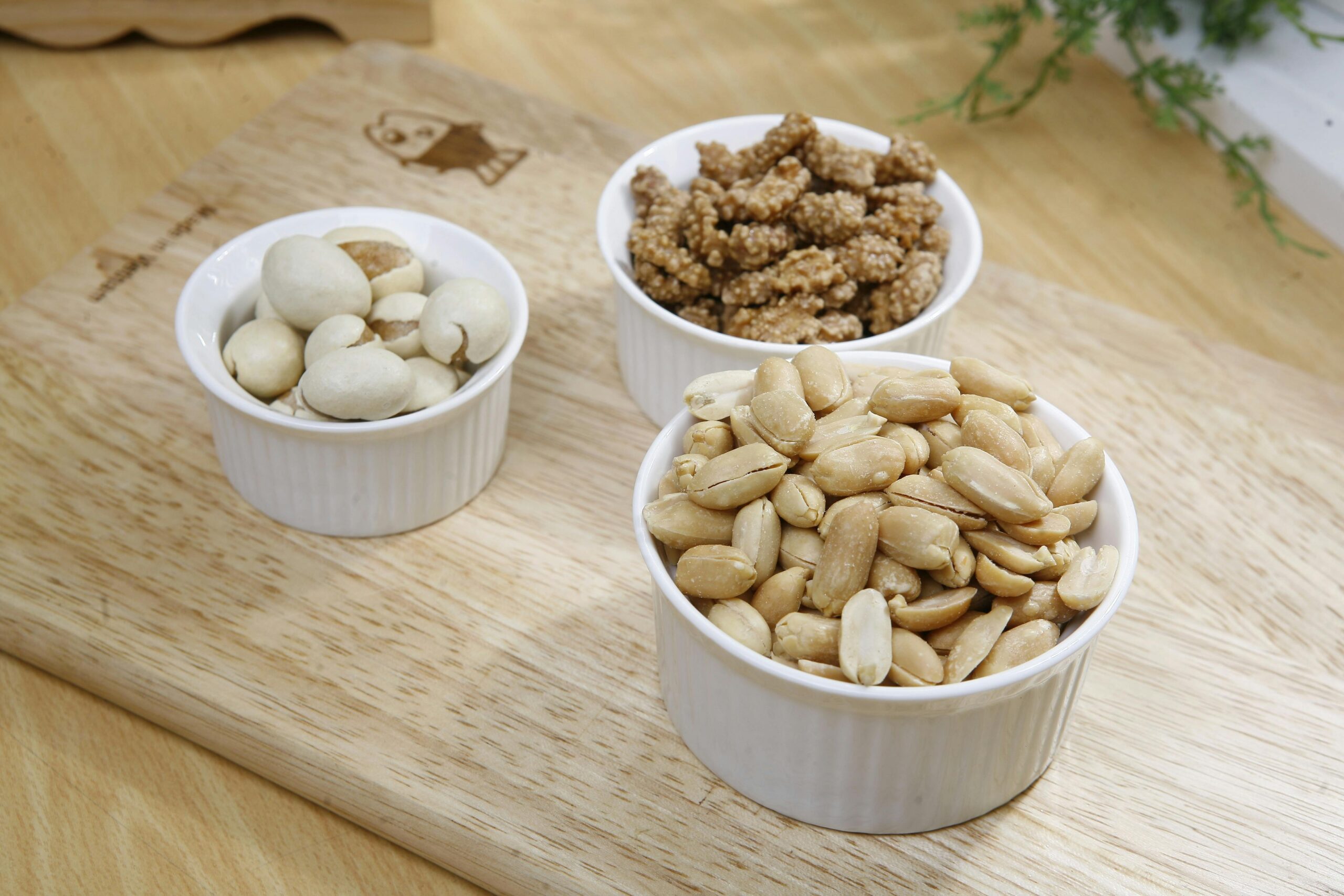
While calorie-dense due to healthy fats, nuts and seeds contribute meaningful protein amounts. Almonds provide 6 grams of protein per ounce (about 23 nuts), while peanuts offer 7 grams per ounce. Peanut butter delivers 8 grams of protein per 2-tablespoon serving, though it also contains approximately 190 calories.
Pumpkin seeds lead seed-based proteins with 9 grams per ounce, followed by hemp seeds at 10 grams per 3-tablespoon serving. Chia seeds provide 5 grams per ounce along with omega-3 fatty acids and exceptional fiber content.
Whole Grains and Pseudocereals
Quinoa distinguishes itself as a complete protein source, offering 8 grams per cooked cup. This pseudocereal contains all essential amino acids, making it particularly valuable for plant-based diets. Amaranth provides similar protein content with comparable completeness.
Traditional grains like oats deliver 6 grams of protein per cooked cup, while whole wheat bread offers approximately 4 grams per slice. Though not protein powerhouses individually, these foods contribute meaningfully to daily intake when consumed regularly.
💪 Protein Supplements and Processed Options
Protein supplements have become mainstream, offering convenient ways to increase protein intake without meal preparation. Understanding their comparative value helps determine when supplementation makes sense versus whole food sources.
Protein Powders
Whey protein isolate delivers approximately 25-30 grams of protein per scoop with minimal carbohydrates and fats. Its rapid absorption makes it popular for post-workout recovery. Whey concentrate offers similar protein amounts but includes more lactose and fat.
Plant-based protein powders typically blend multiple sources to create complete amino acid profiles. Pea protein provides about 20-25 grams per scoop, while blends incorporating rice, hemp, and pea proteins offer 20-30 grams depending on formulation. These alternatives serve those avoiding dairy or following plant-based diets.
Protein Bars and Convenience Foods
Protein bars vary dramatically in quality and protein content, ranging from 10 to 30 grams per bar. Many contain added sugars, artificial ingredients, and calories comparable to candy bars. Reading labels becomes essential to identify bars that genuinely serve nutritional purposes rather than functioning as glorified desserts.
High-protein versions of traditional foods have proliferated, including breads, pastas, and cereals. These products typically offer 2-3 times the protein of conventional versions through added protein isolates or alternative flours like chickpea or lentil flour.
📊 Creating Your Personal Protein Comparison Framework
Building an effective protein comparison system requires considering multiple factors beyond raw protein content. Cost per gram of protein, preparation time, dietary restrictions, taste preferences, and overall nutritional profile all influence practical food choices.
Protein Quality and Bioavailability
The protein digestibility-corrected amino acid score (PDCAAS) and the newer digestible indispensable amino acid score (DIAAS) measure protein quality by assessing amino acid composition and digestibility. Animal proteins generally score higher on these scales, though several plant sources like soy achieve maximum scores.
Bioavailability refers to how efficiently your body absorbs and utilizes protein. Egg protein demonstrates the highest bioavailability at approximately 94%, while plant proteins range from 60-90% depending on processing and preparation methods. Cooking, soaking, and fermenting can improve plant protein digestibility.
Calorie Efficiency
Examining protein relative to total calories identifies the most efficient sources for those managing weight. Calculating the percentage of calories from protein provides useful comparison metrics. Chicken breast derives approximately 75% of its calories from protein, while nuts typically obtain only 15-20% of calories from protein despite containing substantial amounts.
For weight management or body recomposition, prioritizing foods with high protein percentages ensures adequate protein intake while controlling overall caloric consumption. This approach proves particularly valuable during caloric restriction when maximizing nutrient density becomes paramount.
🍽️ Practical Application: Building High-Protein Meals
Understanding protein content per serving transforms meal planning from guesswork into strategic nutrition. Combining protein sources thoughtfully ensures amino acid completeness while creating satisfying, nutritionally balanced meals.
Breakfast Strategies
Starting your day with adequate protein supports sustained energy and reduces mid-morning cravings. A breakfast combining 2 whole eggs (12g), 1 cup Greek yogurt (20g), and 1 ounce almonds (6g) delivers 38 grams of protein with balanced macronutrients.
Plant-based breakfast options might include oatmeal prepared with soy milk, topped with hemp seeds and almond butter, providing 20-25 grams of protein. Smoothies blending protein powder, nut butter, oats, and plant milk can easily deliver 30+ grams of protein in portable form.
Lunch and Dinner Optimization
Centering meals around high-quality protein sources ensures adequate intake while leaving room for vegetables, whole grains, and healthy fats. A 4-ounce chicken breast (35g) paired with quinoa (8g per cup) and roasted chickpeas (7g per half cup) creates a complete, satisfying meal with 50 grams of protein.
Plant-based dinners might feature tempeh stir-fry (31g per cup tempeh) with edamame (17g per cup) over brown rice, accompanied by tahini-based dressing (3g per tablespoon), easily achieving 40+ grams of protein.
Strategic Snacking
Protein-rich snacks between meals stabilize blood sugar and prevent energy crashes. Options like string cheese (7g), hard-boiled eggs (6g each), roasted chickpeas (6g per quarter cup), or protein smoothies (20-30g) bridge nutritional gaps without excessive calories.
Preparing protein-forward snacks in advance ensures availability when hunger strikes, reducing reliance on less nutritious convenience options. Container-portioned nuts, pre-cooked egg muffins, or portioned Greek yogurt cups facilitate consistent protein intake throughout busy days.
🔍 Reading Labels: Avoiding Common Protein Pitfalls
Marketing claims often obscure actual nutritional value, making label literacy essential for making informed choices. Products labeled “high protein” must contain at least 20% of the daily value (10 grams) per serving, but serving sizes vary significantly between products.
Examining the ingredient list reveals protein sources and quality. Whole food ingredients listed first indicate higher quality than products leading with protein isolates and extensive additive lists. Sugar content deserves attention, as many protein products contain substantial added sugars that diminish their nutritional value.
Comparing similar products reveals significant variations in protein density and overall nutrition. Two protein bars might both claim 15 grams of protein, but one might contain 150 calories while another contains 300 calories, dramatically affecting their efficiency as protein sources.
⚖️ Balancing Protein with Overall Nutritional Needs
While protein intake matters significantly, obsessing exclusively over protein content while ignoring other nutrients creates imbalanced nutrition. Complete meals incorporate adequate protein alongside complex carbohydrates, healthy fats, fiber, vitamins, and minerals.
Excessive protein consumption offers no additional benefits beyond meeting requirements and may burden kidneys in susceptible individuals. Most people benefit from distributing protein intake across meals rather than concentrating consumption in single servings, as your body can only utilize approximately 25-30 grams of protein per meal for muscle synthesis.
Dietary diversity ensures exposure to various amino acid profiles, micronutrients, and beneficial plant compounds. Rather than relying exclusively on chicken breast or protein shakes, rotating between fish, legumes, eggs, dairy, and plant-based options provides comprehensive nutrition.
🎯 Tailoring Protein Intake to Your Lifestyle
Individual protein needs vary based on activity level, age, health status, and goals. Athletes and highly active individuals require 1.2-2.0 grams per kilogram of body weight daily, while sedentary adults need less. Older adults benefit from higher protein intake to combat age-related muscle loss.
Weight loss efforts benefit from increased protein intake, typically 25-30% of total calories, which enhances satiety and preserves lean muscle mass during caloric restriction. Conversely, certain medical conditions may necessitate protein restriction, making individualized guidance from healthcare providers essential.
Budget considerations influence protein choices significantly. Eggs, canned tuna, dried legumes, and whole chicken typically offer the best protein value, while specialty protein products, certain fish, and grass-fed meats command premium prices. Strategic shopping and meal preparation make high-protein nutrition accessible across various budgets.
📱 Technology Tools for Tracking Protein Intake
Numerous applications simplify tracking daily protein consumption, many featuring extensive food databases with detailed nutritional information. These tools help identify patterns, ensure adequate intake, and highlight areas for nutritional improvement.
Barcode scanning features expedite logging packaged foods, while recipe builders calculate nutrition for home-cooked meals. Setting protein targets and receiving reminders helps maintain consistency, particularly when establishing new dietary habits.
🌟 Making Smarter Nutrition Choices Moving Forward
Armed with comprehensive protein comparison knowledge, you can confidently navigate grocery stores, restaurants, and meal planning with clear nutritional priorities. Recognizing that the “best” protein source depends on individual circumstances—including dietary preferences, budget, availability, and health goals—empowers flexible, sustainable nutrition approaches.
Experimenting with unfamiliar protein sources expands your culinary repertoire while diversifying nutrient intake. Trying tempeh if you typically eat chicken, or exploring different fish varieties beyond salmon, introduces new flavors while maintaining high protein consumption.
Remember that nutrition exists within broader lifestyle contexts. Adequate sleep, stress management, hydration, and physical activity all interact with dietary protein to influence health outcomes. Viewing protein as one important element within comprehensive wellness prevents tunnel vision while supporting long-term health goals.
Your protein comparison chart serves as a practical reference tool, not rigid rules. As your needs and circumstances evolve, so too should your approach to protein intake. Periodically reassessing your strategy ensures continued alignment with changing goals, whether building muscle, managing weight, or simply maintaining optimal health through nutrition.