Finding time to eat well can feel impossible when your schedule is packed. Whether you’re juggling work deadlines, family responsibilities, or a demanding fitness routine, getting enough protein doesn’t have to be complicated or time-consuming.

Protein is essential for maintaining energy levels, supporting muscle recovery, and keeping you satisfied between meals. The good news is that fueling your body with quality protein doesn’t require elaborate meal prep or culinary skills. With the right strategies and smart choices, you can meet your nutritional needs even on your busiest days.
Why Protein Matters for Your Daily Performance 💪
Before diving into quick solutions, it’s worth understanding why protein deserves priority status in your diet. Protein serves as the building block for virtually every cell in your body, from muscles and bones to skin and hair. Beyond structural support, protein plays crucial roles in hormone production, immune function, and enzyme creation.
When you’re rushing through busy days, protein becomes even more important. Unlike carbohydrates that can cause energy spikes and crashes, protein provides sustained energy that keeps you focused and productive. It also triggers satiety hormones that help control appetite, preventing the mindless snacking that often happens when we’re stressed or distracted.
For most adults, aiming for 0.8 to 1 gram of protein per kilogram of body weight is a good baseline, though active individuals may need more. Rather than obsessing over exact numbers, focus on including a quality protein source with each meal and snack.
The Grab-and-Go Protein Essentials
Stocking your kitchen and workplace with convenient protein options transforms busy days from dietary disasters into opportunities for smart nutrition. These items require zero preparation and deliver substantial protein in portable packages.
Greek Yogurt and Cottage Cheese 🥛
These dairy powerhouses pack impressive protein content with minimal fuss. A single cup of Greek yogurt delivers 15-20 grams of protein, while cottage cheese offers similar benefits. Keep individual containers in your refrigerator at home and work for instant access. Pair them with fresh berries, a drizzle of honey, or a sprinkle of granola for added flavor and nutrients.
Choose plain varieties when possible to control added sugars. If you prefer plant-based options, several brands now offer high-protein alternatives made from soy, almonds, or coconut that rival traditional dairy versions.
Hard-Boiled Eggs: The Perfect Protein Package
Few foods match the nutritional efficiency of eggs. Each large egg contains about 6 grams of complete protein along with essential vitamins and healthy fats. Hard-boiled eggs prepared in advance become portable protein bombs that last up to a week in your refrigerator.
Consider cooking a dozen eggs at the start of your week. They work equally well as breakfast on-the-go, afternoon snacks, or salad toppers. Season them with everything bagel seasoning, hot sauce, or a pinch of salt for variety without additional prep time.
Quality Protein Bars and Shakes
Not all protein bars are created equal, but the right ones serve as legitimate meal replacements or substantial snacks. Look for options with at least 15 grams of protein, minimal added sugars (under 8 grams), and recognizable ingredients. Brands focusing on whole food ingredients rather than synthetic isolates typically offer better nutrition and taste.
Protein shakes offer similar convenience with different texture options. Ready-to-drink versions eliminate even the blending step, though keeping protein powder on hand allows for customization with milk, fruit, or nut butter when you have an extra minute.
Five-Minute Protein Solutions for Actual Meals
Sometimes you have just a few minutes more than “grab and go” allows. These options take five minutes or less but deliver real meal satisfaction along with substantial protein.
The Power of Canned Fish 🐟
Canned tuna, salmon, and sardines represent some of the most underrated convenience proteins available. A single can of tuna provides 20-25 grams of protein and requires nothing more than a can opener. Mix with avocado, Greek yogurt, or hummus for instant protein salad that you can eat with crackers, stuff into a whole-grain pita, or pile onto mixed greens.
Modern canned fish comes in pouches and flavored varieties that eliminate the need for additional seasoning. Keep several varieties in your pantry for easy rotation and to prevent flavor fatigue.
Rotisserie Chicken: Your Weekly MVP
A grocery store rotisserie chicken is already cooked, seasoned, and ready to eat. It costs less than most restaurant meals and provides protein for multiple quick meals throughout the week. Pull the meat off the bones when you get home (takes about five minutes) and store it in containers for instant access.
Use the shredded chicken in wraps, over salads, mixed into pasta, or simply eaten cold with hot sauce. The bones and carcass can simmer into nutritious broth if you’re feeling ambitious, but that’s completely optional.
Microwaveable Edamame and Chickpeas
Plant-based proteins deserve recognition for convenience too. Frozen edamame pods need just three minutes in the microwave and deliver 17 grams of protein per cup along with fiber and nutrients. Sprinkle with sea salt and enjoy as a satisfying snack or side dish.
Canned chickpeas, rinsed and drained, can be quickly tossed with olive oil and spices, then eaten as-is or added to salads and grain bowls. They provide about 15 grams of protein per cup plus complex carbohydrates for sustained energy.
Strategic Protein Prep That Actually Saves Time ⏰
A small amount of advance preparation multiplies your quick protein options exponentially. These strategies require minimal weekend or evening time but pay dividends throughout your busy week.
The Sunday Protein Batch
Dedicate thirty minutes on a Sunday (or your preferred prep day) to cooking proteins that work across multiple meals. Grill several chicken breasts, bake a batch of turkey meatballs, or cook a large portion of ground turkey with basic seasoning. Store these cooked proteins in portioned containers for easy reheating throughout the week.
This approach isn’t about making complete meals in advance—just having pre-cooked protein ready to combine with fresh vegetables, grains, or salads as needed. The flexibility prevents meal prep burnout while still offering genuine time savings.
Smart Freezer Stocking
Your freezer is an underutilized weapon for protein convenience. Beyond the obvious frozen chicken breasts, consider keeping frozen cooked shrimp (defrosts in minutes under cold water), turkey burgers, and veggie burgers for quick protein options.
Portion fresh proteins before freezing them. Instead of freezing a whole package of chicken, separate it into individual portions. This allows you to defrost exactly what you need without waste or waiting for a large package to thaw.
Restaurant and Takeout Protein Hacks 🍽️
Busy days sometimes mean eating out or ordering in. Knowing how to maximize protein content in restaurant meals ensures you stay fueled even when someone else is cooking.
Menu Navigation Strategies
Most restaurant menus clearly indicate protein-forward options. Look for grilled, baked, or roasted proteins rather than breaded and fried versions. Don’t hesitate to request modifications—double protein portions, substitute proteins, or add a side of grilled chicken to a salad.
Fast-casual restaurants often excel at customizable bowls where you control the protein quantity. Build your meal starting with a generous protein base, then add vegetables and modest portions of grains or other carbohydrates.
The Power of Additions
Many restaurants allow you to add protein to existing dishes for a small upcharge. That salad becomes a complete meal with added grilled chicken or shrimp. Vegetable sides transform into balanced plates when you request a salmon fillet on top. These simple additions cost less than ordering entirely different entrees while ensuring adequate protein intake.
Portable Protein Snacks for Maximum Convenience
Snacks bridge the gaps between meals, and protein-rich options prevent energy crashes while controlling hunger until your next proper meal.
Nut and Seed Options
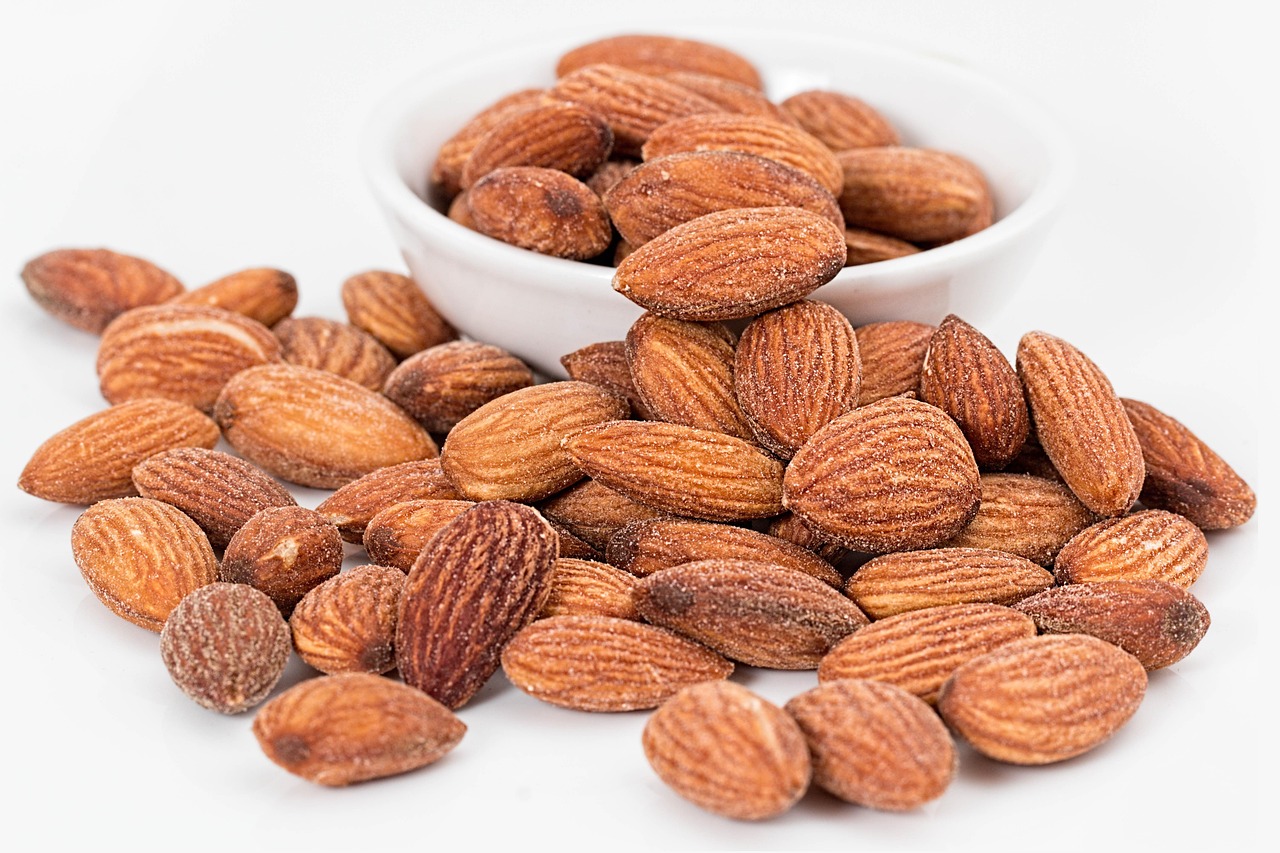
While nuts contain more fat than protein, they still contribute meaningful amounts. A quarter cup of almonds provides 7-8 grams of protein along with healthy fats that extend satiety. Keep small portions in your car, desk drawer, or bag for emergency fuel.
Pumpkin seeds punch above their weight class with 9 grams of protein per ounce. Roasted chickpeas offer a crunchy alternative with more protein and less fat than traditional nuts.
Cheese: The Underrated Protein Snack 🧀
String cheese, cheese cubes, and individually wrapped portions make dairy protein incredibly portable. Each stick or serving typically contains 6-8 grams of protein and stays fresh without refrigeration for several hours, making it perfect for bags, briefcases, or gym lockers.
Pair cheese with whole grain crackers or an apple for a more substantial snack that combines protein with fiber and complex carbohydrates.
Tracking Your Protein Without Obsessing
Awareness of your protein intake helps ensure you’re meeting your needs without requiring elaborate tracking systems. Simple strategies keep you accountable without consuming mental energy.
Many people find success using the “hand method” where your palm size represents an appropriate protein portion at each meal. This visual approach works anywhere without scales or measuring tools. Aim for a palm-sized protein serving three to four times daily as a baseline.
For those who prefer technology, numerous apps make protein tracking straightforward. These tools learn your common foods and allow quick logging with barcode scanning and meal memory features.
Building Your Personal Protein System 🎯
The key to consistent protein intake on busy days isn’t following someone else’s plan perfectly—it’s creating a sustainable system that works with your lifestyle, preferences, and schedule.
Identify Your Protein Gaps
Track your eating for a few days without changing anything. Notice when you typically fall short on protein. Is breakfast always rushed and protein-light? Do afternoon energy crashes suggest inadequate lunch protein? Does your evening snacking indicate earlier meals weren’t satisfying enough?
Once you identify your specific gaps, target solutions to those weak points rather than overhauling everything at once. Maybe you need better breakfast options but dinner is already working well—focus your energy where it matters most.
Create Your Rotation
Variety prevents boredom, but too many options create decision fatigue. Establish a rotation of 8-10 quick protein solutions you genuinely enjoy. Having a manageable menu of go-to options means you’re never stuck wondering what to eat while still offering enough variety to stay interesting.
Your rotation might include: Greek yogurt with berries on Monday mornings, hard-boiled eggs on Tuesday, protein shake on Wednesday, and so forth. The pattern provides structure without rigidity—you can always swap days based on cravings or circumstances.
Making Peace with Imperfection
Some days will inevitably fall short of your protein goals. Flights get delayed, meetings run long, or life simply happens. The difference between people who maintain healthy eating patterns and those who don’t isn’t perfection—it’s the ability to get back on track without guilt or drama.
If you miss adequate protein at lunch, course-correct at dinner. If your entire day goes sideways, start fresh tomorrow. Progress comes from consistency over time, not flawless daily execution.
Building convenient protein habits into your routine creates a foundation that withstands busy seasons. These strategies aren’t about adding complexity to an already full schedule—they’re about removing obstacles between you and the nutrition your body needs.
Your Protein-Powered Future Starts Now 🚀
Meeting your protein needs on busy days doesn’t require becoming a meal prep expert or carrying a cooler everywhere. It simply requires awareness, a few smart staples, and willingness to prioritize your nutrition even when time is tight.
Start by implementing just one or two strategies from this article. Maybe that means buying a rotisserie chicken this week, or stocking your desk drawer with protein bars. Perhaps it’s spending fifteen minutes on Sunday cooking chicken breasts, or simply keeping hard-boiled eggs ready in your refrigerator.
Small, consistent actions compound over time. The energy, focus, and physical wellbeing that come from adequate protein intake make every other aspect of your busy life more manageable. You’ll think more clearly during long meetings, power through afternoon slumps more effectively, and recover faster from workouts.
Your health deserves the same priority you give to other important commitments. By removing the prep-time barrier to adequate protein, you’re investing in sustained energy, better body composition, and the resilience needed to handle whatever your demanding schedule throws at you. The convenience strategies outlined here prove that nutrition and busy lifestyles aren’t mutually exclusive—with the right approach, they complement each other perfectly.