Eating enough protein doesn’t have to drain your wallet. With smart shopping and strategic meal planning, you can fuel your body with quality nutrition while keeping your budget intact.

Whether you’re an athlete, busy professional, or simply trying to maintain a healthy lifestyle, finding affordable protein sources is crucial for sustained energy throughout the day. The good news is that protein-packed foods come in many forms, and plenty of them won’t break the bank. Let’s explore how you can maximize your nutritional intake without compromising your financial goals.
🥚 Eggs: The Ultimate Budget-Friendly Protein Powerhouse
Eggs consistently rank as one of the most economical protein sources available. A single large egg contains approximately 6 grams of high-quality protein, along with essential vitamins and minerals including vitamin D, B12, and choline. At roughly $3-5 per dozen in most markets, eggs deliver exceptional nutritional value per dollar spent.
The versatility of eggs makes them even more valuable. You can hard-boil them for grab-and-go snacks, scramble them for breakfast, add them to fried rice for dinner, or bake them into frittatas that serve as multiple meals. They store well in the refrigerator for weeks and can be prepared in countless ways to prevent meal fatigue.
One cost-saving tip: buy eggs in larger quantities when they’re on sale. They have a surprisingly long shelf life, typically remaining fresh for 3-5 weeks when properly refrigerated. If you find an exceptional deal, stock up knowing they’ll last.
🫘 Legumes: The Plant-Based Protein Champion
Beans, lentils, and chickpeas represent some of the most affordable protein sources on the planet. Dried legumes cost mere pennies per serving, and even canned varieties remain budget-friendly while offering convenience. A cup of cooked lentils provides about 18 grams of protein along with substantial fiber that keeps you feeling full longer.
Black beans, kidney beans, navy beans, and pinto beans each offer unique flavors and textures while delivering similar nutritional benefits. Lentils cook faster than most beans and don’t require pre-soaking, making them ideal for quick weeknight meals. Chickpeas work beautifully in everything from hummus to curries to roasted snacks.
Making Legumes Work for Your Weekly Menu
The key to incorporating more legumes into your diet is batch cooking. Prepare a large pot of beans or lentils on the weekend, then use them throughout the week in different dishes. Add black beans to tacos one night, blend white beans into a creamy soup another evening, and toss chickpeas into a salad for lunch. This approach saves both time and money while preventing boredom.
Canned legumes offer convenience when time is tight. Rinse them thoroughly to reduce sodium content, then add them to your meals. Keep several varieties in your pantry for emergency meal situations when fresh ingredients run low.
🍗 Chicken Thighs: Flavorful and Affordable
While chicken breast often gets attention as a lean protein source, chicken thighs deliver more flavor at a lower price point. Bone-in, skin-on thighs typically cost 40-60% less than breasts while providing excellent protein content. The slightly higher fat content actually helps keep the meat moist during cooking and contributes to satiety.
Chicken thighs work wonderfully in slow cooker meals, sheet pan dinners, and grilled preparations. The bones add flavor to stocks and broths, giving you bonus value. Even boneless, skinless thighs usually cost less than comparable chicken breasts while remaining tender and flavorful.
Purchase chicken thighs in family packs when they go on sale, then portion and freeze them. Properly wrapped chicken can stay frozen for up to nine months, allowing you to take advantage of bulk discounts without waste.
🥫 Canned Fish: Convenient Ocean Protein
Canned tuna, salmon, sardines, and mackerel offer exceptional protein at affordable prices. A standard can of tuna provides about 20 grams of protein for just a couple of dollars. Sardines and mackerel, though less popular, deliver even more omega-3 fatty acids along with protein, supporting both muscle development and heart health.
These shelf-stable options require zero preparation beyond opening the can, making them perfect for rushed mornings or quick lunches. Mix canned fish with Greek yogurt or avocado instead of mayonnaise for a healthier, equally delicious base for sandwiches and salads.
Creative Ways to Use Canned Fish
Look beyond the basic tuna sandwich. Add canned salmon to pasta dishes, mash sardines onto whole-grain crackers, or create fish cakes using canned tuna mixed with eggs and breadcrumbs. These versatile proteins adapt to numerous cuisines and cooking styles, from Mediterranean to Asian-inspired dishes.
🥛 Greek Yogurt and Cottage Cheese: Creamy Protein Sources
Dairy products like Greek yogurt and cottage cheese pack substantial protein into each serving. Greek yogurt contains roughly double the protein of regular yogurt—typically 15-20 grams per cup. Cottage cheese offers similar protein content with a different texture and flavor profile that works in both sweet and savory applications.
Store brands often cost significantly less than name brands while maintaining comparable nutritional profiles. Compare labels and choose options with minimal added ingredients. Plain varieties offer the best value and versatility, as you can sweeten or flavor them yourself with fruit, honey, or spices.
Use Greek yogurt as a substitute for sour cream, mayonnaise, or cream cheese in recipes to boost protein content while reducing costs. Blend it into smoothies, mix it with herbs for vegetable dips, or enjoy it with granola for a satisfying breakfast.
🌾 Whole Grains with Protein Punch
While grains aren’t typically considered primary protein sources, some varieties contribute meaningful amounts alongside their complex carbohydrates. Quinoa stands out with 8 grams of complete protein per cooked cup. Oats provide about 6 grams per half-cup serving, along with fiber that stabilizes blood sugar and prolongs satiety.
Buying whole grains in bulk dramatically reduces costs. Many grocery stores and co-ops offer bins where you can purchase exactly the amount you need. Store grains in airtight containers in cool, dark places to maintain freshness for months.
Pairing Grains with Other Proteins
Combine grains with legumes to create complete protein profiles that rival meat in amino acid composition. Classic combinations like rice and beans, lentils and barley, or hummus with whole wheat pita have sustained cultures for centuries because they’re both nutritious and economical.
🥜 Peanut Butter and Nut Alternatives
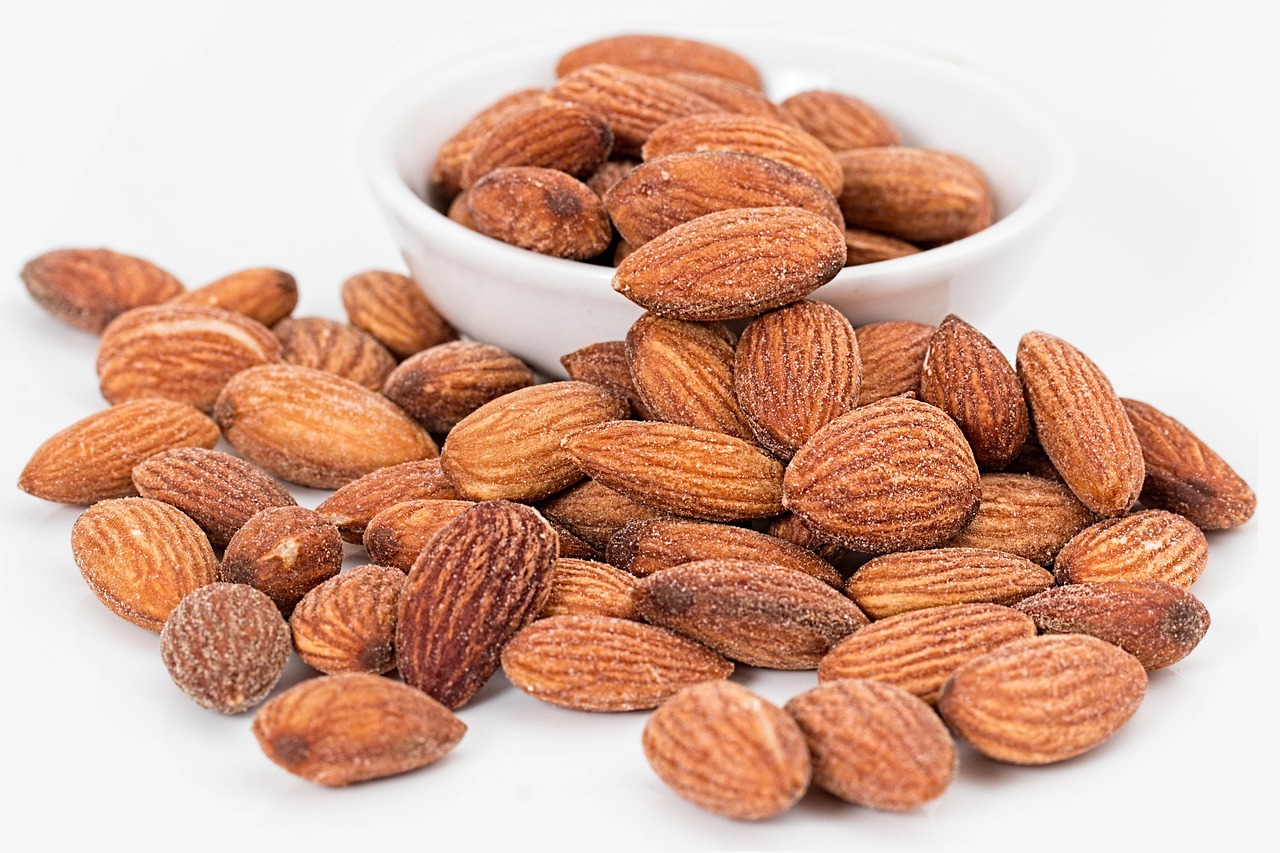
Peanut butter delivers excellent protein density at a reasonable price, especially when purchased in larger containers. Two tablespoons provide about 7-8 grams of protein along with healthy fats that support nutrient absorption and hormone production. Natural peanut butter with just peanuts and salt offers the best nutritional value without added sugars or hydrogenated oils.
If peanut allergies are a concern, sunflower seed butter provides a comparable alternative at a similar price point. Powdered peanut butter costs less per serving than traditional varieties and works beautifully in smoothies, oatmeal, and baking while reducing calorie content.
Spread nut butter on whole-grain toast, add it to smoothies, mix it into oatmeal, or use it as a dip for apple slices. A jar goes a long way when used strategically as a protein boost rather than the main component of a meal.
💰 Smart Shopping Strategies for Maximum Protein Value
Your shopping habits significantly impact how much protein you can afford. Buy protein sources when they’re on sale and stock your freezer. Most proteins freeze exceptionally well when properly packaged, allowing you to capitalize on discounts without worrying about spoilage.
Generic and store brands typically offer identical nutritional profiles to name brands at 20-40% lower prices. Compare nutrition labels rather than relying on packaging or marketing claims. The cheapest option per serving often comes in larger quantities, so calculate unit prices before making decisions.
Meal Prep: Your Budget’s Best Friend
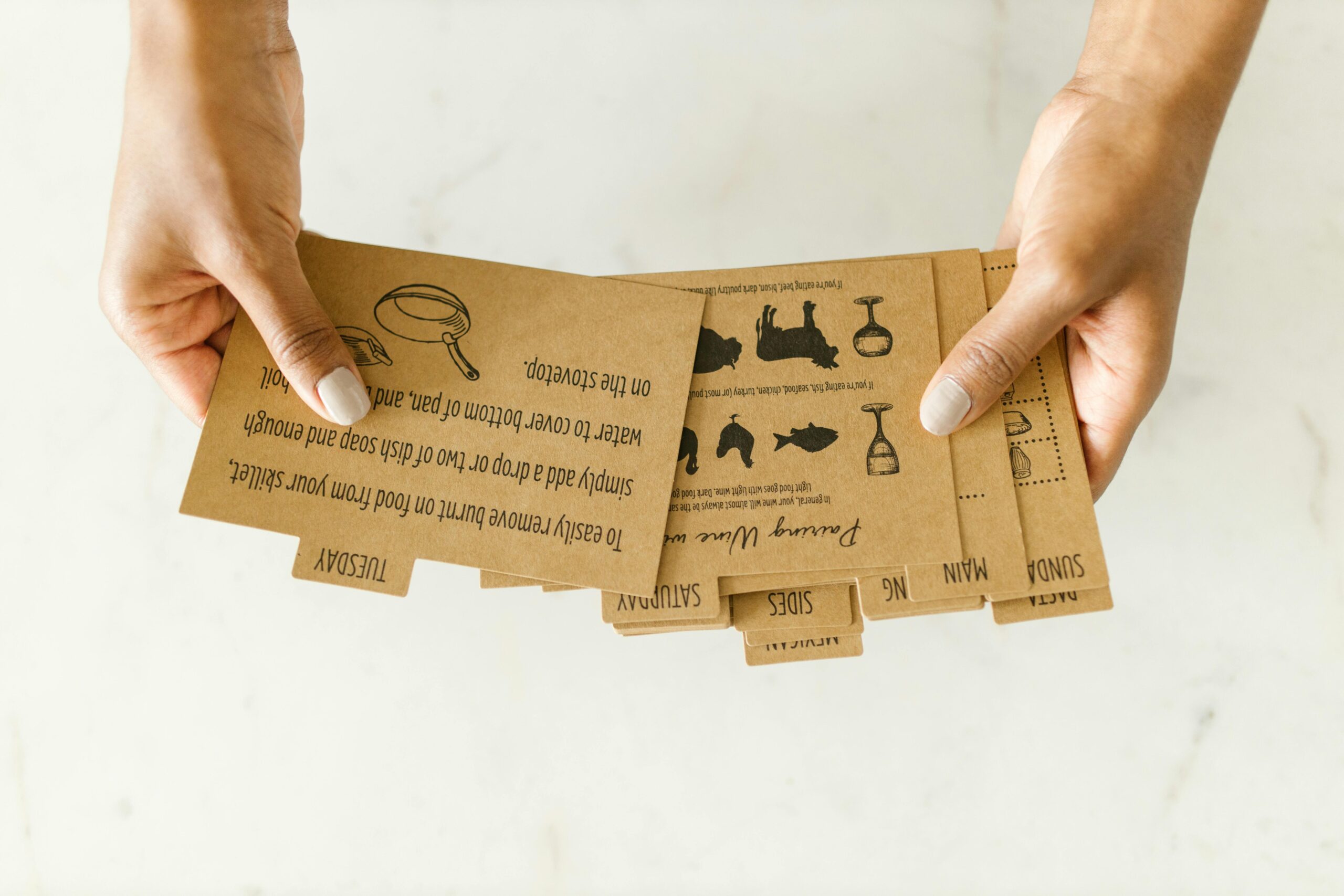
Preparing proteins in advance prevents expensive last-minute takeout decisions. Dedicate a few hours weekly to cooking chicken, boiling eggs, preparing bean dishes, and portioning yogurt with toppings. Having ready-to-eat protein sources in your refrigerator makes healthy eating convenient and affordable.
Consider investing in quality food storage containers that keep prepared foods fresh longer. Glass containers work particularly well because they don’t absorb odors or stains and can go directly from freezer to microwave.
🍳 Building Balanced, Budget-Friendly Protein Meals
Creating satisfying meals doesn’t require expensive ingredients. A simple scramble made with eggs, black beans, and frozen vegetables costs less than $2 per serving while delivering over 20 grams of protein. Lentil soup with whole-grain bread provides substantial protein for even less.
Think in terms of protein combinations rather than single sources. A meal featuring brown rice, chickpeas, and peanut sauce delivers complete protein alongside complex carbohydrates and healthy fats. Cottage cheese mixed with canned fruit and whole-grain crackers creates a balanced snack for minimal investment.
Sample Budget-Friendly High-Protein Day
Breakfast: Oatmeal topped with peanut butter and sliced banana (15g protein, approximately $1.50)
Lunch: Lentil soup with whole-grain bread and a hard-boiled egg (25g protein, approximately $2.00)
Snack: Greek yogurt with honey (15g protein, approximately $1.00)
Dinner: Chicken thighs with roasted vegetables and quinoa (35g protein, approximately $3.50)
This sample day provides approximately 90 grams of protein for under $10, demonstrating that adequate protein intake is achievable on a modest budget.
🌱 Growing Your Own Protein Sources
For those with outdoor space or even a sunny windowsill, growing beans and legumes can reduce costs further. Sprouting dried beans, lentils, and mung beans at home requires minimal investment but multiplies both protein content and nutrient availability. Sprouts grow quickly and add fresh, crunchy texture to sandwiches, salads, and wraps.
Raising chickens for eggs has become increasingly popular in urban and suburban areas where regulations permit. While there’s an initial investment in coop setup, backyard chickens can produce eggs for a fraction of store costs while providing entertainment and natural pest control.
📱 Tracking Your Protein Intake Effectively
Understanding how much protein you’re actually consuming helps optimize your budget and nutrition. Several free applications make tracking simple and informative. MyFitnessPal allows you to log meals and monitor protein intake alongside other nutrients, helping you identify gaps in your diet and adjust accordingly.
Tracking also reveals patterns in your spending, showing which protein sources deliver the best value for your specific eating habits. You might discover that certain combinations keep you satisfied longer, reducing overall food costs through decreased snacking.
🎯 Avoiding Common Budget Protein Pitfalls
Protein bars and shakes marketed as convenient options often cost significantly more per gram of protein than whole food sources. While they have their place for genuine convenience needs, relying on them regularly drains budgets quickly. A homemade protein smoothie using Greek yogurt, peanut butter, and frozen fruit provides similar nutrition at a fraction of the cost.
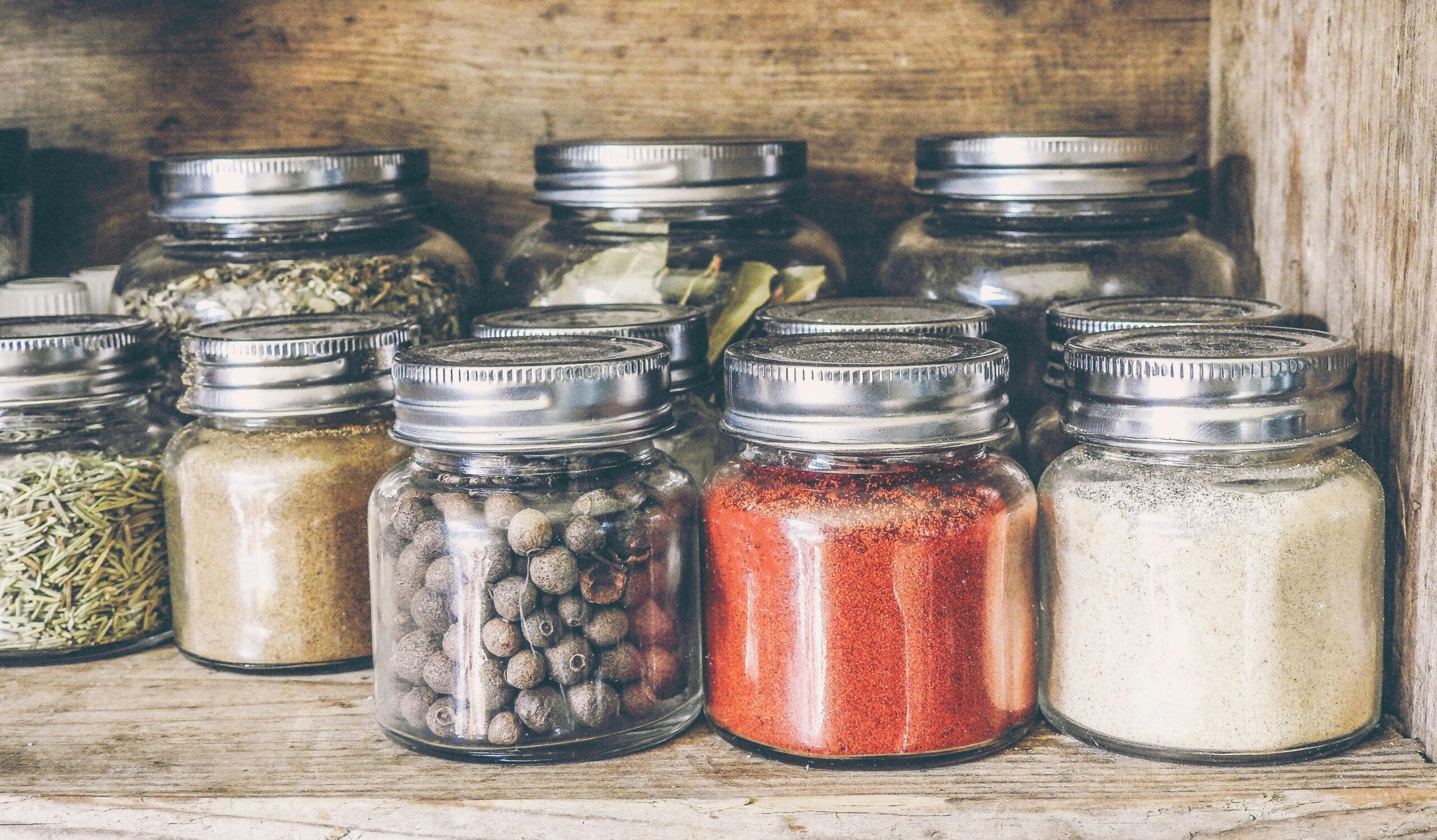
Pre-seasoned or pre-marinated proteins command premium prices for minimal added value. Purchase plain proteins and season them yourself using affordable spices and herbs. A basic spice collection lasts months and transforms simple proteins into diverse, flavorful meals.
🔄 Maximizing Leftovers for Extended Value
Cooking larger protein portions intentionally creates planned leftovers that serve multiple purposes throughout the week. Roasted chicken provides dinner on day one, sandwich fillings on day two, and soup base on day three. This approach reduces cooking time and energy costs while preventing food waste.
Bones from chicken and meat scraps transform into nutritious bone broth that extracts additional protein and minerals. Simmer bones with vegetable scraps in a slow cooker overnight, then freeze the resulting broth in portions for future soups, stews, and sauces.
⚡ Fueling Your Active Lifestyle Affordably
Athletes and highly active individuals require more protein than sedentary people, but increased needs don’t necessitate expensive supplements. Distributing protein intake across multiple meals and snacks throughout the day optimizes muscle recovery and energy levels more effectively than concentrated doses.
Chocolate milk has gained recognition as an excellent post-workout recovery drink, providing protein and carbohydrates at a minimal cost. A hard-boiled egg and piece of fruit deliver similar benefits. Focus on timing protein intake around workouts rather than obsessing over exotic or expensive options.
🌟 Building Sustainable Protein Habits
The most affordable approach to protein consumption is one you can maintain long-term. Rather than following restrictive protocols or purchasing expensive specialty foods, build habits around accessible, budget-friendly options you genuinely enjoy eating. Consistency trumps perfection when it comes to both nutrition and financial sustainability.
Experiment with different affordable protein sources to discover your preferences. What works for one person might not suit another’s taste, schedule, or cooking abilities. The best protein strategy is the one you’ll actually follow week after week, month after month.
Start by incorporating one or two new affordable protein sources into your regular rotation. As you become comfortable with preparation methods and flavor profiles, gradually expand your repertoire. This measured approach prevents overwhelm and allows your budget to adjust naturally to new purchasing patterns.
Remember that fueling your body with adequate protein supports energy, recovery, immune function, and overall wellbeing. These benefits extend far beyond the gym or athletic performance, influencing everything from mental clarity to metabolic health. Investing in quality protein sources—even affordable ones—pays dividends in how you feel and function daily.
With strategic shopping, smart preparation, and creative cooking, protein-packed nutrition fits comfortably within modest budgets. The foods discussed here prove that financial constraints need not prevent you from meeting your nutritional needs and performance goals. Power up your day with these affordable options and watch both your health and wallet thrive. 💪