Building a nutritious, protein-rich pantry transforms your daily meal planning from stressful to seamless, empowering you to create satisfying dishes that fuel your body and mind.

In today’s fast-paced world, maintaining consistent energy levels and supporting muscle health requires strategic nutrition planning. The foundation of any healthy eating pattern begins with what you stock in your pantry. When you fill your shelves with high-protein staples, you’re not just buying groceries—you’re investing in convenient, versatile ingredients that make nutritious eating effortless, regardless of how busy life gets.
Why Protein Deserves a Starring Role in Your Pantry 💪
Protein stands as one of the three essential macronutrients your body requires to function optimally. Unlike quick-burning carbohydrates, protein provides sustained energy that keeps you feeling fuller longer while supporting countless bodily functions. From repairing muscle tissue after workouts to manufacturing enzymes and hormones, protein works behind the scenes to keep your body running smoothly.
Most nutritionists recommend that adults consume between 0.8 to 1.2 grams of protein per kilogram of body weight daily, with active individuals and athletes requiring even more. Meeting these targets becomes significantly easier when your pantry contains diverse protein sources ready to incorporate into any meal. The convenience factor cannot be overstated—having these ingredients readily available eliminates the temptation to reach for less nutritious options when hunger strikes.
Shelf-Stable Protein Powerhouses That Never Disappoint
The beauty of building a high-protein pantry lies in selecting ingredients with extended shelf lives that maintain their nutritional integrity over time. These staples become your culinary insurance policy against busy schedules and unexpected meal situations.
Canned Beans and Legumes: Budget-Friendly Protein Champions
Beans represent one of nature’s most perfect foods, combining protein, fiber, vitamins, and minerals in an affordable, shelf-stable package. A single can of black beans contains approximately 15 grams of protein per cup, while chickpeas, kidney beans, and cannellini beans offer similar nutritional profiles. These versatile ingredients adapt to countless cuisines—from Mediterranean salads to Mexican burritos to Indian curries.
Keep a variety of canned beans in your pantry to prevent flavor fatigue. Black beans work beautifully in Latin-inspired dishes, white beans complement Italian preparations, and chickpeas transform into everything from hummus to crispy roasted snacks. Choose low-sodium varieties when possible, or simply rinse regular canned beans under cold water to reduce sodium content by up to 40%.
Canned Fish: Omega-3s Meet Convenience
Canned tuna, salmon, sardines, and mackerel deliver impressive protein alongside heart-healthy omega-3 fatty acids. A typical can of tuna provides about 25 grams of protein, making it one of the most protein-dense options available. Unlike fresh fish, canned varieties last for years in your pantry and require zero preparation.
Wild-caught salmon offers superior omega-3 content compared to many other fish options, while sardines packed in olive oil provide calcium from their edible bones. These shelf-stable seafood options transform into quick salads, sandwich fillings, pasta additions, or standalone meals with minimal effort. Look for sustainably caught options and varieties packed in water or olive oil rather than vegetable oils.
Nut Butters: Creamy Protein with Staying Power
Natural nut butters—peanut, almond, cashew, and sunflower seed butter—combine protein with healthy fats that support satiety and nutrient absorption. Two tablespoons of most nut butters provide 6-8 grams of protein along with vitamin E, magnesium, and beneficial plant compounds.
Choose natural varieties containing only nuts and perhaps salt, avoiding products with added sugars and hydrogenated oils. Beyond spreading on toast, nut butters enhance smoothies, create savory sauces for Asian-inspired dishes, and serve as binding agents in homemade energy balls. Their thick, creamy texture and rich flavor make them satisfying additions to both sweet and savory preparations.
Grains and Seeds That Pack Protein Punch 🌾
While many people associate grains primarily with carbohydrates, several varieties deliver impressive protein content that contributes meaningfully to your daily intake.
Quinoa: The Complete Protein Grain Alternative
Quinoa technically qualifies as a seed rather than a grain, but its culinary applications mirror those of rice and other grains. What sets quinoa apart is its status as a complete protein, containing all nine essential amino acids your body cannot produce independently. One cup of cooked quinoa provides approximately 8 grams of protein alongside fiber, iron, and magnesium.
This gluten-free option cooks in just 15 minutes and adapts to any flavor profile. Use quinoa as a breakfast porridge, salad base, side dish, or ingredient in veggie burgers. Red, white, and black quinoa varieties offer slightly different textures and visual appeal, though their nutritional profiles remain remarkably similar.
Ancient Grains with Modern Appeal
Farro, bulgur, and amaranth represent ancient grains experiencing contemporary revivals thanks to their nutritional benefits. Farro contains about 7 grams of protein per cooked cup and offers a delightfully chewy texture that holds up well in grain salads and soups. Bulgur cooks quickly and works wonderfully in tabbouleh and pilafs, while amaranth becomes porridge-like when cooked and contains all essential amino acids.
These grains store for months in airtight containers in cool, dry pantries, making them reliable staples for long-term meal planning. Their complex carbohydrates provide sustained energy while their protein content supports muscle maintenance and overall health.
Hemp Hearts and Chia Seeds: Tiny Nutritional Giants
Hemp hearts deliver 10 grams of protein in just three tablespoons, along with omega-3 and omega-6 fatty acids in ideal ratios. Their mild, nutty flavor disappears into smoothies, yogurt, oatmeal, and salads while significantly boosting nutritional value. Unlike whole hemp seeds, hemp hearts have had their crunchy outer shells removed, making them easier to digest and more pleasant to eat.
Chia seeds provide about 5 grams of protein per two tablespoons, plus remarkable amounts of fiber and omega-3 fatty acids. When soaked in liquid, they develop a gel-like coating that creates pudding-like textures perfect for breakfast bowls. Both seeds remain shelf-stable for months, though refrigeration extends their freshness even longer by preventing their delicate oils from oxidizing.
Protein Powders and Supplements for Maximum Flexibility ✨
While whole foods should form the foundation of protein intake, high-quality protein powders offer unmatched convenience for specific situations like post-workout nutrition or meal replacement when time is scarce.
Choosing the Right Protein Powder
Whey protein, derived from dairy, digests rapidly and contains all essential amino acids, making it popular among athletes for post-exercise recovery. Plant-based alternatives like pea, rice, and hemp protein serve those avoiding animal products or managing lactose intolerance. Many brands now offer blends combining multiple plant proteins to create complete amino acid profiles.
Look for products with minimal ingredients—protein source, natural flavors, and perhaps a natural sweetener like stevia. Avoid powders loaded with artificial sweeteners, fillers, and unnecessary additives. Unflavored versions offer maximum versatility, easily incorporating into both sweet and savory dishes without clashing flavors.
Protein powder transforms into more than just shakes. Add it to pancake batter, oatmeal, energy balls, homemade protein bars, and even pasta sauce to boost protein content without dramatically altering taste or texture. A quality protein powder effectively functions as culinary insurance, ensuring you can meet protein targets even during your busiest days.
Dried Goods That Deliver Long-Term Value
Certain dried ingredients provide excellent protein while lasting virtually forever when stored properly, making them perfect long-term pantry investments.
Dried Lentils and Split Peas
Unlike many dried beans that require overnight soaking, lentils and split peas cook relatively quickly—usually within 20-30 minutes—without any pre-soaking. Red lentils cook fastest and break down into creamy textures perfect for dal and soups, while green and brown lentils hold their shape better for salads and side dishes.
One cup of cooked lentils provides approximately 18 grams of protein along with substantial fiber, folate, and iron. Their neutral, earthy flavor accepts bold spices and seasonings beautifully, making them suitable for cuisines from around the world. Dried lentils cost pennies per serving, making them among the most economical protein sources available.
Textured Vegetable Protein (TVP)
Made from defatted soy flour, TVP resembles ground meat when rehydrated and delivers about 12 grams of protein per quarter-cup dried. This shelf-stable ingredient works brilliantly in chili, tacos, pasta sauce, and anywhere you’d traditionally use ground beef or turkey. Beyond its impressive protein content, TVP contains no cholesterol and costs significantly less than most meat products.
Rehydrating TVP takes just 5-10 minutes in hot water or broth, and it readily absorbs whatever flavors you add. While its texture never perfectly mimics meat, it provides satisfying substance and protein density that transforms plant-based meals from side-dish status to main-course satisfaction.
Strategic Pantry Organization for Protein Success 🎯
Stocking high-protein staples represents only half the equation—organizing them accessibly ensures you’ll actually use these nutritious ingredients regularly rather than letting them gather dust.
Designate specific zones within your pantry for different protein categories: canned goods in one area, grains and seeds in another, and protein powders or supplements in a third section. This logical organization allows you to quickly assess what’s available when planning meals, reducing the mental friction that often leads to less healthy choices.
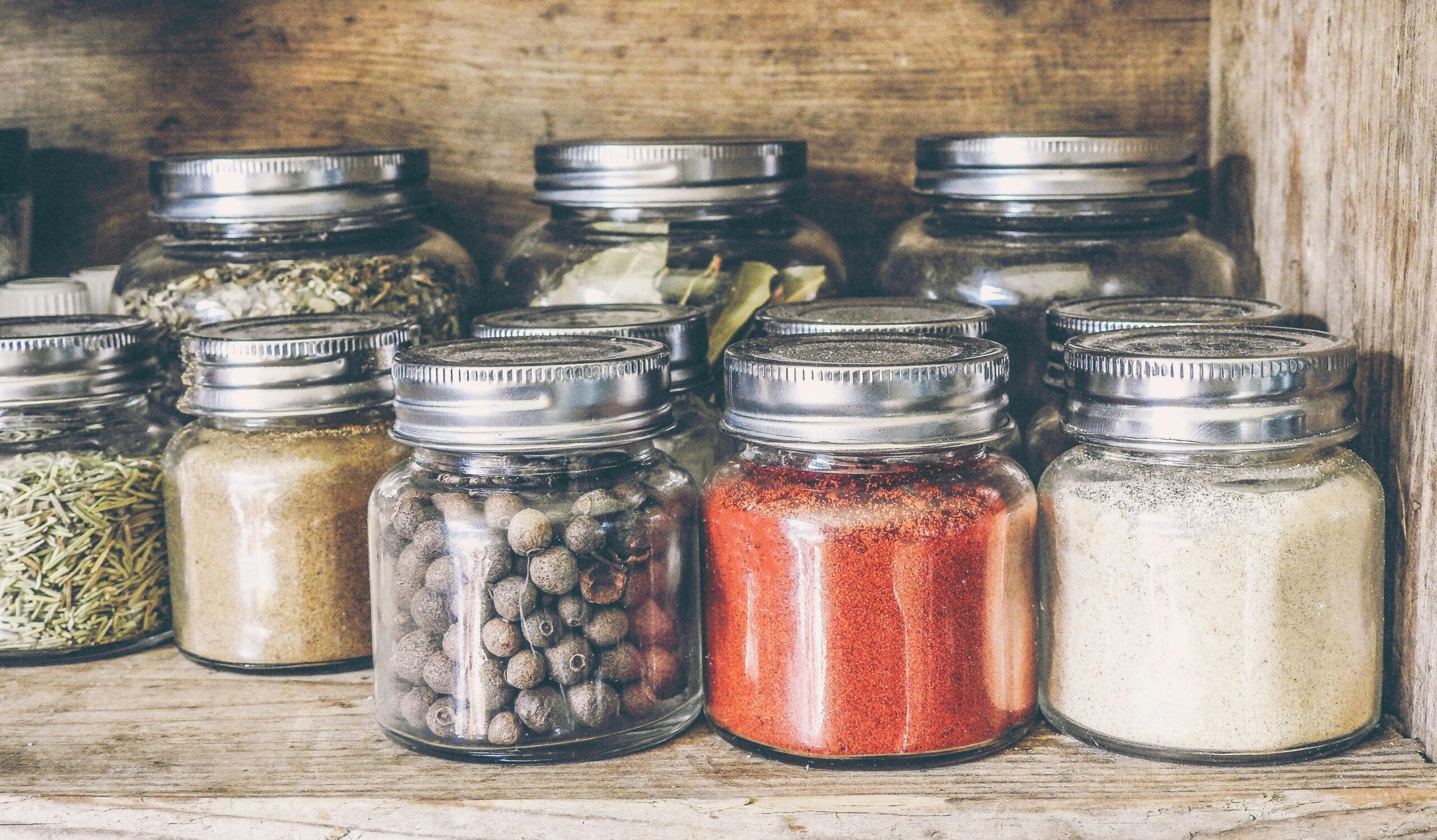
Transfer dried goods like quinoa, lentils, and seeds into clear, airtight containers labeled with names and purchase dates. This practice extends freshness, prevents pest problems, and creates visual appeal that makes healthy cooking more inviting. Seeing your rainbow of lentils, grains, and seeds displayed attractively can actually inspire creativity in meal planning.
Implement a first-in, first-out rotation system, placing newer purchases behind older items to ensure nothing expires before use. While most pantry staples last months or years, checking expiration dates quarterly prevents waste and guarantees peak flavor and nutrition.
Meal Ideas That Showcase Your Protein Pantry
Having ingredients available means nothing if you lack inspiration for using them. These quick meal concepts demonstrate how pantry staples transform into satisfying, protein-rich dishes.
15-Minute Mediterranean Chickpea Bowl
Drain and rinse canned chickpeas, then toss with canned tuna, diced tomatoes, cucumber, red onion, olives, and a lemon-olive oil dressing. This no-cook meal provides over 30 grams of protein and captures bright Mediterranean flavors with minimal effort. Serve over quinoa or with whole-grain pita for additional sustenance.
Spicy Lentil and Quinoa Power Soup
Simmer dried red lentils with vegetable broth, canned diced tomatoes, quinoa, curry powder, and whatever vegetables you have on hand. This one-pot wonder comes together in 30 minutes and delivers approximately 20 grams of protein per hearty serving. The combination of lentils and quinoa creates a complete protein profile without any animal products.
Peanut Butter Energy Balls
Combine natural peanut butter with oats, hemp hearts, chia seeds, honey, and dark chocolate chips. Roll into bite-sized balls and refrigerate for grab-and-go snacks containing 5-7 grams of protein each. These satisfy sweet cravings while providing sustained energy between meals.
Building Your Protein Pantry Gradually and Sustainably
Transforming your pantry doesn’t require purchasing everything simultaneously. Instead, adopt a gradual approach that spreads costs over time while allowing you to experiment with different products to discover what you actually enjoy eating.
Start with versatile basics like canned beans, tuna, quinoa, and one type of nut butter. As you become comfortable incorporating these ingredients into regular meals, expand into more specialized items like hemp hearts, TVP, or protein powder. This measured approach prevents both financial strain and the waste that occurs when you buy ingredients you ultimately don’t enjoy.
Consider purchasing larger quantities of shelf-stable items you use frequently, as bulk buying often reduces per-serving costs significantly. Warehouse clubs and online retailers frequently offer substantial savings on items like canned beans, nut butters, and dried lentils. Just ensure you have proper storage space and will use products before quality deteriorates.
Making Every Meal Count with Pantry Power 🌟
A well-stocked protein pantry eliminates excuses and obstacles that derail healthy eating intentions. When nutritious ingredients stand ready in your cabinets, the path of least resistance leads toward satisfying, energizing meals rather than convenient but nutritionally empty options.
These staples support not just physical health but also financial wellness and time management. Dried beans cost a fraction of restaurant meals or takeout while providing superior nutrition. Quick-cooking quinoa and canned fish transform into complete meals in less time than waiting for delivery. The cumulative impact of these advantages compounds over weeks and months into meaningful improvements in health, energy, and wellbeing.
Your protein-powered pantry becomes more than a collection of ingredients—it represents a commitment to nourishing yourself consistently, regardless of external circumstances. Whether you’re recovering from workouts, supporting weight management goals, or simply seeking sustained energy throughout demanding days, these versatile staples ensure protein never becomes the limiting factor in your nutrition.
Start building your collection today with just one or two new items, and gradually expand your options over time. As your pantry grows more robust, you’ll notice meal planning becomes less stressful, grocery shopping more efficient, and maintaining healthy eating patterns remarkably sustainable. The investment you make in stocking high-protein pantry staples pays dividends in countless meals that energize your body, satisfy your hunger, and support your long-term health goals.