In a world increasingly conscious of health and environmental impact, plant-based protein has emerged as a powerful solution for those seeking nutritious, sustainable eating habits. Whether you’re a dedicated vegan, flexitarian, or simply curious about reducing animal product consumption, understanding plant protein sources can transform your dietary approach.

The shift toward plant-based nutrition isn’t just a passing trend—it’s a movement backed by science, environmental research, and countless success stories from athletes, health enthusiasts, and everyday individuals. Plant proteins offer remarkable benefits for both personal wellness and planetary health, making them an intelligent choice for the modern lifestyle.
🌱 Why Plant Protein Matters for Your Health
Plant-based proteins provide essential amino acids your body needs while delivering additional nutrients that animal proteins often lack. These include fiber, antioxidants, vitamins, and minerals that work synergistically to support optimal health.
Research consistently demonstrates that diets rich in plant proteins are associated with lower risks of heart disease, type 2 diabetes, certain cancers, and obesity. Unlike many animal protein sources, plant proteins typically contain zero cholesterol and significantly less saturated fat, making them heart-friendly alternatives.
The fiber content in plant proteins also promotes digestive health, helps maintain stable blood sugar levels, and contributes to feelings of fullness—a valuable asset for weight management. Additionally, the phytonutrients found in plant sources provide anti-inflammatory benefits that support long-term wellness.
The Environmental Case for Plant-Based Proteins 🌍
Beyond personal health, choosing plant proteins represents one of the most impactful decisions you can make for environmental sustainability. Animal agriculture accounts for approximately 14.5% of global greenhouse gas emissions, uses vast amounts of water, and contributes to deforestation and biodiversity loss.
Plant protein production requires significantly fewer resources. For example, producing one kilogram of lentils requires approximately 50 times less water than producing one kilogram of beef. The carbon footprint of plant proteins is substantially lower, making them a climate-conscious choice.
By incorporating more plant proteins into your diet, you’re actively participating in reducing environmental strain while still meeting your nutritional needs. This makes plant-based eating not just a personal health choice but a contribution to global sustainability.
Top High-Protein Plant Sources You Should Know
Legumes: The Protein Powerhouses 💪
Legumes stand as champions in the plant protein world, offering impressive protein content alongside fiber, iron, and B vitamins. Lentils provide approximately 18 grams of protein per cooked cup, while chickpeas deliver around 15 grams. Black beans, kidney beans, and pinto beans each offer 13-15 grams per cup.
These versatile ingredients adapt beautifully to countless cuisines—from Indian dal to Mexican frijoles, Middle Eastern hummus to Mediterranean salads. Their affordability makes them accessible to virtually any budget, while their long shelf life ensures convenience.
Soybeans deserve special mention as they contain all nine essential amino acids, making them a complete protein source. One cup of cooked soybeans provides an impressive 28 grams of protein, rivaling many animal products.
Nuts and Seeds: Small But Mighty
Don’t let their size fool you—nuts and seeds pack substantial protein along with healthy fats, vitamins, and minerals. Almonds contain 6 grams of protein per ounce, while pumpkin seeds offer 7 grams. Hemp seeds are particularly noteworthy, providing 10 grams of protein per 3 tablespoons along with all essential amino acids.
Chia seeds and flaxseeds, while slightly lower in protein at 4-5 grams per two tablespoons, contribute valuable omega-3 fatty acids and fiber. These tiny nutritional gems can be sprinkled on smoothies, oatmeal, salads, or incorporated into baked goods.
Nut butters offer convenient ways to boost protein intake. Two tablespoons of peanut butter contains about 8 grams of protein, while almond butter provides approximately 7 grams. These spreads work wonderfully in sandwiches, smoothies, or as dips for fruits and vegetables.
Whole Grains: Beyond Basic Carbohydrates
While often categorized primarily as carbohydrate sources, many whole grains contribute meaningful protein to your diet. Quinoa stands out as a complete protein, offering 8 grams per cooked cup. This ancient grain cooks quickly and serves as an excellent base for bowls, salads, or side dishes.
Oats provide 6 grams of protein per half-cup of dry oats, making your morning breakfast a protein-boosting opportunity. Wild rice contains 7 grams per cooked cup, while whole wheat pasta delivers approximately 8 grams per serving.
Amaranth and teff, though less common, are nutritional powerhouses worth exploring. Both offer complete proteins and can be used in porridges, added to baked goods, or served as side dishes.
Soy Products: Versatile Protein Champions
Soy-based foods represent some of the highest protein plant sources available. Tofu contains 10-15 grams of protein per half-cup serving, depending on firmness. Its neutral flavor allows it to absorb marinades beautifully, making it adaptable to countless recipes.
Tempeh, a fermented soy product, offers 15-16 grams of protein per half-cup along with probiotics that support gut health. Its firmer texture and nutty flavor make it ideal for grilling, stir-frying, or crumbling into dishes.
Edamame, or young soybeans, provide 17 grams of protein per cup. These make excellent snacks, salad additions, or side dishes. Soy milk typically contains 7-9 grams of protein per cup, comparable to cow’s milk.
Vegetables with Surprising Protein Content 🥦
While vegetables aren’t primary protein sources, some contribute more than you might expect. Broccoli contains 4 grams of protein per cooked cup, along with impressive amounts of vitamin C and fiber. Spinach offers 5 grams per cooked cup, plus iron and calcium.
Brussels sprouts provide 3 grams per cup, while asparagus delivers about 4 grams. Green peas are particularly protein-rich for a vegetable, containing 8 grams per cooked cup. Including these vegetables in your meals adds protein alongside numerous other nutrients.
Creating Complete Protein Combinations
The concept of protein complementarity—combining different plant proteins to ensure all essential amino acids—has evolved. Current nutrition science recognizes that eating a variety of plant proteins throughout the day naturally provides complete amino acid profiles without requiring specific combinations at each meal.
That said, some traditional pairings offer both nutritional completeness and culinary satisfaction. Rice and beans together provide all essential amino acids, as do hummus with whole wheat pita, or peanut butter on whole grain bread. These combinations have sustained cultures worldwide for generations.
The key is variety. By consuming diverse plant proteins across your daily meals, you ensure adequate intake of all essential amino acids without needing to stress about precise combinations.
Protein Requirements: How Much Do You Actually Need?
The recommended dietary allowance for protein is 0.8 grams per kilogram of body weight for sedentary adults. For a 150-pound (68 kg) person, this equals approximately 54 grams daily. However, individual needs vary based on age, activity level, and health status.
Athletes and highly active individuals may require 1.2-2.0 grams per kilogram of body weight. Older adults often benefit from increased protein intake to preserve muscle mass. Pregnant and breastfeeding women also have elevated protein needs.
Meeting these requirements with plant sources is entirely achievable. A day including oatmeal with nuts and seeds for breakfast, a quinoa and bean bowl for lunch, hummus and vegetables as a snack, and tofu stir-fry with brown rice for dinner easily provides 60-80 grams of protein alongside fiber and micronutrients.
Practical Tips for Increasing Plant Protein Intake
Transitioning to more plant-based proteins doesn’t require dramatic overnight changes. Start by implementing “Meatless Mondays” or replacing one animal protein meal daily with a plant-based alternative. This gradual approach allows your palate and cooking skills to adapt.
Batch cooking legumes and grains on weekends saves time during busy weekdays. Cooked beans, lentils, and quinoa store well in the refrigerator for 4-5 days or can be frozen for longer storage. Having these ready-to-use ingredients makes assembling nutritious meals quick and convenient.
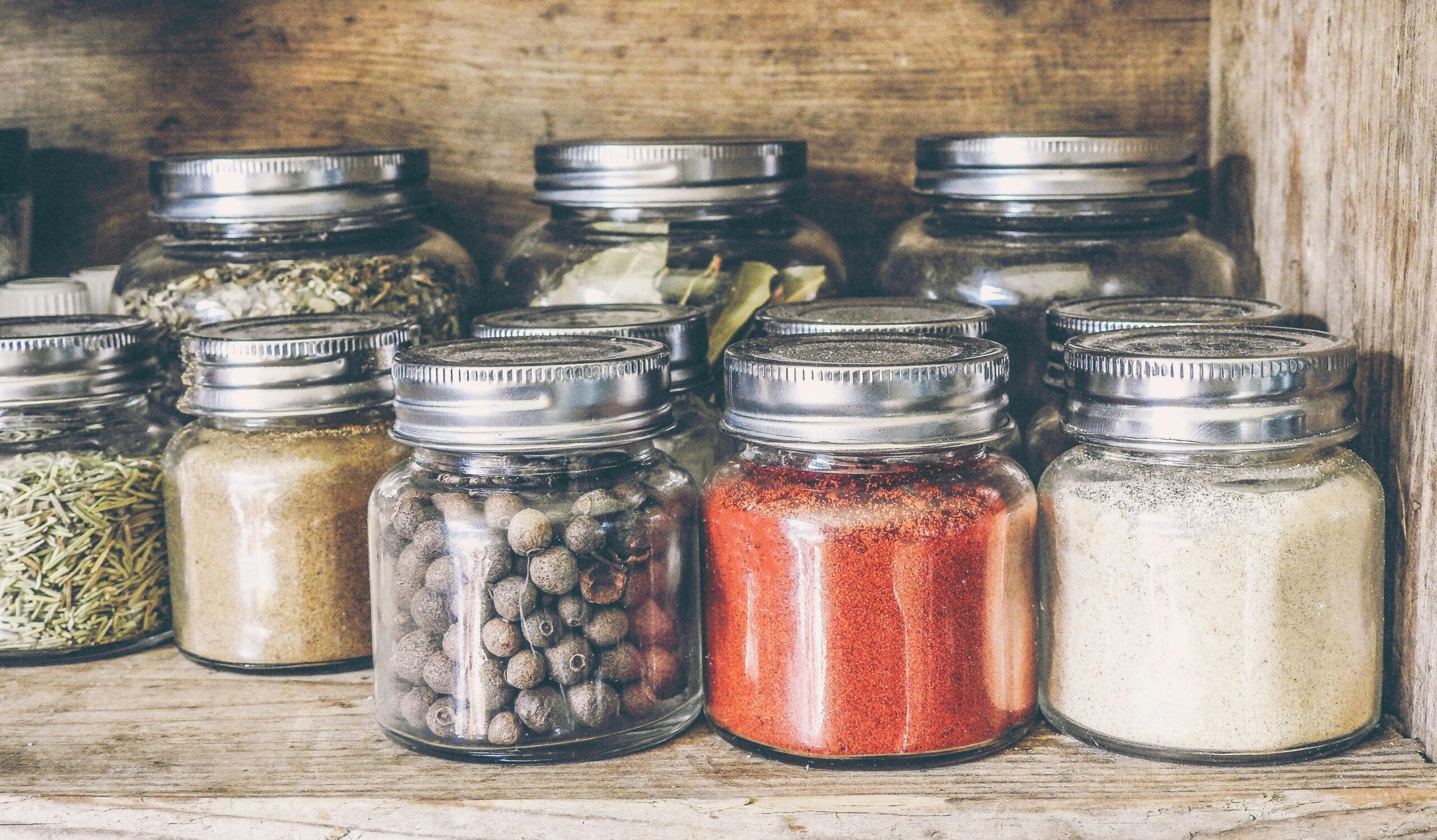
Keep plant protein staples stocked in your pantry: dried beans and lentils, canned chickpeas and black beans, quinoa, nuts, seeds, nut butters, and whole grain pasta. Having these foundations available prevents last-minute decisions that might default to less nutritious options.
Experiment with plant-based protein powders derived from peas, hemp, or brown rice. These can boost smoothies, oatmeal, or baked goods, providing 15-25 grams of protein per serving. They’re particularly useful for post-workout recovery or when meals must be quick.
Maximizing Nutrient Absorption from Plant Proteins
Certain preparation methods enhance nutrient bioavailability from plant proteins. Soaking beans and legumes before cooking reduces antinutrients like phytic acid, which can inhibit mineral absorption. This simple step also decreases cooking time and may improve digestibility.
Sprouting seeds, grains, and legumes increases enzyme activity and nutrient availability while reducing antinutrients. Sprouted versions often taste sweeter and have different textures, adding variety to your meals.
Combining plant proteins with vitamin C-rich foods enhances iron absorption. Adding tomatoes, bell peppers, or citrus to bean dishes, or including strawberries with your nut-topped oatmeal, optimizes iron uptake from these plant sources.
Fermented soy products like tempeh and miso offer improved digestibility and nutrient absorption compared to non-fermented versions. The fermentation process pre-digests some components, making nutrients more accessible to your body.
Addressing Common Concerns About Plant Protein 🤔
One frequent concern involves whether plant proteins can support athletic performance and muscle building. Numerous professional athletes—from ultra-marathoners to bodybuilders—thrive on plant-based diets, demonstrating that plant proteins adequately support even extreme physical demands when consumed in sufficient quantities.
The digestibility of plant proteins varies, with soy proteins being highly digestible and comparable to animal proteins. While some plant proteins have slightly lower digestibility scores, consuming adequate quantities easily compensates for any difference.
Concerns about vitamin B12 deficiency are valid for strict plant-based diets, as B12 is primarily found in animal products. However, this is easily addressed through fortified foods like plant milks and breakfast cereals, or supplements. Many plant-based eaters also monitor vitamin D, iron, and omega-3 intake, adjusting through food choices or supplementation as needed.
Delicious Ways to Enjoy High-Protein Plant Foods
Transform your breakfast by creating overnight oats with chia seeds, topped with nuts and nut butter. This combination provides 15-20 grams of protein and keeps you satisfied throughout the morning. Smoothie bowls blending silken tofu, plant protein powder, fruits, and seeds offer another protein-rich start to your day.
Lunch options abound with Buddha bowls combining quinoa or brown rice, roasted chickpeas, assorted vegetables, and tahini dressing. These customizable meals provide balanced nutrition and typically deliver 20-25 grams of protein. Hearty lentil soups with whole grain bread make satisfying, warming meals perfect for cooler weather.
For dinner, explore diverse cuisines naturally rich in plant proteins. Indian curries featuring lentils or chickpeas over rice, Middle Eastern falafel plates, Mexican bean tacos with cashew cream, or Asian-inspired tempeh stir-fries showcase how delicious plant protein meals can be.
Snacking strategically maintains energy and protein intake between meals. Roasted chickpeas seasoned with spices, trail mix combining nuts and seeds, hummus with vegetable sticks, or edamame sprinkled with sea salt all provide protein-rich options that satisfy cravings.
Building a Sustainable Plant-Protein Lifestyle 🌿
Sustainability in plant-based eating extends beyond environmental considerations to include financial accessibility and long-term adherence. Fortunately, many high-protein plant foods—dried beans, lentils, oats, and seasonal vegetables—rank among the most affordable nutritious options available.
Shopping farmers markets for seasonal produce, buying dried legumes and grains in bulk, and choosing whole foods over processed alternatives keeps costs manageable while maximizing nutrition. Growing some of your own herbs, sprouts, or vegetables, even in small spaces, further reduces costs and environmental impact.
Community connections enhance sustainability. Joining plant-based eating groups, whether online or locally, provides recipe ideas, motivation, and social support. Sharing experiences and strategies helps navigate challenges and celebrates successes along the journey.
Remember that perfection isn’t the goal—progress is. Even partially replacing animal proteins with plant alternatives delivers health and environmental benefits. Find the balance that works for your lifestyle, preferences, and circumstances, adjusting as your comfort and knowledge grow.
The Future Is Plant-Powered ✨
As awareness grows about the connections between diet, health, and environmental sustainability, plant proteins are positioned to play increasingly central roles in global nutrition. Food technology continues advancing, creating innovative plant-based products that appeal to diverse palates and preferences.
The abundance of high-protein plant sources means there’s truly something for everyone. From the simplicity of beans and rice to sophisticated tempeh preparations, from familiar peanut butter to adventurous hemp seeds, the variety ensures you’ll never feel deprived or bored.
Embracing plant proteins represents an investment in your health, a contribution to environmental preservation, and an exploration of culinary diversity. Each plant-based meal is an opportunity to nourish your body with foods that support vitality, longevity, and well-being while treading more lightly on the planet.
Whether you’re just beginning to explore plant proteins or you’re a seasoned plant-based eater, there’s always more to discover. New recipes to try, unfamiliar ingredients to experiment with, and deeper understanding to gain about how these remarkable foods fuel your body and support your values. The journey toward a more plant-powered lifestyle is one of continuous learning, delicious discoveries, and meaningful impact—one protein-rich plant food at a time.