
Small changes in your daily diet can create significant improvements in your overall health and wellness. By making simple food swaps, you can dramatically increase your nutrient intake without completely overhauling your eating habits.

The modern diet often relies on convenient but nutritionally poor choices that leave us feeling sluggish and undernourished. However, upgrading to nutrient-dense alternatives doesn’t require complicated recipes or expensive ingredients—just a commitment to making smarter choices that fuel your body with what it truly needs.
Understanding Nutrient Density: The Foundation of Smart Food Choices 🌟
Nutrient density refers to the amount of beneficial nutrients a food contains relative to its calorie content. Foods with high nutrient density provide substantial vitamins, minerals, fiber, and other beneficial compounds without excessive calories, sugar, or unhealthy fats.
When you choose nutrient-dense foods, you’re essentially getting more nutritional bang for your buck. These foods support immune function, maintain healthy body weight, improve energy levels, and reduce the risk of chronic diseases like heart disease, diabetes, and certain cancers.
The beauty of nutrient-dense food swaps is their simplicity. You don’t need to eliminate entire food groups or follow restrictive diets. Instead, you’re making strategic upgrades that enhance the nutritional quality of meals you already enjoy.
Breakfast Upgrades That Power Your Morning
Breakfast sets the tone for your entire day, making it the perfect meal to start implementing nutrient-dense swaps. These morning upgrades will stabilize blood sugar, increase satiety, and provide sustained energy throughout your morning hours.
Replace Sugary Cereals with Overnight Oats
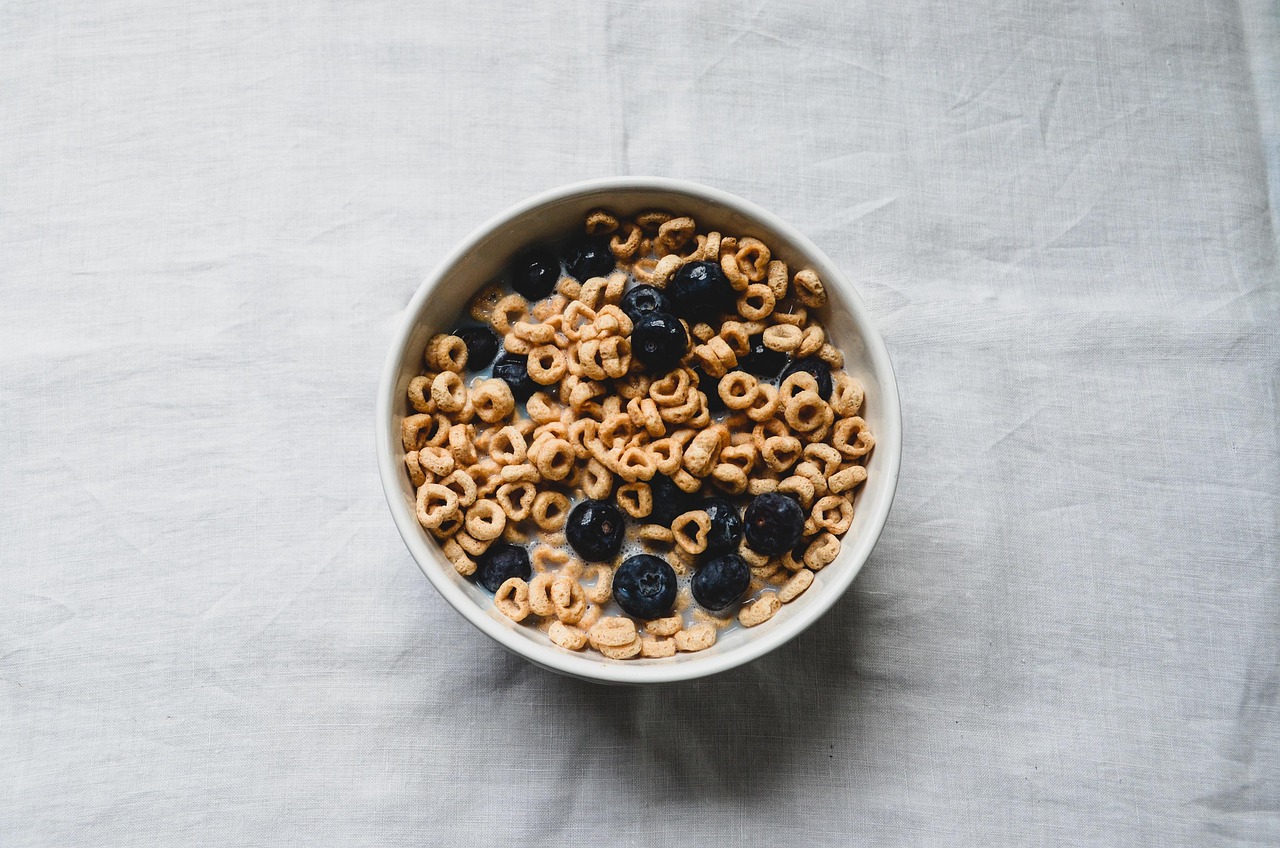
Commercial breakfast cereals often contain excessive sugar and refined grains with minimal nutritional value. Overnight oats prepared with rolled oats, chia seeds, and fresh fruit offer complex carbohydrates, fiber, omega-3 fatty acids, and antioxidants that keep you full and focused.
Prepare your overnight oats by combining half a cup of rolled oats with a cup of milk or plant-based alternative, a tablespoon of chia seeds, and your choice of berries or sliced banana. Refrigerate overnight, and you’ll have a ready-to-eat breakfast packed with nutrients.
Swap White Toast for Sprouted Grain Bread
White bread strips away most beneficial nutrients during processing. Sprouted grain bread retains the entire grain kernel and undergoes a sprouting process that increases bioavailability of vitamins, minerals, and protein while reducing antinutrients that can interfere with absorption.
Top your sprouted grain toast with mashed avocado instead of butter for healthy monounsaturated fats, or spread almond butter for protein and vitamin E. These simple swaps transform a basic breakfast into a nutrient powerhouse.
Lunch Transformations for Sustained Energy ⚡
The midday meal often determines whether you’ll experience an afternoon energy crash or maintain steady productivity. Strategic lunch swaps can prevent the post-lunch slump while delivering essential nutrients your body craves.
Choose Quinoa Over White Rice
While white rice provides mostly empty carbohydrates, quinoa delivers complete protein with all nine essential amino acids, plus significantly more fiber, iron, magnesium, and B vitamins. This ancient grain has a subtle nutty flavor that complements various dishes.
Use quinoa as a base for grain bowls, add it to salads for extra substance, or serve it as a side dish. The protein content makes it especially valuable for vegetarians and anyone looking to increase plant-based protein intake.
Upgrade to Mixed Greens Instead of Iceberg Lettuce
Iceberg lettuce consists primarily of water with minimal nutritional content. Mixed greens containing spinach, arugula, kale, and romaine provide dramatically higher amounts of vitamins A, C, K, folate, and powerful antioxidants like lutein and beta-carotene.
These darker leafy greens support eye health, bone strength, immune function, and may help reduce inflammation throughout the body. The variety also adds more interesting flavors and textures to your salads and sandwiches.
Select Wild-Caught Salmon Over Processed Deli Meats
Processed deli meats contain high sodium, preservatives like nitrates, and offer limited nutritional benefits beyond protein. Wild-caught salmon provides high-quality protein along with omega-3 fatty acids EPA and DHA, which support brain health, reduce inflammation, and promote cardiovascular wellness.
Prepare extra salmon during dinner to use in next-day lunch salads, or keep canned wild salmon on hand for quick meal preparation. The omega-3 content makes this swap particularly valuable for overall health.
Snack Swaps That Satisfy Without Compromise 🍎
Snacking presents numerous opportunities to boost nutrient intake or derail your health goals. These strategic swaps provide satisfying options that curb cravings while delivering beneficial nutrients.
Choose Raw Nuts Over Chips and Crackers
Potato chips and crackers typically contain refined carbohydrates, excessive sodium, and unhealthy fats. Raw or dry-roasted nuts deliver healthy fats, protein, fiber, vitamin E, magnesium, and selenium that support heart health and satiety.
Almonds, walnuts, cashews, and Brazil nuts each offer unique nutritional profiles. Keep small portions on hand for convenient snacking, but watch portion sizes as nuts are calorie-dense despite their nutritional benefits.
Swap Candy for Dark Chocolate with Fruit
Conventional candy provides concentrated sugar with virtually no nutritional value. Dark chocolate with at least 70% cacao content contains beneficial flavonoids, antioxidants, and minerals like iron and magnesium, especially when paired with fresh berries that add fiber and vitamin C.
This combination satisfies sweet cravings while providing compounds that may support heart health and cognitive function. The fiber from fruit also helps moderate blood sugar response.
Replace Flavored Yogurt with Plain Greek Yogurt
Flavored yogurts often contain as much sugar as desserts. Plain Greek yogurt offers double the protein of regular yogurt, probiotics for gut health, calcium for bones, and B vitamins for energy metabolism—all without added sugars.
Customize your plain Greek yogurt with fresh fruit, a drizzle of raw honey, cinnamon, or a handful of nuts. This approach lets you control sweetness while maximizing nutritional benefits.
Dinner Enhancements for Complete Nutrition
Evening meals provide an excellent opportunity to incorporate diverse nutrients that may have been missed earlier in the day. These dinner swaps ensure you’re ending your day with optimal nutrition.
Choose Sweet Potatoes Over Regular Potatoes
While regular potatoes offer some nutrients, sweet potatoes provide significantly more vitamin A in the form of beta-carotene, more fiber, and a lower glycemic index that creates more stable blood sugar levels. They also contain vitamin C, potassium, and beneficial plant compounds.
Roast sweet potato wedges, mash them as a side dish, or spiralize them as a nutrient-dense noodle alternative. Their natural sweetness pairs well with both savory and slightly sweet flavor profiles.
Select Grass-Fed Beef Over Conventional Beef
Grass-fed beef contains higher levels of omega-3 fatty acids, conjugated linoleic acid (CLA), and vitamins A and E compared to conventionally raised beef. While more expensive, the improved nutrient profile and more favorable omega-6 to omega-3 ratio make it a worthwhile upgrade.
When budget allows, prioritize grass-fed options for ground beef and steaks. The enhanced nutritional content supports anti-inflammatory processes in your body.
Upgrade to Whole Grain Pasta or Legume-Based Alternatives
Traditional white pasta consists of refined flour with minimal fiber or micronutrients. Whole grain pasta retains the bran and germ, providing more fiber, B vitamins, and minerals. Legume-based pastas made from chickpeas, lentils, or black beans offer even more protein and fiber.
These alternatives create greater satiety, support digestive health, and provide steadier energy release compared to refined pasta. They work in any recipe that calls for traditional pasta.
Beverage Choices That Hydrate and Nourish 💧
What you drink throughout the day significantly impacts your overall nutrient intake and health. These beverage swaps eliminate empty calories while adding beneficial compounds.
Replace Soda with Sparkling Water and Fresh Fruit
Soda delivers excessive sugar or artificial sweeteners with no nutritional benefit. Sparkling water infused with fresh fruit slices, herbs like mint, or a splash of 100% fruit juice provides hydration with natural flavor and beneficial plant compounds.
This swap eliminates blood sugar spikes, reduces empty calorie intake, and can save hundreds of calories daily if you’re a regular soda drinker.
Choose Green Tea Over Energy Drinks
Energy drinks contain high caffeine levels, excessive sugar, and synthetic ingredients. Green tea provides moderate caffeine along with L-theanine for focused calm, plus powerful antioxidants called catechins that support cellular health and may boost metabolism.
Brew green tea hot or cold for a refreshing beverage that energizes without the jitters or crash associated with energy drinks.
Cooking Method Upgrades for Maximum Nutrient Retention
How you prepare food matters as much as what you choose. Certain cooking methods preserve nutrients better than others, making these technique swaps valuable for maximizing the benefits of your food choices.
Steam or Roast Instead of Boiling
Boiling vegetables causes water-soluble vitamins like vitamin C and B vitamins to leach into cooking water that’s typically discarded. Steaming preserves these nutrients while maintaining texture and flavor. Roasting concentrates flavors and retains nutrients while creating appealing caramelization.
These methods require minimal additional effort but significantly improve the nutritional value of your finished dishes.
Use Healthy Fats for Cooking
Replace vegetable oils high in omega-6 fatty acids with options like extra virgin olive oil, avocado oil, or coconut oil depending on cooking temperature. These alternatives provide more stable fats and beneficial compounds that support rather than harm health.
Extra virgin olive oil works beautifully for low to medium-heat cooking and dressings, while avocado oil handles high-heat cooking exceptionally well.
Condiment and Seasoning Swaps for Flavor Without Compromise 🌿
Condiments and seasonings add flavor but often introduce excessive sodium, sugar, and artificial ingredients. These swaps maintain taste while improving nutritional profiles.
Choose Fresh Herbs Over Salt
Excessive sodium intake contributes to high blood pressure and other health concerns. Fresh herbs like basil, cilantro, parsley, and rosemary add complex flavors along with antioxidants and beneficial plant compounds without the health risks of excess salt.
Growing herbs on your windowsill ensures a fresh, economical supply. Even dried herbs provide more nutritional benefit than salt alone.
Replace Commercial Salad Dressings with Homemade Vinaigrettes
Store-bought dressings typically contain added sugars, preservatives, and low-quality oils. A simple vinaigrette made with extra virgin olive oil, vinegar or lemon juice, Dijon mustard, and herbs provides healthy fats and clean ingredients in minutes.
This swap gives you complete control over ingredients while eliminating unnecessary additives that offer no nutritional value.
Making These Swaps Sustainable for Long-Term Success
The key to lasting dietary improvement lies in gradual implementation rather than overwhelming overhaul. Start by selecting two or three swaps that seem most appealing or easiest to implement based on your current eating patterns.
Once these changes feel natural and automatic, add another swap or two. This gradual approach prevents decision fatigue and allows your palate to adjust to new flavors and textures without feeling deprived.
Track how you feel as you implement these changes. Many people notice improved energy, better digestion, clearer skin, and enhanced mood when they consistently choose nutrient-dense options. These positive reinforcements make continuing the swaps easier and more rewarding.
Budget-Friendly Strategies for Nutrient-Dense Eating
A common misconception suggests that eating healthier requires significantly more money. While some nutrient-dense options cost more, strategic shopping and preparation make these upgrades accessible on various budgets.
Buy seasonal produce when it’s most abundant and affordable. Purchase nuts, seeds, and whole grains from bulk bins to reduce costs. Frozen fruits and vegetables offer excellent nutrition at lower prices and reduce waste since you use only what you need.
Prepare meals at home rather than eating out. The cost savings from reduced restaurant visits can offset the slightly higher price of premium ingredients like wild-caught fish or grass-fed meat when you do purchase them.
Creating Your Personal Swap Strategy 📝
Everyone’s dietary starting point differs, making personalization essential for success. Assess your current eating patterns and identify which meals or snacks need the most improvement.
If you typically skip breakfast or grab something sweet, start with morning swaps. If afternoon energy crashes plague you, focus on lunch upgrades and smarter snack choices. Target your weakest points first for maximum impact.
Keep a simple food journal for a week to identify patterns you might not consciously recognize. This awareness helps you select the most beneficial swaps for your specific situation.
The Compound Effect of Small Nutritional Improvements
Individual swaps might seem minor, but their combined impact creates substantial health improvements over time. Replacing just three or four low-nutrient foods with nutrient-dense alternatives daily can mean the difference between deficiency and sufficiency in multiple vitamins and minerals.
These improvements support everything from immune function and cognitive performance to skin health and disease prevention. Your body functions as an interconnected system where adequate nutrition in one area supports optimal function in others.
The cumulative effect of consistent nutrient-dense choices extends beyond physical health to influence mood, sleep quality, stress resilience, and overall quality of life. Small swaps create big results when practiced consistently.
By implementing these simple yet powerful food swaps, you’re not just eating differently—you’re fundamentally changing how you fuel your body. Each nutrient-dense choice represents an investment in your immediate wellbeing and long-term health. Start with one swap today, and build from there. Your body will thank you with increased energy, better health markers, and an enhanced sense of vitality that makes the effort worthwhile.