Creating a healthy eating routine starts with smart shopping. When you know what to buy, meal planning becomes easier, your diet improves, and your overall wellness flourishes naturally.

Many people struggle with grocery shopping because they lack a clear strategy. They wander aimlessly through aisles, grabbing items impulsively, and often end up with processed foods that don’t support their health goals. A well-organized grocery checklist transforms this experience, ensuring you bring home nutrient-dense foods that fuel your body properly. This comprehensive guide will help you master your meals by providing the ultimate simple grocery checklist designed for balanced nutrition and lasting health benefits.
🥗 Understanding the Foundation of Balanced Nutrition
Before diving into your grocery checklist, it’s essential to understand what constitutes a balanced diet. Your body requires macronutrients—proteins, carbohydrates, and fats—along with micronutrients including vitamins and minerals. Each plays a critical role in maintaining energy levels, supporting immune function, and promoting overall wellness.
A nutrient-packed diet isn’t about restriction or following complicated rules. It’s about choosing whole, minimally processed foods that provide maximum nutritional value. When you shop with intention, you naturally gravitate toward foods that nourish rather than merely fill you up.
Building Your Produce Section Strategy
The produce section should be your first stop on every grocery trip. Fresh vegetables and fruits form the cornerstone of any healthy eating plan, providing essential vitamins, minerals, fiber, and antioxidants that protect your body from disease.
🥬 Essential Vegetables for Your Cart
Dark leafy greens like spinach, kale, and Swiss chard deserve priority placement on your list. These nutritional powerhouses contain iron, calcium, and vitamin K while remaining extremely low in calories. Cruciferous vegetables including broccoli, cauliflower, and Brussels sprouts offer cancer-fighting compounds and impressive fiber content.
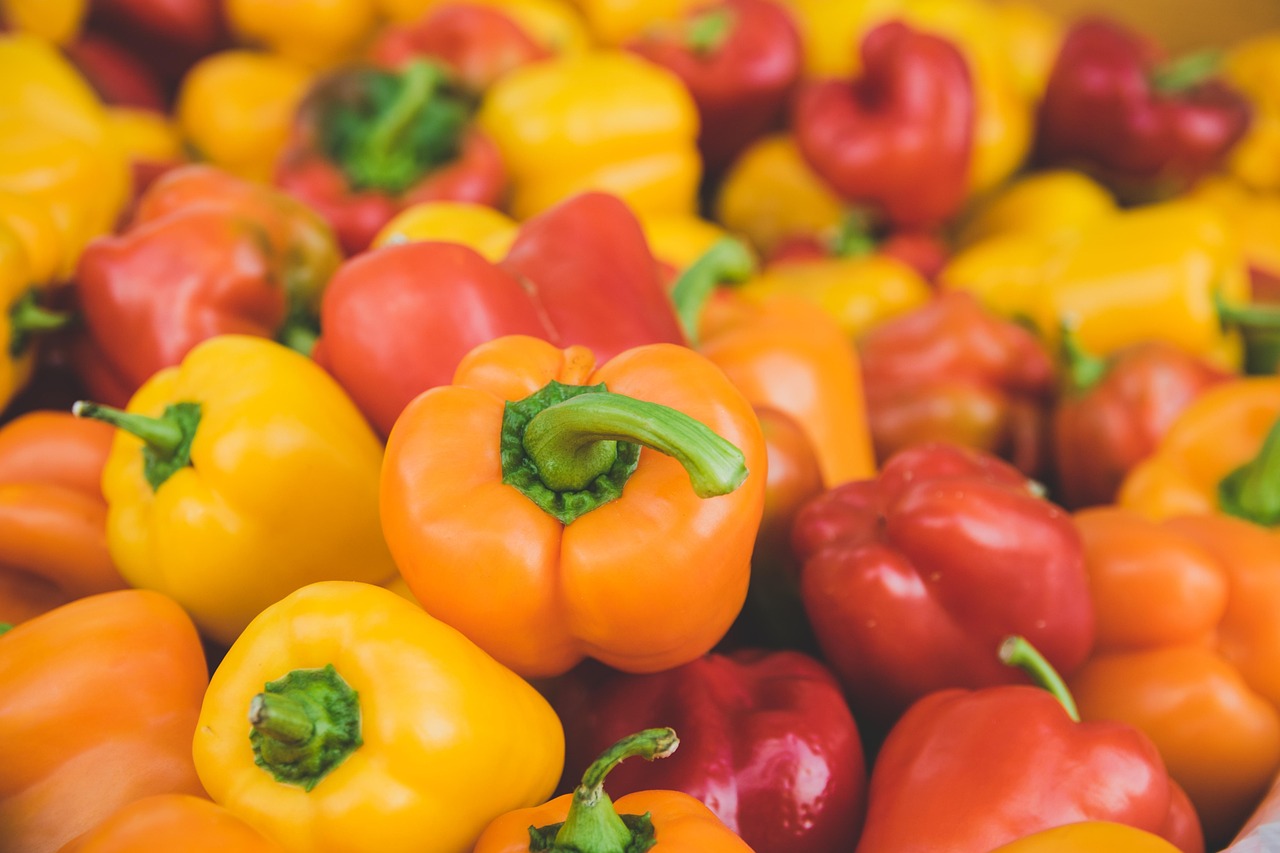
Don’t overlook colorful vegetables such as bell peppers, tomatoes, carrots, and sweet potatoes. The vibrant hues indicate different phytonutrients, and eating a rainbow ensures you’re getting diverse nutritional benefits. Add onions, garlic, and ginger for flavor and immune-boosting properties.
🍎 Selecting the Best Fruits
Berries stand out as nutritional superstars—blueberries, strawberries, raspberries, and blackberries provide antioxidants with relatively low sugar content. Citrus fruits like oranges, grapefruits, and lemons deliver vitamin C and refreshing flavor. Bananas offer quick energy and potassium, while apples provide satisfying crunch and soluble fiber.
Consider seasonal fruits for better taste and value. Frozen fruits without added sugars make excellent alternatives when fresh options become expensive or unavailable. They’re picked at peak ripeness and flash-frozen, preserving nutritional content effectively.
Protein Sources That Power Your Body
Protein supports muscle maintenance, immune function, and satiety. A balanced grocery checklist includes diverse protein sources to provide complete amino acid profiles and prevent dietary boredom.
🍗 Animal-Based Proteins
Lean poultry like chicken breast and turkey provides high-quality protein with minimal fat. Fish and seafood offer protein plus omega-3 fatty acids—salmon, sardines, mackerel, and tuna support heart and brain health exceptionally well. Choose wild-caught when possible for better nutrient profiles.
Eggs represent one of nature’s most complete foods, containing protein, healthy fats, and numerous vitamins. They’re versatile, affordable, and perfect for any meal. If you consume red meat, opt for grass-fed beef or bison in moderate portions, focusing on leaner cuts.
🌱 Plant-Based Protein Options
Legumes including lentils, chickpeas, black beans, and kidney beans deliver protein alongside fiber and complex carbohydrates. They’re budget-friendly and incredibly versatile in various cuisines. Quinoa stands out as a complete plant protein containing all essential amino acids.
Tofu, tempeh, and edamame provide soy-based protein options with excellent nutritional profiles. Nuts and seeds—almonds, walnuts, chia seeds, hemp seeds, and pumpkin seeds—offer protein, healthy fats, and satisfying crunch for meals and snacks.
Smart Carbohydrate Choices for Sustained Energy
Carbohydrates aren’t the enemy when you choose wisely. Complex carbohydrates provide sustained energy, fiber, and important nutrients without causing blood sugar spikes that leave you crashing later.
🌾 Whole Grains Worth Buying
Brown rice, quinoa, farro, and barley offer more nutrients and fiber than their refined counterparts. Whole grain oats make nutritious breakfasts that keep you satisfied for hours. Look for whole wheat bread, pasta, and tortillas where the first ingredient lists “whole wheat” or “whole grain.”
Steel-cut oats provide superior texture and nutritional value compared to instant varieties. Ancient grains like amaranth, millet, and teff introduce variety while delivering unique nutrient profiles. Stock your pantry with several options to prevent monotony.
🥔 Starchy Vegetables and Alternatives
Sweet potatoes pack vitamin A, fiber, and complex carbohydrates into a naturally sweet package. Regular potatoes, when prepared healthfully, provide potassium and vitamin C. Butternut squash and other winter squashes offer similar benefits with rich, satisfying flavors.
For those reducing grain intake, cauliflower rice and zucchini noodles serve as excellent vegetable-based alternatives that increase your produce consumption while providing familiar textures.
Healthy Fats That Support Wellness 🥑
Dietary fat plays crucial roles in hormone production, nutrient absorption, and brain health. The key lies in choosing the right types and consuming appropriate portions.
Extra virgin olive oil should be your primary cooking and dressing oil, offering heart-healthy monounsaturated fats and anti-inflammatory compounds. Avocados provide creamy texture along with beneficial fats, fiber, and potassium. Keep them on your regular shopping list.
Nuts and nut butters deliver satisfying fats alongside protein and micronutrients. Almond butter, cashew butter, and natural peanut butter (containing only nuts and perhaps salt) make nutritious spreads and recipe ingredients. Coconut oil works well for high-heat cooking, while flaxseed oil adds omega-3s to cold dishes.
Full-fat dairy products from quality sources provide conjugated linoleic acid and fat-soluble vitamins. Greek yogurt, cottage cheese, and moderate amounts of cheese can fit into a balanced eating plan. If you prefer plant-based options, choose unsweetened varieties fortified with calcium and vitamin D.
Pantry Staples for Meal Flexibility
A well-stocked pantry enables quick, nutritious meals without constant shopping trips. These shelf-stable items form the backbone of convenient healthy cooking.
Essential Canned and Jarred Items
Canned beans save time without sacrificing nutrition—keep several varieties on hand. Canned tomatoes, tomato paste, and tomato sauce form the base for countless healthy recipes. Choose low-sodium versions when available to control salt intake.
Quality canned fish like tuna, salmon, and sardines provide convenient protein for salads, sandwiches, and quick meals. Stock vegetable broth, chicken broth, or bone broth for soups, cooking grains, and adding flavor without excess calories.
Herbs, Spices, and Flavor Enhancers
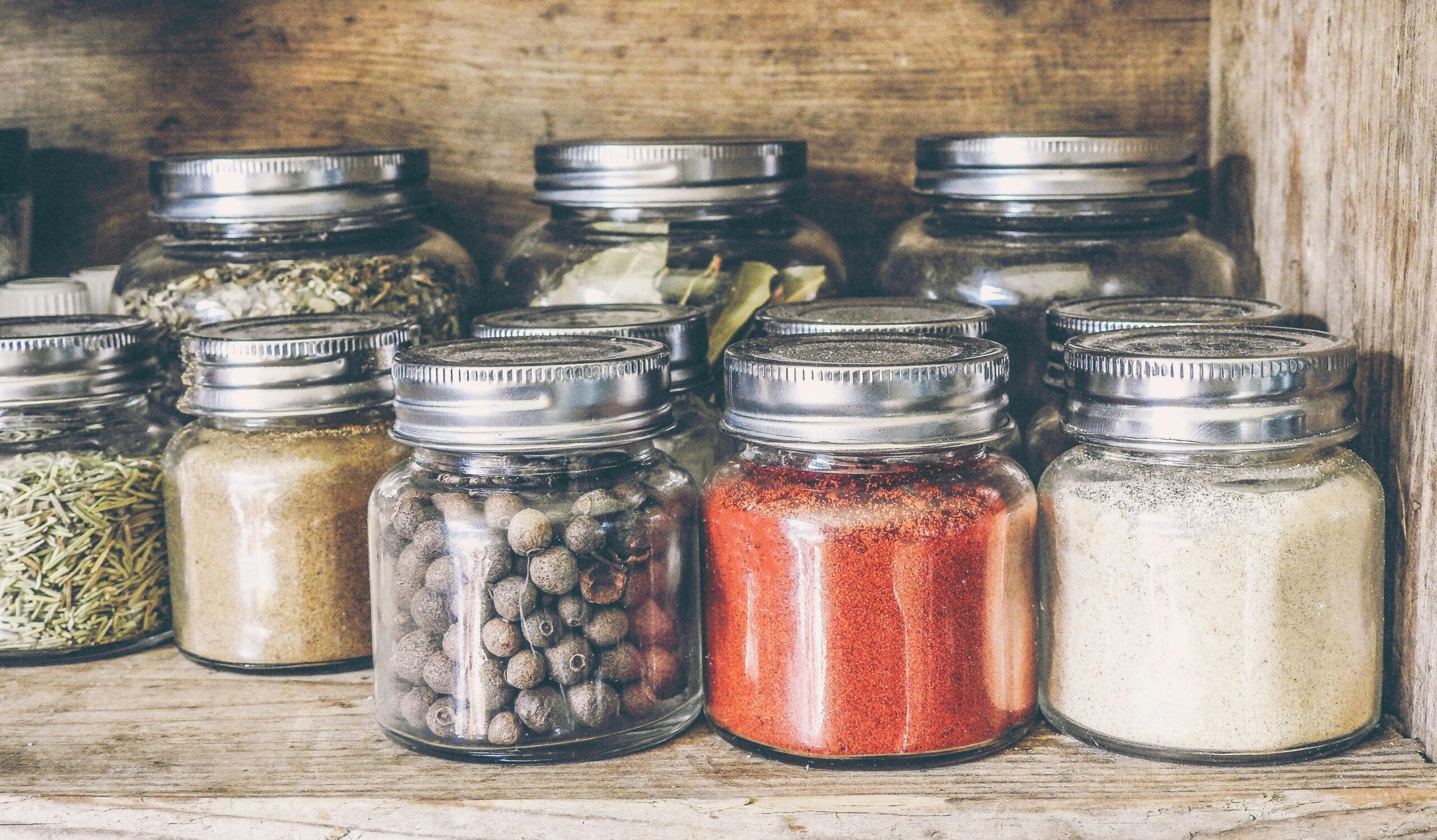
Building a diverse spice collection transforms simple ingredients into exciting meals. Turmeric, cumin, paprika, cinnamon, oregano, basil, and garlic powder should form your foundation. Fresh herbs like cilantro, parsley, and basil add brightness to finished dishes.
Apple cider vinegar, balsamic vinegar, and rice vinegar provide acidity and depth. Tamari or coconut aminos offer umami flavor with less sodium than regular soy sauce. Keep mustard, hot sauce, and quality sea salt for seasoning flexibility.
Beverages That Hydrate and Nourish ☕
What you drink impacts your health as significantly as what you eat. Prioritize beverages that hydrate without adding excessive sugar or empty calories.
Water should be your primary beverage—consider a quality water filter if tap water taste concerns you. Herbal teas provide hydration with antioxidants and soothing properties. Green tea and black tea offer caffeine plus beneficial compounds that support metabolism and focus.
Coffee in moderation provides antioxidants and can be part of a healthy routine. Skip sugary creamers and excessive sweeteners, opting instead for small amounts of milk or plant-based alternatives. Coconut water offers natural electrolytes for post-workout hydration.
Avoid sugary sodas, fruit juices with added sugars, and energy drinks loaded with artificial ingredients. If you enjoy sparkling beverages, choose unsweetened sparkling water with natural fruit essence.
Creating Your Personalized Shopping List
Now that you understand the categories, create a master grocery checklist tailored to your preferences, dietary needs, and household size. Organize it by store sections to make shopping efficient.
Start with produce, listing your favorite vegetables and fruits. Move to proteins, selecting both animal and plant options if you eat omnivorous meals. Include whole grains and complex carbohydrates that you actually enjoy eating. Add healthy fats, dairy or alternatives, and pantry staples.
Keep this master list on your phone or printed in your kitchen. Before each shopping trip, review what you have and check off items you need. This system prevents overbuying, reduces food waste, and ensures you always have ingredients for nutritious meals.
Shopping Strategies for Success 🛒
Having a great list is only part of the equation. How you shop matters too. Never grocery shop hungry—this leads to impulse purchases of less healthy options. Eat a nutritious snack before heading to the store.
Shop the perimeter first, where fresh whole foods typically reside. Venture into center aisles only for specific pantry items on your list. Read nutrition labels carefully, checking serving sizes, added sugars, sodium content, and ingredient lists.
Choose foods with short ingredient lists containing items you recognize and could find in your own kitchen. Avoid products where sugar appears in the first three ingredients or shows up multiple times under different names.
Consider batch shopping for pantry staples to reduce trip frequency. Buy fresh produce more frequently in smaller quantities to maintain freshness and prevent waste. Frozen vegetables and fruits provide nutrition and convenience without spoilage concerns.
Meal Planning Makes Your Checklist Work
Your grocery checklist becomes exponentially more effective when combined with basic meal planning. You don’t need elaborate plans—simply thinking ahead about a few meals prevents decision fatigue and food waste.
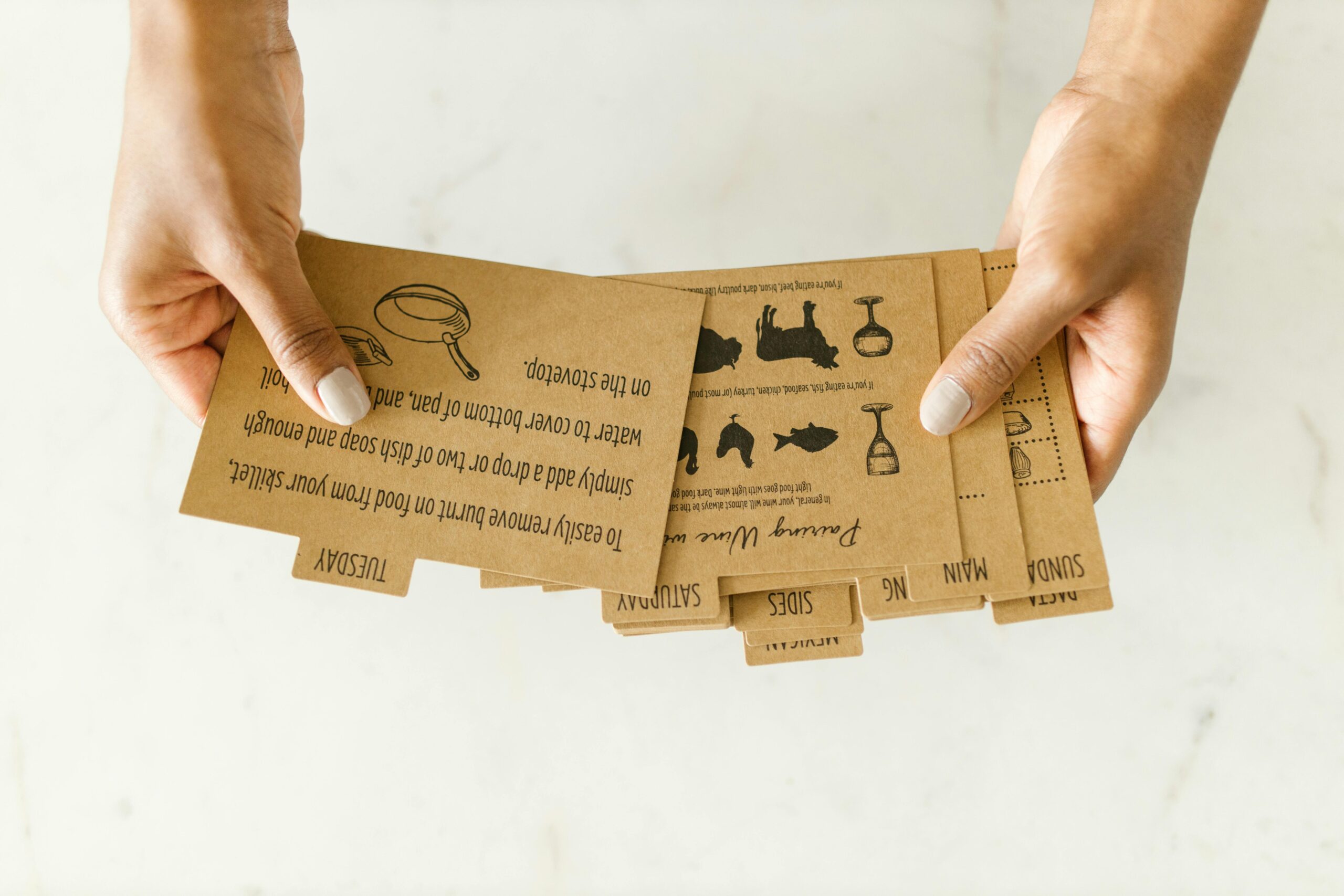
Dedicate 15 minutes weekly to planning main meals. Consider your schedule and choose recipes accordingly—slow cooker meals for busy days, quick stir-fries when time allows, and prep-ahead options for packed lunches. Build your grocery list directly from these planned meals.
Embrace flexible meal planning where you prepare components rather than complete dishes. Cook a large batch of quinoa, roast several types of vegetables, and prepare protein sources. Mix and match throughout the week for varied meals with minimal additional effort.
Budget-Friendly Nutrition Shopping Tips 💰
Healthy eating doesn’t require breaking the bank. Strategic shopping keeps nutrition high while costs remain reasonable. Buy seasonal produce when prices drop and flavors peak. Frozen vegetables and fruits cost less while maintaining nutritional value.
Purchase dried beans and legumes in bulk rather than canned versions. The time investment for cooking is minimal, especially with pressure cookers or slow cookers. Buy whole chickens and break them down yourself, or purchase larger cuts of meat and portion them at home.
Store brands often match name-brand quality for basic items like oats, rice, frozen vegetables, and canned goods. Compare unit prices rather than package prices to identify true bargains. Join store loyalty programs for personalized discounts on items you regularly purchase.
Reduce meat portions slightly and increase plant-based proteins and vegetables. This approach improves both health outcomes and grocery budgets while supporting environmental sustainability.
Adapting Your Checklist for Dietary Preferences
Your personal grocery checklist should reflect your specific dietary approach, whether vegetarian, vegan, paleo, keto, Mediterranean, or another eating style. The fundamental principles of choosing whole, minimally processed foods apply across all healthy eating patterns.
Vegetarians focus more heavily on legumes, eggs, dairy, and plant proteins. Vegans emphasize diverse plant proteins, fortified foods, and potentially supplements like B12. Paleo followers prioritize vegetables, quality meats, fish, nuts, and seeds while avoiding grains and legumes.
Those following ketogenic approaches load up on low-carb vegetables, quality fats, and proteins while minimizing starchy vegetables and grains. Mediterranean diet enthusiasts emphasize fish, olive oil, whole grains, legumes, and abundant vegetables with moderate dairy and wine.
Whatever your chosen approach, the ultimate simple grocery checklist should support your health goals, fit your lifestyle, and include foods you genuinely enjoy eating.
Transforming Shopping Into a Sustainable Habit 🌟
The ultimate goal isn’t perfection on a single shopping trip—it’s developing consistent habits that support long-term wellness. Start gradually, replacing a few processed items with whole food alternatives each week. Your palate adapts, and foods that once seemed bland become flavorful and satisfying.
Involve family members in meal planning and shopping. Children who help select produce and understand where food comes from develop healthier relationships with eating. Make grocery shopping a positive experience rather than a rushed chore.
Track how you feel as your diet improves. Notice energy levels, sleep quality, mood stability, and physical changes. These positive reinforcements motivate continued commitment to nutritious shopping and eating patterns.
Remember that occasional deviations from your ideal checklist don’t derail progress. Life happens, schedules get hectic, and sometimes convenience matters more than perfection. What counts is the overall pattern of choices you make consistently over time.
Your grocery checklist represents the foundation of your nutritional success. When you master your meals through strategic shopping, you invest in your health, energy, and longevity. This simple tool empowers you to take control of your diet without complicated rules or restrictive plans. Start building your ultimate grocery checklist today, and watch how this practical approach transforms your meals, your body, and your relationship with food into something truly nourishing and sustainable.