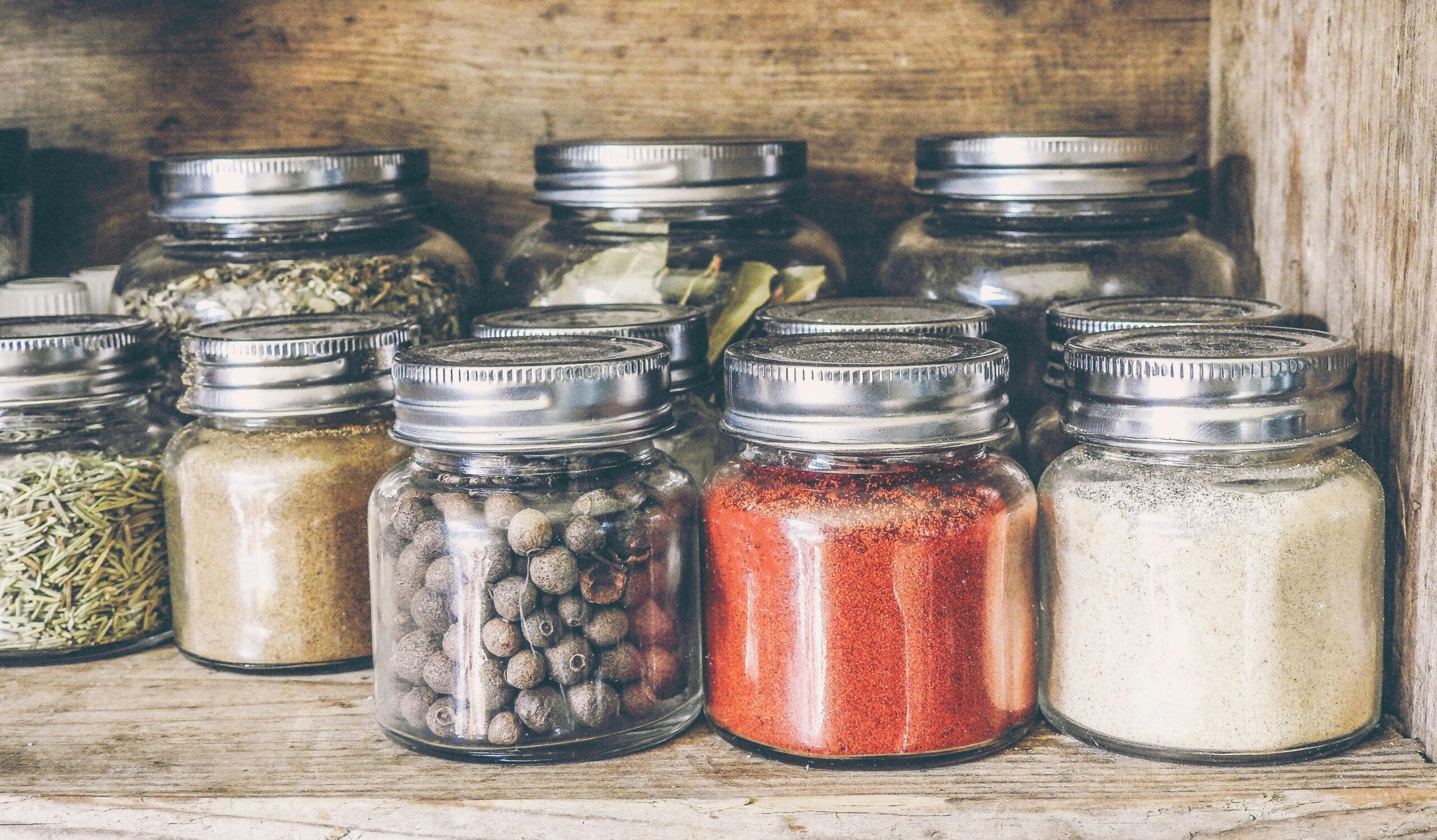
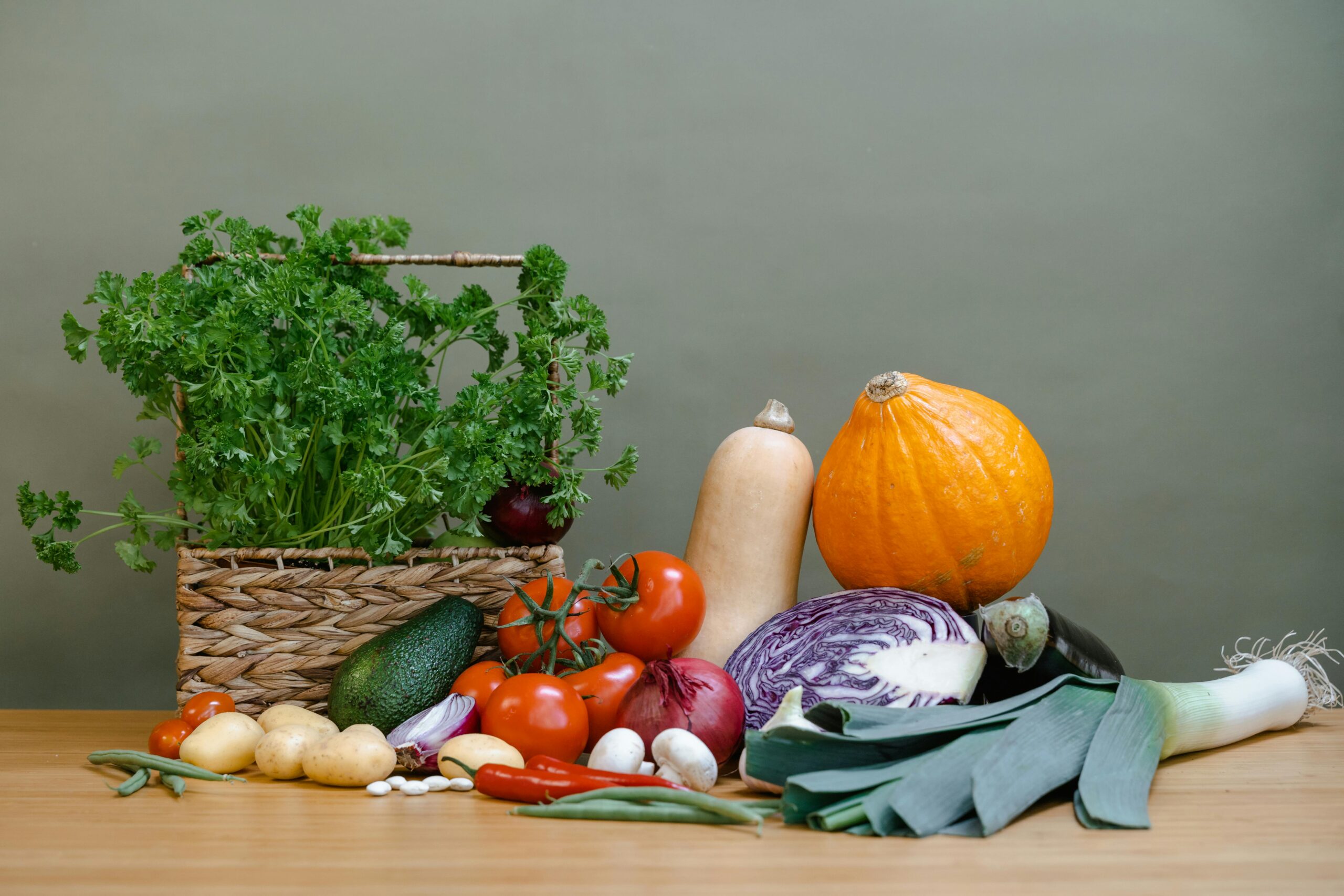
Imagine walking through a farmers market where every stall bursts with nature’s palette—crimson tomatoes, golden squash, deep purple eggplants, and emerald greens. This rainbow of produce isn’t just visually stunning; it’s your ticket to optimal health and vitality.

The colors in fruits and vegetables aren’t merely decorative. Each hue represents different phytonutrients, antioxidants, and beneficial compounds that work synergistically to protect your body from disease, boost immunity, and enhance overall wellness. By embracing a colorful approach to eating, you’re not just feeding your body—you’re nourishing it with nature’s most powerful medicine.
🌈 Understanding the Science Behind Colorful Eating
The vibrant colors in plant foods come from specific compounds called phytochemicals. These natural substances have evolved over millions of years to protect plants from environmental stressors, and when we consume them, they offer similar protective benefits to our bodies. Red fruits and vegetables contain lycopene and anthocyanins, orange and yellow produce is rich in carotenoids, greens offer chlorophyll and lutein, while blues and purples provide powerful antioxidants.
Research consistently shows that people who consume a diverse array of colorful fruits and vegetables have lower rates of chronic diseases including heart disease, diabetes, certain cancers, and cognitive decline. The key isn’t just eating more vegetables—it’s eating a wider variety of colors throughout the week.
🍎 The Red Revolution: Power-Packed Crimson Foods
Red fruits and vegetables are nutritional powerhouses that deserve a prominent place on your plate. The pigments responsible for their brilliant hue—lycopene, anthocyanins, and ellagic acid—offer remarkable health benefits that extend far beyond basic nutrition.
Top Red Choices for Your Checklist
Tomatoes lead the red category as one of the richest sources of lycopene, an antioxidant linked to reduced prostate cancer risk and cardiovascular health. Whether fresh, cooked, or in sauce form, tomatoes should appear regularly in your meal rotation. Interestingly, cooking tomatoes actually increases lycopene bioavailability, making that marinara sauce even more beneficial.
Red bell peppers contain more vitamin C than oranges, along with beta-carotene and other carotenoids that support eye health and immune function. Their sweet, crisp texture makes them perfect for raw snacking, roasting, or adding to stir-fries. Strawberries, watermelon, raspberries, and cherries round out the red family, each offering unique polyphenols and fiber that support gut health and reduce inflammation.
Don’t overlook red onions, radishes, and red cabbage—these pungent vegetables contain quercetin and other flavonoids that have potent anti-inflammatory and antimicrobial properties. Red beets deserve special mention for their high nitrate content, which converts to nitric oxide in the body, supporting healthy blood pressure and athletic performance.
🥕 Orange and Yellow: Sunshine on Your Plate
Orange and yellow produce gets its cheerful color from carotenoids, particularly beta-carotene, which converts to vitamin A in the body. These sunny foods support vision health, skin integrity, immune function, and cellular communication.
Essential Orange and Yellow Vegetables
Carrots remain the quintessential orange vegetable, packed with beta-carotene and fiber. Sweet potatoes offer similar benefits with added resistant starch that feeds beneficial gut bacteria. Winter squashes like butternut and acorn squash provide satisfying texture and natural sweetness alongside impressive nutrient density.
Yellow bell peppers, golden beets, and yellow summer squash add variety and subtle flavor differences. Corn, despite its reputation as a starchy vegetable, contains valuable antioxidants including lutein and zeaxanthin that specifically protect eye health. Orange cauliflower and yellow tomatoes offer familiar textures with unique nutritional profiles.
Citrus and Tropical Fruits
Oranges, tangerines, grapefruits, and lemons provide not just vitamin C but also hesperidin and other citrus bioflavonoids that enhance the absorption and effectiveness of vitamin C. Pineapple contains bromelain, an enzyme with anti-inflammatory properties. Mangoes, papayas, and golden kiwis bring tropical flair alongside digestive enzymes and unique antioxidant compounds.
🥬 Go Green: The Foundation of Plant-Based Nutrition
Green vegetables often form the backbone of healthy eating patterns, and for good reason. Their chlorophyll content indicates high levels of vitamins K, C, E, and many B vitamins, along with minerals like iron, calcium, and magnesium. Green produce also tends to be particularly rich in folate, crucial for DNA synthesis and cellular function.
Leafy Greens: Your Daily Non-Negotiables
Spinach, kale, collard greens, Swiss chard, and romaine lettuce should rotate through your weekly menu. Each offers a slightly different nutrient profile—kale excels in vitamin K and calcium, spinach provides iron and folate, while Swiss chard offers impressive magnesium content. Mixed greens ensure you capture the full spectrum of benefits.
Arugula, watercress, and mustard greens bring peppery flavors along with glucosinolates—sulfur-containing compounds that support detoxification pathways. These bitter greens stimulate digestive function and may offer particular protection against certain cancers.
Cruciferous and Other Green Vegetables
Broccoli, Brussels sprouts, and green cabbage contain sulforaphane and indole-3-carbinol, compounds extensively researched for their cancer-preventive properties. Green beans, snap peas, edamame, and other legumes add plant protein alongside their phytonutrients. Asparagus provides prebiotic fiber and unique antioxidants, while celery offers hydration and beneficial plant compounds despite its low calorie count.
Don’t forget green fruits—avocados provide healthy monounsaturated fats and fiber, green apples offer pectin and polyphenols, while kiwis pack more vitamin C per serving than most citrus fruits. Honeydew melon and green grapes add refreshing variety to the category.
💜 Blue and Purple: The Antioxidant All-Stars
Purple and blue produce contains some of the highest concentrations of antioxidants found in the plant kingdom. Anthocyanins give these foods their distinctive color and provide powerful neuroprotective, anti-inflammatory, and cardiovascular benefits.
Berry Brilliant Choices
Blueberries have earned superfood status through numerous studies linking them to improved memory, cognitive function, and reduced risk of age-related decline. Blackberries offer similar benefits with even higher fiber content. Açai berries, though often consumed in processed forms, provide concentrated antioxidants when sourced properly.
Purple grapes and their concentrated form—red wine—contain resveratrol, though whole grapes provide the benefits without alcohol’s drawbacks. Black currants, elderberries, and mulberries are less common but exceptionally nutrient-dense options worth seeking out.
Purple Vegetables Worth Celebrating
Purple cabbage contains significantly more antioxidants than its green counterpart and adds beautiful color to slaws and salads. Eggplant skin is particularly rich in nasunin, an anthocyanin that protects cell membranes. Purple sweet potatoes offer a nutritional upgrade over orange varieties with additional antioxidant capacity.
Purple cauliflower, purple carrots, and purple asparagus provide familiar textures with enhanced phytonutrient profiles. These colorful varieties aren’t just trendy—they represent concentrated nutrition in visually stunning packages.
🤍 White and Tan: The Underappreciated Essentials
While they may lack vibrant color, white and tan produce shouldn’t be overlooked. These foods often contain powerful compounds including allicin, quercetin, and other flavonoids that support immune function and cardiovascular health.
Garlic and onions contain organosulfur compounds with antimicrobial, anti-inflammatory, and potentially anti-cancer properties. Cauliflower provides glucosinolates similar to other cruciferous vegetables. Mushrooms offer unique benefits including vitamin D (when exposed to sunlight), selenium, and beta-glucans that modulate immune function.
White potatoes, despite nutritional controversies, provide potassium, vitamin C, and resistant starch when cooked and cooled. Parsnips, turnips, and jicama add variety with different flavor profiles and nutrient contributions. Bananas, though yellow when ripe, offer potassium, prebiotic fiber, and quick energy.
📋 Creating Your Personal Rainbow Checklist
The most effective approach to colorful eating involves systematic variety rather than random selection. Creating a personalized checklist helps ensure you’re capturing the full spectrum of phytonutrients throughout each week.
Weekly Color Goal Framework
Aim to consume at least 3-4 different colors daily and all colors within each week. Rather than obsessing over specific quantities, focus on variety—different colors at each meal, rotating your choices throughout the week, and trying new options regularly.
Consider dedicating different days to different color families, or create meals that intentionally incorporate rainbow variety. Buddha bowls, stir-fries, salads, and smoothies offer natural opportunities to combine multiple colors in single servings.
Seasonal Rotation Strategy
Eating seasonally naturally increases variety since different produce comes into peak availability throughout the year. Spring brings asparagus, peas, and early berries. Summer explodes with tomatoes, peppers, and stone fruits. Fall offers squashes, apples, and root vegetables. Winter provides citrus, hearty greens, and storage crops.
Shopping at farmers markets or joining a CSA (Community Supported Agriculture) program exposes you to varieties you might never encounter in conventional grocery stores, expanding your checklist organically.
🍽️ Practical Implementation Strategies
Knowledge without action remains theoretical. These practical strategies help translate colorful eating principles into daily habits that stick.
Shopping and Preparation Tips
Shop the perimeter of grocery stores where fresh produce is typically displayed. Fill your cart with at least one item from each color category during every shopping trip. Buy some items pre-washed and pre-cut when time is limited—convenience increases consumption.
Dedicate time weekly to washing, chopping, and storing vegetables in clear containers at eye level in your refrigerator. When healthy options are visible and ready to eat, you’re dramatically more likely to choose them. Keep a fruit bowl on your counter with a rotating selection of colorful options.
Cooking Methods That Preserve Nutrition
Different cooking methods affect nutrient retention differently. Raw consumption preserves heat-sensitive vitamins like C and certain B vitamins. Light steaming maintains most nutrients while improving digestibility. Roasting concentrates flavors and preserves fat-soluble nutrients. Quick sautéing offers a middle ground.
Some nutrients actually become more bioavailable with cooking—lycopene in tomatoes, beta-carotene in carrots, and various compounds in cruciferous vegetables. The solution isn’t choosing one method exclusively but varying your preparation techniques.
🥗 Creative Ways to Increase Vegetable and Fruit Intake
Meeting color variety goals becomes easier when you expand your culinary repertoire beyond basic salads and steamed vegetables.
Sneaky Incorporation Techniques
Blend spinach or kale into fruit smoothies where the fruit flavor dominates. Spiralize zucchini or carrots as pasta alternatives. Rice cauliflower to replace or extend grain portions. Puree vegetables into sauces, soups, and dips where they add nutrition and texture without overwhelming flavors.
Add finely chopped vegetables to ground meat dishes, omelets, and baked goods. Grate vegetables into casseroles and grain dishes. Use lettuce wraps instead of bread for sandwiches. These strategies work particularly well for picky eaters or those transitioning toward more plant-forward eating.
Flavor Enhancement Strategies
Many people struggle with vegetables because they’ve only experienced them prepared blandly. Proper seasoning transforms vegetables from obligation to celebration. Roast with olive oil and herbs. Sauté with garlic and lemon. Add nutritional yeast for savory, cheesy flavor without dairy. Experiment with different spice combinations from various cuisines.
Acidic ingredients like vinegar, citrus juice, and fermented foods brighten vegetable dishes. Healthy fats from nuts, seeds, avocado, and quality oils improve both flavor and nutrient absorption. A little sweetness from maple syrup or balsamic glaze can balance bitter greens.
📱 Tracking Your Colorful Progress
What gets measured gets managed. Tracking your fruit and vegetable variety helps identify patterns, celebrate successes, and recognize areas for improvement.
Simple paper checklists work perfectly well—create a weekly grid with color categories and check off items as you consume them. This visual representation provides immediate feedback on variety gaps. Digital options offer additional features like reminders, nutritional information, and long-term trend analysis.
Food tracking apps can help monitor your colorful eating patterns alongside other nutritional goals. While generic apps work, some specifically focus on vegetable and fruit variety, making color-tracking particularly convenient.
🌟 Beyond the Plate: Lifestyle Integration
Colorful eating represents one component of a holistic healthy lifestyle. The habits that support diverse produce consumption often align with other wellness practices.
Growing your own vegetables, even in small spaces with containers or a few raised beds, creates intimate connection with your food and naturally increases consumption. Visiting farmers markets becomes social recreation rather than mere shopping. Cooking transforms from chore to creative expression when working with beautiful, fresh ingredients.
Sharing colorful meals with family and friends reinforces positive habits through social connection. Teaching children about rainbow eating establishes lifelong patterns. Photographing particularly beautiful plates satisfies our visual nature while creating accountability.
🎯 Overcoming Common Obstacles
Even with best intentions, challenges arise. Budget constraints, time limitations, food deserts, picky family members, and ingrained habits all present real obstacles.
Budget-Friendly Rainbow Eating
Frozen vegetables and fruits offer comparable nutrition to fresh at lower cost with extended shelf life. In-season produce costs less and tastes better. Store brands provide identical nutrition to name brands. Buying whole produce and preparing it yourself dramatically reduces costs compared to pre-cut options.
Imperfect or “ugly” produce programs offer deep discounts on cosmetically challenged but nutritionally identical items. Growing sprouts at home provides fresh greens for pennies. Preserving seasonal abundance through freezing, canning, or dehydrating extends budget-friendly eating year-round.
Time Management Solutions
Batch cooking on weekends provides ready vegetables throughout the week. Sheet pan meals combine proteins and colorful vegetables with minimal effort. Slow cookers and pressure cookers simplify preparation. Pre-washed salad mixes eliminate washing time. Keeping a well-stocked selection means healthy options are always available.
💪 Measuring Your Health Transformation
Beyond the immediate satisfaction of eating delicious food, colorful eating produces measurable health improvements over time.
Many people report increased energy levels within days of expanding vegetable and fruit variety. Digestive improvements typically follow within weeks as fiber intake increases and gut microbiome diversity improves. Skin often becomes clearer and more radiant. Sleep quality may improve. Mood often stabilizes as nutrient deficiencies correct.
Longer-term benefits include improved blood pressure, cholesterol levels, blood sugar regulation, and inflammation markers. Weight management becomes easier as nutrient-dense, fiber-rich foods naturally crowd out less healthy options. Disease risk decreases across virtually all chronic conditions.
🚀 Taking Your First Colorful Steps Forward
Starting a colorful eating practice doesn’t require perfection or dramatic overnight changes. Small, consistent improvements compound over time into transformative results.
Begin by adding one new color to your typical routine this week. If you normally eat green salads, add red tomatoes or purple cabbage. If you snack on bananas, try adding berries. Notice which additions you enjoy most, then build on those successes. Gradually expand your comfort zone with new vegetables and preparation methods.
Remember that occasional meals without rainbow variety don’t negate your overall pattern. Progress, not perfection, drives lasting change. Each colorful meal nourishes your body, protects against disease, and moves you toward optimal health. Your plate is your most powerful tool for wellness—make it a masterpiece of natural color.
The journey toward vibrant health through colorful eating is both deeply personal and universally applicable. Your specific favorites, cultural food traditions, and individual needs will shape your unique approach. The fundamental principle remains constant: nature’s rainbow provides everything your body needs to thrive. Embrace the colors, enjoy the flavors, and watch your health transform one delicious meal at a time.