Packing a nutritious lunchbox for your child can be one of the most impactful decisions you make for their academic success and overall wellbeing. A well-balanced meal fuels both body and mind.

As parents and caregivers, we understand the morning rush and the challenge of creating meals that children will actually eat while ensuring they receive proper nutrition. The lunchbox you pack today directly influences your child’s concentration, energy levels, and ability to engage fully in classroom activities. Research consistently shows that children who eat balanced meals perform better academically, have improved behavior, and maintain steadier energy throughout the day.
🎯 Understanding Nutritional Needs for Growing Students
Children’s bodies and brains are in constant development, requiring a strategic mix of macronutrients and micronutrients. Unlike adults, kids need proportionally more calories per pound of body weight to support their rapid growth and high activity levels. A power-packed lunchbox should deliver approximately one-third of their daily nutritional requirements.
The ideal school lunch combines complex carbohydrates for sustained energy, lean proteins for muscle development and satiety, healthy fats for brain function, and colorful fruits and vegetables loaded with vitamins and minerals. When these elements work together, children experience fewer energy crashes, improved focus during afternoon classes, and better mood regulation.
The Building Blocks of a Balanced Lunchbox
Every successful lunchbox contains four essential components working in harmony. Complex carbohydrates from whole grains provide the glucose that fuels brain activity. Proteins from lean meats, legumes, or dairy products keep hunger at bay and support cognitive function. Healthy fats from nuts, seeds, or avocados aid in nutrient absorption and brain development. Finally, fruits and vegetables deliver vital micronutrients and fiber for digestive health.
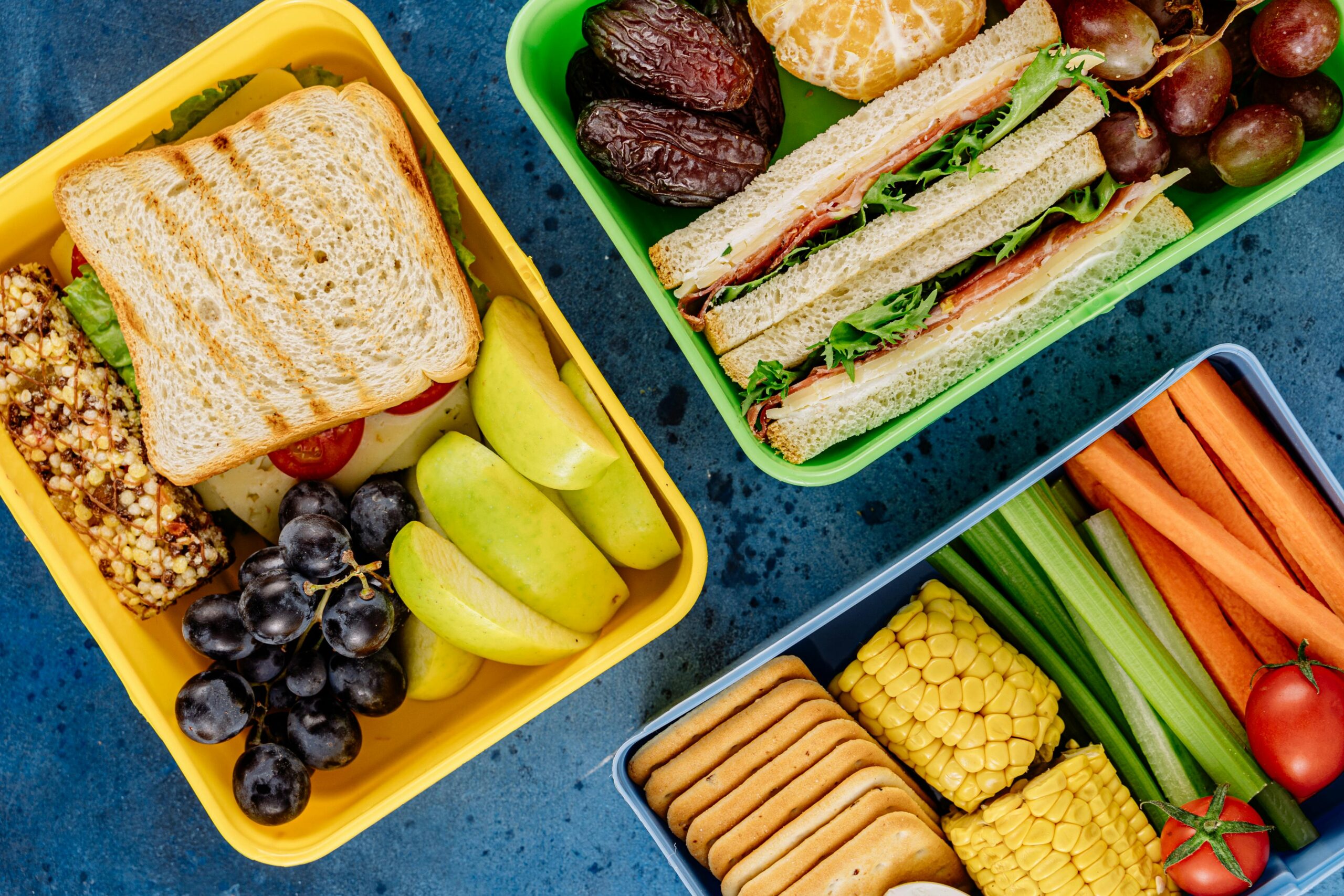
Portion sizes matter significantly. Elementary school children typically need smaller portions than middle or high school students. A useful guideline involves using a compartmented lunchbox where each section naturally limits serving sizes while ensuring variety. This visual approach helps both parents during packing and children during consumption.
🍎 Creative Protein-Packed Lunchbox Ideas
Protein serves as the cornerstone of energy sustainability throughout the school day. Moving beyond the standard sandwich opens up exciting possibilities that keep children interested in their meals. Turkey and cheese roll-ups with whole grain crackers offer portable protein without bread fatigue. Hard-boiled eggs sprinkled with everything bagel seasoning provide complete protein in a convenient package.
Greek yogurt parfaits layered with granola and fresh berries deliver both protein and probiotics for gut health. For vegetarian families, chickpea salad made with avocado mayo and served with pita chips creates a satisfying alternative to traditional chicken salad. Hummus paired with colorful vegetable sticks and whole grain crackers combines plant-based protein with fiber-rich vegetables.
Power-Up Protein Combinations That Kids Love
Mini meatballs made with lean ground turkey and hidden vegetables can be served cold with marinara dipping sauce. Cheese cubes paired with whole grain crackers and grapes create a simple bistro box that children find exciting. Nut butter energy balls rolled in coconut or chia seeds provide concentrated protein and healthy fats in bite-sized portions.
Tuna salad served in cucumber boats eliminates bread while adding hydrating vegetables. Leftover grilled chicken strips with honey mustard dipping sauce transform dinner into an appealing lunch. Edamame pods lightly salted offer a fun, interactive protein source that many children enjoy shelling themselves.
🥗 Whole Grain Champions for Sustained Energy
Complex carbohydrates from whole grains release energy slowly, preventing the sugar crashes associated with refined grains. Whole wheat pasta salad with cherry tomatoes, mozzarella pearls, and Italian dressing creates a satisfying cold lunch. Brown rice sushi rolls filled with cucumber, avocado, and cooked salmon introduce international flavors while delivering whole grain benefits.
Whole grain wraps filled with hummus, shredded carrots, lettuce, and turkey provide portable nutrition that travels well. Quinoa salads mixed with black beans, corn, and lime vinaigrette offer complete protein alongside complex carbohydrates. Oatmeal energy bars made at home allow control over sugar content while providing sustained fuel.
Beyond Basic Bread: Innovative Grain Options
Whole grain pita pockets stuffed with falafel and cucumber yogurt sauce bring Middle Eastern flavors to the lunchbox. Rice paper rolls filled with shrimp, rice noodles, and fresh herbs create a light yet satisfying option. Whole grain tortilla pinwheels with cream cheese and deli meat slice into colorful spirals that appeal visually to children.
Buckwheat noodles tossed with sesame dressing and shredded vegetables offer an Asian-inspired alternative. Whole grain English muffin pizzas assembled cold and eaten at room temperature satisfy pizza cravings healthfully. Ancient grains like farro or bulgur mixed with roasted vegetables create texture-rich salads that older children particularly appreciate.
🥕 Fruit and Vegetable Strategies That Actually Work
Getting children to eat produce requires creativity and persistence. Rainbow vegetable skewers with ranch dipping sauce make vegetables interactive and fun. Apple slices prevented from browning with lemon juice and paired with almond butter provide natural sweetness and healthy fats together.
Frozen grapes become nature’s candy, especially welcomed on warm days. Bell pepper strips in various colors offer crunchy sweetness that many children prefer over leafy greens. Cherry tomatoes paired with mini mozzarella balls create a caprese experience that feels special rather than obligatory.
Sneaky Ways to Increase Produce Intake
Smoothies packed in insulated containers deliver concentrated nutrition in drinkable form. Blending spinach with mango, banana, and orange juice creates a bright green drink that tastes tropical. Zucchini and carrot muffins made with whole wheat flour disguise vegetables within beloved baked goods.
Fruit kabobs arranged in rainbow order transform ordinary fruit into an artistic creation. Vegetable muffins using pureed butternut squash or sweet potato add nutrition to grain-based items. Homemade fruit leather made from pureed berries provides natural sweetness without added sugars.
🧀 Dairy and Calcium-Rich Alternatives
Calcium supports bone development during crucial growth years, making dairy or fortified alternatives essential. String cheese offers portion-controlled calcium in kid-friendly packaging. Yogurt tubes that can be frozen and thaw by lunchtime provide both nutrition and a cooling element.
Cottage cheese topped with pineapple chunks or cherry tomatoes delivers protein and calcium together. For lactose-intolerant children, fortified soy or almond milk in small boxes ensures calcium intake. Cheese quesadilla triangles made with whole grain tortillas provide familiar comfort food with nutritional benefits.
💧 Hydration Heroes Beyond Plain Water
Proper hydration dramatically impacts concentration and energy levels throughout the school day. While water remains the gold standard, adding variety encourages adequate fluid intake. Infused water with cucumber, lemon, or berries adds subtle flavor without sugar. Coconut water provides natural electrolytes for particularly active children.
Herbal iced teas made without added sweeteners offer flavor variety. Homemade smoothies deliver both hydration and nutrition simultaneously. Avoid sugary juice boxes and sodas that cause energy spikes and crashes counterproductive to learning.
🎨 Presentation Matters: Making Lunch Visually Appealing
Children eat with their eyes first, making presentation a powerful tool. Compartmented bento boxes create visual interest through separation and variety. Cookie cutters transform sandwiches, cheese slices, and watermelon into fun shapes that children find irresistible.
Colorful silicone cups separate different foods while adding brightness to the lunchbox. Food picks with fun toppers make ordinary items feel special. Including a small note or drawing from home adds emotional nourishment alongside physical nutrition.
The Rainbow Plate Approach
Encouraging children to “eat the rainbow” ensures diverse nutrient intake. Red tomatoes and strawberries provide vitamin C and lycopene. Orange carrots and cantaloupe deliver beta-carotene for eye health. Yellow bell peppers and pineapple offer additional vitamin C. Green broccoli and kiwi provide folate and fiber. Blue and purple options like blueberries and grapes contain powerful antioxidants.
⏰ Meal Prep Strategies for Busy Mornings
Sunday afternoon meal preparation transforms hectic weekday mornings into manageable routines. Washing and cutting vegetables once weekly saves precious morning minutes. Preparing grain salads in bulk provides ready-to-pack options. Baking multiple batches of healthy muffins or energy bars creates grab-and-go solutions.
Involving children in meal prep increases their investment in eating what’s packed. Elementary-aged children can wash produce and assemble simple items. Older children can prepare entire lunch components independently. This involvement teaches life skills while ensuring they’ll actually eat what’s packed.
🌡️ Food Safety Essentials for School Lunches
Proper food safety prevents illness and ensures optimal nutrition. Insulated lunch bags with ice packs keep perishable items at safe temperatures. Foods should remain below 40°F until consumption. Alternatively, frozen items like yogurt tubes or water bottles can act as ice packs while providing cold items later.
Teaching children proper food handling includes washing hands before eating and not sharing certain foods. Clearly label any items containing common allergens if lunches might be shared. Regularly clean lunch boxes and containers thoroughly to prevent bacterial growth.
🚫 Navigating School Allergy Policies and Restrictions
Many schools maintain nut-free policies due to severe allergy risks. Sunflower seed butter provides an excellent alternative to peanut or almond butter. Pumpkin seeds offer similar nutritional benefits to tree nuts. Always verify your school’s specific policies regarding allergens and adjust accordingly.
Creating a list of school-safe proteins and snacks prevents morning confusion. Seed-based energy balls, cheese, yogurt, and hummus become go-to options in nut-free environments. Communication with teachers about policies ensures compliance and community safety.
💰 Budget-Friendly Nutritious Lunch Solutions
Nutritious lunches don’t require expensive ingredients or specialty items. Buying produce in season significantly reduces costs while maximizing freshness. Preparing items from scratch rather than purchasing pre-packaged options saves money and reduces additives. Eggs provide extremely affordable complete protein. Dried beans cooked in bulk offer budget-friendly plant-based protein.
Shopping sales and stocking up on non-perishable staples when prices drop stretches budgets further. Store brands often match name brands nutritionally at lower costs. Growing simple items like cherry tomatoes or herbs reduces produce expenses while teaching children about food origins.
🌟 Addressing Picky Eaters With Strategic Solutions
Picky eating challenges many families, but strategic approaches gradually expand accepted foods. The “one bite rule” encourages trying new items without pressure. Pairing unfamiliar foods with established favorites creates positive associations. Repeated exposure without force eventually increases acceptance for most children.
Involving picky eaters in menu planning and preparation increases willingness to try new items. Offering choices between two healthy options provides autonomy while maintaining nutritional standards. Keeping mealtime positive and pressure-free prevents food battles that worsen pickiness.
📱 Leveraging Technology for Meal Planning Success
Several apps help streamline lunchbox planning and preparation. Meal planning applications organize recipes, generate shopping lists, and track nutritional information. Many allow saving favorite combinations for easy rotation throughout the school year.
🎓 Age-Appropriate Lunch Progression
Nutritional needs and preferences evolve as children grow. Preschoolers require smaller portions and softer textures they can manage independently. Elementary students appreciate variety and fun presentations that make lunch feel special. Middle schoolers often need larger portions to fuel growth spurts and increased activity.
High school students benefit from portable options they can eat quickly between activities. Teenagers increasingly appreciate sophisticated flavors and international cuisines. Adjusting lunchbox contents to match developmental stages ensures continued success throughout school years.
🔄 Building Sustainable Lunchbox Routines
Establishing consistent routines transforms lunch packing from daily stress into manageable habit. Creating a weekly menu plan eliminates morning decision fatigue. Maintaining a well-stocked pantry with lunch staples prevents last-minute scrambling. Designating specific containers for specific food types streamlines the packing process.
Teaching children to pack their own lunches gradually transfers responsibility while building life skills. Starting with simple choices and increasing complexity as competence grows creates independent young adults. This gradual release model benefits both parents and children long-term.
✨ The Long-Term Impact of Nutritious School Lunches
The investment in thoughtful lunch preparation extends far beyond individual school days. Children who consistently eat balanced meals develop healthier relationships with food. They learn to recognize hunger and fullness cues rather than eating emotionally. These patterns established during childhood often persist into adulthood.
Academic performance improvements from proper nutrition create positive feedback loops. Children who focus better receive more positive reinforcement, increasing their engagement and confidence. Physical health benefits include stronger immune systems, healthier weights, and reduced chronic disease risk later in life.
The time spent creating nutritious, appealing lunches represents an investment in your child’s immediate wellbeing and future success. Each thoughtfully packed lunchbox sends a powerful message of love and care that nourishes both body and spirit. By implementing these strategies consistently, you’re setting the foundation for healthy habits that will serve your children throughout their lives. Start with small changes, involve your children in the process, and celebrate the positive impacts you’ll undoubtedly observe in their energy, focus, and overall school experience.