Batch cooking has revolutionized how busy families and professionals approach meal planning, but even the most enthusiastic home cooks can stumble into common pitfalls that turn this time-saving strategy into a stressful chore.

Whether you’re new to meal prep or looking to refine your system, understanding what can go wrong—and how to fix it—makes all the difference between kitchen chaos and a freezer full of delicious, ready-to-eat meals that actually get enjoyed.
🍳 The Overcomplicated Recipe Trap
One of the biggest mistakes people make when starting batch cooking is choosing recipes that are too complex or require specialized techniques. When you’re preparing multiple dishes simultaneously, intricate recipes with lengthy ingredient lists become overwhelming quickly.
The simple fix is to start with straightforward recipes that share common ingredients. Choose dishes with similar cooking methods—all roasted, all stovetop, or all slow-cooked—so you can work efficiently without constantly switching between techniques and equipment.
Focus on recipes with five to ten ingredients maximum during your initial batch cooking sessions. As you become more comfortable with the process, you can gradually introduce more elaborate dishes. Remember, the goal is sustainability, not culinary perfection on your first attempt.
Building Your Foundation Recipe Collection
Create a core collection of ten to fifteen reliable recipes that your family enjoys and that reheat well. Include a mix of proteins, vegetarian options, and versatile components like grains and roasted vegetables that can be mixed and matched throughout the week.
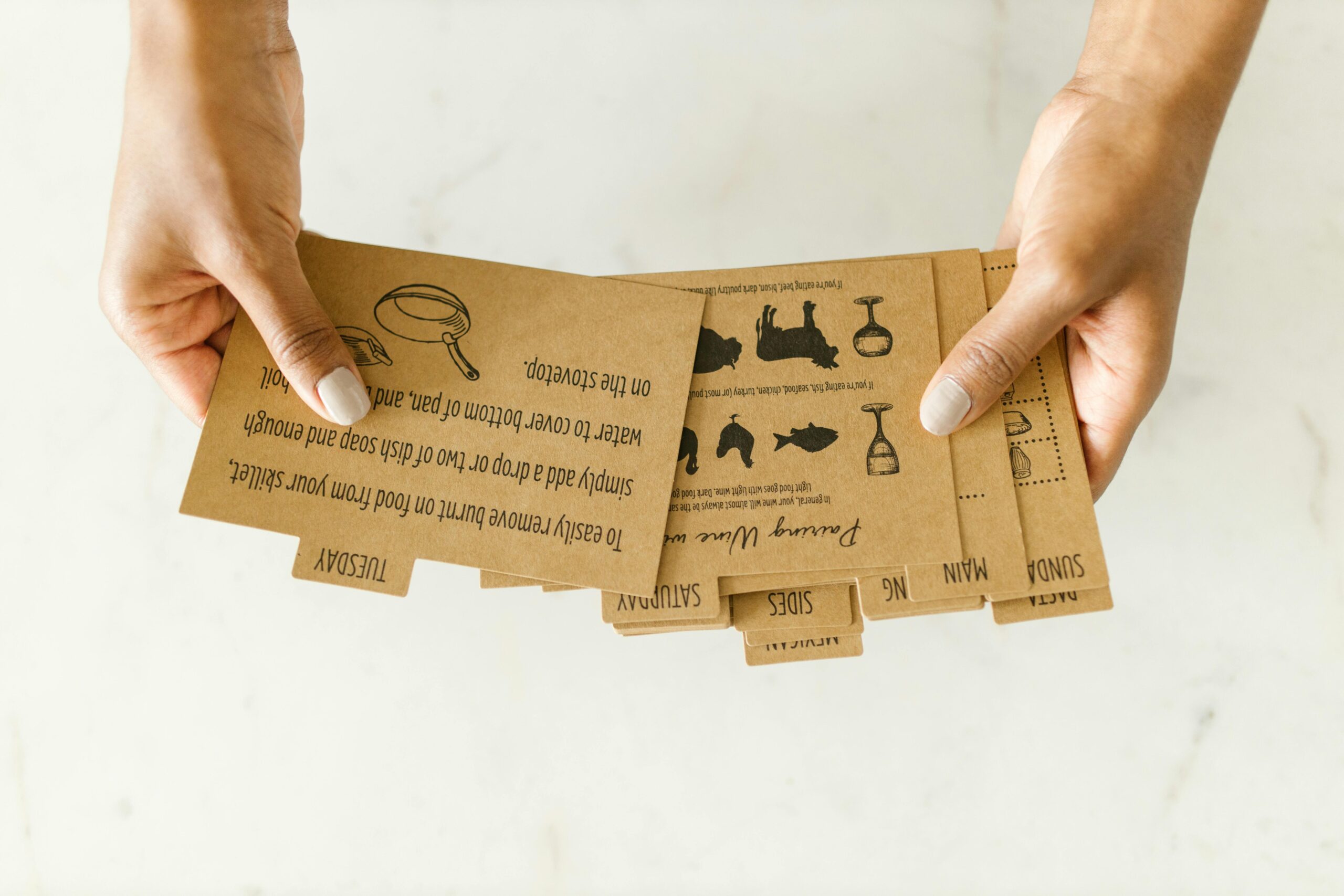
Document these recipes with notes about cooking times, storage methods, and reheating instructions. This personalized cookbook becomes your batch cooking bible, eliminating the stress of decision-making during prep sessions.
❄️ Poor Storage and Labeling Practices
Nothing derails batch cooking success faster than opening your freezer to find mystery containers with unidentifiable contents and no dates. Poor storage practices lead to freezer burn, wasted food, and the frustration of not knowing what you actually have available.
Invest in quality, freezer-safe containers in various sizes. Glass containers with airtight lids work wonderfully for refrigerated meals, while BPA-free plastic containers or heavy-duty freezer bags are perfect for long-term freezer storage.
The labeling system matters tremendously. Use masking tape or freezer labels to mark each container with the dish name, preparation date, and reheating instructions. Include any components that need to be added fresh, like cheese or herbs, to maintain optimal texture and flavor.
The Cooling Down Mistake
Many batch cooks make the error of immediately sealing hot food in containers, which creates condensation, promotes bacterial growth, and affects texture quality. Allow cooked food to cool at room temperature for about thirty minutes before refrigerating or freezing.
For faster cooling, divide large batches into smaller portions and spread them in shallow containers. This reduces cooling time and helps food reach safe temperatures more quickly, maintaining food safety standards while preserving quality.
🥘 Ignoring Texture and Reheating Compatibility
Not all dishes freeze and reheat equally well, yet many beginners batch cook everything without considering how ingredients will hold up over time. Foods with high water content, cream-based sauces, and certain vegetables can become mushy or separated after freezing.
Pasta, for instance, continues absorbing liquid during storage and becomes soggy. The solution is to slightly undercook pasta intended for batch cooking, or store sauce separately from pasta and combine them during reheating.
Avoid batch cooking dishes with ingredients like lettuce, cucumbers, hard-boiled eggs, or cream-based sauces unless you plan to consume them within two days. Instead, focus on freeze-friendly options like soups, stews, casseroles, and marinated proteins.
Strategic Ingredient Additions
Reserve certain ingredients to add fresh when serving. Keep cheese, fresh herbs, crunchy toppings, and delicate vegetables separate, adding them after reheating. This simple strategy dramatically improves the eating experience and makes batch-cooked meals taste freshly prepared.
Consider partially cooking certain dishes. Brown ground meat and freeze it seasoned but without added vegetables or sauce. This creates a versatile base that can become tacos, pasta sauce, or chili depending on what you add during final preparation.
⏰ Poor Time Management and Unrealistic Expectations
Perhaps the most discouraging blunder is attempting to prepare two weeks’ worth of elaborate meals in a single marathon session. This approach leads to exhaustion, kitchen disasters, and abandoning batch cooking altogether after the first attempt.
Start with a realistic goal of preparing just three to five meals during your first batch cooking session. Schedule two to three hours, not an entire day. As you develop systems and shortcuts, you’ll naturally become more efficient without forcing productivity.
Choose one day when you have the mental and physical energy for cooking. Many successful batch cooks prefer Sunday afternoons, but any consistent day works. Block this time on your calendar like any important appointment.
The Prep-First Philosophy
Before turning on a single burner, complete all your prep work. Chop vegetables, measure seasonings, and organize ingredients by recipe. This restaurant-style mise en place approach prevents mid-cooking scrambles and reduces overall cooking time significantly.
Use your oven efficiently by cooking multiple dishes simultaneously at similar temperatures. Roast vegetables on one rack while baking chicken on another. This strategic approach maximizes energy use and time investment.
🛒 Shopping Without a Strategic Plan
Wandering through the grocery store without a detailed list wastes time and money while creating ingredient gaps that derail your batch cooking plans. Disorganized shopping leads to forgotten items, duplicate purchases, and the temptation to buy unnecessary ingredients.
Create a master shopping list organized by store sections: produce, proteins, dairy, pantry staples, and frozen items. Review your batch cooking recipes and note exact quantities needed, accounting for recipes that share ingredients.
Shop sales and seasonal produce to reduce costs, but only if those items fit your planned recipes. A great deal on asparagus means nothing if none of your batch cooking recipes include it and you don’t have time to find new ones.
Building a Strategic Pantry
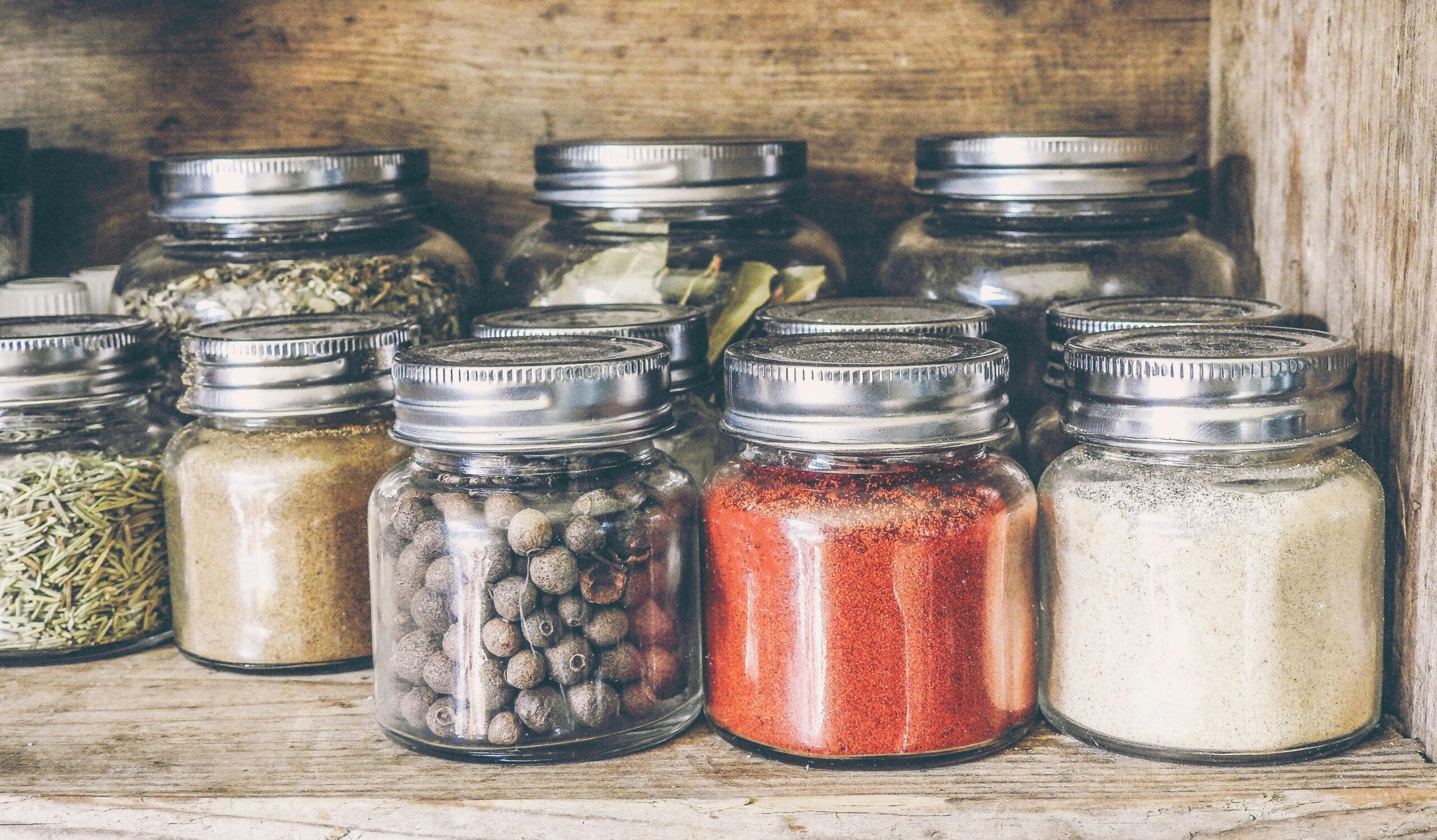
Maintain a well-stocked pantry with batch cooking essentials: various grains, canned tomatoes, beans, broths, oils, and a comprehensive spice collection. Having these foundations always available means you only need to shop for fresh proteins and produce each week.
Consider buying proteins in bulk when they’re on sale, then portioning and freezing them immediately. This creates a protein bank that reduces shopping frequency and provides flexibility when choosing weekly batch cooking recipes.
🔥 Kitchen Equipment Limitations
Attempting batch cooking without appropriate equipment creates unnecessary obstacles and safety hazards. You cannot efficiently prepare large quantities with undersized pots, insufficient storage containers, or inadequate cooling space.
Essential batch cooking equipment includes a large stockpot, several sheet pans, a quality chef’s knife, cutting boards, and sufficient storage containers. These investments pay for themselves quickly through reduced food waste and saved time.
Consider adding a slow cooker or Instant Pot to your arsenal. These appliances allow hands-off cooking while you prepare other components, effectively multiplying your productivity during batch cooking sessions.
Space Management Solutions
Clear adequate refrigerator and freezer space before starting your batch cooking session. Nothing is more frustrating than finishing meal prep with nowhere to store your creations. Remove expired items and reorganize to maximize available space.
If freezer space is limited, consider flat-freezing soups and stews in heavy-duty freezer bags. Once frozen solid, these bags stack efficiently like books, dramatically increasing storage capacity compared to rigid containers.
🍽️ Flavor Fatigue and Menu Monotony
Cooking large quantities of the same dish might seem efficient, but eating identical meals for ten days straight kills enthusiasm fast. This flavor fatigue causes people to abandon perfectly good batch-cooked meals in favor of takeout or convenience foods.
The solution involves strategic variety within efficiency. Choose recipes from different cuisines—Italian, Mexican, Asian, and American comfort foods—so your weekly menu offers diversity without requiring completely different ingredients for each dish.
Prepare versatile components rather than complete meals. Batch cook plain grilled chicken, seasoned ground beef, roasted vegetables, and cooked grains. Mix these components differently throughout the week with varied sauces and seasonings for substantially different eating experiences.
The Power of Sauce Variety
One protein or grain base transforms into multiple distinct meals through different sauces and toppings. Grilled chicken becomes teriyaki bowls, chicken tacos, or Mediterranean salads depending on accompaniments. This approach maximizes efficiency while minimizing monotony.
Prepare several simple sauces during batch cooking: tomato-based, cream-based, and Asian-inspired options. Store these separately and pair them with different proteins and vegetables throughout the week for easy meal variation.
📱 Skipping the Planning Phase
Jumping directly into cooking without proper planning creates chaos and inefficiency. Successful batch cooking requires intentional planning around your family’s schedule, preferences, and realistic consumption patterns.
Dedicate thirty minutes weekly to planning your batch cooking session. Review your calendar for busy evenings that need quick reheating meals versus leisurely nights that allow for more elaborate final preparations. Match your batch cooking output to your actual needs.
Track which batch-cooked meals your family actually enjoys and eats versus those that languish in the freezer. This feedback loop helps you refine your recipe rotation, eliminating wasted effort on dishes nobody wants.
Digital Planning Tools
Leverage meal planning apps to organize recipes, generate shopping lists, and track your batch cooking inventory. These tools eliminate the mental load of planning and help ensure you’re actually using what you’ve prepared.

💪 Transforming Your Batch Cooking Success
Avoiding these common batch cooking blunders transforms meal prep from an overwhelming chore into an empowering routine that genuinely simplifies your life. Start small, focus on systems over perfection, and adjust strategies based on what works for your unique situation.
Remember that batch cooking is a skill that improves with practice. Your tenth session will flow dramatically smoother than your first as you develop muscle memory, refine your recipe collection, and discover personal shortcuts.
The stress-free meal prep you’re seeking isn’t about cooking more—it’s about cooking smarter. By implementing these simple fixes and avoiding predictable pitfalls, you’ll build a sustainable batch cooking practice that actually sticks, giving you more time for the people and activities that matter most.
Give yourself permission to experiment, make mistakes, and continuously improve your approach. The goal isn’t Instagram-worthy perfection but practical solutions that reduce daily cooking stress while ensuring your family enjoys nutritious, homemade meals throughout the week. With these strategies in place, batch cooking becomes the powerful time-saving tool it’s meant to be rather than another source of kitchen anxiety.