Batch cooking has revolutionized home kitchens, but the biggest challenge isn’t preparation—it’s preventing meal fatigue. This comprehensive guide unlocks strategic rotation methods to keep your prepped meals exciting week after week.

The beauty of batch cooking lies in efficiency, but many home cooks abandon the practice when they tire of eating identical meals repeatedly. The solution isn’t cooking less—it’s mastering intelligent meal rotation that transforms your kitchen productivity while maintaining culinary excitement throughout every single week.
🔄 Understanding the Science Behind Meal Rotation
Meal rotation operates on a simple principle: strategic variety prevents taste bud adaptation. When you consume the same flavors repeatedly, your brain registers less satisfaction over time. This phenomenon, known as sensory-specific satiety, explains why even your favorite dish becomes boring after consecutive servings.
Successful batch cooking rotation requires planning meals across different cuisines, cooking methods, and flavor profiles. Instead of preparing five identical chicken dinners, you create a diverse foundation of proteins, grains, and vegetables that recombine into multiple distinct meals throughout the week.
The Foundation: Building Your Rotation Framework
Before diving into cooking, establish your rotation framework. This system determines how many meals you’ll prepare, which components remain constant, and where variation occurs. Most successful batch cookers operate on 3-5 day cycles rather than full weeks, allowing fresh elements to punctuate longer meal prep sessions.
Creating Your Flavor Profile Categories
Organize your meal rotation around distinct flavor profiles that never overlap on consecutive days. Mediterranean flavors don’t compete with Asian-inspired dishes. Mexican cuisine feels completely different from Middle Eastern preparations. This geographical approach naturally creates variety without requiring complex planning.
Your rotation might include:
- Mediterranean Monday: Olive oil, lemon, oregano, tomatoes
- Taco Tuesday: Cumin, chili, cilantro, lime
- Asian Wednesday: Soy sauce, ginger, sesame, rice vinegar
- Comfort Thursday: Butter, herbs, garlic, cream
- Fresh Friday: Salads, raw vegetables, light proteins
🍗 The Protein Rotation Strategy
Protein forms the cornerstone of most meals, making it your primary rotation focus. Rather than cooking chicken five different ways, batch prepare multiple proteins using varied techniques. Roast chicken thighs, slow-cook beef, pan-sear salmon, pressure-cook beans, and grill tofu during one comprehensive prep session.
Each protein accepts different seasonings and sauces throughout the week. That plain roasted chicken becomes Mediterranean with tzatziki one day, Asian with teriyaki the next, and Mexican with salsa verde on day three. Single proteins generate multiple meal experiences through strategic sauce rotation.
Temperature and Texture Variations
Don’t overlook temperature as a variety tool. Cold sesame noodles with chicken feel completely different from hot chicken stir-fry, despite using identical base ingredients. Room-temperature grain bowls contrast sharply with steaming soups. This simple manipulation dramatically expands your rotation possibilities without additional cooking time.
Carbohydrate Cycling for Maximum Variety
Carbohydrate rotation prevents the monotony that destroys batch cooking enthusiasm. Prepare multiple grain and starch options during your batch session: brown rice, quinoa, sweet potatoes, regular potatoes, pasta, and cauliflower rice all store beautifully and provide distinct eating experiences.
Match your carbohydrates to cultural cuisines for natural harmony. Serve rice with Asian proteins, potatoes with European dishes, and quinoa with Latin American flavors. This intuitive pairing reduces decision fatigue while ensuring every meal feels intentionally crafted rather than randomly assembled.
🥗 Vegetable Variety: The Game-Changing Element
Vegetables offer the most dramatic rotation potential because their preparation methods drastically alter taste and texture. A single vegetable like broccoli transforms completely when roasted versus steamed versus stir-fried. Batch prepare vegetables using different techniques to maximize variety from minimal ingredients.
The Three-Method Vegetable Approach
Select 3-4 vegetables and prepare each using three distinct methods. Roast cauliflower with olive oil and cumin. Steam broccoli for Asian dishes. Sauté bell peppers with garlic for Mediterranean meals. This systematic approach generates nine different vegetable sides from just three vegetables, creating extensive variety without overwhelming your prep time.
| Vegetable | Method 1 | Method 2 | Method 3 |
|---|---|---|---|
| Broccoli | Steamed | Roasted with lemon | Stir-fried with ginger |
| Cauliflower | Roasted with curry | Mashed with garlic | Rice-style sautéed |
| Carrots | Honey-glazed roasted | Steamed whole | Shredded raw in salads |
| Brussels Sprouts | Crispy roasted | Shredded slaw | Pan-fried halved |
Sauce and Seasoning: Your Variety Superpower
Sauces represent the fastest path to meal variety. Five identical chicken breasts become five completely different meals with strategic sauce application. Batch prepare 3-4 versatile sauces weekly: one creamy, one tomato-based, one Asian-inspired, and one herb-forward option covers most flavor requirements.
These sauces store separately from your proteins and vegetables, allowing mix-and-match flexibility throughout the week. Monday’s teriyaki salmon tastes nothing like Wednesday’s lemon-herb salmon, despite identical base preparation. This separation strategy prevents the “everything tastes the same” syndrome that derails batch cooking efforts.
Quick-Mix Seasoning Combinations
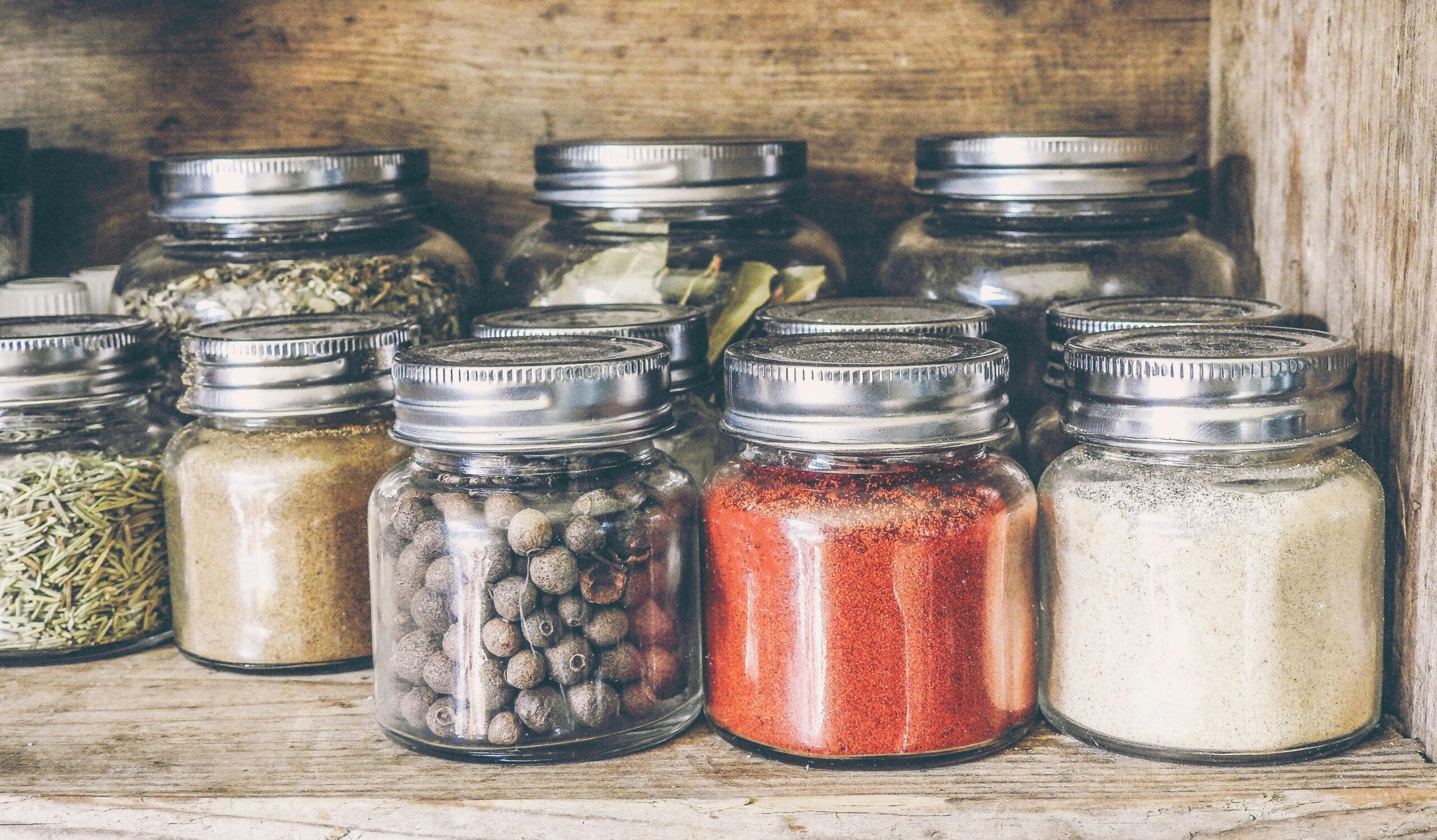
Beyond prepared sauces, maintain seasoning blend containers for last-minute flavor adjustments. Taco seasoning, Italian herbs, curry powder, and everything bagel seasoning transform plain proteins instantly. These dry blends add zero prep time while exponentially increasing your rotation possibilities.
⏰ The Weekly Rotation Calendar
Successful meal rotation requires calendar planning. Map your week considering schedule variations, energy levels, and ingredient freshness. Save delicate fish for early week consumption. Reserve heartier stews for mid-week when motivation dips. Plan quick-assembly meals for busy evenings and elaborate bowls for relaxed dinner times.
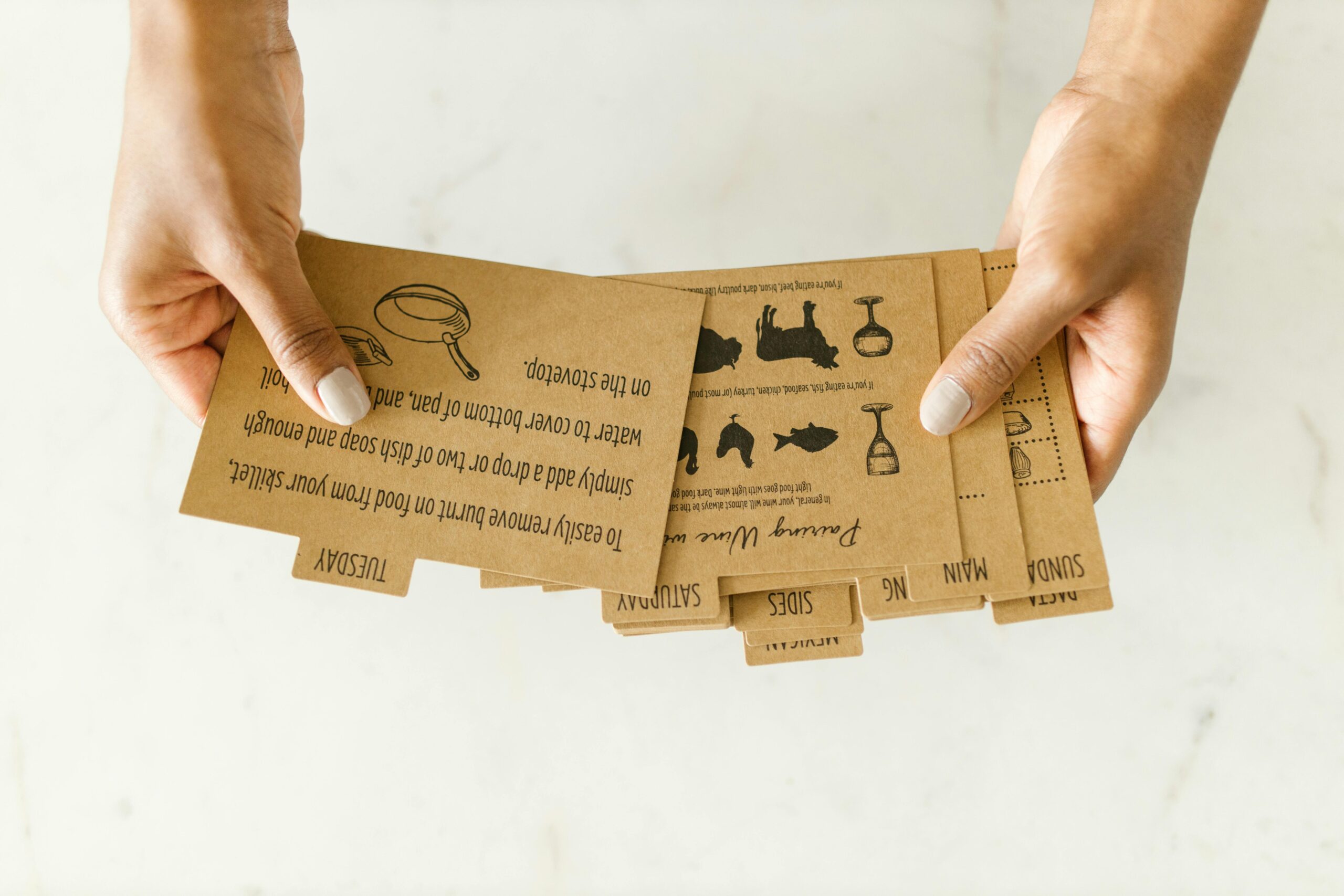
Create a master rotation calendar showing which flavor profiles, proteins, and carbohydrates appear on specific days. This visual reference prevents accidental repetition and ensures balanced nutrition across your week. Most importantly, it eliminates daily decision-making—you simply follow your predetermined rotation.
Batch Cooking in Waves: The Anti-Boredom Technique
Rather than cooking everything Sunday, implement wave cooking throughout your week. Batch prep proteins and grains during your main session, then add fresh vegetables and finishing touches mid-week. This hybrid approach maintains batch cooking efficiency while introducing fresh elements that revitalize your meals.
Wednesday becomes a mini-prep session where you quickly chop fresh vegetables, prepare one additional protein, or mix a new sauce. This 30-minute refresh prevents the “leftover fatigue” that typically arrives around day four of traditional batch cooking schedules.
🌍 Cultural Cuisine Rotation Systems
Organizing rotation around world cuisines creates natural variety without complex planning. Dedicate each day to a different food culture, automatically ensuring distinct flavors, ingredients, and preparation methods. This geographical approach works particularly well for families, as everyone understands “Italian night” versus “Thai night” without detailed explanations.
The Five-Culture Weekly Framework
Establish five reliable cuisines you enjoy preparing and eating. Mexican, Italian, Asian (broad category), Mediterranean, and American comfort food cover diverse flavor territories without requiring exotic ingredients. Each cuisine suggests specific proteins, carbohydrates, vegetables, and seasonings, streamlining your shopping and prep decisions.
Within each cuisine, rotate specific dishes weekly. Italian night alternates between pasta, risotto, and polenta-based meals. Asian rotation includes stir-fries, rice bowls, and noodle dishes. This secondary rotation within primary categories prevents repetition even across multiple weeks.
Container Strategy for Maximum Rotation
Proper storage organization enables successful rotation. Store meal components separately rather than as complete assembled dishes. One container holds seasoned protein, another contains grains, and a third stores prepared vegetables. This component separation allows creative recombination throughout your week.
Label containers with preparation dates and suggested pairings. “Teriyaki chicken – pairs with rice and steamed broccoli” provides guidance without restricting creativity. When Thursday arrives and teriyaki doesn’t appeal, you freely substitute different components while maintaining food safety and quality standards.
🔧 Tools That Simplify Rotation Management
Several kitchen tools streamline meal rotation. Slow cookers prepare “set and forget” proteins while you batch roast vegetables. Instant Pots reduce cooking time for grains and beans. Food processors quickly prep vegetables in multiple styles. Rice cookers deliver perfect grains consistently, freeing attention for other rotation components.
Digital tools help too. Meal planning apps track your rotation schedule, prevent duplicate meals, and generate shopping lists from your planned variety. These applications reduce mental load, making complex rotation systems feel effortless rather than overwhelming.
The Leftover Remix: Advanced Rotation Techniques
True rotation mastery involves remixing previous meals into entirely new dishes. Tuesday’s roasted vegetables become Wednesday’s frittata filling. Thursday’s rice transforms into Friday’s fried rice. Weekend chicken morphs into Monday’s soup base. This cascading approach minimizes waste while maximizing variety through creative transformation.
Plan these remixes intentionally rather than desperately. Cook extra grains knowing they’ll become grain bowls tomorrow. Roast double vegetables for planned soup later in the week. This forward-thinking approach differs from simply reheating leftovers—you’re strategically creating new meals from previous components.
Managing Freshness Across Your Rotation
Ingredient freshness dictates rotation order. Consume fish and delicate greens early in your cycle. Mid-week suits heartier proteins and roasted vegetables. Late-week works perfectly for frozen components, fermented foods, and preserved ingredients. This freshness-based scheduling prevents food waste while maintaining meal quality throughout your entire rotation.
Freeze strategic portions for future rotation cycles. That batch of chili you’re tired of this week tastes amazing three weeks later when it reappears in your rotation. Freezing creates temporal variety—the same meal feels fresh and exciting after sufficient time passes.
🎯 Personalizing Your Perfect Rotation
Cookie-cutter rotation systems fail because individual preferences vary dramatically. Your ideal rotation reflects your taste preferences, cooking skill level, available time, and household composition. Families with children need different rotation strategies than single professionals or retired couples.
Experiment with rotation frameworks for 3-4 weeks before committing. Track which meals generate excitement versus resignation. Note when variety feels insufficient or overwhelming. This data reveals your personal rotation sweet spot—the perfect balance between preparation efficiency and meal satisfaction.
Adjusting Rotation for Dietary Requirements
Special diets require rotation modification, not abandonment. Vegetarian rotations emphasize varied protein sources: beans, tofu, tempeh, seitan, and eggs rotate to prevent reliance on any single option. Keto rotations focus on fat source variety and creative vegetable preparations. Gluten-free rotations showcase diverse grain alternatives beyond rice.
Troubleshooting Common Rotation Failures
Even well-planned rotations occasionally stumble. Mid-week exhaustion might tempt takeout despite available prepared meals. Unexpected schedule changes disrupt eating patterns. Ingredient quality issues compromise planned dishes. Anticipate these challenges by building flexibility into your rotation system.
Maintain emergency backup meals—frozen proteins, shelf-stable grains, and canned vegetables—that assemble quickly when rotation plans derail. These safety nets prevent complete system abandonment during stressful weeks, allowing you to resume normal rotation once circumstances stabilize.
Scaling Rotation for Different Household Sizes
Single-person households achieve rotation differently than families. Solo cooks might prepare three proteins weekly, eating each twice in different preparations. Couples can split rotation preferences, with each person contributing favorite dishes. Large families benefit from buffet-style rotation where everyone builds custom plates from communal components.
Adjust batch quantities to match consumption rates without creating excessive leftovers. Smaller households should embrace freezer rotation more aggressively, preparing diverse options that cycle through frozen storage. This approach delivers restaurant-level variety from home cooking efficiency.
🌟 Maintaining Long-Term Rotation Enthusiasm
Sustainable rotation requires periodic refreshment. Quarterly introduce new recipes to your established rotation. Seasonally adjust ingredient selections to match produce availability and weather-appropriate comfort levels. Annually evaluate your entire system, eliminating recipes that no longer excite and discovering new options that deserve rotation inclusion.
Join online communities focused on meal prep and rotation strategies. These groups provide inspiration when your personal creativity stalls. Sharing successful rotation frameworks helps others while reinforcing your commitment to the practice. Community accountability significantly increases long-term adherence to batch cooking systems.

Measuring Rotation Success Beyond Taste
Effective rotation delivers benefits beyond preventing boredom. Track time savings compared to daily cooking. Monitor grocery budget changes from reduced food waste. Notice energy level improvements from consistent nutrition. Document stress reduction from eliminated daily meal decisions. These measurable outcomes justify the planning effort required for successful rotation.
Calculate your cost per meal across rotation cycles. Batch cooking with proper rotation typically delivers restaurant-quality variety at 25-40% of dining out costs. This financial advantage, combined with time savings and health benefits, creates compelling motivation to perfect your rotation system.
Mastering meal rotation transforms batch cooking from monotonous meal prep into an exciting culinary system. By strategically varying proteins, carbohydrates, vegetables, and flavor profiles across organized cycles, you achieve endless variety without sacrificing preparation efficiency. The key lies not in cooking more, but in planning smarter rotations that keep every meal feeling fresh and intentional throughout your week. Start with simple three-day rotations, gradually expanding complexity as your system becomes second nature, and soon you’ll wonder how you ever tolerated repetitive eating.