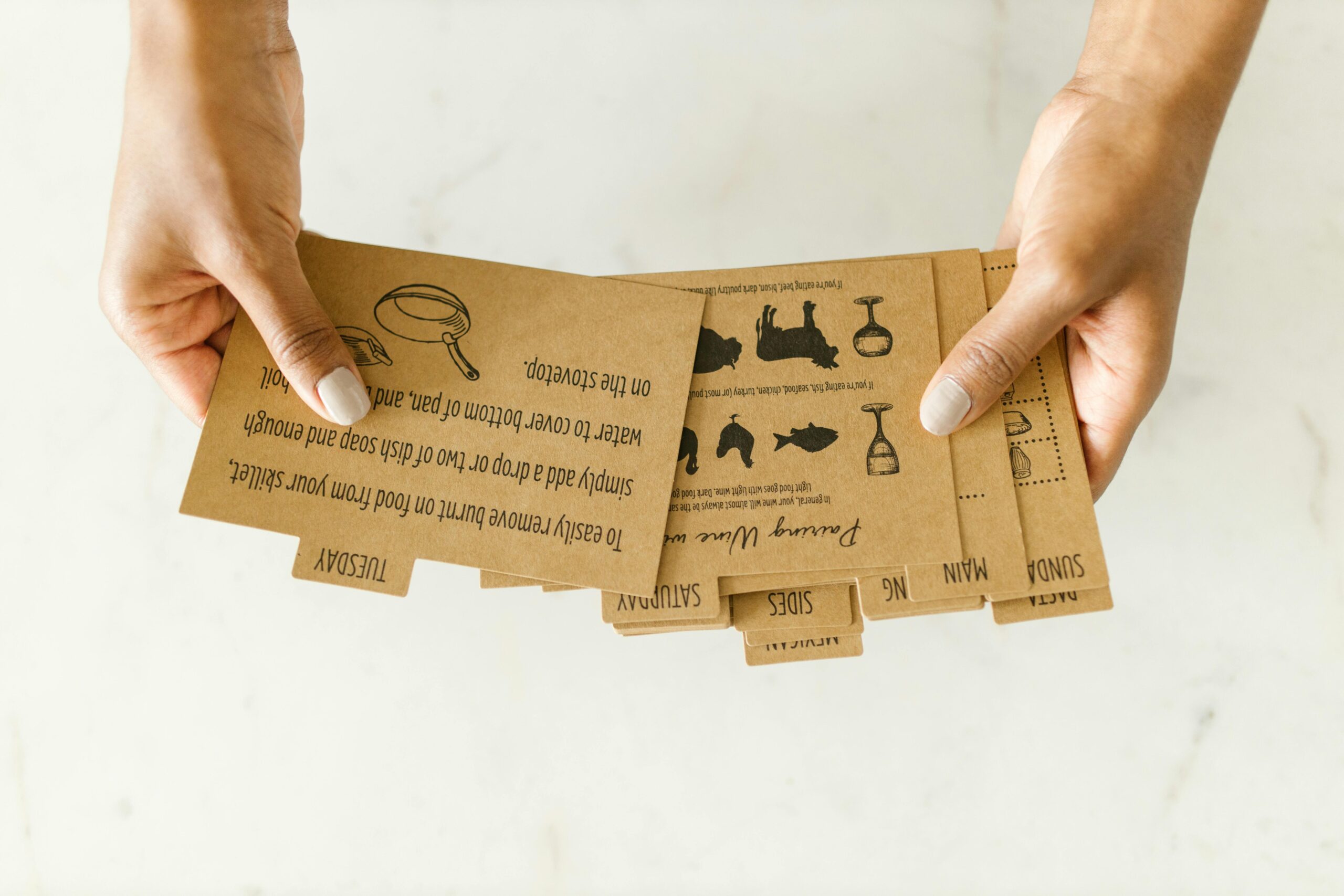
Imagine opening your refrigerator on a busy Tuesday evening and knowing exactly what’s for dinner. No stress, no scrambling, no emergency pizza delivery. That’s the power of weekly meal planning.

For years, dinner time has been a source of anxiety for countless families. The dreaded question “What’s for dinner?” can trigger stress, lead to unhealthy fast-food choices, and drain your budget. But what if there was a simple system that could transform this daily struggle into a smooth, organized routine? Weekly meal planning isn’t just about deciding what to eat—it’s about reclaiming your time, improving your health, and bringing peace back to your evenings. This comprehensive guide will walk you through everything you need to master meal planning and unlock a lifestyle that’s healthier, happier, and significantly less stressful.
Why Weekly Meal Planning Changes Everything 🎯
Before diving into the how-to, it’s essential to understand why meal planning works so effectively. The benefits extend far beyond simply having dinner ready on time.
First, meal planning dramatically reduces decision fatigue. Research shows that we make thousands of decisions daily, and each one depletes our mental energy. By planning your meals once per week, you eliminate seven stressful decisions and free up mental bandwidth for things that truly matter. This single change can make your evenings feel significantly calmer and more enjoyable.
Financial savings represent another compelling advantage. When you plan meals around what’s on sale and buy only what you need, grocery bills typically drop by 25-30%. Impulse purchases decrease, food waste diminishes, and you stop spending money on last-minute takeout. Over a year, these savings can amount to hundreds or even thousands of dollars.
Health improvements naturally follow structured meal planning. When you decide in advance what you’ll eat, you make better nutritional choices. You’re more likely to include vegetables, lean proteins, and whole grains when planning calmly at home versus deciding while hungry and tired after work. Studies consistently show that people who meal plan consume more nutrients and maintain healthier weights than those who don’t.
Getting Started: The Foundation of Success
Beginning your meal planning journey doesn’t require fancy tools or complicated systems. Start with the basics and build complexity as you become comfortable with the process.
Assess Your Current Situation
Take honest inventory of your lifestyle, cooking skills, and family preferences. How many nights per week do you realistically cook at home? What’s your current skill level in the kitchen? Do you have dietary restrictions or picky eaters to accommodate? Understanding your starting point prevents you from creating an unrealistic plan that you’ll abandon after one week.
Check your schedule for the upcoming week. Note which evenings are busiest and might require quick meals, and which days offer more time for elaborate cooking. Your meal plan should match your life’s rhythm, not fight against it.
Choose Your Planning Day
Designate a specific day and time for weekly meal planning. Most people find success with Sunday afternoons or Saturday mornings, but choose whatever works for your schedule. Consistency matters more than the specific day. Block off 30-60 minutes in your calendar and treat this appointment as non-negotiable.
During this time, you’ll review your schedule, browse recipes, create your meal plan, and develop your shopping list. Having a dedicated planning session transforms meal planning from a scattered, stressful activity into a calm, productive ritual.
Creating Your First Weekly Meal Plan 📝
Now comes the exciting part—building your actual meal plan. Follow these steps to create a plan that works for your unique situation.
Start With a Template
Create a simple seven-day template listing each day of the week. For each day, include spaces for breakfast, lunch, dinner, and snacks if relevant. You don’t need to plan every single meal initially—many people start by planning just dinners and gradually expand to other meals.
A basic template might look like this:
- Monday: Quick meal (30 minutes or less)
- Tuesday: Slow cooker or one-pot meal
- Wednesday: Leftover transformation
- Thursday: Theme night (Taco Thursday, Pasta Night, etc.)
- Friday: Easy family favorite
- Saturday: Experimental or elaborate recipe
- Sunday: Batch cooking or meal prep day
This structure provides variety while maintaining predictability, making planning easier week after week.
Build Your Recipe Collection
Compile 15-20 reliable recipes that your household enjoys. These become your rotation—meals you can prepare without stress because you’ve made them before. Include a mix of cooking times, difficulty levels, and cuisines to prevent boredom.
Organize recipes by category: quick weeknight dinners, slow cooker meals, one-pot dishes, salads, and special occasion meals. Digital tools, recipe apps, or a simple binder all work equally well. The key is accessibility—you should be able to quickly find recipes when planning your week.
Theme Nights Simplify Decisions
Assigning themes to specific weeknights dramatically simplifies planning. Meatless Monday, Taco Tuesday, Pasta Wednesday, Soup Thursday, and Pizza Friday are popular examples, but customize themes to your family’s preferences.
Theme nights work because they narrow your choices. Instead of considering hundreds of possible dinners, you’re choosing from a smaller subset. This reduces decision fatigue while still offering variety within each theme.
Strategic Shopping: Turning Plans Into Reality 🛒
A perfect meal plan fails without the right ingredients. Strategic shopping ensures your refrigerator and pantry support your weekly plan.
Master List Development
As you finalize your weekly plan, simultaneously create your shopping list. Organize the list by store sections—produce, dairy, meat, pantry items—to make shopping efficient. Many meal planning apps automatically generate shopping lists from your chosen recipes, saving significant time.
Before shopping, check your pantry, refrigerator, and freezer. You might already have half the ingredients needed, reducing both your shopping time and expenses. This inventory check also prevents buying duplicates of items you already own.
Shop Once, Eat All Week
Commit to doing one major grocery shop per week. This single trip should provide everything needed for your planned meals. Shopping once saves time, reduces impulse purchases, and reinforces your commitment to the meal plan.
Choose a shopping time when stores are less crowded—early mornings or weekday evenings typically offer the best experience. Bring your organized list, stick to it, and resist the temptation to wander aimlessly through aisles.
Meal Prep: The Secret Weapon ⚡
Meal preparation transforms good intentions into actual dinners. Even minimal prep work dramatically improves weeknight cooking success.
Sunday Prep Sessions
Dedicate 1-2 hours on your planning day to basic meal prep. This doesn’t mean cooking entire meals—it means doing preparatory work that makes weeknight cooking faster and easier.
Wash and chop vegetables for the week ahead. Marinate proteins for upcoming meals. Cook grains like rice or quinoa in bulk. Prepare sauces or dressings. Pre-portion snacks. These small tasks, done in one focused session, save 15-20 minutes each weeknight when time is most precious.
Batch Cooking Strategies
Cook double portions of versatile components that work in multiple meals. Roast two sheet pans of vegetables instead of one. Grill extra chicken breasts. Cook a large pot of beans. These elements become building blocks for different meals throughout the week.
For example, grilled chicken serves as the protein for Monday’s salad, gets sliced into Wednesday’s pasta, and fills Friday’s tacos. One cooking session yields three different dinners, maximizing your effort.
Overcoming Common Meal Planning Obstacles
Even the best systems face challenges. Anticipating obstacles and having solutions ready keeps you on track.
When Life Gets Unpredictable
Build flexibility into your plan. Always include one or two “flexible” meals that can move to different nights or swap positions easily. Keep emergency backup meals in your freezer—homemade frozen dinners, store-bought options, or ultra-quick recipes like pasta or omelets.
Don’t aim for perfection. If you successfully follow your meal plan four or five nights out of seven, that’s a win. The remaining nights might involve eating out, ordering delivery, or improvising with pantry ingredients, and that’s perfectly acceptable.
Handling Picky Eaters
Involve family members in meal planning. Let children choose one meal per week or select between two options you present. When people participate in planning, they’re more invested in eating what’s prepared.
Use the “deconstructed” approach for challenging meals. Serve components separately so picky eaters can customize their plates. Taco bars, pasta stations, and build-your-own-bowl nights work wonderfully for varied preferences while requiring just one cooking session.
Breaking Through Boredom
Rotate new recipes into your plan gradually. Try one new recipe per week while keeping the other meals familiar and comfortable. This provides novelty without overwhelming your schedule with unfamiliar cooking techniques.
Explore different cuisines by designating “cultural exploration” nights. Mexican one week, Thai the next, then Mediterranean. This systematic approach to variety keeps meals interesting while giving you specific direction for recipe searches.
Technology Tools That Actually Help 📱
While meal planning doesn’t require technology, the right apps can streamline the process significantly. Several excellent applications help with recipe organization, meal planning, and automated shopping list creation.
Popular meal planning apps offer features like customizable meal calendars, recipe databases with thousands of options, automatic scaling for different serving sizes, and nutritional information tracking. Many also provide shopping lists organized by store section and support recipe importing from favorite websites.
Some apps focus specifically on particular dietary needs—keto, vegetarian, gluten-free—making them valuable for households with specific nutritional requirements. Others emphasize budget-friendly meals or quick cooking times. Experiment with free versions to find an app that matches your planning style.
Advanced Strategies for Meal Planning Masters
Once you’ve established a consistent meal planning routine, these advanced techniques can further optimize your system.
Seasonal Eating Advantages
Plan meals around seasonal produce for maximum flavor, nutrition, and value. Summer meal plans feature abundant tomatoes, zucchini, and berries. Fall plans incorporate squash, apples, and root vegetables. Seasonal eating naturally provides variety throughout the year while reducing grocery costs.
Visit farmers’ markets during your planning session for inspiration. Seeing beautiful seasonal produce often sparks meal ideas more effectively than browsing recipe websites.
Strategic Leftover Management
Plan meals that intentionally create useful leftovers. Monday’s roasted chicken provides Tuesday’s chicken salad. Wednesday’s rice accompanies Thursday’s stir-fry. This approach minimizes cooking while maximizing variety.
Designate one night as “leftover buffet” or “clean out the fridge” night. Family members choose from remaining portions of earlier meals, ensuring nothing goes to waste while giving you a break from cooking.
Freezer Meal Banking
When making soups, casseroles, or sauces, intentionally double the recipe and freeze half. Over time, you’ll build a “bank” of ready-made meals that serve as backup for especially busy weeks or unexpected circumstances.
Label frozen meals clearly with contents and date. Organize your freezer so older items stay visible and get used before newer additions.
The Lifestyle Transformation Beyond Dinner 🌟
Successful meal planning creates ripple effects that extend throughout your life in surprising ways.
Time previously spent on last-minute shopping trips, stress-filled dinner decisions, and fast-food runs gets redirected toward activities that truly matter—family time, hobbies, exercise, or simply relaxing. Most people gain back 5-7 hours per week through efficient meal planning.
Relationships improve when mealtime stress decreases. Families gather around the table more consistently when dinner happens at predictable times without chaos. Conversations flow more naturally when parents aren’t frazzled from emergency meal preparation.
Physical health improves measurably. Home-cooked meals typically contain less sodium, fewer preservatives, and more nutrients than restaurant food or takeout. Over months and years, this consistent nutritious eating contributes to better energy levels, healthy weight maintenance, and reduced risk of chronic diseases.
Mental wellbeing benefits significantly from the structure and success that meal planning provides. Knowing you have a plan creates calm. Following through on that plan builds confidence. The sense of accomplishment from successfully feeding your family nutritious meals each week shouldn’t be underestimated.
Making Meal Planning Stick Long-Term
Starting meal planning is relatively easy—maintaining the habit requires intentional strategies.
Track your successes in a journal or app. Note which meals were hits, which shopping strategies worked best, and how much time and money you’re saving. Reviewing this progress provides motivation during challenging weeks when you’re tempted to abandon the system.
Find an accountability partner—a friend, family member, or online community also pursuing meal planning. Share plans, swap recipes, and encourage each other through obstacles. Accountability dramatically increases long-term success rates.
Celebrate milestones. After one month of consistent meal planning, treat yourself to a new kitchen tool or cookbook. After three months, take note of the money you’ve saved and put it toward something special. Recognizing achievements reinforces positive habits.
Continuously refine your system. Your needs, schedule, and preferences will evolve. Regularly assess what’s working and what isn’t, then adjust accordingly. The best meal planning system is the one you’ll actually use consistently, so customize without guilt.
Your Stress-Free Dinner Future Starts Now
Meal planning transforms one of life’s recurring stressors into a manageable, even enjoyable routine. The initial time investment pays dividends every single week through reduced stress, improved health, strengthened finances, and reclaimed time.
Start small if the full process feels overwhelming. Plan just three dinners for your first week. Once that feels comfortable, add another meal. Gradually expand until you’re planning all seven nights. Progress matters more than perfection.
Remember that meal planning is ultimately about creating the lifestyle you want rather than the chaotic one that happens by default. It’s about choosing calm over stress, health over convenience, and intention over reaction. Every week you plan meals is a week you’re actively designing your life rather than simply surviving it.
The secret to stress-free dinners and a healthier, happier lifestyle isn’t really a secret at all—it’s the consistent, practical application of simple planning principles. Start this week. Your future self will thank you every single evening when you open the refrigerator and know exactly what’s for dinner.